Animal nests: how to prevent them in a chimney
Prevent chimney nests with a mesh cap at $150 to $600, a yearly check, and prompt repair of rusted or missing fittings. Why a cap is the whole strategy.
Prevent chimney nests by fitting a mesh cap at $150 to $600, checking it yearly for rust and blockage, and repairing the crown and flashing so the chimney stays sound. The cap is the whole strategy for birds, squirrels, and raccoons.
- Cap with mesh
- $150 - $600
- Yearly inspection
- $150 - $800
- Sweep if blocked
- $150 - $400
- Crown repair
- $400 - $1,500
- Liner if damaged
- $1,500 - $4,000
Some links on this page are affiliate links.If you buy through them we may earn a commission at no extra cost to you. We do not accept payment for rankings. Read the full disclosure.
Animal nests in chimneys are preventable with one fitting: a cap with mesh, at $150 to $600. Everything else — the yearly check, the rust repair, the prompt replacement — is maintenance of that cap. A chimney with an open flue is a nesting site, and the animals find it every spring.
Why animals choose a chimney
An uncapped flue is a dry, sheltered cavity with a constant temperature and a wide entrance.
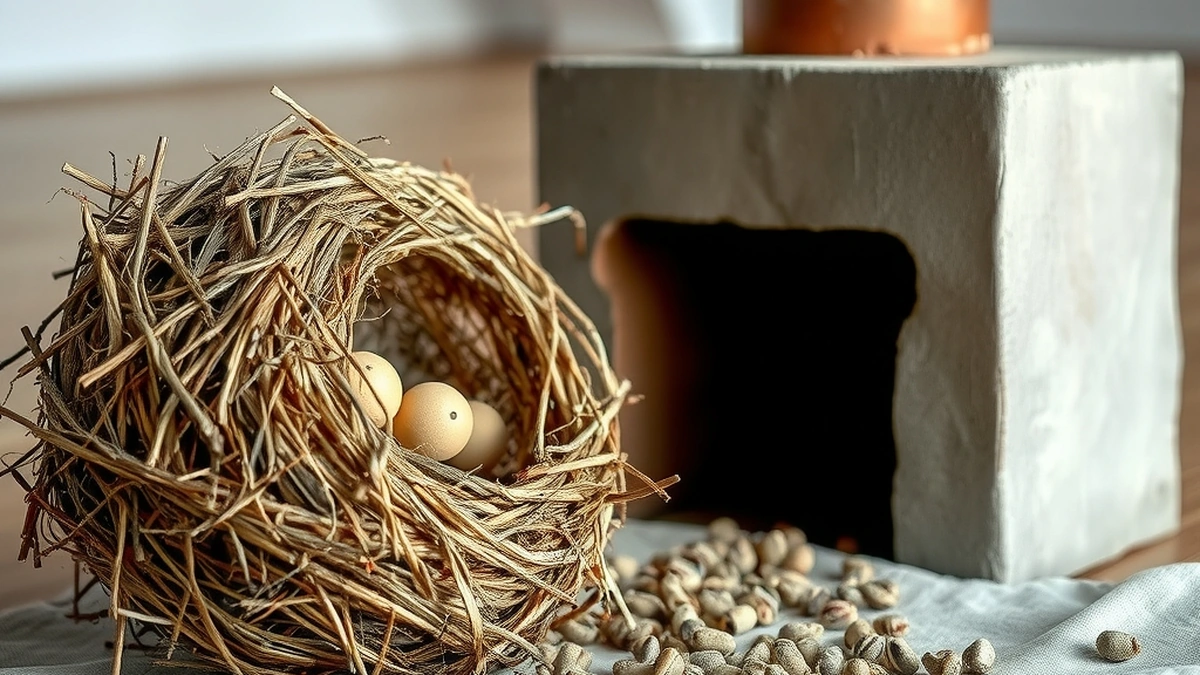
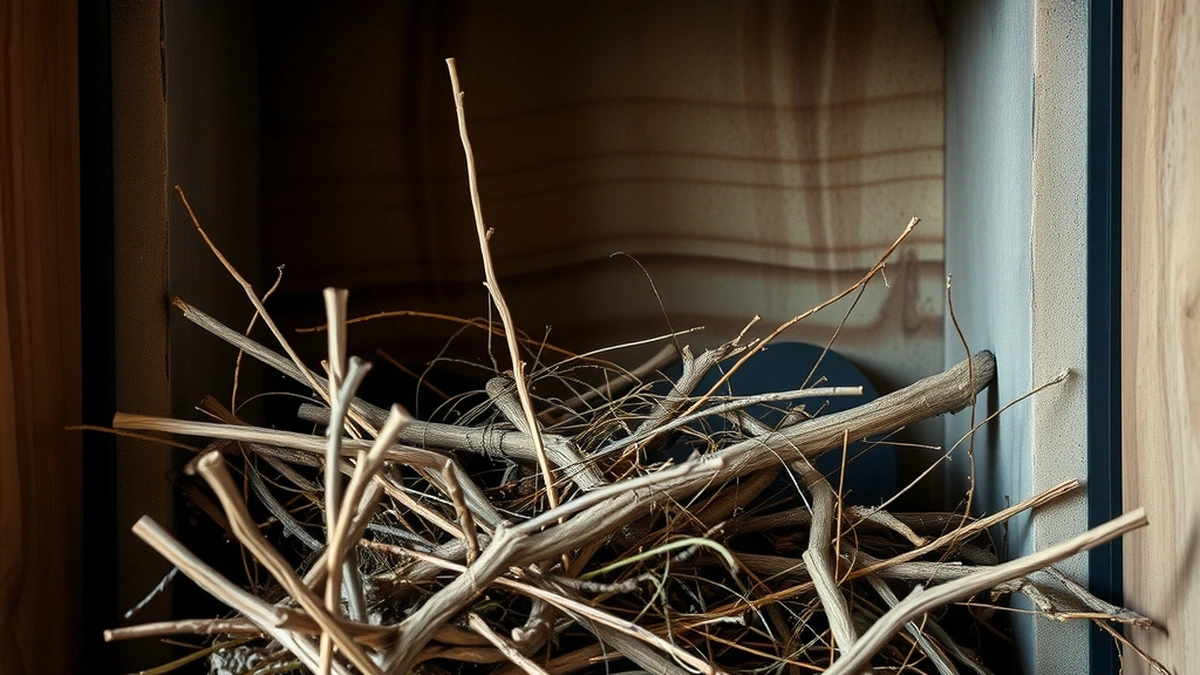
Birds nest on the smoke shelf or in the flue itself. Squirrels climb the stack and drop in. Raccoons favour wide flues on older chimneys.
The attraction is reliable, which is why the same chimney gets used year after year unless the entrance is closed.
What prevention involves
| Measure | What it stops | Cost |
|---|---|---|
| Cap with mesh | Birds, squirrels, raccoons | $150 - $600 |
| Yearly cap check | Rust and blockage | Within inspection |
| Crown repair | Water damage that loosens the cap | $400 - $1,500 |
| Flashing repair | Water at the roof line | $400 - $1,500 |
| Inspection | All of the above | $150 - $800 |
The first row is the active measure. The rest keep it working.
The cap, in detail
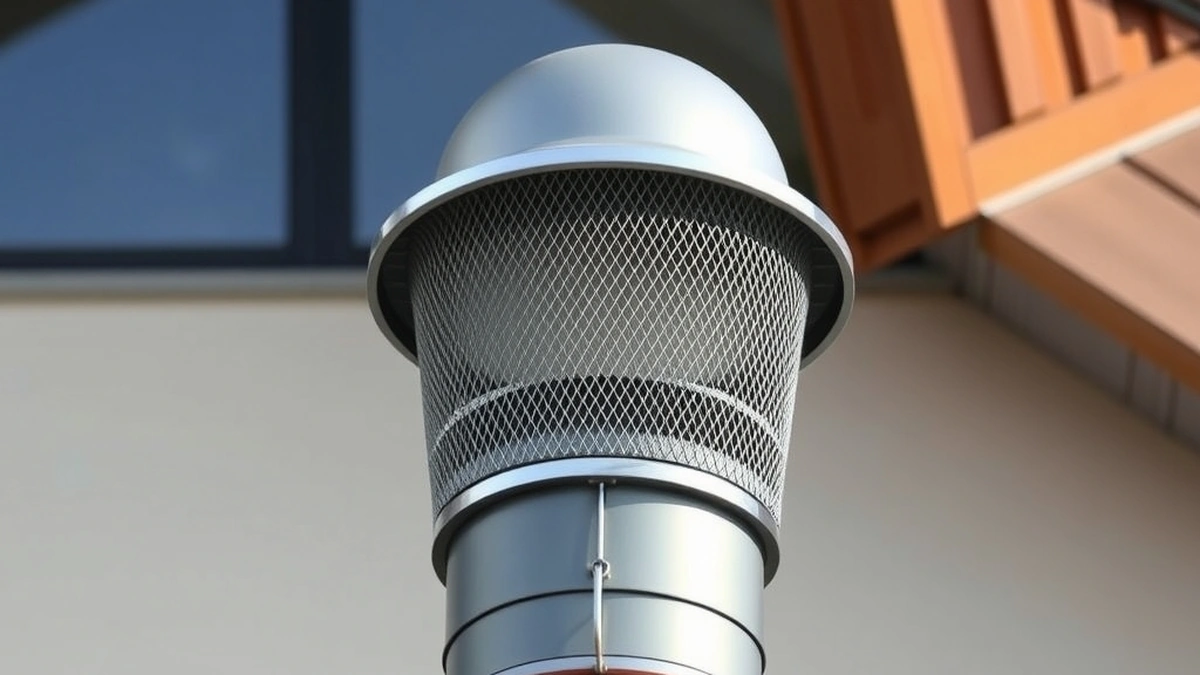
A cap has a flat or domed top, legs or a shroud, and mesh sides.
The top keeps rain out. The mesh keeps animals out. The open area has to be large enough that the flue still draws.
Three failure modes matter.
Mesh too coarse. It stops raccoons but not starlings, and starlings are the most common chimney nester in many areas.
Mesh too fine. It stops everything, and then clogs with creosote, lint, and leaves. A clogged cap is a blocked flue.
Cap too restrictive. It reduces draught, which shows up as smoke spillage on light-up.
A cap sized for the flue and the appliance avoids all three. That is why the fitting is worth doing properly rather than picking the cheapest box at a hardware store.
Timing
Fit the cap before the nesting season, which in most of the US begins in early spring.
If a nest is already present, removal has to come first. Many birds are protected while nesting, so the timing of removal is not always the homeowner’s choice.
The practical rule: cap in autumn or late winter, before the season starts, and cap immediately after any nest is removed.
The yearly check
- Look at the cap from the ground with binoculars in early spring.
- Check for rust through the mesh and the top.
- Check that the fixings are tight and the cap is sitting level.
- Look for debris packed into the mesh.
- Book an inspection at $150 to $800 if anything is unclear.
Rust is the common failure. A cap that has rusted through at a fixing point can lift in wind, and a lifted cap is an open flue again.
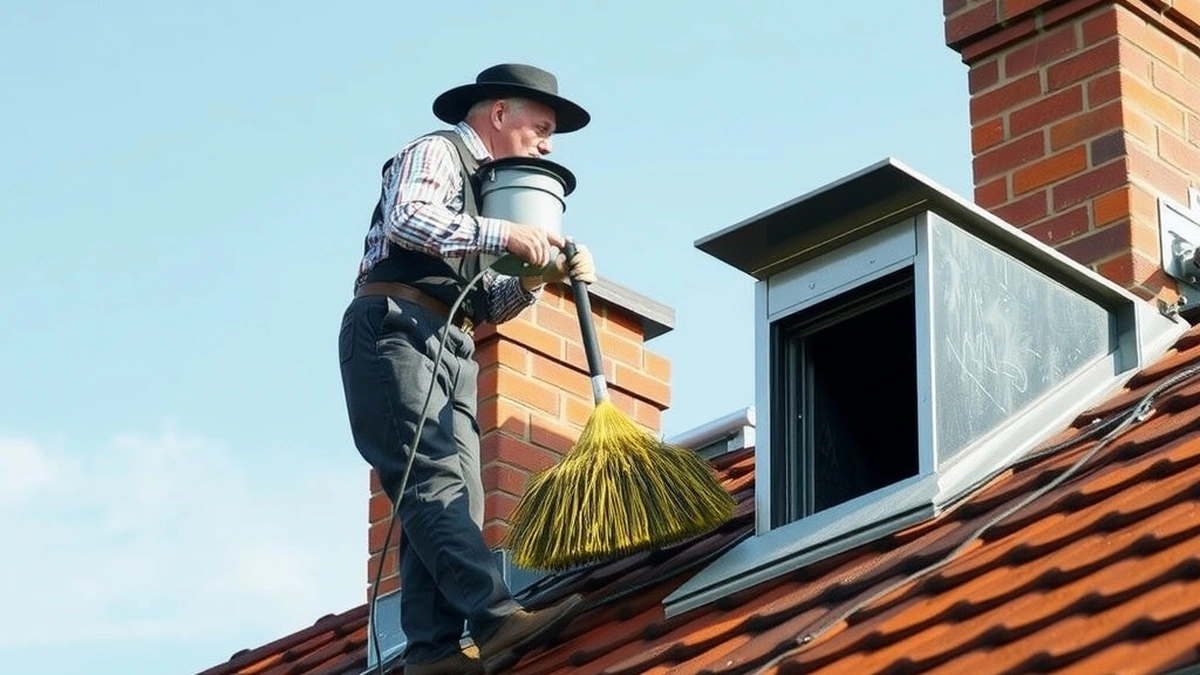
Mesh blockage is the second. Creosote flakes, lint from a tumble dryer vent nearby, and leaves all collect in fine mesh, and a blocked cap behaves like a blocked flue. Clear it with a soft brush from the ground where you can reach it, and leave the roof to a professional.
What not to do, and what a nest costs if it is not prevented
Four mistakes make the problem worse.
Blocking the flue from below. It traps animals inside, and a blocked flue is a carbon monoxide risk.
Lighting a fire to drive animals out. It is a fire risk and it can kill animals in the flue, which then have to be removed.
Ignoring a nest until autumn. Nesting material holds moisture against the flue and can damage the tile.
Fitting a cap without checking the crown. A cap fixed to a failing crown works loose, and the crown is the more important repair.
What a nest costs if it is not prevented.
Removal and sweep: $150 to $400. Inspection: $150 to $800. Cap: $150 to $600. Liner if the tile is damaged: $1,500 to $4,000.
A cap at $150 to $600 prevents the first three and reduces the chance of the fourth.
Insurance rarely helps here either. Nest removal and flue damage are treated as maintenance, not as sudden events, so the $150 to $600 cap is usually the cheapest line in the whole budget and the one that decides whether the others are needed.
That comparison is the whole argument. Over ten years, one cap and an annual inspection is a few hundred dollars; a liner is a single bill that can exceed all of it.
Where the flue fits
Preventing nests is about the chimney’s opening. It does not address the flue’s condition.
If the flue is cracked, undersized, or blocked by debris that cannot be cleared, a stainless liner at $1,500 to $4,000 is the repair. That is a venting decision, and it belongs with a qualified chimney technician working to the appliance’s requirements.
A cap does not fix a damaged flue, and a liner does not keep animals out. Both are needed in different circumstances.
The prevention budget
Cap at $150 to $600, once, replaced when it rusts through. Annual inspection at $150 to $800. Crown repair at $400 to $1,500 when the top fails, which also protects the cap fixing. Sweep at $150 to $400 when deposits or debris accumulate.
That is the whole programme. It costs less than a single liner, and it is the difference between a chimney that is closed to wildlife and one that is an annual nest site.
Our animal nests repair guide covers removal, and animal nests signs covers how to tell whether something is already in there. For the broader routine, see chimney maintenance.
Frequently asked questions
How do I stop birds nesting in my chimney?
Fit a cap with mesh sized for the birds in your area, and check it each year. A cap at $150 to $600 is the single effective measure for birds, squirrels, and raccoons.
What size mesh stops squirrels?
Squirrels and birds need mesh fine enough to exclude them without restricting draught. A chimney professional will match the mesh to the flue and the local wildlife, which is why off-the-shelf caps vary.
Does a chimney cap affect draught?
It can if it is too restrictive. A cap should be sized for the flue and the appliance so exhaust still flows freely, particularly on a wood-burning appliance.
When should I fit a cap?
Before the nesting season in spring, and immediately after any nest is removed. Waiting until birds are nesting means the removal has to wait too.
Can I block the chimney to keep animals out?
No. Blocking from below traps animals inside, and a blocked flue is a carbon monoxide risk. The flue has to stay open at the top, protected by a cap.
How often should the cap be checked?
Once a year, ideally in early spring. Rust, loose fixings, and blocked mesh are the three failures, and all are visible from the ground with binoculars.
Sources
Some links are affiliate links.If you buy through them we may earn a commission at no extra cost to you. We do not accept payment for rankings. Read the full disclosure.