Cast-in-place liner maintenance: a yearly routine
What a cast-in-place liner needs each year: the right brush, a top-end inspection, surface reading for dusting and staining, and when a fix becomes a reline.
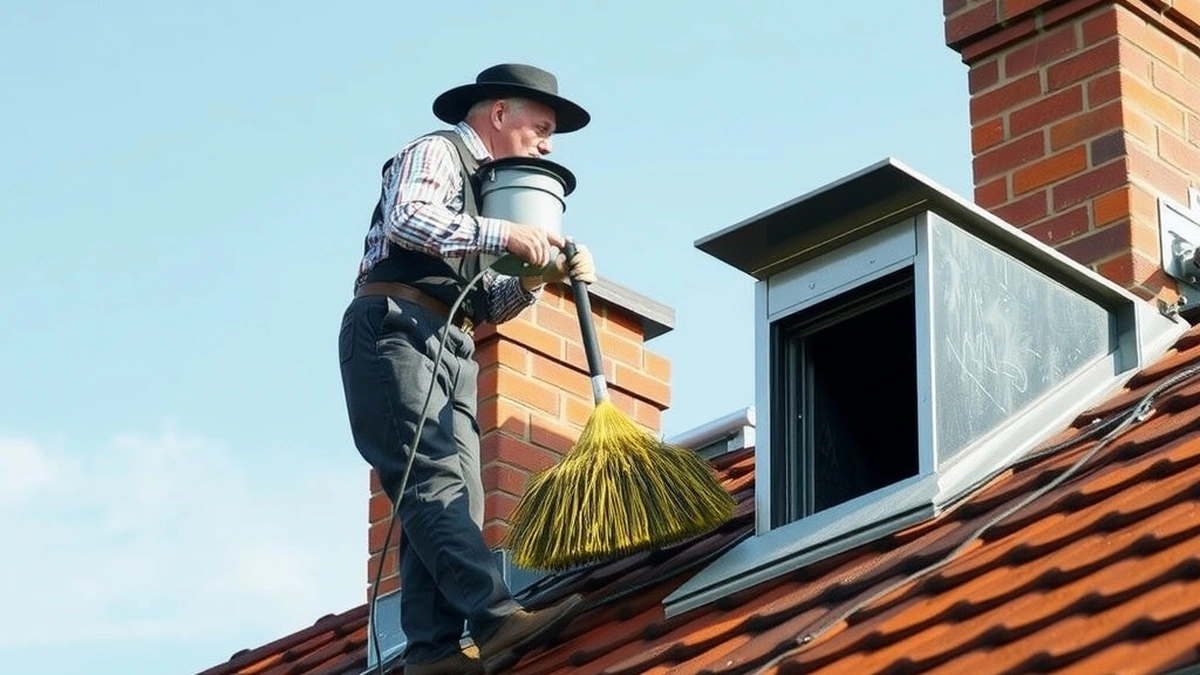
Cast-in-place liner maintenance is a yearly sweep with a poly brush, a top-end inspection of crown and cap, and a surface check for dusting, staining, or spalling. Most of the work costs $150–$400 a visit; the rest is looking at the right things.
- Annual sweep
- $150–$400
- Camera inspection
- $150–$800
- Crown check
- $400–$1,500 if repair
- Cap replacement
- $150–$600
Some links on this page are affiliate links.If you buy through them we may earn a commission at no extra cost to you. We do not accept payment for rankings. Read the full disclosure.
Cast-in-place liner maintenance is mostly a cleaning schedule plus a top-end inspection, and it costs $150–$400 for a normal annual sweep. The lining itself needs very little; what it needs is a brush that does not cut it, a crown that keeps water out, and someone looking down the bore once a year who knows what a stable surface looks like. Skip the top end and the liner fails from the outside in.
What the lining is, and what it needs
A cast-in-place liner is a refractory lining formed inside the existing flue, bonded to the masonry, with a smooth cementitious bore. It is alkaline, porous on the surface, and vulnerable to two things: abrasion and moisture. Maintenance is the discipline of avoiding both.
Unlike a stainless liner, it cannot be patched with a sleeve or replaced in sections without demolition. That makes prevention the entire strategy.
The annual sweep, and why the brush matters
Creosote accumulates on any solid-fuel flue. In a cast liner it bonds more firmly than on smooth metal because the surface has some texture, and that is where brush choice matters.
A poly brush sized to the bore removes deposits without cutting into the lining. Rotary wire brushes and chain flails, common on metal flues, will score and spall a refractory surface. The scratches hold moisture and the spalling spreads from them.
A sweep runs $150–$400 and should include a visual check of the accessible bore from the top and the bottom. If the technician cannot tell you what the lining looked like, the visit covered the firebox, not the liner.
The top-end inspection
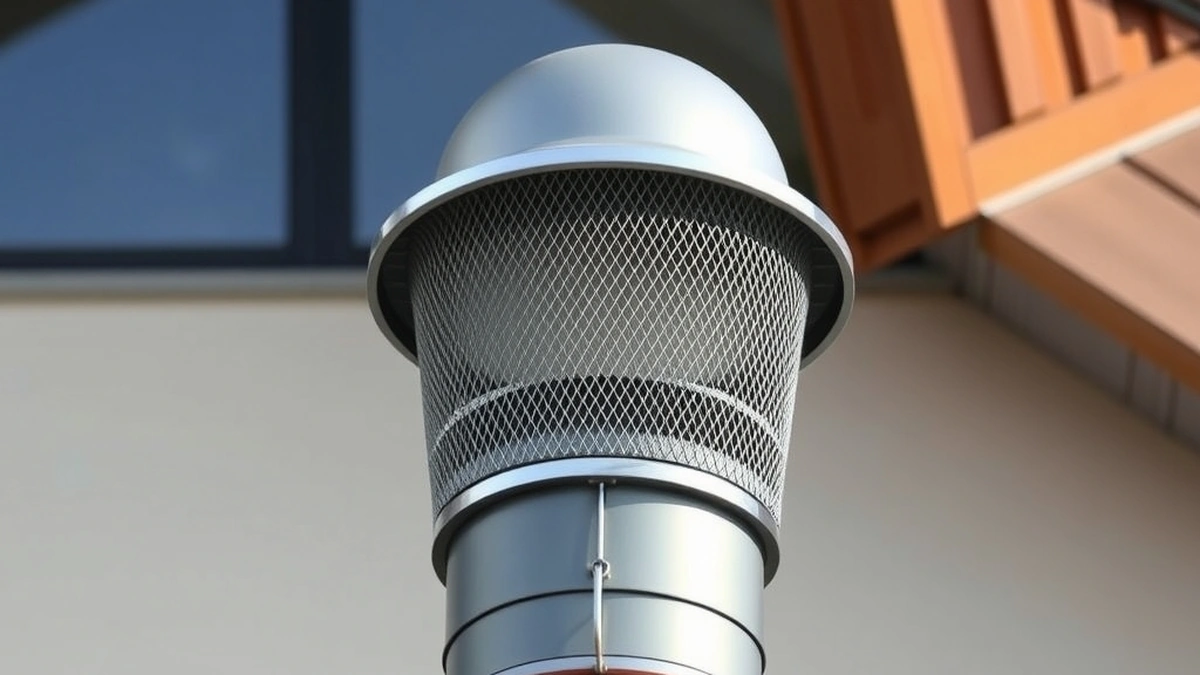
The crown and cap do more for liner life than any other component. Water entering at the top is the most common cause of early failure, because it sits against the lining, freezes, expands, and works the bond loose.
Look for: a cracked or spalled crown, a crown with no overhang, a cap that has lost its mesh, and staining on the flue tile above the roofline. Crown repair runs $400–$1,500 and a cap runs $150–$600. Both are small numbers against a reline at $1,500–$4,000, or against the cost of removing and repouring a failed lining.
| Surface finding | What it usually means | Action |
|---|---|---|
| Uniform light grey bore | Normal cured surface | None |
| White powder on the surface | Efflorescence, moisture moving through | Check crown and cap |
| Fine dust after sweeping | Weak mix or early wet-service damage | Photograph, recheck next year |
| Dark vertical staining | Gas or water tracking through a crack | Camera inspection |
| Flaking or spalling patches | Abrasion, chemical attack, or freeze damage | Professional evaluation |
| Rust-colored streaks | Metal component corrosion above | Inspect connector and cap |
Reading the surface over time
A single inspection is a snapshot. Three years of inspections is a trend, and the trend is what tells you whether a hairline is stable.
Record the same three views each year: the top three feet of bore, the middle, and the appliance connection. Photograph each. A crack that looks identical in year one and year three is a monitoring item. One that has widened by a sixteenth of an inch is not.
After a chimney fire
A chimney fire is a thermal event that can crack a lining even when the fire department finds nothing dramatic. After any chimney fire, get a Level 2 inspection with a camera before the appliance is used again. That runs $150–$800 and is not optional.
Look specifically for new vertical cracks, spalled patches, and any separation between the lining and the flue wall. A lining that survived a fire may still have lost its bond over a section.
What not to do
- Do not use a chain flail or a wire rotary brush on a cementitious bore.
- Do not pour liquid creosote treatments down the flue without checking the lining manufacturer’s guidance.
- Do not seal cracks with hardware-store silicone; the temperature will destroy it and the residue makes the next repair harder.
- Do not cap the flue with a flat plate to stop rain. A cap needs to vent.
- Do not burn unseasoned wood to “dry it out.” Wet fuel is the main source of the deposits you are trying to avoid.
A yearly routine that takes an hour
- Book the sweep for late summer, before the heating season, at $150–$400.
- Ask for a top-down look at the bore and a written note on surface condition.
- Get on the roof or ask for photos of the crown and cap.
- Clear leaves and debris from the cap mesh and the crown’s drainage path.
- Book a camera inspection every third year, or after any chimney fire.
- File the photos with the date and keep the previous years’ records together.
When maintenance turns into repair
Three findings move you from maintenance to repair: a crack with staining beside it, a hollow tap tone that suggests the lining has separated from the wall, and water staining at the top that returns after a crown repair. The first two are covered in detail in cast-in-place liner problems; the third usually means the crown repair was too small for the movement in the masonry.
If the lining has to come out, compare the replacement routes in stainless steel chimney liner before committing to a second pour. The annual schedule itself belongs in the broader plan at chimney maintenance, the sweep pricing baseline is at chimney sweep cost, and the crown line item is explained in chimney crown repair cost. Creosote is the deposit that drives most of this work; creosote build-up signs explains what to watch for between visits.
Frequently asked questions
How often does a cast-in-place liner need cleaning?
Once a year for most wood-burning appliances, and more often if you burn green wood or use the appliance heavily. Gas and oil appliances are usually inspected annually and swept only when deposits warrant it.
Can a wire brush damage a cast liner?
Yes. Rotary wire brushes and chain flails are abrasive enough to score and spall a refractory surface. A poly brush sized to the bore is the correct tool.
Should I use chemical chimney cleaners?
Only under manufacturer guidance. Some creosote treatments are formulated for metal flues and can attack cementitious linings. Ask the lining manufacturer before applying anything.
What does surface dusting mean?
A fine powder on the bore often signals a weak mix or the start of a wet-service problem. It is worth a camera look and a note in the maintenance record rather than a repair on its own.
How long should a cast-in-place liner last?
Manufacturers commonly claim 50 years or more with proper maintenance. In practice the crown and cap decide it, because water intrusion is what ends most linings early.
What should I keep in a maintenance record?
Date, sweep or inspection type, findings, photos, and any repair. A record of the bore condition over several years is what lets a professional tell a stable hairline from an active crack.
Sources
Some links are affiliate links.If you buy through them we may earn a commission at no extra cost to you. We do not accept payment for rankings. Read the full disclosure.