Animal nests: warning signs in a chimney
Signs an animal is in the chimney: scratching, debris in the firebox, a smoky smell in summer, poor draught, and birds entering the stack. What each means.
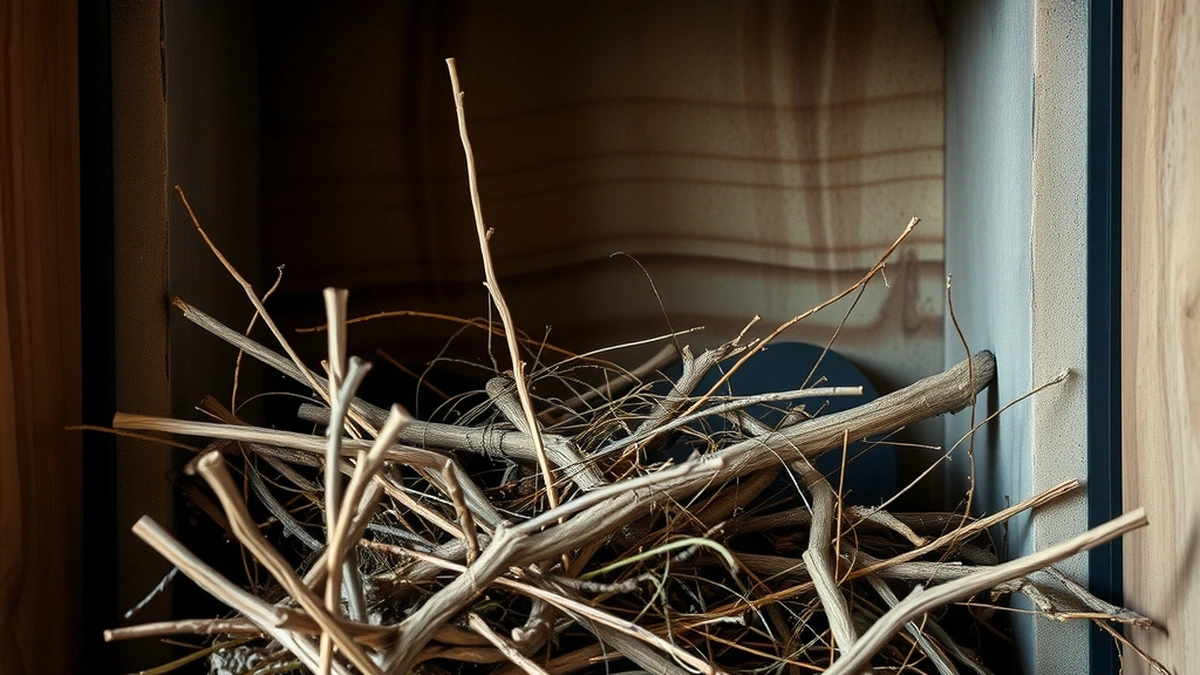
The warning signs of a nest are scratching or flapping in the flue, debris in the firebox or on the roof, a smoky smell in summer, poor draught, and birds entering the stack. Any of those means no fire until the flue has been cleared.
- Sweep and removal
- $150 - $400
- Inspection
- $150 - $800
- Cap
- $150 - $600
- Liner if damaged
- $1,500 - $4,000
- Crown repair
- $400 - $1,500
Some links on this page are affiliate links.If you buy through them we may earn a commission at no extra cost to you. We do not accept payment for rankings. Read the full disclosure.
The clearest sign of an animal in a chimney is noise: scratching, flapping, or chirping from inside the flue, often in the early morning. Debris in the firebox and birds entering the stack confirm it. Until the flue is cleared, the appliance should not be used.
The signs, in order of reliability
| Sign | What you notice | What it means |
|---|---|---|
| Scratching or flapping | Sound from the flue | Live animal present |
| Debris in the firebox | Twigs, grass, feathers | Nest material falling |
| Birds at the stack | Entering and leaving | Active nesting |
| Smoky smell in summer | Soot smell in warm weather | Nest or creosote |
| Poor draught | Smoke on light-up | Partial blockage |
| Droppings on the roof | Staining near the stack | Roosting or nesting |
| Debris in the grate after rain | Wet nesting material | Nest above the smoke shelf |
Two or more of those is enough to stop using the appliance and book a removal.
Noise
Scratching and flapping are the most reliable indicators, because they come from inside the flue.
Timing helps identify the animal. Birds are most active at dawn and during the day. Squirrels are active early. Raccoons are nocturnal, and a scratching sound at night is more likely a mammal.
Do not assume silence means an empty chimney. A nest can sit in the flue for months without noise, particularly in winter.
Debris in the firebox
Nesting material falls when it is disturbed or when it dries out.
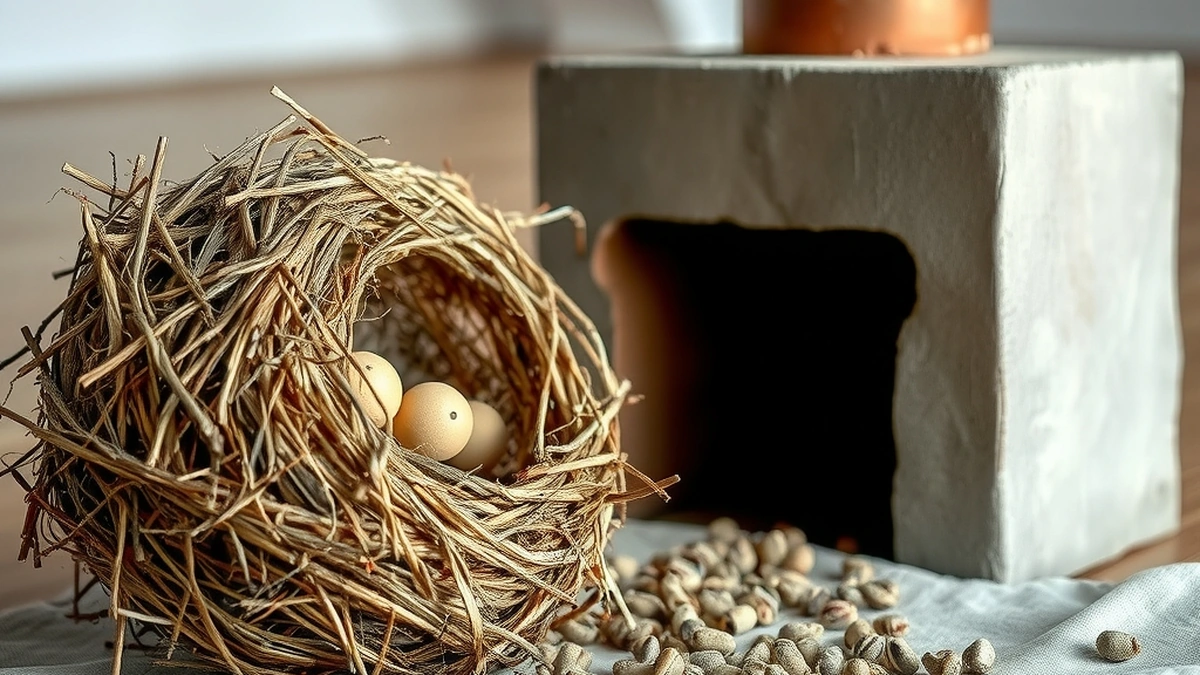
Twigs, dry grass, feathers, and droppings in the firebox or on the smoke shelf mean something has been built above.
Clear it out with gloves and a bag rather than a domestic vacuum, because droppings and dust carry disease. Then book the removal and sweep.
The summer smell, and draught
A soot or smoky smell in the house during warm weather, when the appliance is not in use, is a classic sign.
Warm air in the house rises, the flue is cooler, and the flow reverses, drawing smells down from the flue. A nest holds soot and moisture and makes the smell stronger.
The same smell can come from creosote or from a damper left open. The inspection distinguishes them.
Draught and smoke.
A partial blockage reduces the flue’s effective area, so the appliance draws poorly.
Symptoms include smoke spilling on light-up, a fire that will not establish, and soot staining above the stove door.
Those are also symptoms of downdraft and of a cold flue, so the diagnosis needs the other signs. A nest plus poor draught is a blockage; poor draught alone may be a pressure problem.
There is a simple check that separates them. Open the firebox door on a cold morning and hold a lit match near the flue opening. A steady pull toward the flue means the chimney is drawing; a lazy or reversed flame means it is not. Do this only when no fire is lit and no animal is present, and never as a substitute for an inspection.
What to do first, and what it costs
- Stop using the appliance.
- Keep the damper closed so animals cannot enter the room.
- Note the noises and the times they occur.
- Book a chimney professional for removal and a sweep.
- Have the flue inspected at $150 to $800 before the appliance is used again.
Step 5 is the one that catches damage. Nesting material holds moisture against the flue wall, and a season of that can crack clay tile.
While you wait for the appointment, keep a note of the noises and their timing. A recording on a phone is surprisingly useful, because it distinguishes an animal from wind rattle before anyone climbs onto the roof.
What it costs.
Removal and sweep: $150 to $400. Inspection: $150 to $800. Cap: $150 to $600, to prevent a repeat. Liner: $1,500 to $4,000 if the flue is damaged or blocked beyond clearing. Crown repair: $400 to $1,500 if the top is also failing.
The cap is the item that stops the cycle. Without it, the same flue is open to the same animals next season, and the second removal costs the same as the first.
Signs that are not animals
Four lookalikes are worth ruling out.
Wind rattle. Loose flashing or a loose cap rattles in gusts rather than scratching irregularly.
Settling noises. A house ticks and creaks as it cools. The sound comes from the structure, not the flue.
Creosote flaking. Dry deposits fall into the firebox as black, brittle flakes rather than twigs and grass.
Bats. Bats in a flue are usually silent by day and active at dusk, and they are protected in many jurisdictions. That changes the removal approach, which is another reason to use a professional.
When the flue needs more than a sweep
Three conditions point past cleaning.
The tile is cracked or spalled, which the inspection camera shows.
Debris is bonded to the flue wall and cannot be brushed out.
The flue is the wrong size for the appliance, which affects draught independent of any nest.
All three are venting issues, and a stainless liner at $1,500 to $4,000 is the usual repair. That decision belongs with a qualified chimney technician.
Prevention after the removal
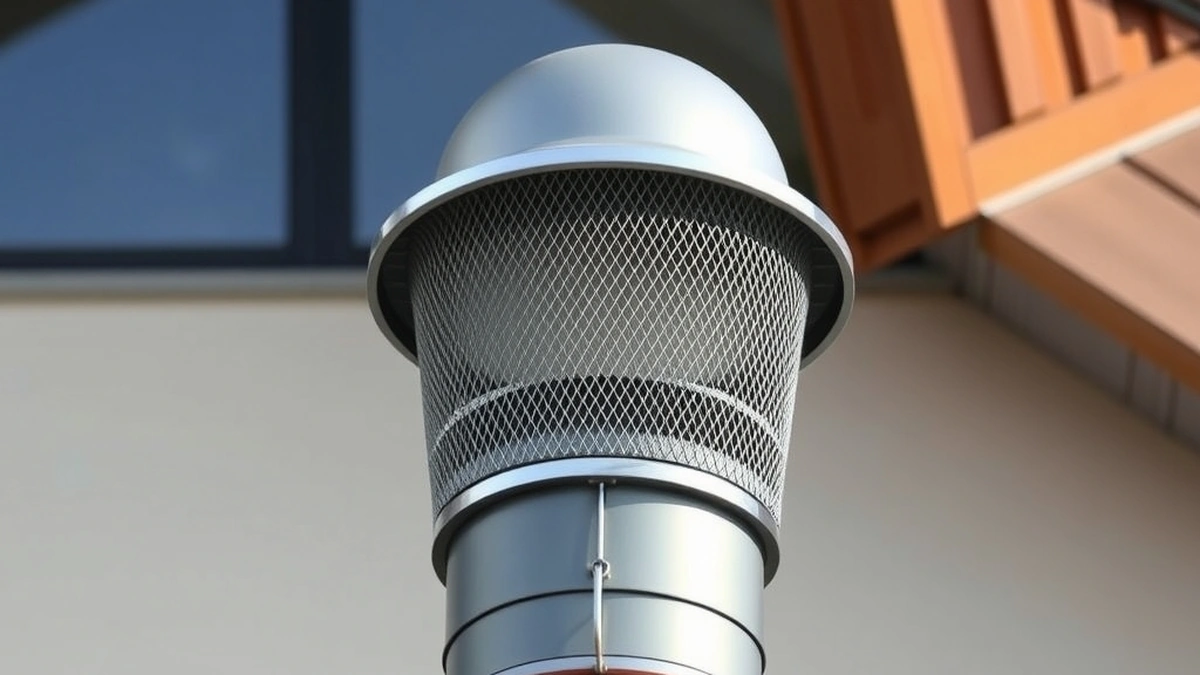
Fit a mesh cap at $150 to $600 and check it each spring. That single item is the whole prevention strategy for animals.
Our animal nests repair guide covers removal, animal nests prevention covers the cap and the yearly check, and chimney maintenance covers the wider routine.
Frequently asked questions
How do I know if there is a bird in my chimney?
Flapping or scratching sounds, particularly in the morning, debris falling into the firebox, and birds seen entering or leaving the top of the stack. Do not light a fire until it has been checked.
Why does my chimney smell smoky in summer?
A nest or debris holds soot and moisture, and warm weather draws the smell down into the house. It can also be creosote, so an inspection is the way to tell.
Is scratching in the chimney always an animal?
Usually. Loose flashing and a loose cap can also rattle in wind, but scratching that is irregular and comes from inside the flue points to an animal.
Can I use the fireplace with a nest in the chimney?
No. A nest blocks the flue, so smoke and combustion products come into the room, and the nesting material is combustible. Clear it first.
Do nests cause chimney fires?
They can. Nesting material is dry and combustible, and it sits above the fire in a flue that may already have creosote. That combination is why clearance comes before use.
Who removes a nest?
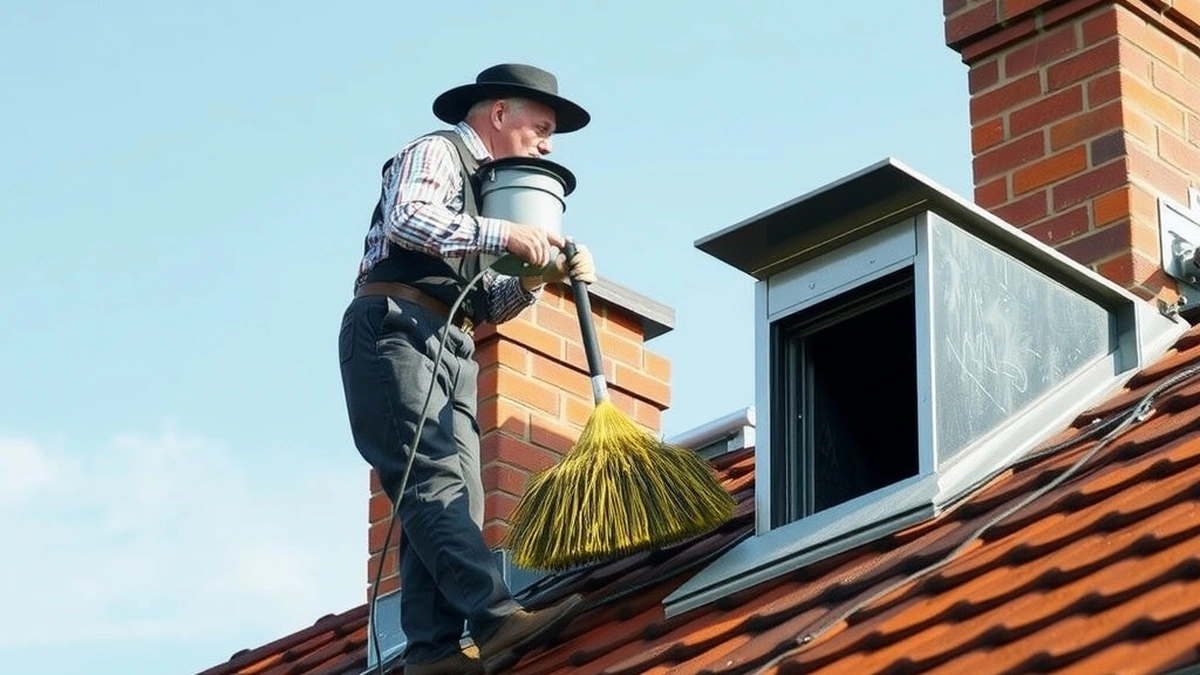
A chimney professional, working with wildlife advice where the species is protected. Removal from a roof is not a homeowner job.
Sources
Some links are affiliate links.If you buy through them we may earn a commission at no extra cost to you. We do not accept payment for rankings. Read the full disclosure.