
Compare guides
Compare the options for chimney.
Stainless relining vs Cast-in-place liner
The two options buyers compare most in this category solve the same problem at different price points and with different failure modes. The honest comparison is cost per year of service, not sticker price.
| Question | Stainless relining | Cast-in-place liner |
|---|---|---|
| Installed cost | $150–$400 | $150–$800 |
| Expected life | See the method guide | See the method guide |
| Maintenance | Lower | Higher or lower by exposure |
| Best for | Most residential jobs | Where the first option does not fit |
What the comparison hides
Two traps. First, comparing a premium material installed without prep against a mid-range material installed properly — the cheap install fails first. Second, comparing a five-year cost for one option with an installed price for the other. Normalise both to cost per year before deciding.
The cost hub has the line items, the methods hub explains the failure modes, and the contractor hub covers how to read the quote.
Is the more expensive option worth it?
When the exposure is hard on the cheaper material, or when re-doing the job would cost more than the difference. Otherwise no.
Can the two be combined?
Sometimes — a premium surface over a repaired base is a common compromise. Ask what warranty covers the combination.
All compare guides
Cast-in-place liner vs crown rebuild
A cast-in-place liner rebuilds the flue from inside; a crown rebuild replaces the top of the stack at $400-$1,500. Different jobs, often planned together.
Read the guide →
Cast-in-place liner vs flashing repair
Cast-in-place lining rebuilds the flue; flashing repair seals the roof line at $400-$1,500. A leak is almost always a flashing question, not a liner question.
Read the guide →
Cast-in-place liner vs stainless relining: which fits
Cast-in-place versus stainless chimney relining compared on cost per foot, bore size, sealing, install time, and the flue conditions that decide between them.
Read the guide →
Cast-in-place liner vs tuckpointing
Cast-in-place lining rebuilds the flue; tuckpointing renews mortar joints at $400-$1,500. Why a wet chimney often needs the masonry fixed before the flue.
Read the guide →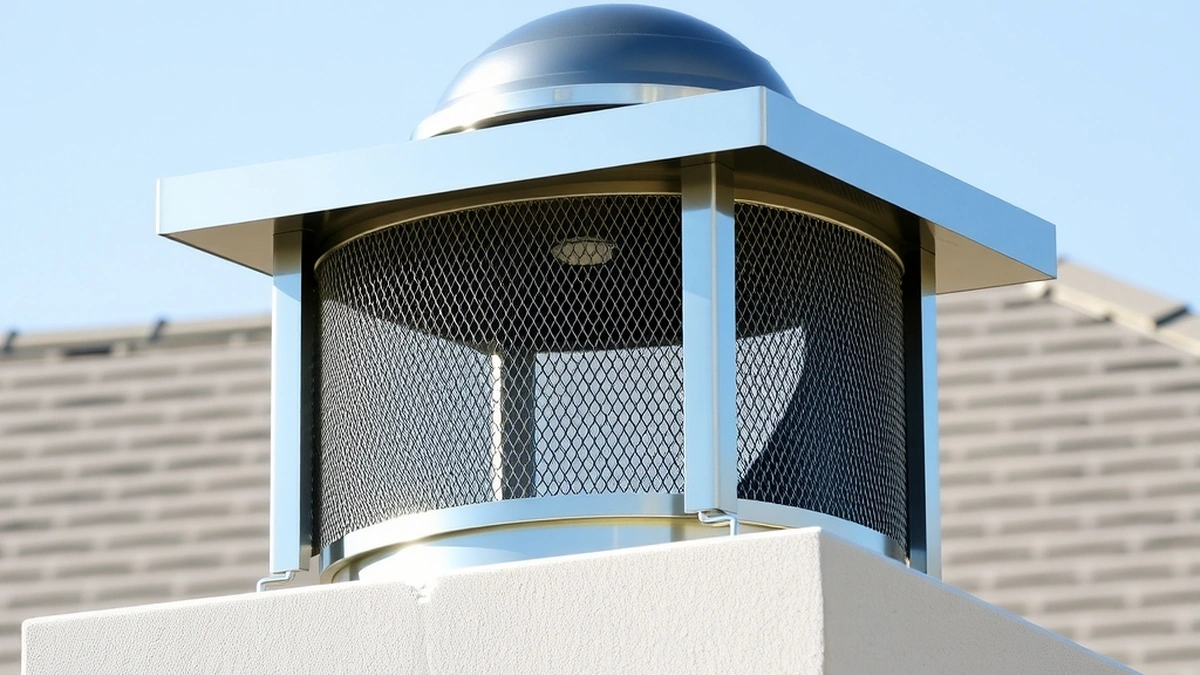
Chimney Cap with Mesh Screen: Buying Guide and Costs
Compare mesh screen chimney caps by material, fit, and cost. Learn what to expect for installation and maintenance.
Read the guide →
Chimney vs chimney sweep: what each one means
A chimney is the structure that vents an appliance. A chimney sweep is the trade that cleans and inspects it. Here is where the two words overlap and where.
Read the guide →
Crown rebuild vs flashing repair
Two water paths at $400-$1,500 each: the crown at the top of the stack and the flashing at the roof line. How to tell which is leaking, and when both need work.
Read the guide →
Crown rebuild vs Stainless relining
Crown rebuild vs Stainless relining: practical numbers, costs, and trade-offs, written independently.
Read the guide →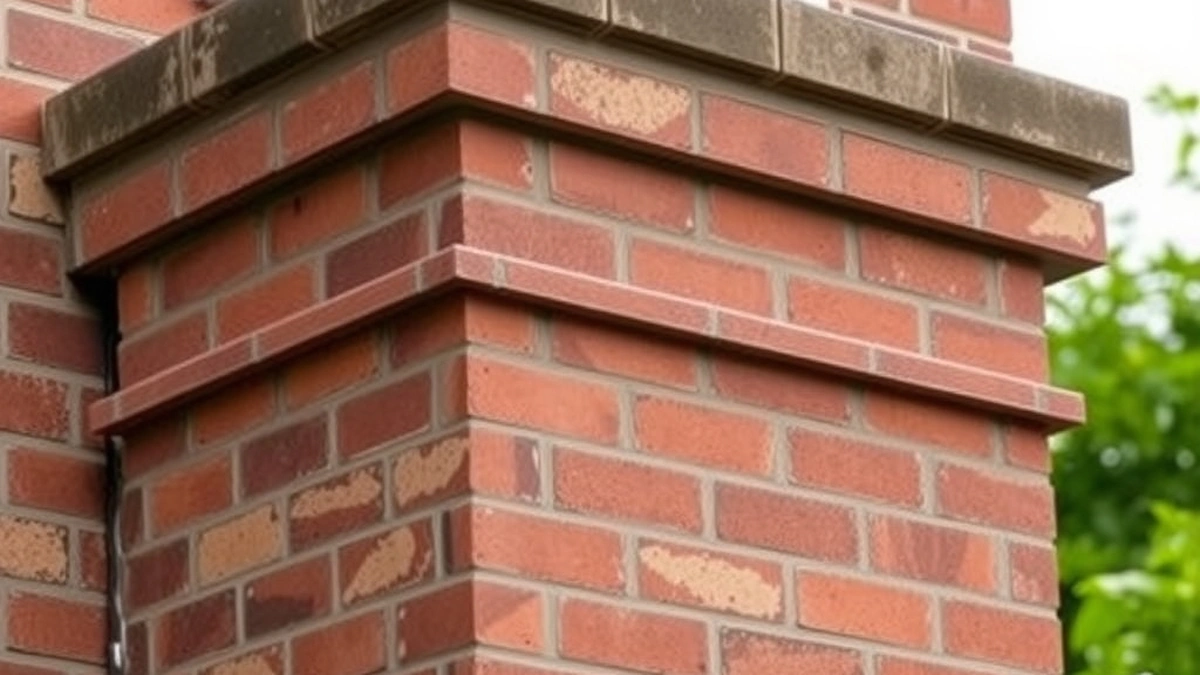
Crown rebuild vs tuckpointing
Crown rebuild replaces the top of the stack at $400-$1,500; tuckpointing renews mortar joints at $400-$1,500. Both masonry, different failures, fixed in order.
Read the guide →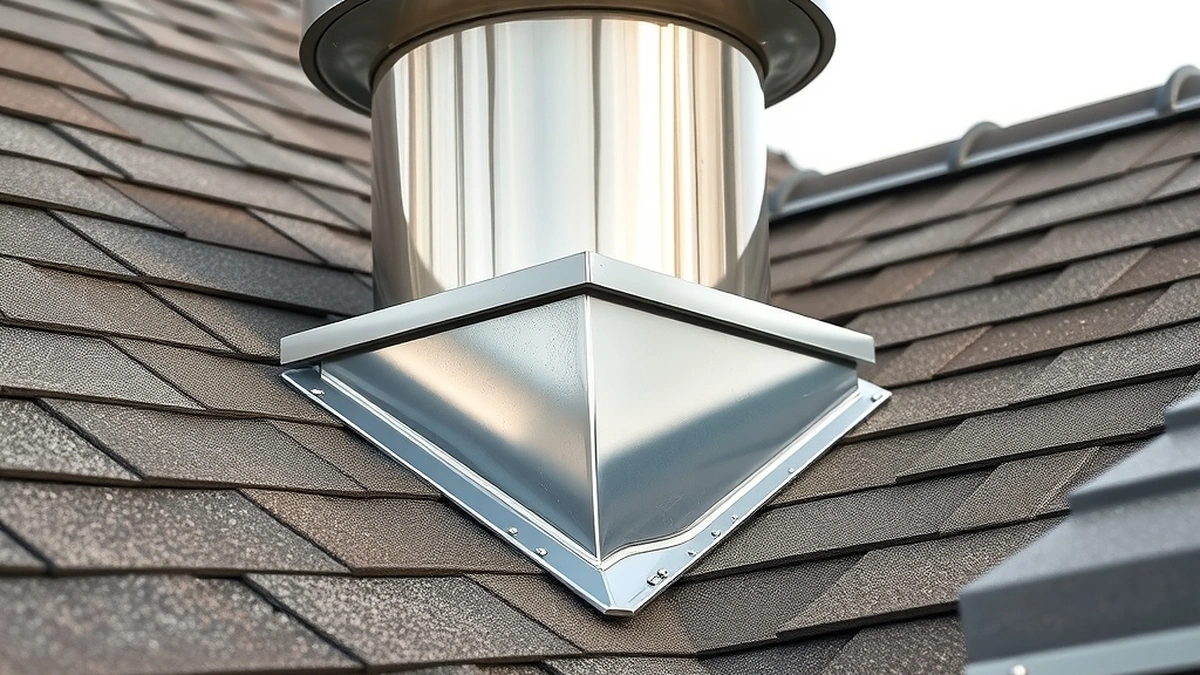
Flashing repair vs stainless relining
Flashing keeps water out at the roof line; a stainless liner carries exhaust. Different defects, $400-$1,500 against $1,500-$4,000, and why neither substitutes.
Read the guide →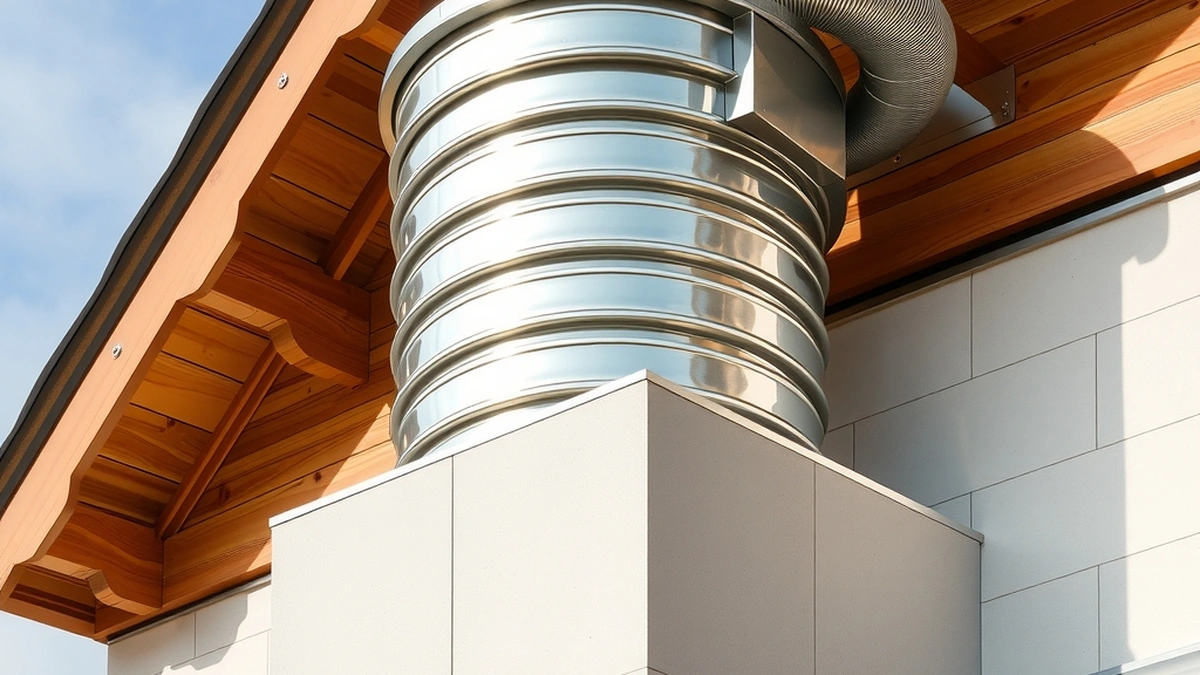
Stainless relining vs cast-in-place liner
Stainless liners cost $1,500-$4,000 and install in a day; cast-in-place liners rebuild the flue from inside. Compare life, cost, and which flue suits which.
Read the guide →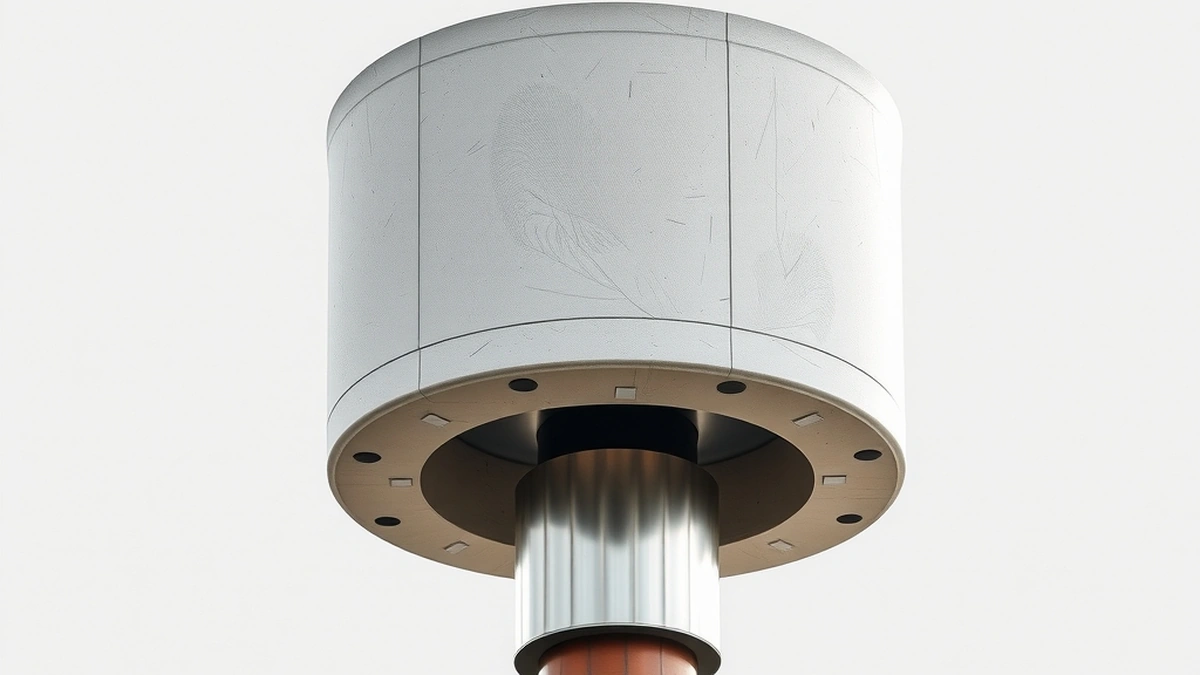
Stainless relining vs crown rebuild
Relining fixes the flue at $1,500-$4,000; a crown rebuild fixes the top of the stack at $400-$1,500. Different defects, often needed together.
Read the guide →
Stainless relining vs flashing repair
Relining fixes the flue at $1,500-$4,000; flashing repair seals the roof line at $400-$1,500. Two repairs that are constantly confused when a chimney leaks.
Read the guide →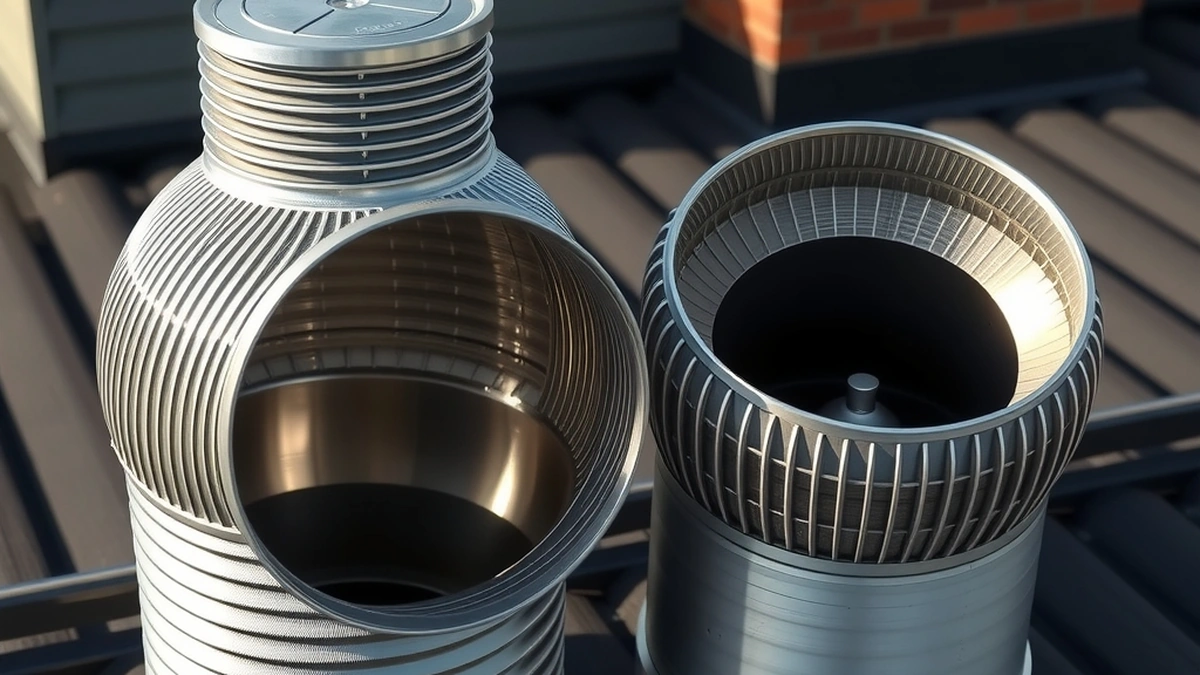
Stainless relining vs stainless relining: two bids
Two stainless relining quotes can describe different jobs at the same price. Here is how to compare alloy, wall thickness, sizing, and termination line by line.
Read the guide →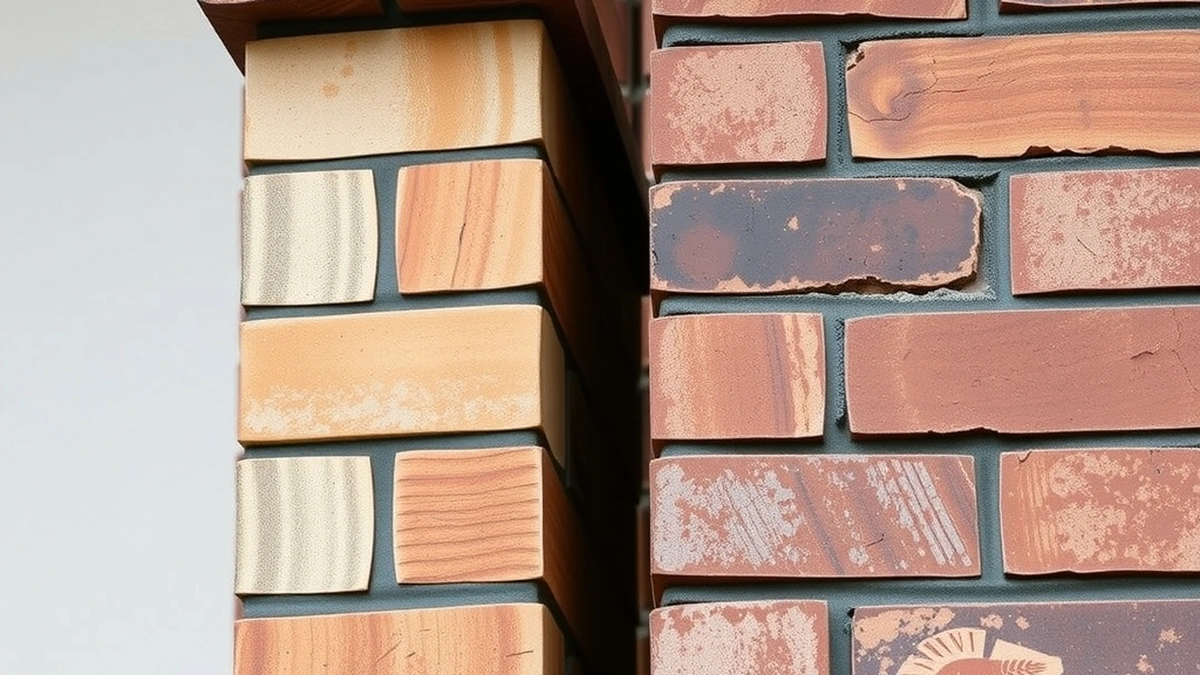
Stainless relining vs tuckpointing
Relining repairs the flue at $1,500-$4,000; tuckpointing repairs mortar joints at $400-$1,500. Which symptom points to which, and why order matters.
Read the guide →
Tuckpointing vs Flashing repair
Tuckpointing vs Flashing repair: practical numbers, costs, and trade-offs, written independently.
Read the guide →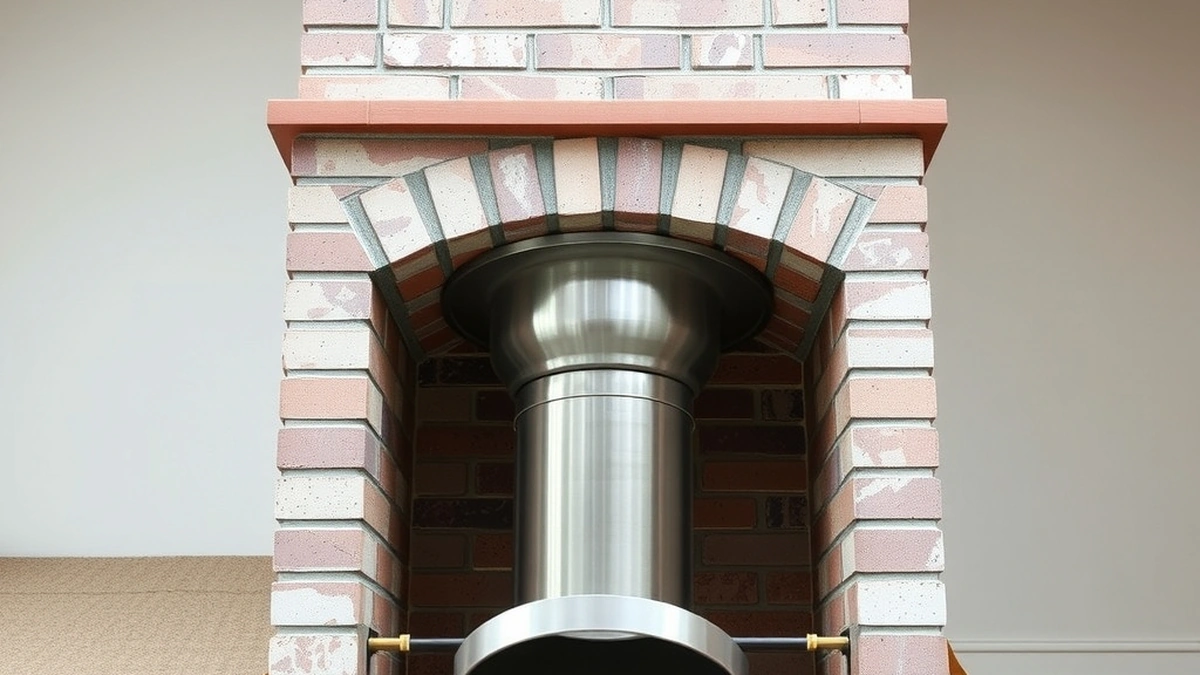
Tuckpointing vs stainless relining: two systems
Tuckpointing repairs the masonry skin; stainless relining repairs the flue. Different defects, different costs, and why one never substitutes for the other.
Read the guide →