Animal nests: repair options for a blocked flue
A nest blocks draught and is a fire risk. Repair options: professional removal, a sweep at $150-$400, a cap at $150-$600, and a liner if the flue is damaged.
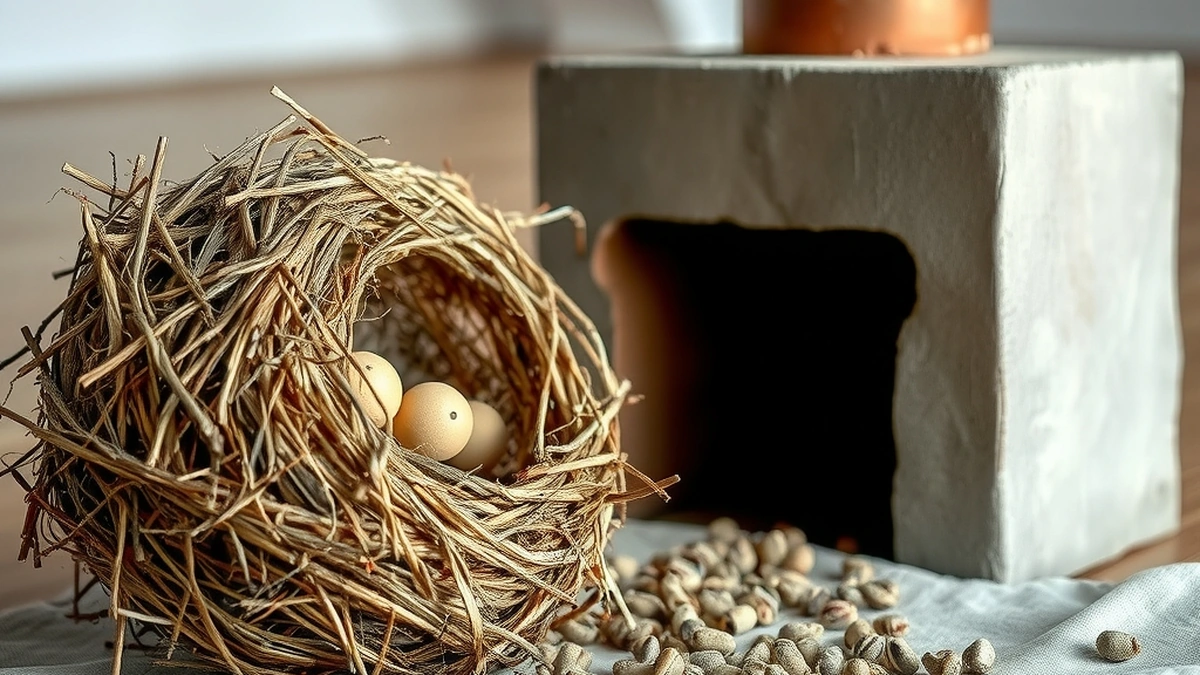
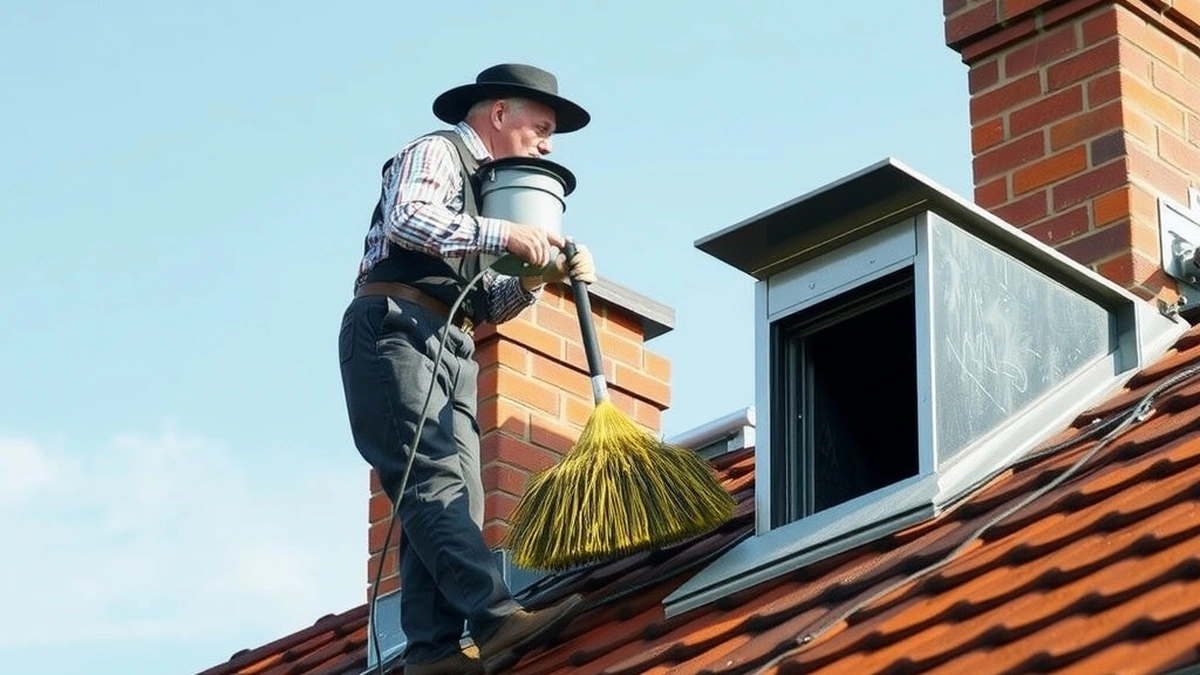
A nest is removed by a chimney professional, then the flue is swept at $150 to $400 and fitted with a cap at $150 to $600. If the nest has damaged the liner, an inspection at $150 to $800 establishes whether a liner at $1,500 to $4,000 is needed.
- Sweep and removal
- $150 - $400
- Inspection
- $150 - $800
- Cap with mesh
- $150 - $600
- Stainless liner
- $1,500 - $4,000
- Crown repair
- $400 - $1,500
Some links on this page are affiliate links.If you buy through them we may earn a commission at no extra cost to you. We do not accept payment for rankings. Read the full disclosure.
A nest in a chimney is removed by a chimney professional, the flue is then swept at $150 to $400, and a cap at $150 to $600 prevents a repeat. If the nesting material has damaged the liner, or the flue is blocked, an inspection at $150 to $800 establishes whether a stainless liner at $1,500 to $4,000 is needed.
What gets into a chimney
Four animals account for most blockages.
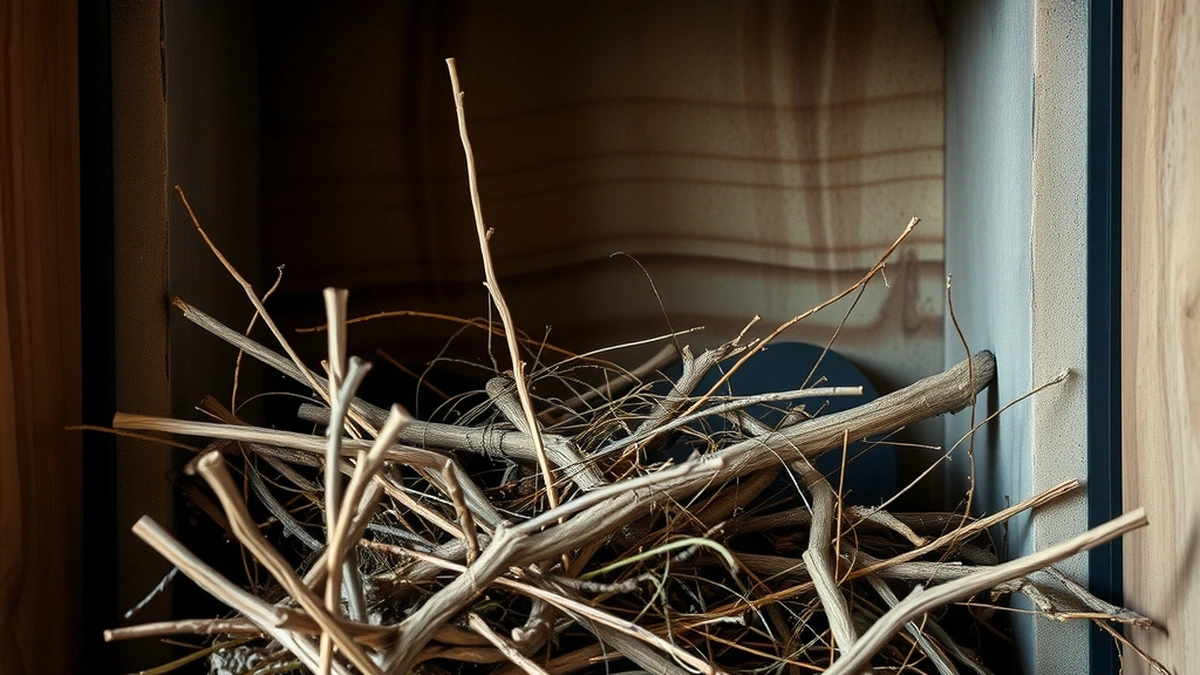
Birds, especially starlings and jackdaws, nest in the flue or on the smoke shelf. Their nesting material is dry grass and twigs.
Squirrels gnaw their way in and nest in the flue or the firebox.
Raccoons favour an uncapped chimney with a wide flue, and their droppings carry a parasite risk that makes professional removal important.
Bats are protected in many jurisdictions, and removing them requires advice rather than a brush.
The species matters for the removal method, which is why this is not a DIY job.
What the repair involves, and why burning it out fails
| Stage | What happens | Cost |
|---|---|---|
| Removal | Nest, debris, and animal handled safely | Within the sweep |
| Sweep | Flue brushed and vacuumed | $150 - $400 |
| Inspection | Flue condition, camera if needed | $150 - $800 |
| Cap with mesh | Prevents re-entry | $150 - $600 |
| Liner | If the flue is damaged | $1,500 - $4,000 |
| Crown repair | If the top is also failing | $400 - $1,500 |
The order matters. Sweeping before inspection is normal; the inspection is what tells you whether the sweep was enough.
Why you cannot just burn it out.
A nest blocks the flue. Lighting a fire underneath it does three bad things.
It drives smoke and combustion products back into the room, because the exhaust has nowhere to go.
It can ignite the nesting material, and the fire then has a flue full of creosote above it.
It can push burning material onto the roof.
The nest comes out first, then the flue is swept, then the appliance is used.
The damage a nest can leave
Nesting material holds moisture against the flue wall. Over a season, that can accelerate deterioration of clay tile.
Nesting material also carries corrosive droppings, particularly from birds and raccoons.
An inspection after removal checks three things: whether the flue is clear, whether the tile is sound, and whether the appliance still vents correctly.
If the tile is cracked or the flue is blocked by debris that cannot be cleared, a liner at $1,500 to $4,000 is the repair. That is a venting decision, and it belongs with a qualified chimney technician.
Worked totals
A nest with a sound flue: removal and sweep $150 to $400, inspection $150 to $800, cap $150 to $600. Total $450 to $1,800.
Add a crown repair because the top was also failing: $850 to $3,300.
Add a liner because the tile was damaged: $2,350 to $5,800.
The cap is the line that prevents the second visit. Without it, the same chimney is available to the same animals next spring.
When you book the work, ask for three things in one visit: removal, sweep, and inspection. Splitting them across three appointments costs more in callout time than it saves, and the inspection is only meaningful once the flue is clear.
A short brief to the technician should cover:
- What you have heard, and at what time of day.
- Whether debris has fallen into the firebox.
- How long the chimney has been uncapped.
- Whether the appliance has been used since the noises started.
- Whether you have seen birds or animals at the stack.
Those five answers tell the technician what equipment to bring and whether a protected species is involved.
Choosing a cap that works
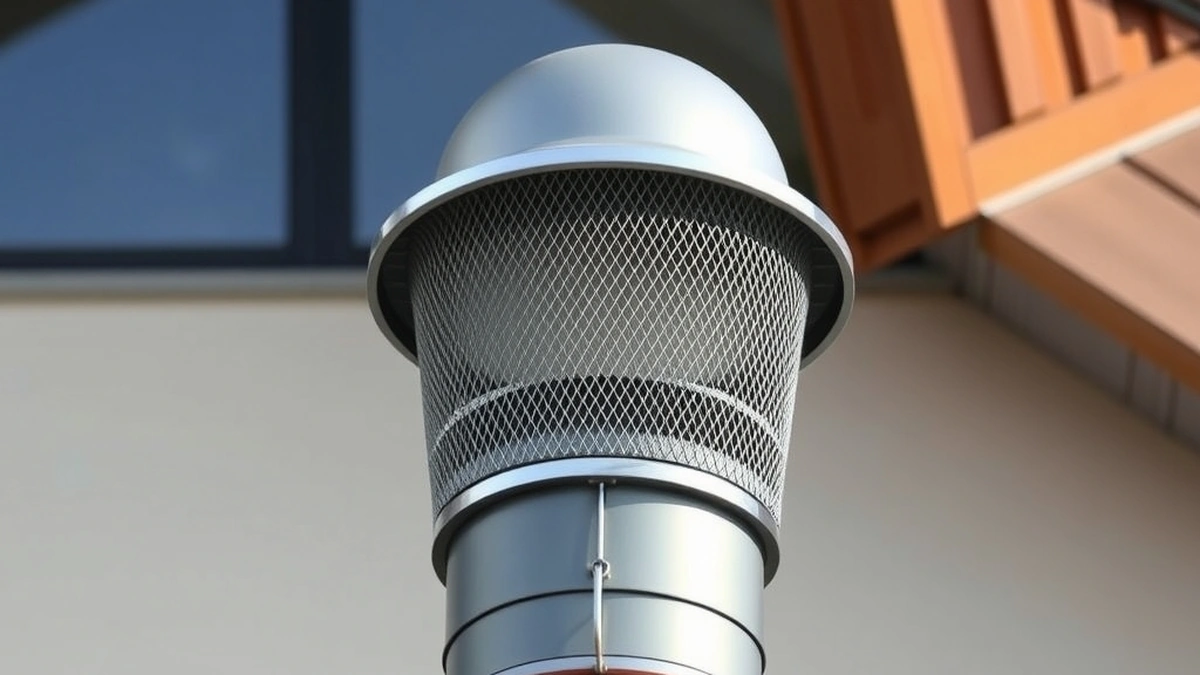
A cap has to do three things: keep rain out, keep animals out, and allow the flue to breathe.
Mesh size is the detail that matters for animals. A cap with wide mesh keeps out raccoons but not starlings. A cap with fine mesh keeps out both and can clog with creosote and lint, which is its own problem.
A cap that is too restrictive affects draught, particularly on a wood appliance. That is why the cap should be sized for the flue and the appliance rather than picked off a shelf.
Installation runs $150 to $600, and it is the highest-value item on this page.
What not to do
Three responses make the problem worse.
Blocking the flue from below to keep animals out. That traps them, and a trapped animal dies in the chimney.
Using a shop vac on nesting material without protection. Droppings and dust carry disease, and a domestic vacuum will spread it through the house.
Relighting the appliance before an inspection. The flue may be partly blocked or damaged, and the first fire is when a problem becomes dangerous.
When the flue needs a liner
Three conditions point to relining after a nest.
The clay tile is cracked or spalled, which an inspection camera shows.
Debris cannot be fully cleared because it has compacted or bonded to the flue wall.
The flue is the wrong size for the appliance, which is common in older chimneys that were built for open fires.
All three are venting issues. A sweep clears a blockage; a liner corrects the flue.
Prevention is one fitting
The cap is the whole prevention strategy for animals.
Fit one at $150 to $600, check it annually for rust and blockage, and the chimney stops being a nesting site.
Pair it with the annual inspection at $150 to $800, which catches a damaged cap before the next nesting season.
Our animal nests prevention guide covers the routine, and animal nests signs covers what to look for. For the flue side, see chimney liner cost.
Frequently asked questions
How do I get a nest out of my chimney?
Call a chimney professional. Removal has to deal with the animal if it is still present, the nesting material, and the flue condition afterward, and it is not a job to attempt from the roof.
Can I just light a fire to burn out a nest?
No. A nest is combustible and blocks the flue, so a fire can drive smoke into the house or ignite the nest and the creosote around it. Remove it first.
How much does nest removal cost?
Typically a sweep at $150 to $400 plus an inspection at $150 to $800. A cap at $150 to $600 prevents a repeat, and a liner at $1,500 to $4,000 is needed only if the flue is damaged.
Does a chimney cap stop birds and squirrels?
Yes, when it is fitted with mesh sized to the animal. A cap without mesh, or one that has rusted through, does not.
How do I know if there is a nest in the chimney?
Scratching or flapping sounds, debris on the roof or in the firebox, a smoky smell in summer, poor draught, and birds entering or leaving the top of the stack.
Is a nest a fire risk?
Yes. Nesting material is dry and combustible, and it sits in the path of the exhaust. It also blocks draught, which pushes smoke and combustion products back into the room.
Sources
Some links are affiliate links.If you buy through them we may earn a commission at no extra cost to you. We do not accept payment for rankings. Read the full disclosure.