
Problems guides
What goes wrong for chimney.
Symptoms first, quotes second
Most expensive chimney mistakes start with a symptom described to a salesperson. The table maps the common symptoms to their usual cause — the diagnosis a contractor should confirm before quoting.
| Symptom | Usual cause |
|---|---|
| Creosote build-up | Wood burning, stage 1–3 |
| Chimney leak | Flashing, crown or masonry |
| Downdraft and smoke | Height, cap or pressure |
| Spalling brick | Freeze-thaw and water |
| Animal nests | Open flue or missing cap |
What to document
- Photographs with something for scale, taken at the same angle over time.
- Dates: when it started, whether it changes with weather.
- Water: where it goes, where it pools, what it damages.
- Previous work: who did it, when, and with what material.
What not to do first
Do not accept a repair scope before the cause is named. Patching a symptom is how the same problem returns next season with a bigger invoice. The methods hub explains what each fix addresses; the cost hub shows what it should cost.
When is it an emergency?
When water is entering the structure, when something is structurally unstable, or when a safety system has failed. Everything else can wait for a second opinion.
Should I get an independent inspection?
For anything structural or over about $5,000, yes. A few hundred dollars for an independent report is cheaper than a wrong scope.
All problems guides
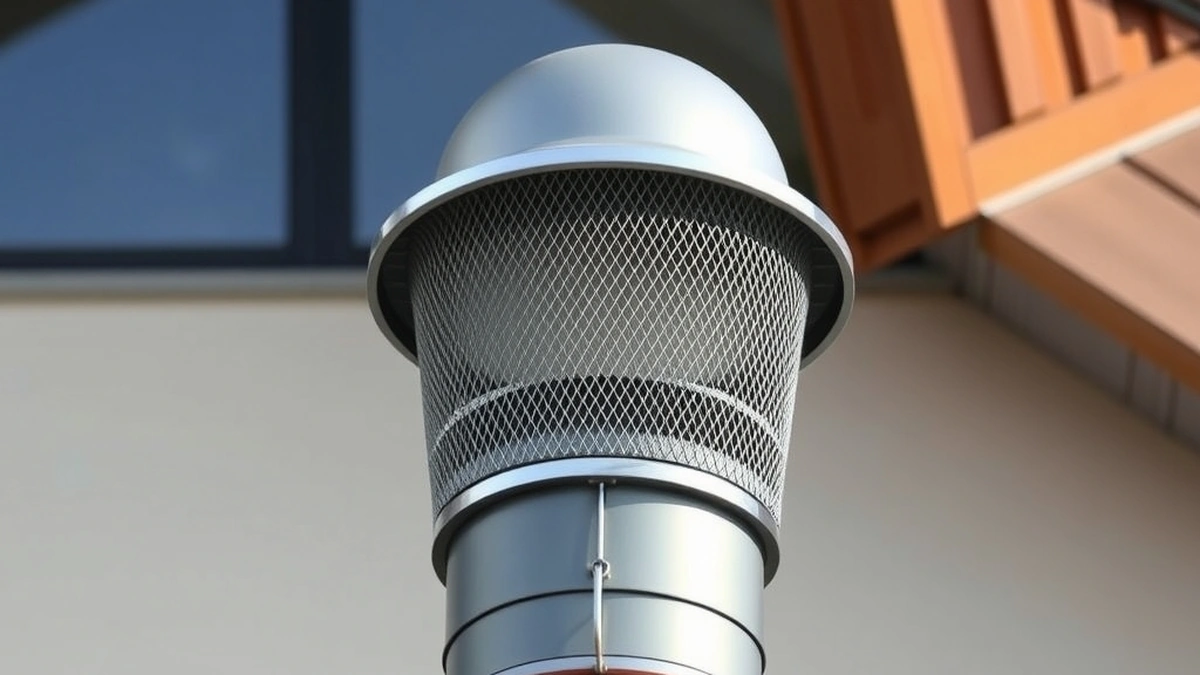
Animal nests: how to prevent them in a chimney
Prevent chimney nests with a mesh cap at $150 to $600, a yearly check, and prompt repair of rusted or missing fittings. Why a cap is the whole strategy.
Read the guide →
Animal nests: repair options for a blocked flue
A nest blocks draught and is a fire risk. Repair options: professional removal, a sweep at $150-$400, a cap at $150-$600, and a liner if the flue is damaged.
Read the guide →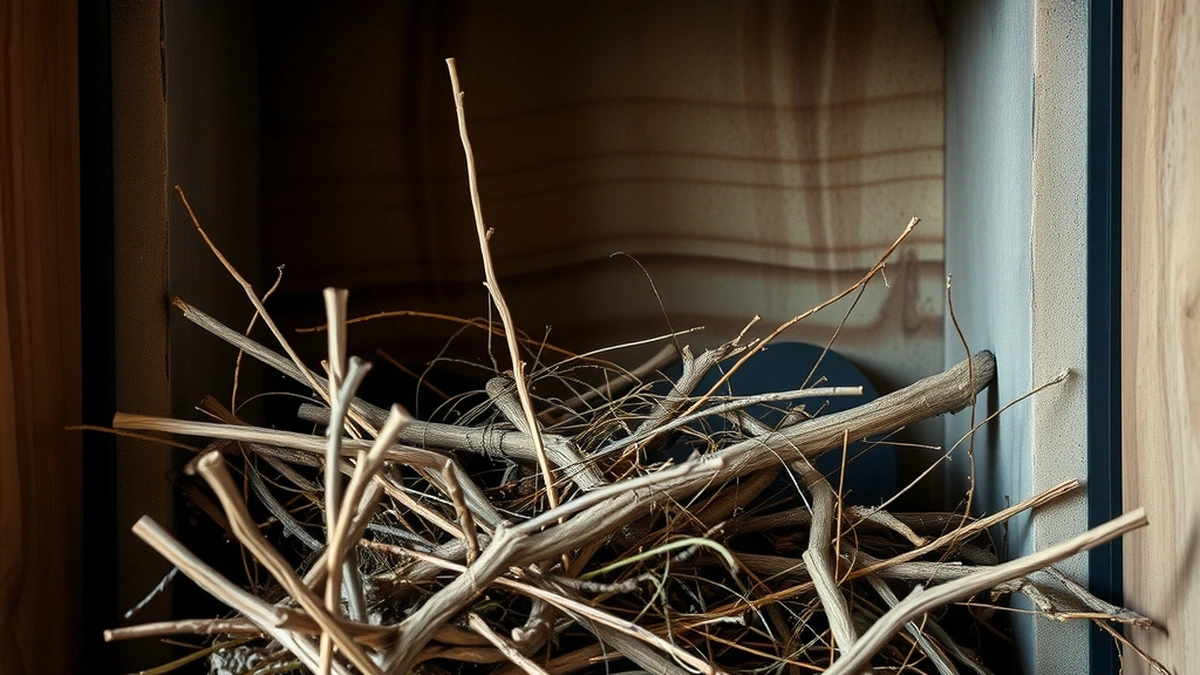
Animal nests: warning signs in a chimney
Signs an animal is in the chimney: scratching, debris in the firebox, a smoky smell in summer, poor draught, and birds entering the stack. What each means.
Read the guide →
Cast-in-place liner maintenance: a yearly routine
What a cast-in-place liner needs each year: the right brush, a top-end inspection, surface reading for dusting and staining, and when a fix becomes a reline.
Read the guide →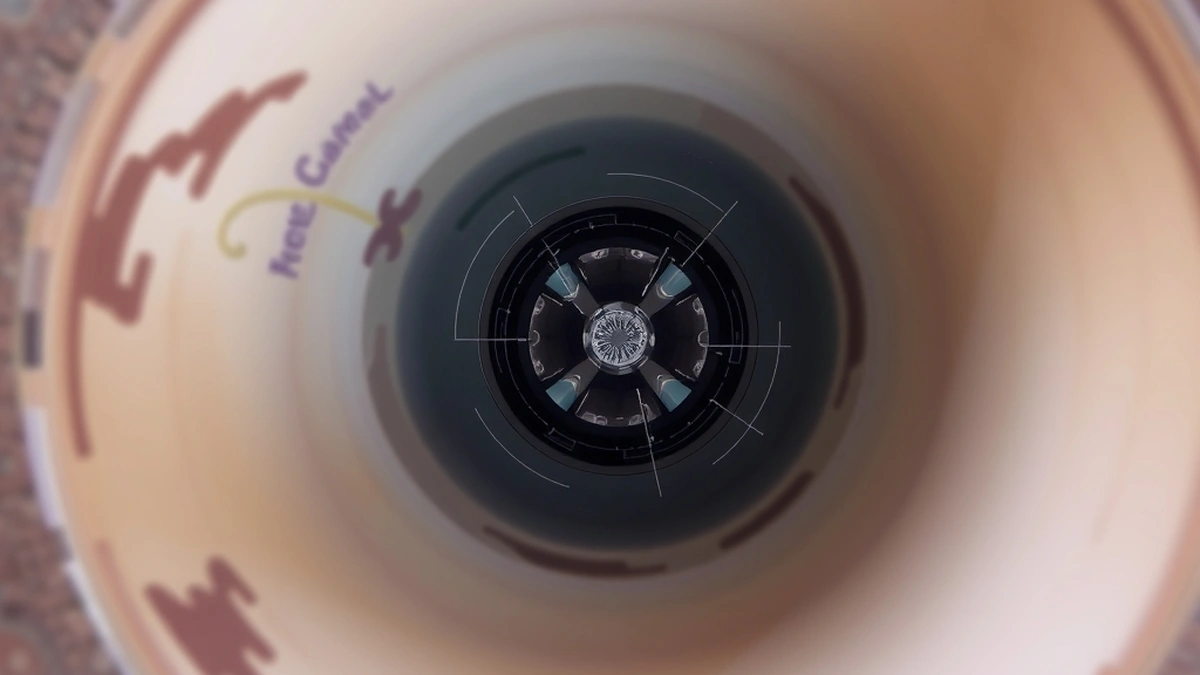
Cast-in-place liner problems: cracks, voids, and draft
The failures that show up after cast-in-place relining, why they happen, how a camera inspection finds them, and what each repair actually costs.
Read the guide →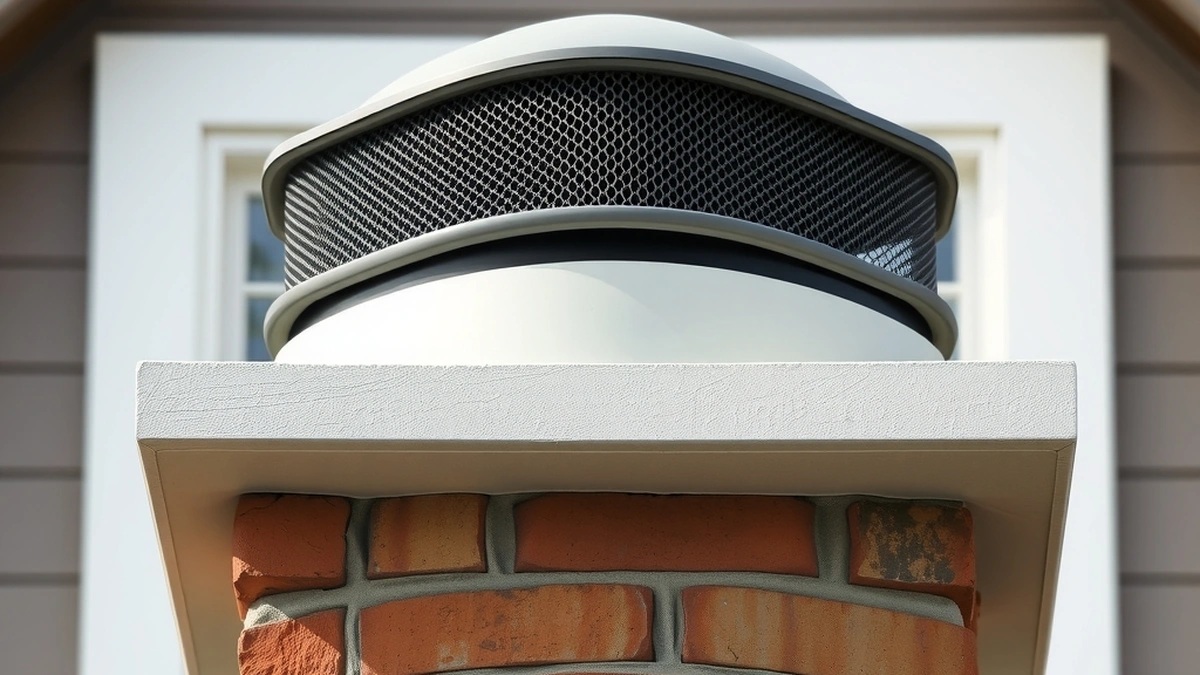
Chimney leak: how to prevent it
Prevent chimney leaks by keeping the cap, crown, and flashing sound and the masonry sealed. A yearly check and a $150-$600 cap stop most water damage.
Read the guide →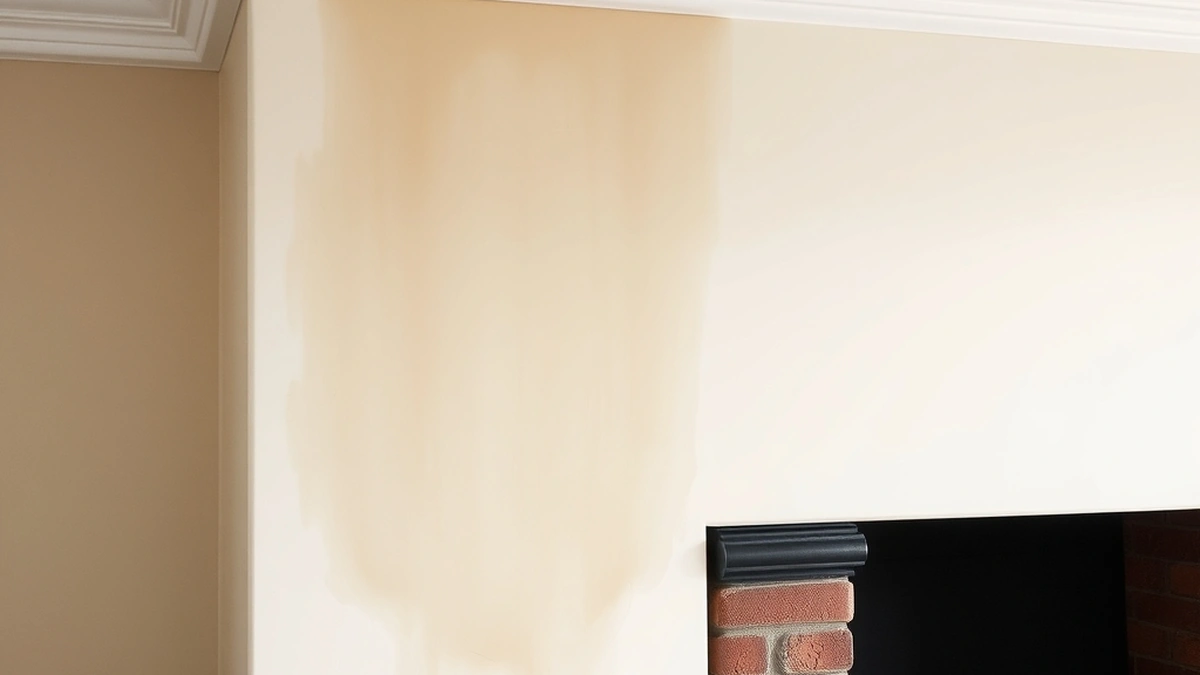
Chimney leak: warning signs and water paths
The signs a chimney is leaking: stains on the breast, damp masonry below the roof line, rust on the cap, and a leak that only appears in wind-driven rain.
Read the guide →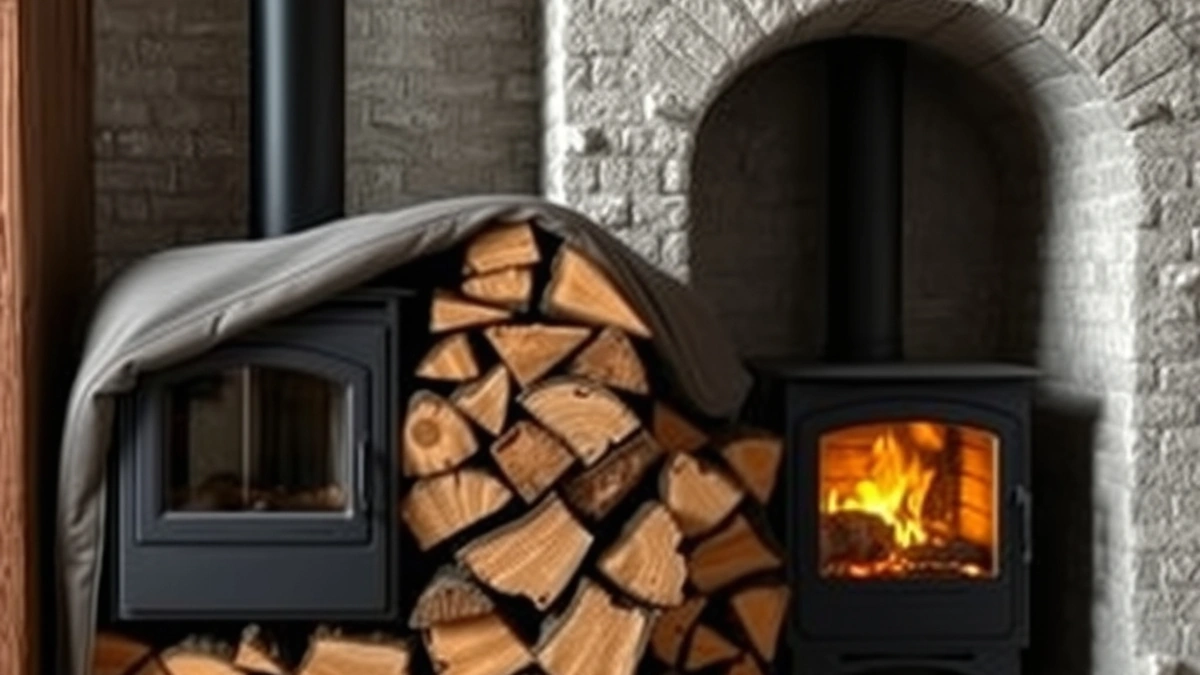
Creosote build-up: how to prevent it
Prevent creosote by burning dry wood, keeping the fire hot, warming the flue, and sweeping at an eighth of an inch. Four habits that keep deposits at stage 1.
Read the guide →
Creosote build-up: repair options by stage
Creosote repair runs from a $150-$400 sweep to a $1,500-$4,000 liner when glazed deposits have damaged the flue. What each stage needs and why.
Read the guide →
Creosote Build-Up Warning Signs
Learn the early warning signs of creosote buildup in your chimney to keep your home safe and avoid costly repairs.
Read the guide →
Crown rebuild maintenance: keeping it watertight
Yearly care for a rebuilt chimney crown: what to inspect at roof level, how often to refresh the sealant joint, and the signs that mean a repair is due.
Read the guide →
Crown rebuild problems: why new crowns fail
Why rebuilt chimney crowns crack and leak again: missing overhang, no bond break, bad slope, poor mix, and masonry movement below. Symptoms mapped to causes.
Read the guide →
Downdraft and smoke: how to prevent it
Smoke spilling into a room is a pressure and draught problem. How to prevent downdraft with flue warming, make-up air, a correct cap, and a technician's check.
Read the guide →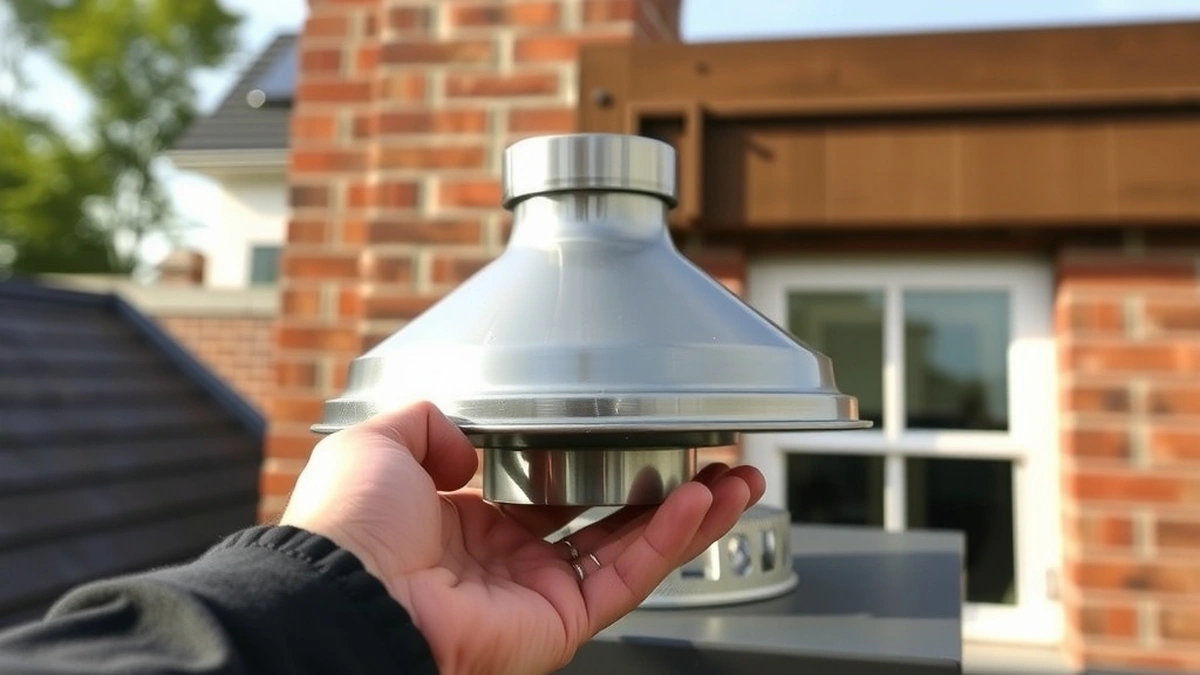
Downdraft and Smoke: Repair Options
Learn the common causes of chimney downdraft and smoke issues, and what repair options are available.
Read the guide →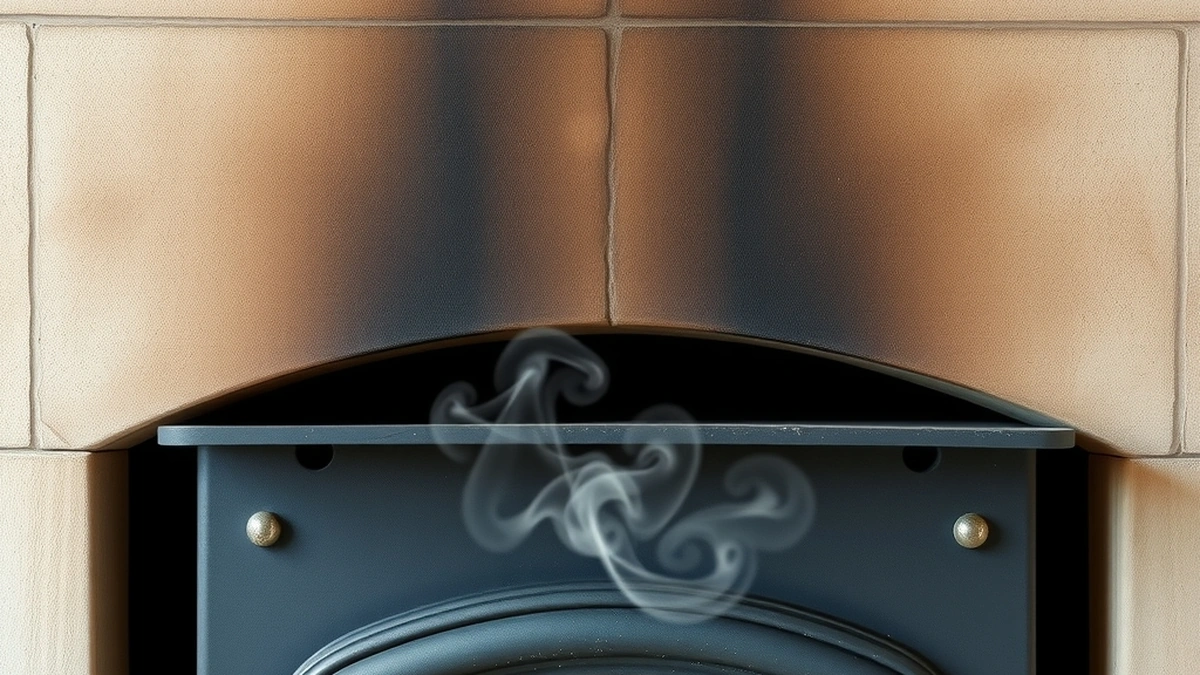
Downdraft and smoke: warning signs to act on
Signs of a draught problem: smoke on light-up, spillage when fans run, soot on the glass, and a smell of smoke in a cold room. What each points to.
Read the guide →
Flashing repair maintenance: the yearly check
Flashing needs a yearly look in autumn plus a check after storms. What to inspect from the ground and the signs that mean a roof-line visit.
Read the guide →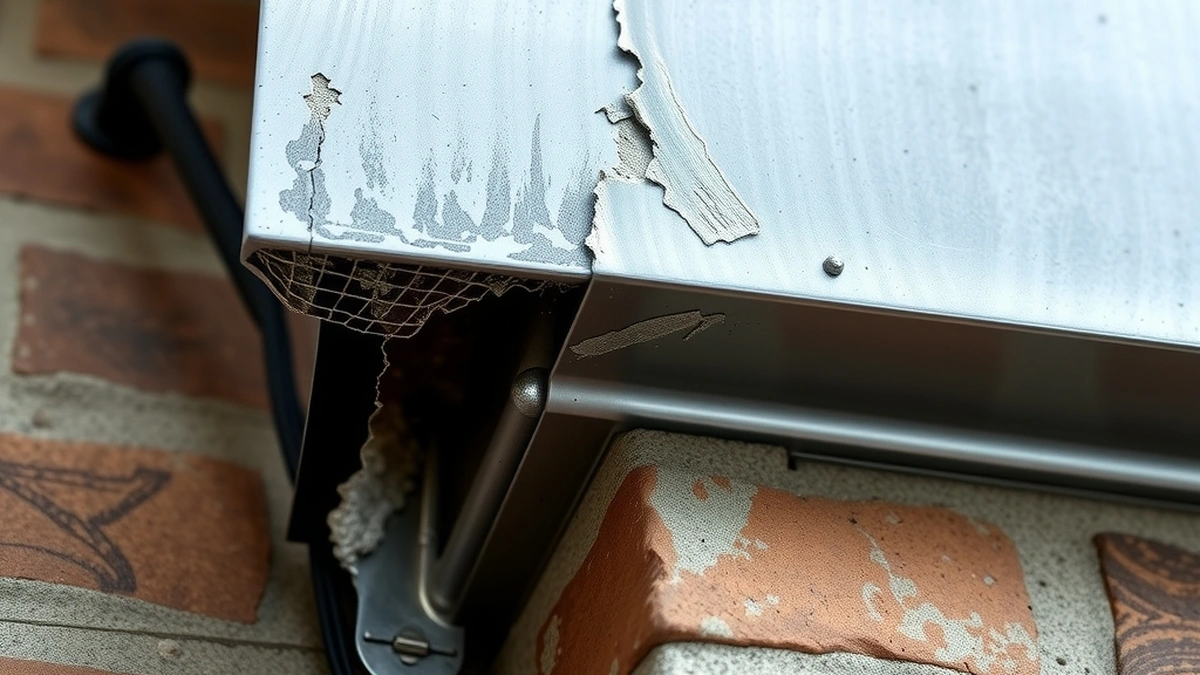
Flashing repair problems: why leaks persist
Why chimney flashing leaks after repair: sealant over failed metal, counter-flashing not cut in, wrong sequence, and hidden deck rot. The fixes and costs.
Read the guide →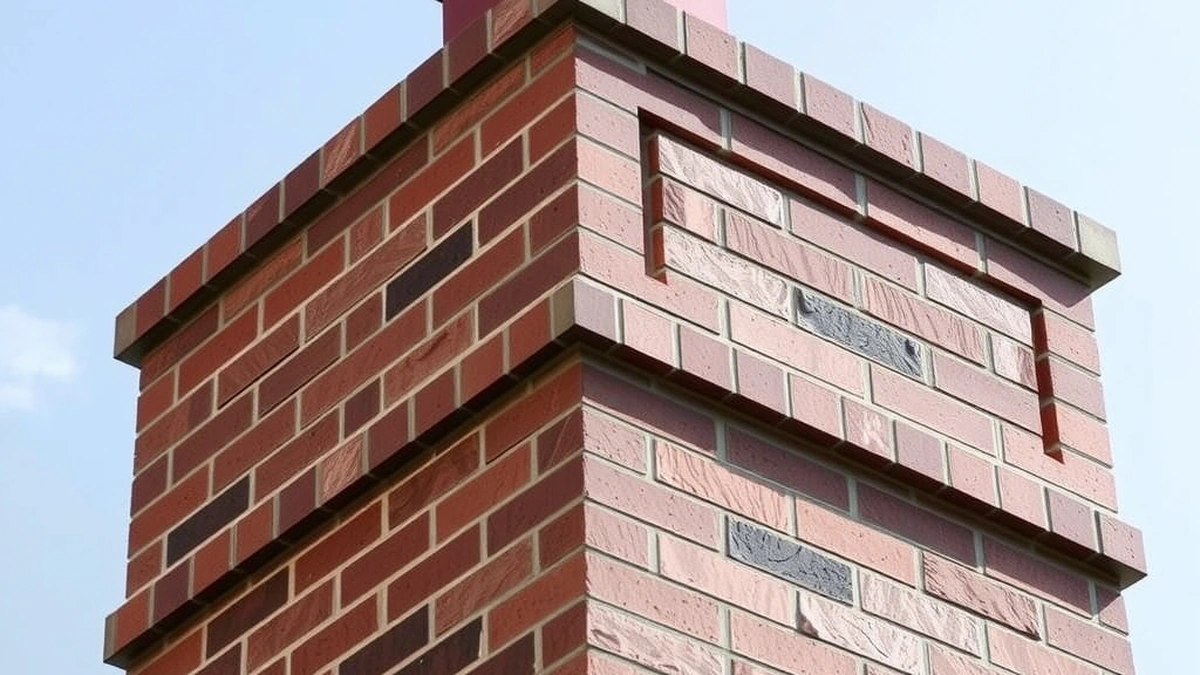
Spalling brick: how to prevent it
Prevent spalling by keeping water out of the brick: fix the crown, flashing, and cap, use soft mortar, and avoid film-forming sealers and paint.
Read the guide →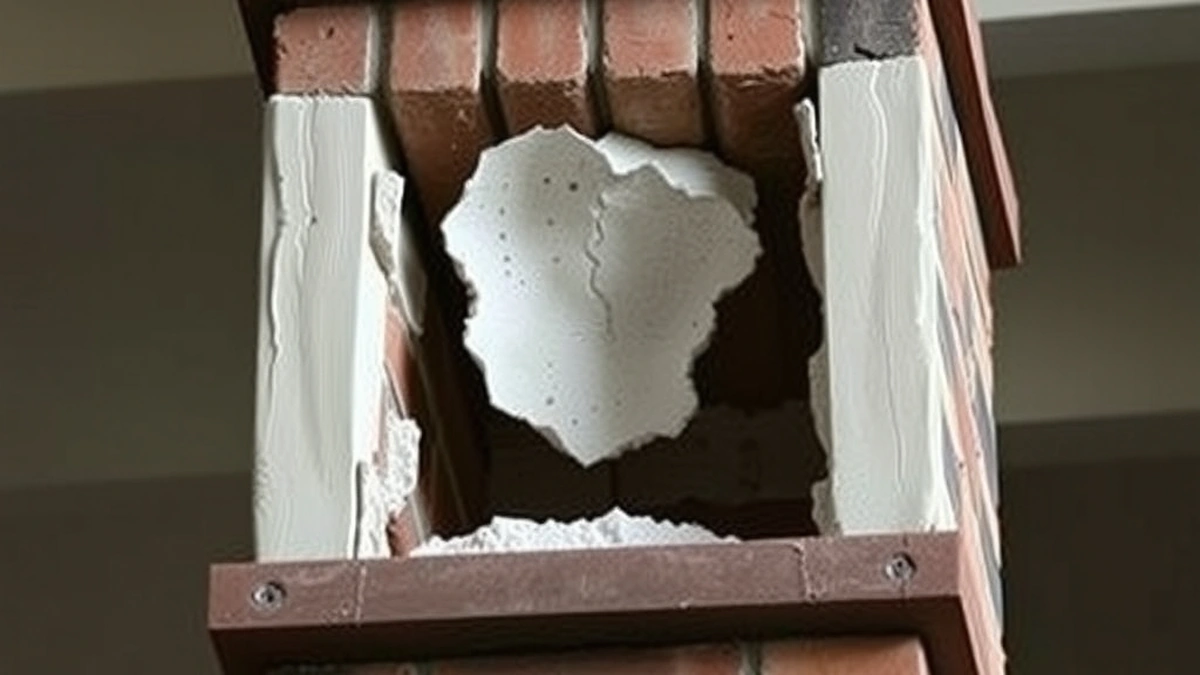
Spalling brick: repair options for a chimney
Spalled chimney brick is replaced, not painted. Repair options run from single-unit replacement with repointing to a partial rebuild at $5,000-$15,000.
Read the guide →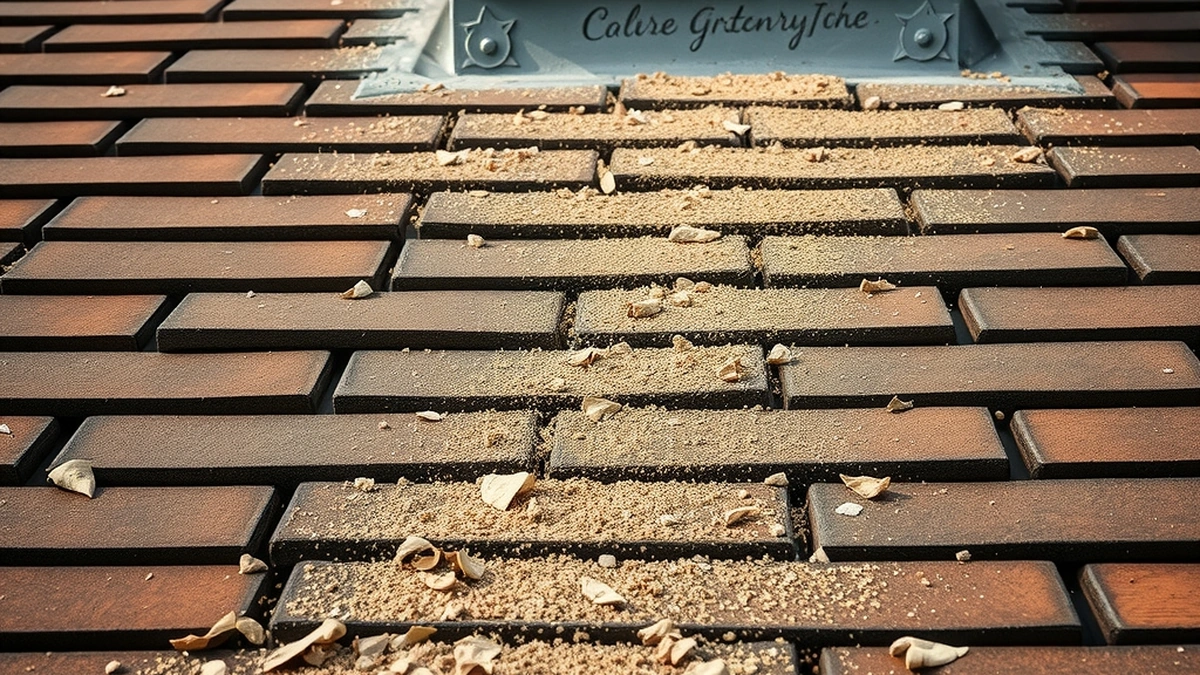
Spalling brick: warning signs to catch early
Early signs of spalling: brick dust on the roof, faces flaking in sheets, exposed inner brick, and white staining. What each stage means for repair cost.
Read the guide →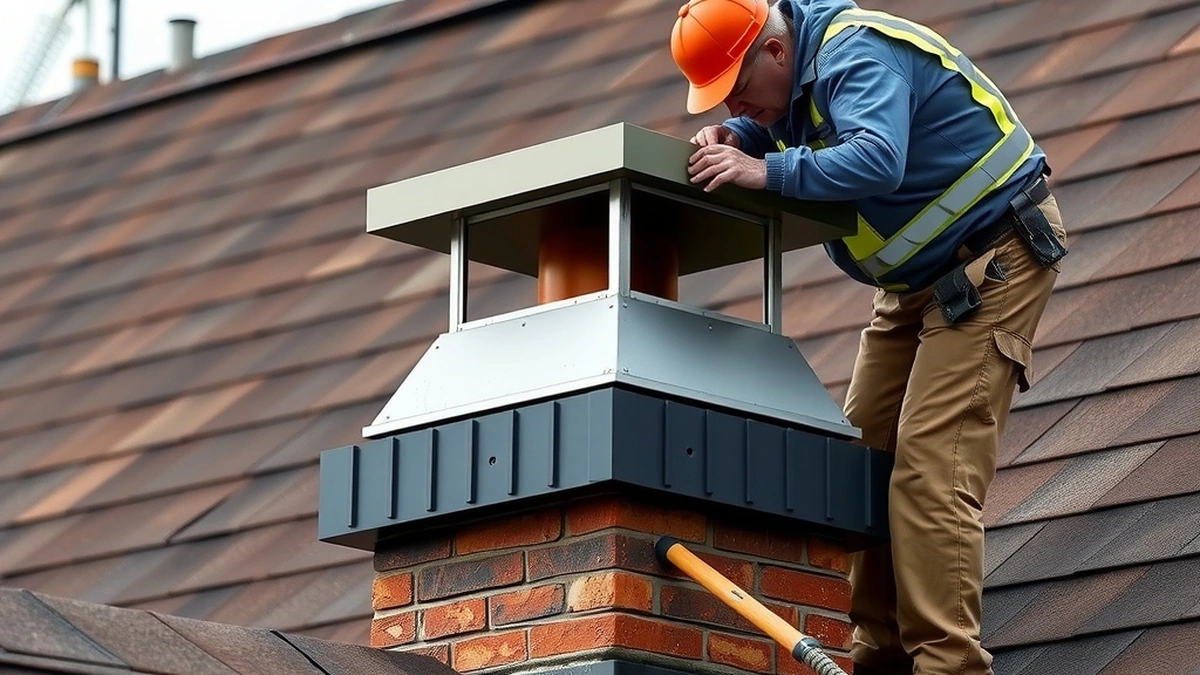
Stainless relining maintenance: the annual routine
What a stainless liner needs each year, how to sweep it without damage, which parts fail first, and the arithmetic of maintenance against replacement.
Read the guide →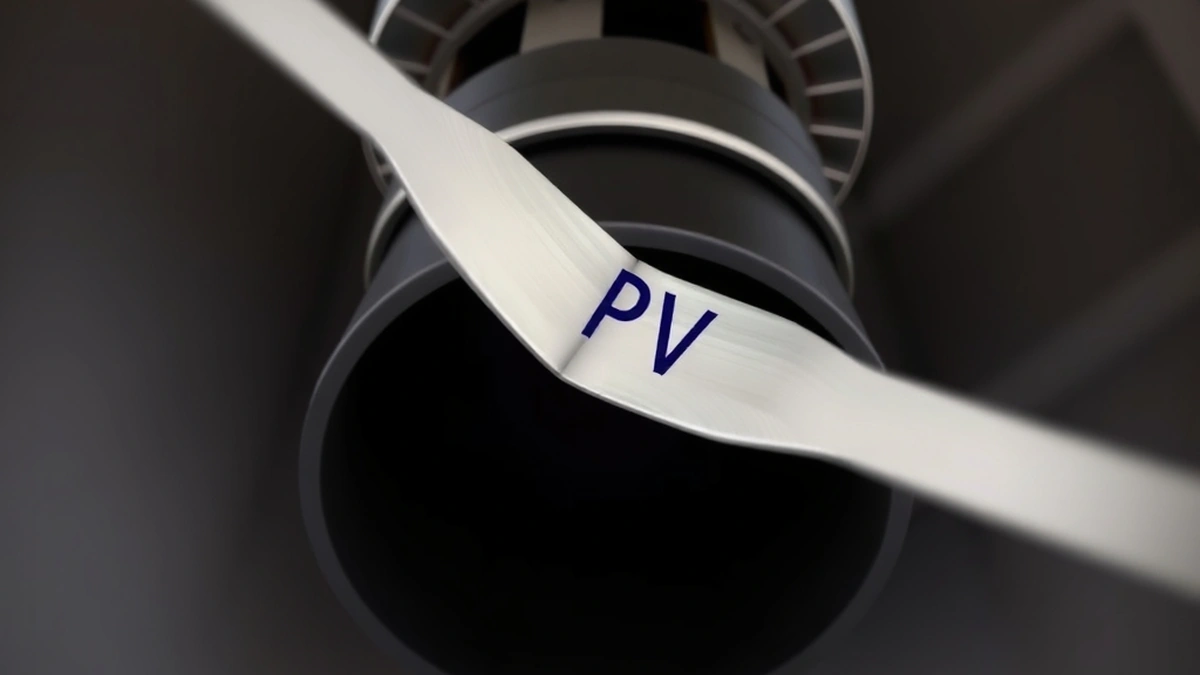
Stainless relining problems: what goes wrong
The failures that follow a reline, from undersized liners and wet insulation to leaking top plates, and what each repair costs to put right.
Read the guide →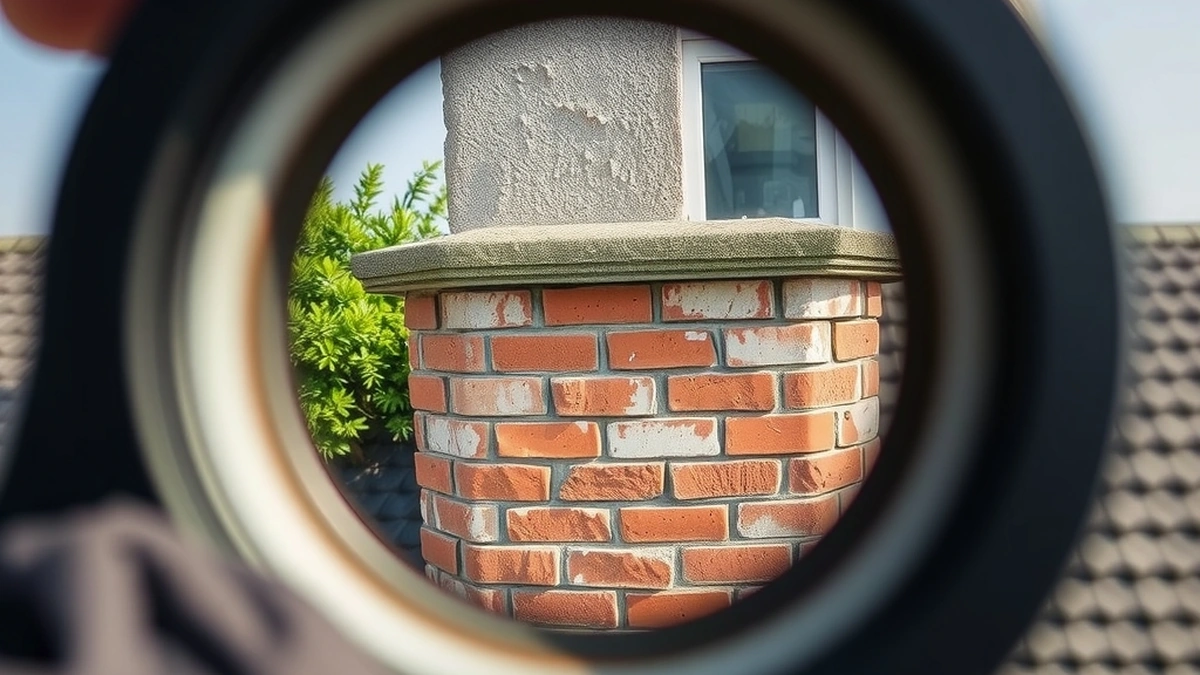
Tuckpointing maintenance: the annual check
Repointed joints last 20-30 years with a yearly check. What to inspect each spring, how to measure joint erosion, and the water paths that undo good masonry.
Read the guide →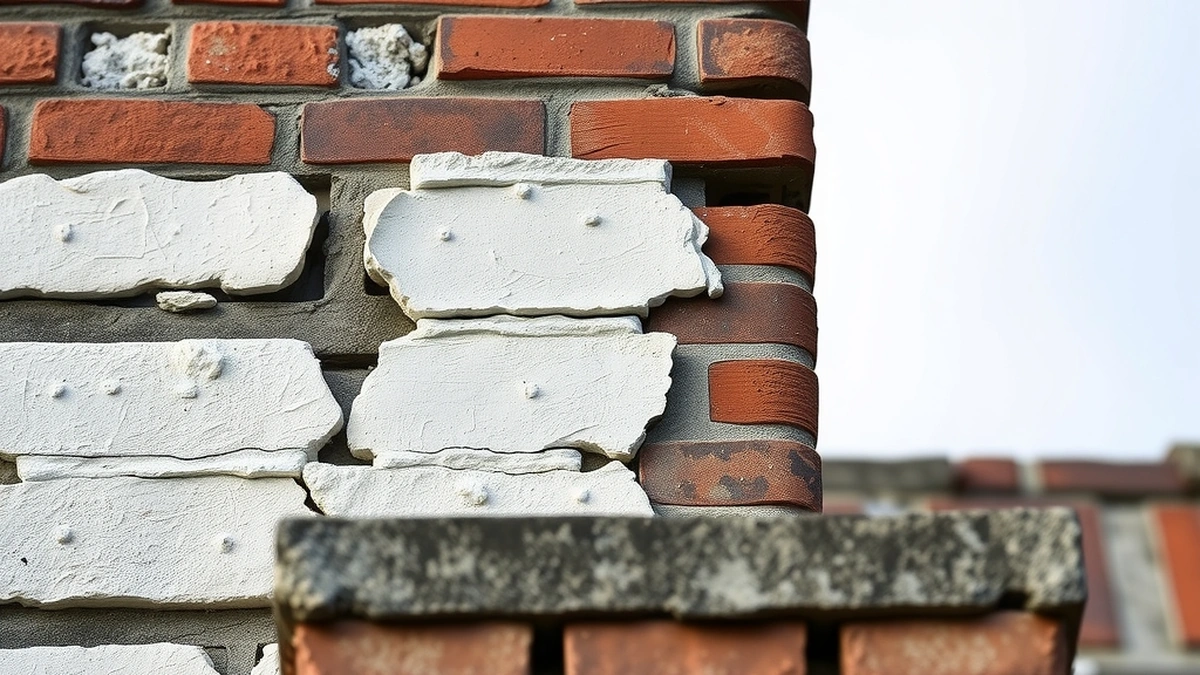
Tuckpointing problems: why repointing fails
Repointing fails four ways: wrong mortar, shallow cuts, wet joints, and a crown still leaking above. How to tell which one you have and what the fix costs.
Read the guide →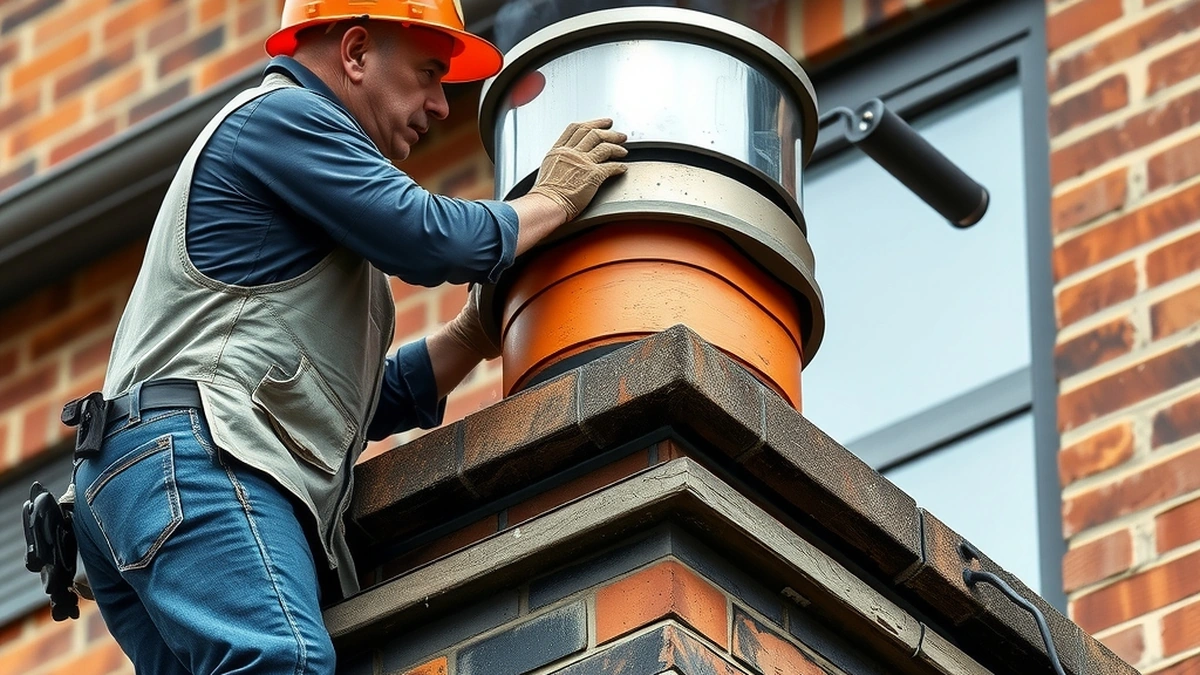
Chimney Maintenance Schedule: What to Do and When
A year-round chimney maintenance schedule with inspection, sweeping, and repair timing to keep your chimney safe.
Read the guide →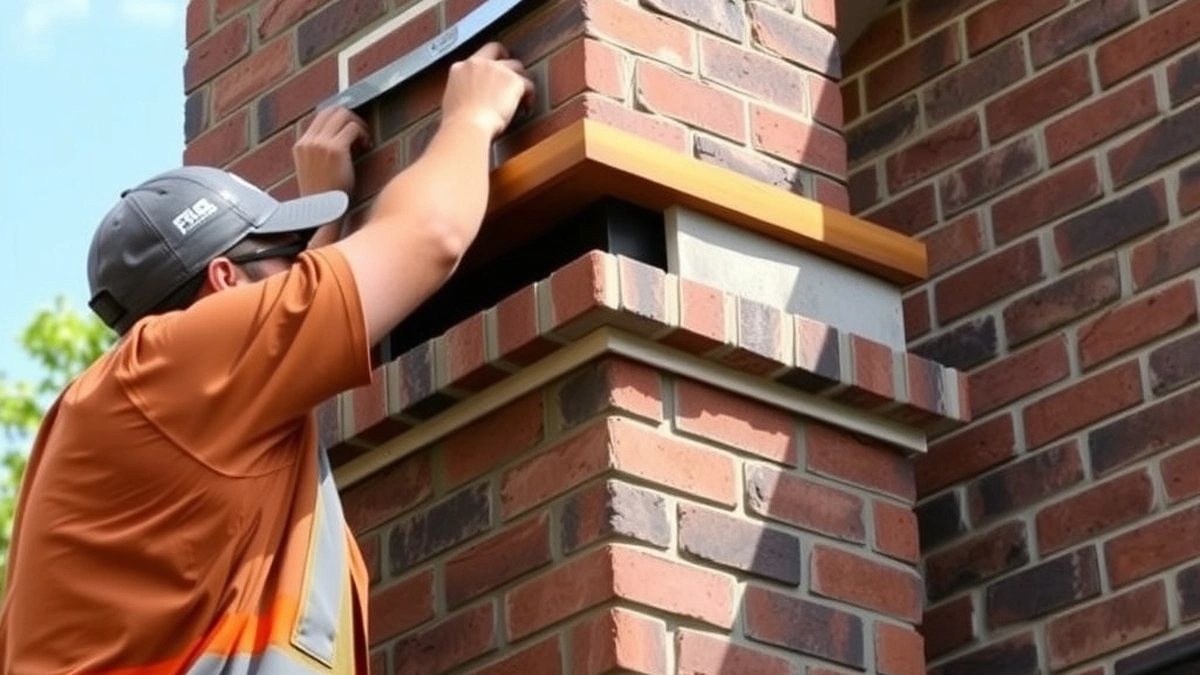
Chimney Repair: When It Is Worth It
A practical guide to deciding whether chimney repair makes sense, with cost ranges, safety checks, and replacement alternatives.
Read the guide →