Chimney Maintenance Schedule: What to Do and When
A year-round chimney maintenance schedule with inspection, sweeping, and repair timing to keep your chimney safe.
Schedule a Level 1 inspection and sweep annually, clean the cap and crown seasonally, and address masonry or liner issues before winter use.
- Inspection frequency
- Once per year
- Sweeping frequency
- Once per year or per cord of wood
- Typical sweep cost
- $150–$400
- Typical inspection cost
- $150–$800
Some links on this page are affiliate links.If you buy through them we may earn a commission at no extra cost to you. We do not accept payment for rankings. Read the full disclosure.
A chimney maintenance schedule tells you when to inspect, sweep, and repair your chimney so it stays safe and functional. For most homeowners, that means a Level 1 inspection and chimney sweep once per year, ideally before cold weather arrives. Sticking to a routine catches small issues before they turn into expensive structural repairs.
Why a Maintenance Schedule Matters
Chimneys handle high heat, moisture, and combustion byproducts. Over time, creosote builds up inside the flue, masonry joints deteriorate, and caps or crowns crack. A regular schedule spreads work across the year instead of forcing emergency repairs during heating season. It also helps you budget, since routine service costs far less than major rebuilds or liner replacements.
Annual Inspection and Sweep
Schedule a Level 1 inspection every year. A certified technician examines accessible parts of the chimney exterior, interior, and appliance connections. They look for creosote, blockages, cracks, and signs of water intrusion. Level 1 inspections typically cost between $150 and $800, depending on region and accessibility.
Chimney sweeping usually happens at the same visit. The industry rule of thumb is to sweep after burning about a cord of wood, or at least once per year if you use the fireplace regularly. A standard sweep costs roughly $150 to $400. If you burn green wood or use the fireplace as a primary heat source, you may need sweeping twice per year.
You can find more context on what sweeps do versus what chimney contractors do in our guide on chimney vs chimney sweep.
Seasonal Checklist
Break maintenance into four seasonal tasks so nothing gets overlooked.
Spring
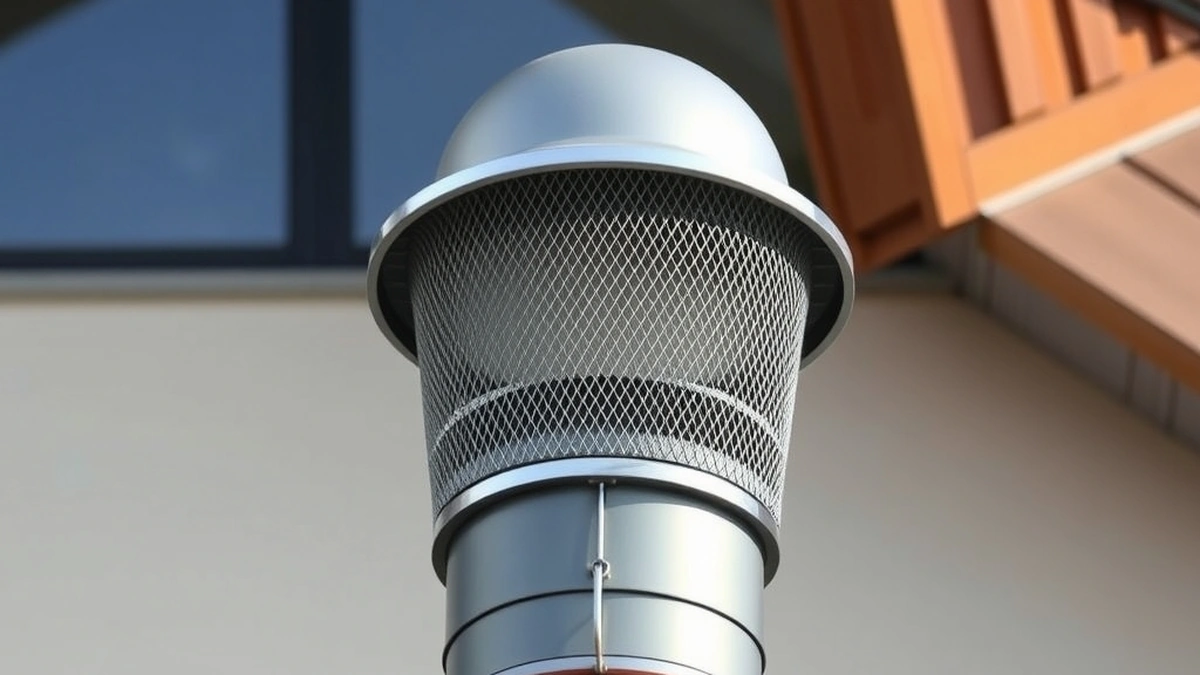
- Inspect the chimney cap for damage or missing fasteners.
- Check the crown for cracks or spalling after winter freeze-thaw cycles.
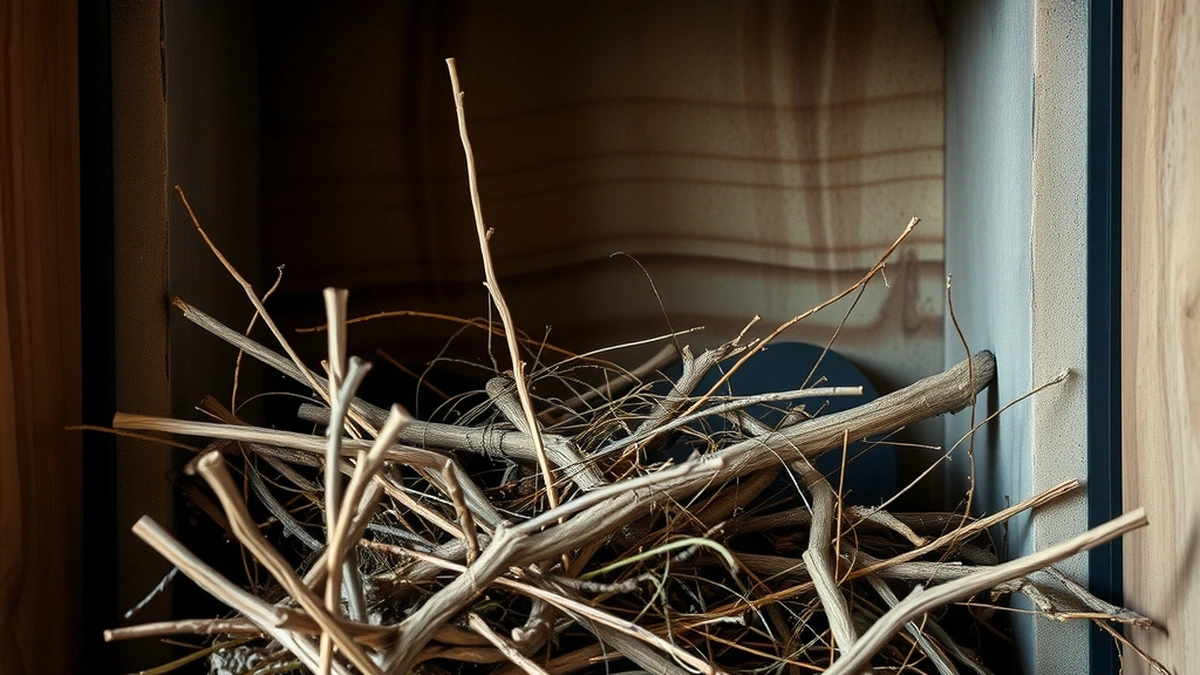
- Look for animal nests or debris in the flue.
Summer
- Schedule your annual Level 1 inspection and sweep while demand is lower.
- Repair masonry or crown damage while weather is dry.
- Consider installing or replacing a chimney cap, which typically costs $150 to $600.
Fall
- Verify the damper opens and closes fully.
- Confirm the flue is clear before the first fire.
- Check that smoke and carbon monoxide detectors are working.
Winter
- Monitor for odors, smoke backing into the room, or water stains near the chimney.
- Schedule a repair visit if you notice new cracks or leaks.
Common Repair Costs and Timing
Not every inspection leads to a repair, but knowing typical price ranges helps you plan. Estimates below are national averages and can vary by location, chimney height, and access difficulty.
| Repair Item | Typical Cost | When to Address |
|---|---|---|
| Chimney sweep | $150–$400 | Annually or per cord of wood |
| Level 1–3 inspection | $150–$800 | Annually |
| Chimney cap | $150–$600 | When damaged or missing |
| Crown repair | $400–$1,500 | When cracks or spalling appear |
| Stainless steel liner | $1,500–$4,000 | When the flue liner is cracked or deteriorated |
| Partial rebuild | $5,000–$15,000 | When masonry is structurally compromised |
Arithmetic example: If a crown repair costs $400 and a partial rebuild costs $5,000, addressing crown damage early could avoid at least $4,600 in additional masonry work. These figures are estimates, not quotes.
If your inspection reveals liner damage, a stainless steel liner often runs $1,500 to $4,000 installed. For a full cost breakdown, see our page on how much does chimney cost. If the damage is limited to mortar or brick, a chimney repair contractor can patch or rebuild the affected section.
When to Call a Professional
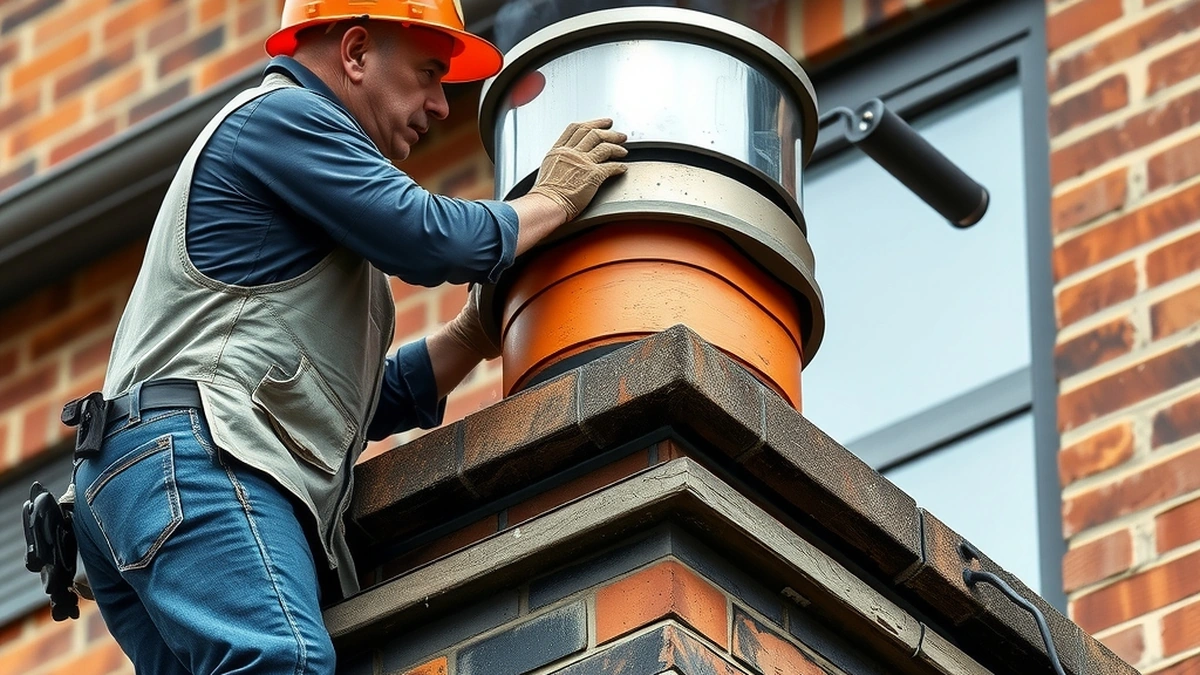
Some tasks are appropriate for homeowners, such as visually checking the cap from the ground or clearing debris from the firebox. Climbing onto the roof, entering the flue, or repairing masonry should be left to professionals. Falls from ladders and roofs are a leading cause of home-maintenance injuries, and improper liner installation can create fire or carbon monoxide hazards.
Call a certified chimney technician if you notice:
- Smoke entering the room when the damper is open
- Strong odors coming from the fireplace
- Water stains on ceilings or walls near the chimney
- Crumbling mortar or loose bricks
- A missing, rusted, or storm-damaged cap
For more on tackling minor work yourself, read our overview of DIY chimney projects and where to draw the line.
Longevity and Replacement Planning
A well-maintained masonry chimney can last decades, but individual components wear out faster. Caps may need replacement every 5 to 15 years depending on material and weather exposure. Crowns often need repair sooner than the stack itself because they take direct rain and snow. Liners can last 15 to 20 years or longer, but tile liners sometimes crack from sudden temperature changes or chimney fires.
If your chimney is approaching the end of its service life, a full or partial rebuild may be more cost-effective than repeated patching. Partial rebuilds typically range from $5,000 to $15,000. You can read more about expected service life in our article on how long does chimney last.
Keeping Records
Maintain a simple log for each visit. Note the date, type of inspection, sweep findings, repairs performed, and the contractor’s name. This documentation helps you track patterns, such as recurring creosote buildup, and supports insurance claims if a loss ever occurs. It also makes it easier to show a prospective buyer that the chimney has been cared for.
A chimney maintenance schedule is not about finding problems every year. It is about confirming that the system works as designed and catching wear before it affects safety or structure. Book your annual inspection before heating season, sweep as needed, and address small repairs promptly.
Next, compare how much does chimney cost, chimney installation, chimney repair before you commit.
Frequently asked questions
How often should I inspect my chimney?
At least once per year, ideally before the heating season begins, even if you use the fireplace infrequently.
How often should I sweep my chimney?
Once per year, or after burning roughly a cord of wood, whichever comes first, to remove creosote buildup.
What does a Level 1 inspection cover?
A visual examination of readily accessible interior and exterior chimney components without special tools or demolition.
Can I skip maintenance if I rarely use my fireplace?
No. Animals, moisture, and masonry decay can still damage an unused chimney, so annual checks remain necessary.
When should I repair the chimney crown?
As soon as cracks or spalling appear, because water intrusion can accelerate masonry damage and interior leaks.
How much does a stainless steel liner cost?
Typically $1,500–$4,000 installed, depending on chimney height, liner diameter, and accessibility.
Sources
Some links are affiliate links.If you buy through them we may earn a commission at no extra cost to you. We do not accept payment for rankings. Read the full disclosure.