Cast-in-place liner vs crown rebuild
A cast-in-place liner rebuilds the flue from inside; a crown rebuild replaces the top of the stack at $400-$1,500. Different jobs, often planned together.
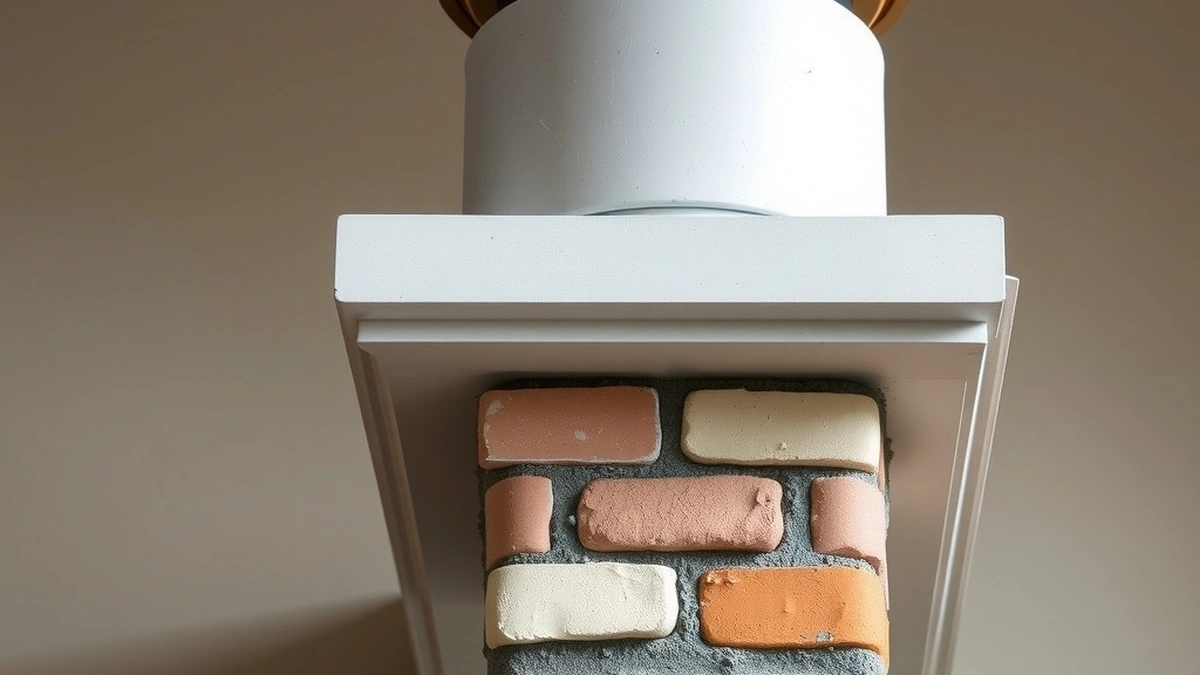
A cast-in-place liner rebuilds the flue from the inside; a crown rebuild replaces the concrete top of the stack at $400 to $1,500. The crown stops water entering the masonry, the liner restores venting, and both are often needed on an old chimney.
- Crown rebuild
- $400 - $1,500
- Cast-in-place liner
- Scope-dependent, above the crown band
- Stainless alternative
- $1,500 - $4,000
- Inspection
- $150 - $800
- Partial rebuild
- $5,000 - $15,000
Some links on this page are affiliate links.If you buy through them we may earn a commission at no extra cost to you. We do not accept payment for rankings. Read the full disclosure.
A cast-in-place liner and a crown rebuild address two different failures on the same chimney. The crown is the concrete top of the stack, replaced at $400 to $1,500 to stop water entering the masonry. The liner is the flue, rebuilt from the inside when the original tile can no longer carry exhaust safely.
The two parts
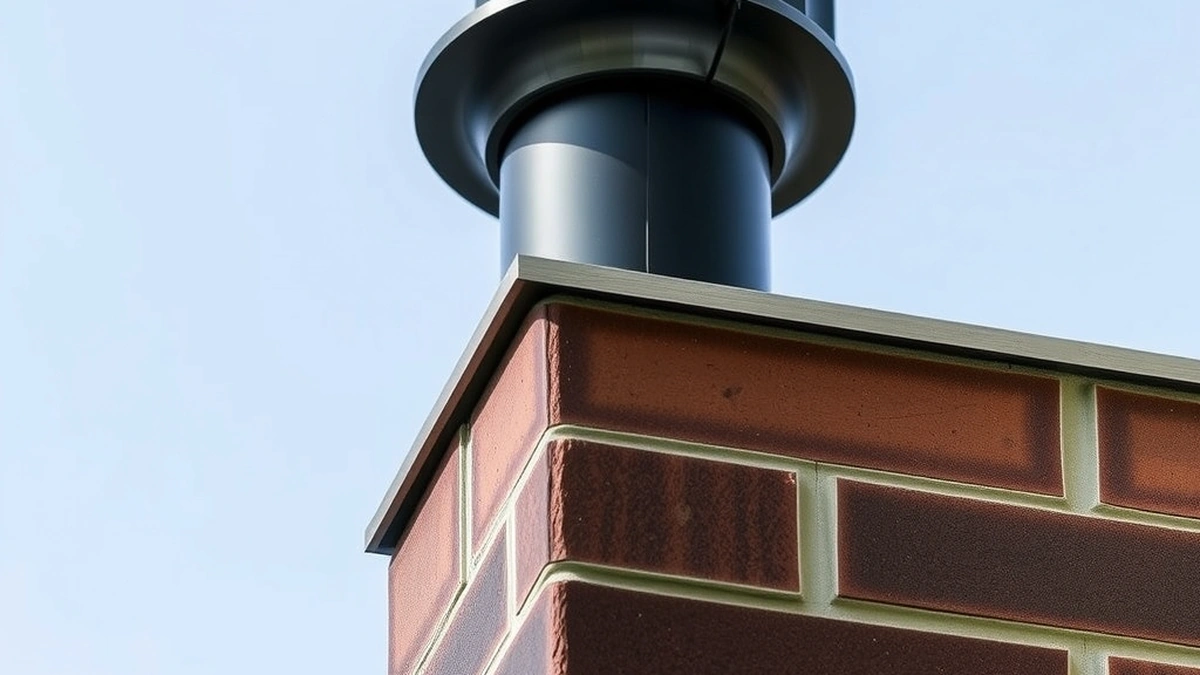
The crown sits on top of the stack, sloping away from the flue and overhanging the brick. It sheds water off the top and away from the joint where the flue meets the masonry.
The flue is the passage inside the chimney. A cast-in-place liner is a cementitious lining formed against the existing flue walls, producing a new continuous surface.
One is a water-shedding detail. The other is a venting system.
Head to head
| Attribute | Cast-in-place liner | Crown rebuild |
|---|---|---|
| System | Flue | Top of the shell |
| Problem solved | Deteriorated flue | Water entering the stack |
| Cost | Scope-dependent | $400 - $1,500 |
| Method | Formed in place | Poured or formed concrete |
| Trade | Chimney technician | Mason |
| Visits | More than one, typically | One, typically |
| Fixes the other | No | No |
Why cast-in-place rather than stainless.
Cast-in-place is specified when the flue itself needs rebuilding rather than lining.
Three situations point to it: badly spalled or missing tile, irregular geometry that will not accept a tube, and a flue that is leaking between tiles so that a liner inside it would sit within a leaky shell.
Stainless at $1,500 to $4,000 is the more common choice, because it is faster and cheaper. Cast-in-place is the heavier intervention for a worse flue.
What the crown does, and what the liner does
The crown is the only repair on this page that stops water entering the masonry from above.
Without it, water runs down the stack, saturates the brick, and freezes. The masonry spalls, the joints erode, and eventually the damage reaches the partial rebuild band of $5,000 to $15,000.
A liner, cast or stainless, does nothing about that. It sits inside the flue while the shell around it deteriorates.
What the inspection establishes
A camera inspection at $150 to $800 answers three questions that decide the scope.
Can the flue be lined at all, or has the masonry deteriorated to the point where a lining has nothing to bond to?
Is the existing flue the right size for the appliance, or is the lining also correcting a sizing problem?
Is the crown sound enough to keep water out once the flue work is done?
Without those three answers, a cast-in-place quote is a guess about a flue nobody has seen from the inside.
Cost of doing both
Crown at $400 to $1,500. Stainless liner at $1,500 to $4,000, for comparison. Total: $1,900 to $5,500.
Cast-in-place is priced per job and generally sits above the stainless figure, because of the forming, the material, and the additional visits.
Add a cap at $150 to $600 and the top-of-chimney work is complete.
The order, and where the trades divide
- Inspect at $150 to $800, with a camera on the flue.
- Fix the water paths: crown, cap, flashing.
- Repoint eroded joints at $400 to $1,500 if the brick is sound.
- Line the flue, cast-in-place or stainless, per the assessment.
- Reinstate the cap and check the appliance connection.
The second step protects every later one. Water entering at the top undermines new masonry and can damage a new liner’s surroundings.
Where the trades divide.
A mason rebuilds the crown, repoints joints, and replaces spalled brick.
A mason should not be forming a flue liner or altering the appliance connection.
Those are venting decisions that depend on the appliance’s listed requirements and local code. They belong to a qualified chimney technician, and the work should be permitted where the jurisdiction requires it.
The cost of a wrong sequence is specific. A liner installed under a flat crown sits in a chimney that keeps taking water, and the masonry around it spalls over the following winters. A crown rebuilt over a flue that cannot be used leaves the appliance out of service, which for a household that heats with wood means a winter of alternatives.
Doing them together, after one inspection, avoids both.
When the answer is a rebuild
Three conditions move past both repairs.
The masonry has failed across most of the exposed stack, so there is not enough sound brick to hold a crown or a liner.
The stack is leaning or has separated from the house, which is structural.
The inner wythe has crumbled, which affects the flue and the structure together.
At that point the correct scope is a partial rebuild at $5,000 to $15,000, and an engineer’s review may be needed first.
What each repair leaves alone, and the honest summary
Neither addresses flashing at the roof line, which is a separate water path at $400 to $1,500.
Neither addresses spalled brick, which is replacement work rather than lining or crowning.
Neither addresses a flue that is the wrong size for the appliance, which is a venting specification question rather than a repair.
The honest summary.
Crown first, liner second, both after an inspection.
A crown at $400 to $1,500 is the cheapest way to stop water at the top. A liner restores the flue, and cast-in-place is the heavier option for a flue that needs rebuilding rather than lining.
Our crown rebuild reviews page covers the crown work, and cast-in-place liner cost covers the flue side. For the comparison with stainless, see stainless relining vs cast-in-place liner.
Frequently asked questions
Which comes first, the crown or the liner?
The crown, because it stops water entering the masonry. Lining a chimney that is still being soaked from above protects the flue but leaves the shell deteriorating.
Can a crown rebuild fix a damaged flue?
No. The crown is concrete on top of the stack. A deteriorated flue needs a liner, and that is a venting decision for a qualified chimney technician.
Is cast-in-place more expensive than stainless?
Generally yes, because it involves forming and placing material inside the flue over more than one visit. Stainless runs $1,500 to $4,000; cast-in-place is priced per job.
When is cast-in-place the right choice?
When the flue has deteriorated badly and needs rebuilding from the inside, or the geometry will not accept a liner tube. An inspection establishes whether it is an option.
Do both jobs need the same trade?
No. The crown is masonry work; the liner is venting work. They are separate scopes that are often scheduled together to share access.
How much do both cost?
Crown at $400 to $1,500 plus a liner. A stainless liner at $1,500 to $4,000 gives $1,900 to $5,500; a cast-in-place liner is priced above that.
Sources
Some links are affiliate links.If you buy through them we may earn a commission at no extra cost to you. We do not accept payment for rankings. Read the full disclosure.