Crown rebuild reviews: what owners report
Crown rebuild reviews turn on water management, not mortar colour. What owners praise, what they regret, and how to vet a mason before a $400-$1,500 crown job.
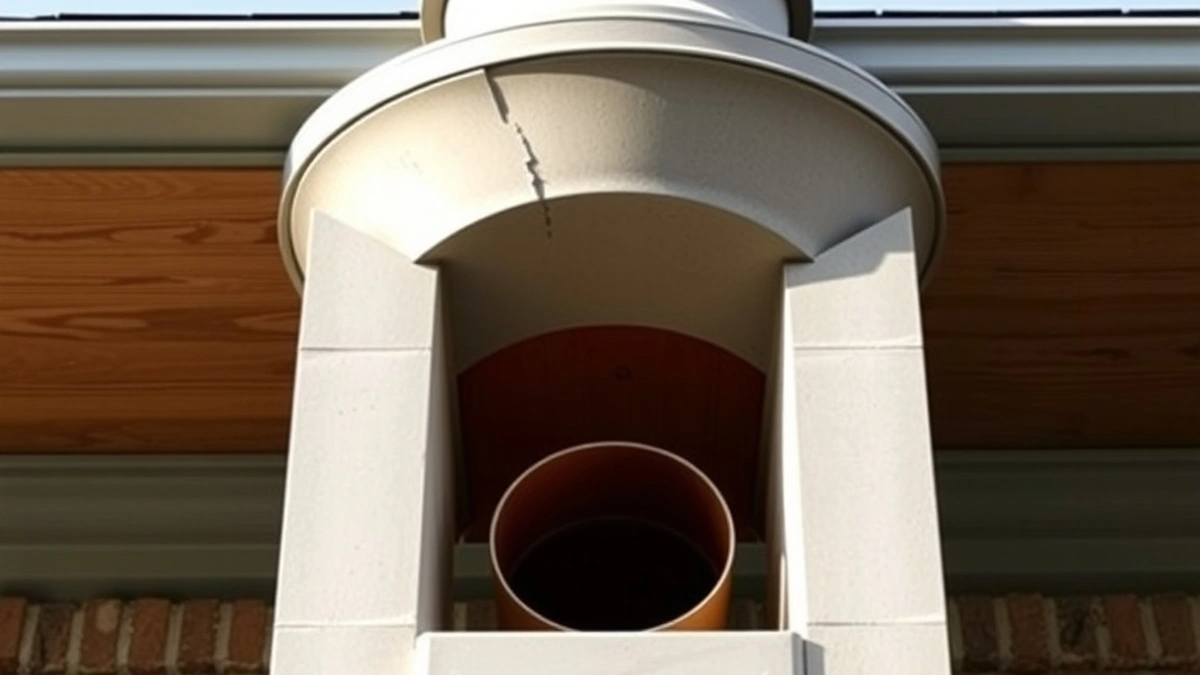
Crown rebuild reviews mostly judge whether the water now leaves. Owners praise a sloped crown with a proper overhang and a bond break at the flue; they regret flat crowns, thin pours, and jobs that skipped the flashing above the roofline.
- Crown repair
- $400 - $1,500
- Cap
- $150 - $600
- Partial rebuild
- $5,000 - $15,000
- Inspection first
- $150 - $800
- Crown slope
- Away from the flue
Some links on this page are affiliate links.If you buy through them we may earn a commission at no extra cost to you. We do not accept payment for rankings. Read the full disclosure.
Crown rebuild reviews are really reviews of water management. The owners who are happy describe a crown that slopes away from the flue, overhangs the stack, and has a joint that lets the flue move. The owners who are unhappy describe a flat slab that cracked in its first winter and let water back into the same place.
What a crown does
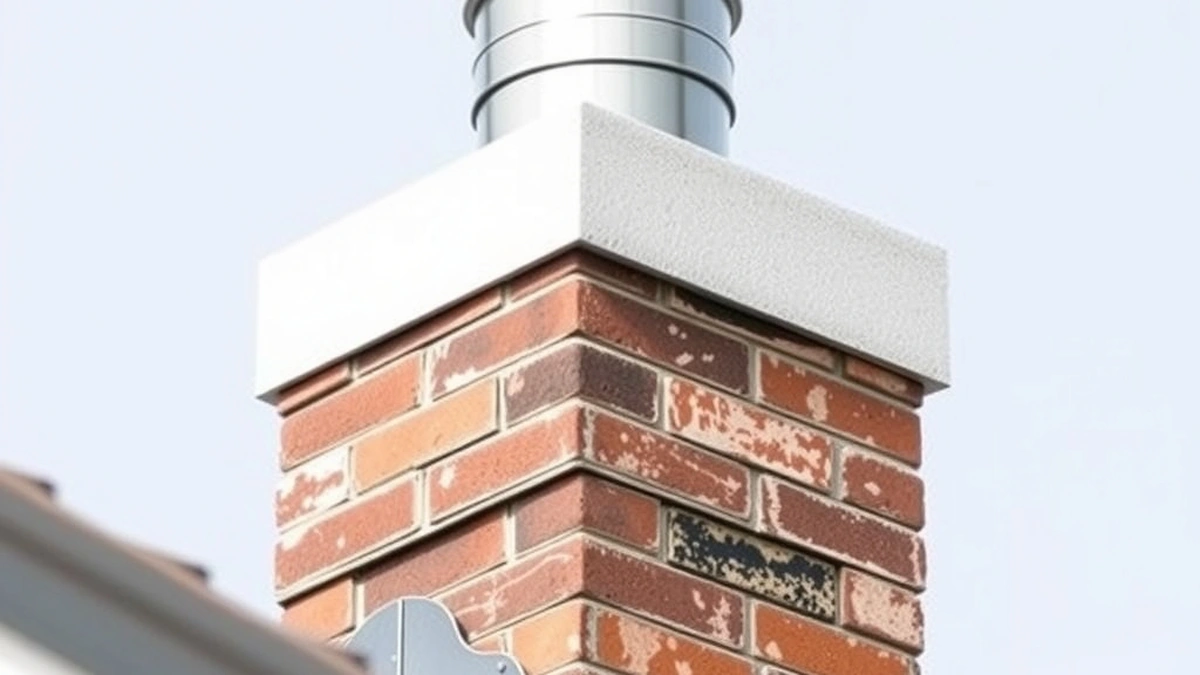
The chimney crown is the concrete or mortar cap on top of the stack, sloping away from the flue and overhanging the brick below.
Its job is to shed water off the top of the chimney and away from the joint where the flue meets the masonry. When it fails, water goes straight down into the stack, and everything below it starts to suffer.
That is why a crown at $400 to $1,500 is one of the highest-value repairs on a chimney. The alternative is not “do nothing”; it is a partial rebuild at $5,000 to $15,000 once the freeze-thaw damage has spread.
What owners praise
Three themes recur in positive accounts, and all three are technical.
The crown slopes. Water runs off rather than sitting on a flat top. A flat crown is the single most common cause of a repeat failure.
The crown overhangs. The edge sits proud of the brick so water drips clear of the wall instead of running down the face.
The joint at the flue is not rigid. A bond break or compressible joint lets the clay flue expand with heat without tearing the crown.
None of those are visible from the ground, which is why reviews that describe them are more useful than reviews that describe the colour of the concrete.
What owners regret
| Complaint | Underlying cause | Fair criticism? |
|---|---|---|
| Cracked within a year | Flat crown, no slope | Yes |
| Water still entering | No overhang or no bond break | Yes |
| Thin, crumbly top | Crown poured too thin | Yes |
| Crack around the flue | Rigid bond to the flue tile | Yes |
| Cost more than quoted | Flue tile needed resetting | Sometimes |
| Cap not included | Separate line item | Depends on the quote |
The last row is worth reading carefully. A crown replacement and a chimney cap are different items, at different prices, doing different jobs. A quote that covers the crown but leaves the flue open is a partial job, and reviews that mention it are usually reporting a misunderstanding rather than a bad contractor.
The numbers behind the complaints
A crown repair at $400 to $1,500 covers removal of the failed top, forming a new sloped surface, and often a bond break at the flue.
A cap at $150 to $600 covers the opening above the flue, keeping rain and animals out.
Together, that is $550 to $2,100 — the usual minimum for putting the top of a chimney right.
Compare that with a partial rebuild at $5,000 to $15,000, which is the repair needed once water has been entering for years and the brick above the roofline has spalled. The crown is the cheap intervention that prevents the expensive one.
Why the flue joint matters so much
The flue tile gets hot when the appliance runs; the crown stays near ambient temperature. The two materials expand by different amounts.
If the crown is bonded rigidly to the flue, that differential movement has to go somewhere, and it goes into a crack around the flue — the exact place water is most likely to enter.
A bond break gives the flue a slip joint. It is a small detail, invisible from the ground, and it is the difference between a crown that lasts twenty years and one that cracks in two.
How to vet a mason before a crown job
- Ask what slope the new crown will have and how it will be formed.
- Ask whether the crown will overhang the brick, and by how much.
- Ask how the joint at the flue will be detailed — bond break, sealant, or rigid mortar.
- Ask whether the flue tile will be inspected and reset if cracked.
- Ask for two local addresses where a crown was replaced at least five years ago.
A mason who answers all five in specifics is doing the job the good reviews describe. One who answers vaguely is pouring a slab.
What the job should not include
A crown rebuild is masonry work. It is not the place to alter flue sizing, change an appliance connection, or re-line a chimney.
Those are combustion-appliance venting decisions, and they belong to a qualified chimney technician working to the appliance manufacturer’s instructions and the local code. If a mason proposes changing the flue while replacing the crown, that part of the scope needs a technician’s sign-off.
What a crown cannot fix.
A crown sheds water from the top. It does not stop water entering at the flashing, through spalled brick, or from a failed cap.
If the chimney leaks after a crown replacement, the next suspects are the flashing at the roof line and the brick below it. Our flashing repair cost page covers that scope, and crown rebuild problems covers the failures specific to crowns.
A crown also cannot fix a damaged liner. A cracked flue tile is a separate defect with its own repair, and a stainless liner at $1,500 to $4,000 is the usual answer.
The honest summary, and what a crown cannot fix
A crown rebuild is worth doing when the crown is the water source, and it is worth doing properly. The reviews that end well describe slope, overhang, and a joint that lets the flue move. The reviews that end badly describe a flat slab and a repeat visit.
For the wider sequence, see chimney repair cost and chimney masonry repair. For the crown job itself, crown rebuild installation walks through the method.
Frequently asked questions
Are crown rebuilds worth the money?
Yes when the crown is the water source. A crown at $400 to $1,500 is the cheapest way to stop water entering the top of the stack, and it costs far less than the partial rebuild at $5,000 to $15,000 that unchecked water eventually forces.
What do negative crown rebuild reviews complain about?
Crowns that crack again within a season, usually because they were poured flat, too thin, or bonded rigidly to the flue. Water then enters at the same joint and the repair repeats.
How long should a rebuilt crown last?
Fifteen to twenty-five years when it is sloped, reinforced, and isolated from the flue with a bond break. Flat or unreinforced crowns commonly fail in five to ten.
Does a crown rebuild include the cap?
Usually not. A cap at $150 to $600 is a separate item. Ask for both lines so you can see whether the crown is being replaced without addressing the opening above it.
Can I rebuild a crown myself?
It is not a reasonable DIY job. It requires working at height, forming a slope, and often removing and resetting flue tile. The risk and the cost of getting it wrong exceed the saving.
Why does the crown crack at the flue?
Because the flue expands with heat and the crown does not move with it. A bond break, a compressible joint around the flue, lets the two move independently instead of tearing the crown.
Sources
Some links are affiliate links.If you buy through them we may earn a commission at no extra cost to you. We do not accept payment for rankings. Read the full disclosure.