Stainless relining vs cast-in-place liner
Stainless liners cost $1,500-$4,000 and install in a day; cast-in-place liners rebuild the flue from inside. Compare life, cost, and which flue suits which.
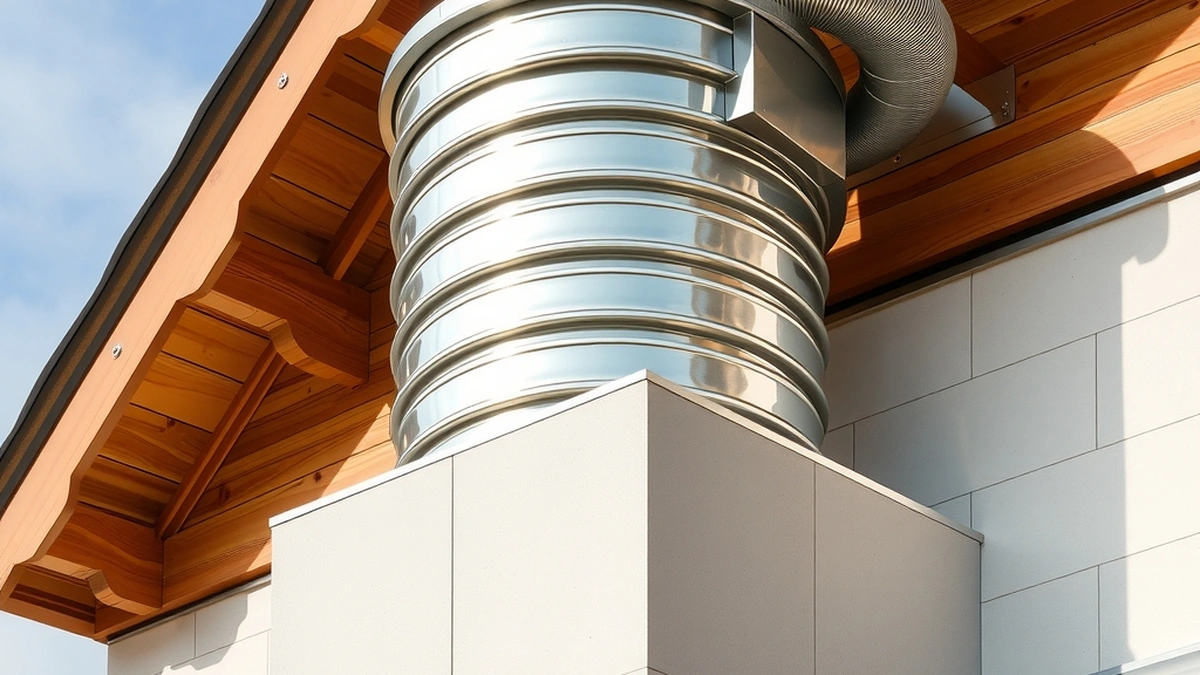
A stainless liner is a steel tube installed inside the flue at $1,500 to $4,000. A cast-in-place liner is formed in place to rebuild the flue from the inside. Stainless suits most homes; cast-in-place suits badly deteriorated masonry.
- Stainless liner
- $1,500 - $4,000
- Cast-in-place
- Higher, scope-dependent
- Stainless install
- Often one day
- Stainless life
- 15-25 years
- Inspection first
- $150 - $800
Some links on this page are affiliate links.If you buy through them we may earn a commission at no extra cost to you. We do not accept payment for rankings. Read the full disclosure.
Stainless relining and cast-in-place liners solve the same problem — a flue that can no longer carry exhaust safely — in different ways. Stainless is a tube inserted into the existing flue, at $1,500 to $4,000. Cast-in-place rebuilds the flue from the inside with a formed lining. Most homes need the first; a badly deteriorated chimney may need the second.
What each one is
A stainless liner is a corrugated or rigid steel tube lowered down the flue and connected to the appliance. It can be insulated, and it comes in diameters to suit the appliance.
A cast-in-place liner is a cementitious lining placed around an inflatable form inside the flue, producing a new continuous flue surface bonded to the existing masonry.
One inserts a new flue inside the old. The other rebuilds the old flue’s inner surface.
Head to head
| Attribute | Stainless liner | Cast-in-place liner |
|---|---|---|
| Method | Tube inserted | Material formed in place |
| Typical cost | $1,500 - $4,000 | Higher, scope-dependent |
| Installation time | Often one day | Several days |
| Suits | Most residential flues | Badly deteriorated masonry |
| Insulation | Available, improves draught | Inherent thickness |
| Appliance change | Easy to re-specify | Less flexible once set |
| Life | 15-25 years | 15-25 years |
| Fixes a water leak | No | No |
Why stainless is the default
Three reasons.
It is fast. A straight flue can be lined in a day, and the appliance is back in service quickly.
It is predictable. The liner is manufactured to a diameter and a specification, so the performance is known before installation.
It is reversible. If the appliance changes, the liner can be re-specified more easily than a cast surface.
For a chimney with sound masonry and a failed or undersized flue, stainless is usually the right answer.
It is also the easier product to inspect afterward. A stainless liner can be checked with a camera and its terminal is visible at the top; a cast surface is inspected the same way but repaired less easily if it cracks.
The practical consequence is that cast-in-place is usually chosen for what it can rebuild, not for what it does better once installed.
When cast-in-place earns its cost
Three situations favour it.
The flue has deteriorated badly, with spalled or missing tile, and the masonry needs structural consolidation from the inside rather than a tube slipped through it.
The flue geometry is irregular, so a rigid liner will not pass and a flexible one would be undersized.
The existing flue is leaking between tiles and the goal is a continuous, sealed surface rather than a liner inside a leaky shell.
In each case the cast liner is doing more than lining: it is rebuilding.
Cost and what drives it
A stainless liner at $1,500 to $4,000 varies with height, diameter, insulation, and the appliance it serves.
A cast-in-place liner is priced per job, because the volume of material, the form, and the preparation all vary. It is generally the higher of the two, and the gap widens on a tall flue.
Neither price includes the water repairs at the top of the chimney. A crown at $400 to $1,500 and a cap at $150 to $600 are separate, and both should be assessed in the same inspection.
On a tall stack, the access is often the largest share of either price. Scaffolding, roof protection, and the time to set up can rival the liner itself, which is why bundling the crown and cap into the same visit is usually cheaper than three separate appointments.
The inspection that decides
An inspection at $150 to $800 with a camera establishes three things: the flue’s condition, its size relative to the appliance, and whether the masonry can hold a liner.
That report is what makes the choice. A cast-in-place liner specified without a camera inspection is a guess, and an expensive one.
Ask for photographs of the flue at several heights, and ask what the proposed liner’s diameter is and why.
What neither liner does, and how to choose
Both address the flue. Neither addresses water entering at the crown, the flashing, or the brick face.
A chimney that leaks after relining usually has an unfixed water path above. Our chimney leak repair guide covers the sequence, and crown rebuild reviews covers the top-of-stack repair.
Neither liner repairs spalled brick or eroded joints either. That is masonry work at $400 to $1,500, and it should be done before or alongside the lining rather than after.
Choosing in four steps.
- Book an inspection with a camera at $150 to $800.
- Establish whether the masonry can hold a liner at all.
- Match the liner to the appliance’s listed venting requirements.
- Price the water repairs at the top separately.
The third step is the one homeowners most often leave to the contractor. It should not be: the liner has to suit the appliance, and that is a documented requirement rather than a preference.
A liner that is too large cools the gases and produces poor draught and heavy deposit. One that is too small cannot carry the volume, and the appliance never performs as designed. Both mistakes are expensive to correct after the fact, and both are avoidable at the specification stage.
The honest summary
For most residential chimneys, stainless at $1,500 to $4,000 is the practical choice: fast, predictable, and suited to a range of appliances.
Cast-in-place is the right answer when the flue itself needs rebuilding rather than lining, and it is priced accordingly.
Either way, the decision belongs with a qualified chimney technician, and it should follow an inspection rather than precede one. Our stainless relining cost and cast-in-place liner cost pages cover the pricing in detail.
Frequently asked questions
Which is better, stainless or cast-in-place?
Stainless suits most residential chimneys: it is faster, cheaper, and works with a range of appliances. Cast-in-place is the better answer when the existing flue has deteriorated badly and needs structural rebuilding from the inside.
How much does a stainless liner cost?
$1,500 to $4,000 installed, depending on height, diameter, insulation, and appliance. That is the usual band for a residential chimney.
How long does a cast-in-place liner take?
Longer than stainless. The flue has to be cleaned and prepared, a form installed, the material placed, and the liner cured before the appliance is reconnected.
Can a cast-in-place liner be used on any chimney?
No. It needs a flue in a condition that can hold the material, and the geometry has to suit the forming system. An inspection at $150 to $800 establishes whether it is an option.
Does either liner fix a chimney leak?
Neither fixes a leak at the crown, flashing, or brick face. A liner addresses the flue. Water entry at the top or roof line needs crown or flashing repair at $400 to $1,500.
Which lasts longer?
Both commonly serve 15 to 25 years. The life depends more on the appliance, the fuel, and whether the chimney stays dry than on the material alone.
Sources
Some links are affiliate links.If you buy through them we may earn a commission at no extra cost to you. We do not accept payment for rankings. Read the full disclosure.