Animal nests: what a fix costs
Animal nests: what a fix costs: practical numbers, costs, and trade-offs, written independently.
Animal nests: what a fix costs: practical numbers, costs, and trade-offs, written independently. The guide below shows the numbers and the trade-offs.
- Typical range
- Varies by system and site
- First step
- Measure the space and confirm the load
- Professional help
- Recommended for structural or electrical work
Some links on this page are affiliate links.If you buy through them we may earn a commission at no extra cost to you. We do not accept payment for rankings. Read the full disclosure.
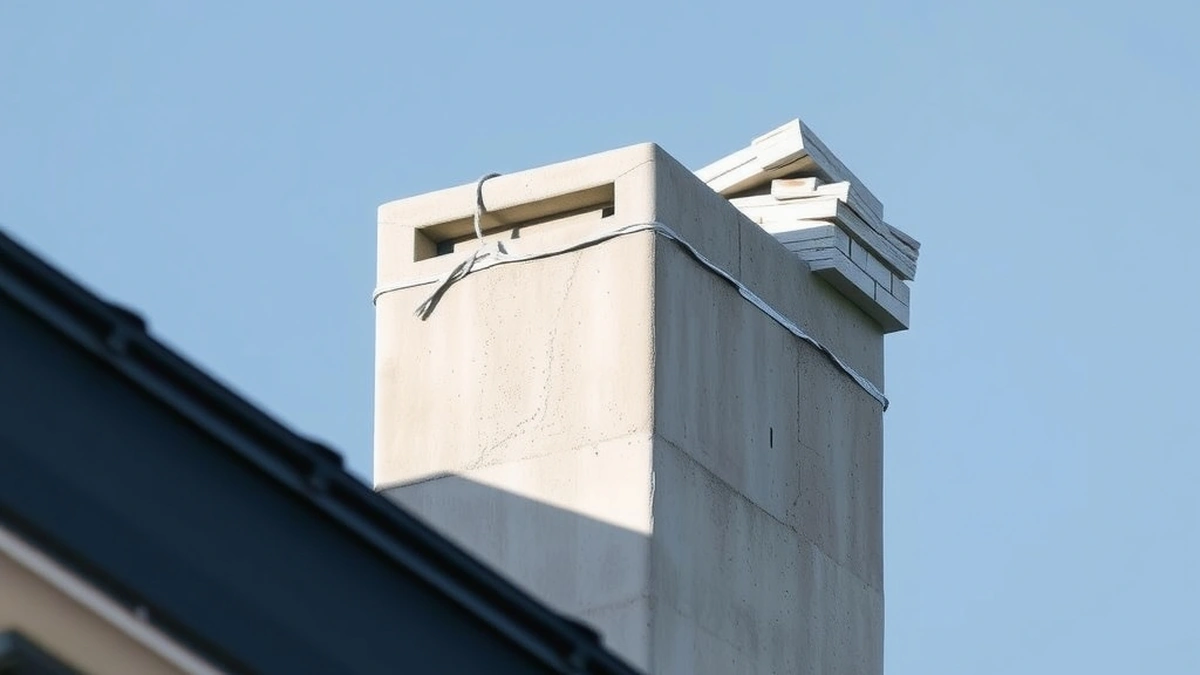
Clearing an animal nest from a chimney typically costs $150 to $650, and most of that is a sweep plus a cap. The sweep removes the nest, the droppings, and the debris; the cap closes the opening the animal used. The number only climbs into the thousands when the nest has been there long enough to damage the crown, the liner, or the brickwork.
What animal nest removal actually means
Animal nest removal is the clearing of nesting material, droppings, feathers, fur, and sometimes a carcass from a flue and firebox, followed by closing the entry point so the animal cannot return.
The work is not just pulling a bundle of twigs out of a chimney. A nest sits on the smoke shelf or lodges against the flue tile, and everything the animal brought in stays wet. Droppings are corrosive, nesting material holds moisture against the masonry, and a blocked flue sends carbon monoxide back into the room instead of up the stack. That last point is why the job belongs to a qualified chimney technician rather than a homeowner with a ladder and a pole, particularly when the chimney serves a gas or oil appliance. Anything that touches the venting path of a combustion appliance should be inspected and signed off by someone qualified to do it.
The numbers this work is priced from
The published planning figures for the related scopes are:
- Chimney sweep: $150 to $400
- Level 1 to Level 3 inspection: $150 to $800
- Chimney cap: $150 to $600
- Crown repair: $400 to $1,500
- Stainless liner: $1,500 to $4,000
- Partial rebuild: $5,000 to $15,000
Every one of those is an installed estimate for a typical US house, not a quote.
The cost stack, line by line
A nest job is a stack of small scopes, and the total is the sum of the ones you actually need.
| Line item | Typical range | What it covers |
|---|---|---|
| Inspection | $150–$800 | Video check of flue, crown, cap, and firebox |
| Sweep and nest removal | $150–$400 | Clearing nest, debris, and creosote |
| Cap with mesh | $150–$600 | Stainless or galvanized cap, sized to the flue |
| Crown repair | $400–$1,500 | Cracked or spalled crown, patched or rebuilt |
| Stainless liner | $1,500–$4,000 | New flue liner, insulated and sized to the appliance |
| Partial rebuild | $5,000–$15,000 | Masonry reconstruction above the roofline |
Take the common case. A sweep at the midpoint of $150 to $400 is ($150 + $400) ÷ 2 = $275. A cap at the midpoint of $150 to $600 is ($150 + $600) ÷ 2 = $375. Together that is $275 + $375 = $650. An inspection at the midpoint of $150 to $800 adds a further $475, which puts a thorough version of the same job at $1,125.
Birds, squirrels, and raccoons are not the same job
The animal decides how much material is in the flue and how much damage it left behind.
| Animal | Where it nests | What it leaves | What it usually adds |
|---|---|---|---|
| Starlings and sparrows | Smoke shelf, cap | Twigs, grass, droppings | Sweep and cap |
| Squirrels | Smoke shelf, firebox | Leaves, shredded insulation | Sweep, cap, sometimes a damper repair |
| Raccoons | Smoke shelf, crown ledge | Heavy bedding, droppings, a litter | Sweep, disinfection, crown or cap repair |
| Chimney swifts | Inside the flue | Nests glued to the tile | Sweep after fledging, cap with mesh |
A starling nest is a few ounces of dry material. A raccoon litter with wet bedding is a different order of weight, and it sits where the animal can reach the crown and the top courses of brick. That is why a raccoon job so often ends with a crown line on the invoice and a bird job does not.
When a nest becomes a structural repair
Long-term nesting shows up as water damage. The nest holds rain, the masonry stays wet, and freeze-thaw cycles spall the brick faces and open the mortar joints. By the time the nest is gone, the crown may be cracked and the flue tile may be scaled.
Crown repair at the midpoint of $400 to $1,500 is ($400 + $1,500) ÷ 2 = $950. A stainless liner at the midpoint of $1,500 to $4,000 is ($1,500 + $4,000) ÷ 2 = $2,750. A partial rebuild at the midpoint of $5,000 to $15,000 is ($5,000 + $15,000) ÷ 2 = $10,000.
That last number is why the inspection matters. A rebuild is justified when the masonry above the roofline has lost enough brick that repointing cannot restore it, or when the flue is unlined and cannot take a liner without reconstruction. It is not justified for a stained crown and a blocked flue. The report should say which case you are in, and it should include photographs.
How to get the nest out and keep it out
- Confirm the nest is empty. Birds and squirrels nest in spring and summer, and removing an active nest is restricted in many jurisdictions.
- Book a sweep that includes an inspection, not a sweep alone. The sweep clears the flue; the inspection finds what the nest damaged.
- Have the technician check the cap, crown, flashing, and flue tiles while the flue is open and visible.
- Repair what the inspection found before the cap goes on. Capping a cracked crown traps the water that caused the crack.
- Fit a cap with mesh sized to exclude starlings and squirrels without restricting the flue.
What prevention costs against what a repeat costs
A cap is the cheapest line on the invoice and the one that stops the cycle. At $150 to $600, a mid-range cap is $375. A sweep is $150 to $400, or $275 at the midpoint. Two sweeps over three years is 2 × $275 = $550, and three is 3 × $275 = $825. The cap pays for itself the first time it prevents a second visit.
The comparison is not really cap versus no cap. It is cap versus the crown and liner work that a wet, blocked flue causes over five or ten years. Those line items start at $400 and end at $15,000. The cap sits at the bottom of the same table.
What to ask before you book
Ask whether the price includes the inspection, whether the technician is qualified to work on the appliance your chimney serves, and whether the report will be photographic. Ask what the cap will be made of and what mesh size will be used. If the answer to the first question is no, you are buying half a service.
For sweep pricing in more detail, see chimney sweep cost. For cap options and mesh sizes, see chimney cap installation. For what an inspection should cover, see chimney inspection cost, and for the annual routine that keeps a flue clear, see chimney maintenance.
Frequently asked questions
What is the most important measurement?
Start with the ceiling or clearance number; it decides which systems can fit.
What does a typical project cost?
Costs vary by system and site access; the guide shows the line items and a planning range.
Can I install this myself?
Some tasks are DIY-friendly, but structural, electrical, and load-bearing work should be done by a licensed professional.
How long does installation take?
A simple setup is a weekend; a full build with electrical or structural work can take several weeks.
What should I check before buying?
Confirm dimensions, load ratings, and the manufacturer's installation requirements for your exact model.
Where can I find local help?
Ask a licensed contractor or installer who has worked with the same system and can inspect your site.
Sources
Some links are affiliate links.If you buy through them we may earn a commission at no extra cost to you. We do not accept payment for rankings. Read the full disclosure.