Chimney leak: warning signs and water paths
The signs a chimney is leaking: stains on the breast, damp masonry below the roof line, rust on the cap, and a leak that only appears in wind-driven rain.
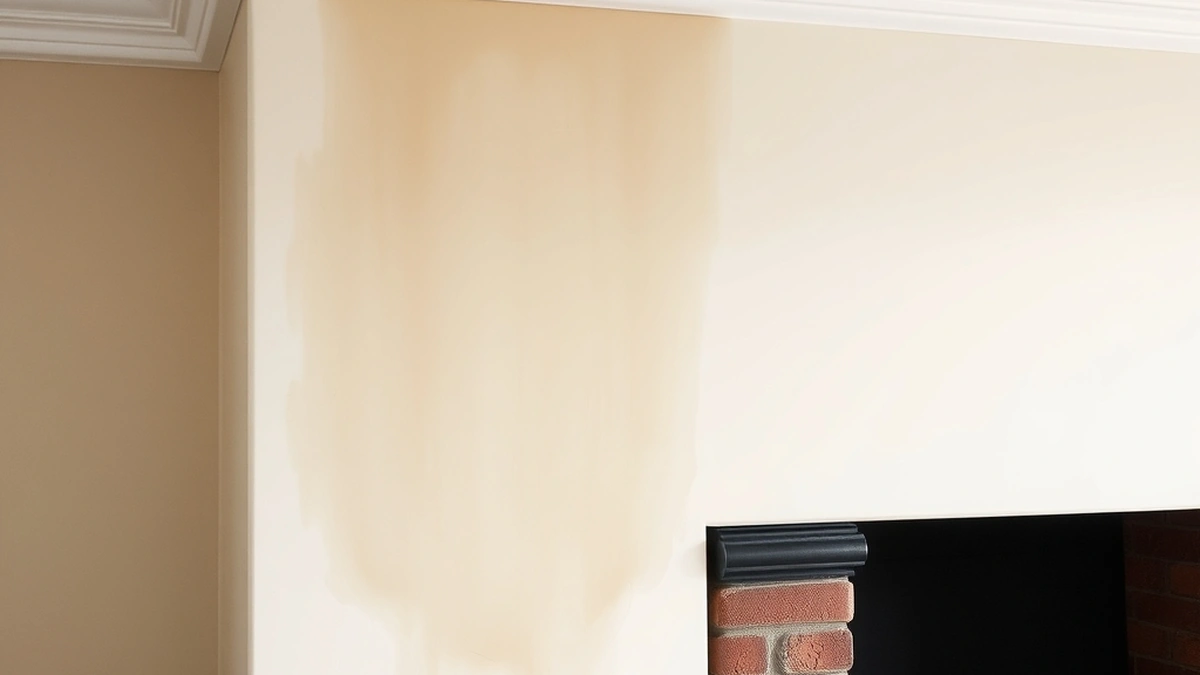
The warning signs of a chimney leak are water staining on the chimney breast, damp or efflorescent masonry below the roof line, rust on the cap or flashing, and a leak that appears only in wind-driven rain. The timing of the leak identifies which path is admitting water.
- Crown repair
- $400 - $1,500
- Flashing repair
- $400 - $1,500
- Cap
- $150 - $600
- Inspection
- $150 - $800
- Liner if flue damaged
- $1,500 - $4,000
Some links on this page are affiliate links.If you buy through them we may earn a commission at no extra cost to you. We do not accept payment for rankings. Read the full disclosure.
The first sign of a chimney leak is usually a damp patch or a faint stain on the chimney breast, not water running down the wall. By the time water is visible, it has already travelled through the structure. The timing of when it appears is the most useful clue to which of the four paths is admitting it.
The four paths and their signatures
| Path | Where the sign appears | When it appears |
|---|---|---|
| Cap missing | Top of the flue, damp firebox | Any heavy rain |
| Crown failed | Damp patches down the stack | Any heavy rain |
| Flashing failed | Stain at the ceiling near the chimney | Wind-driven rain |
| Brick face | Damp, efflorescent masonry outside | Prolonged wet weather |
| Flue damage | Damp patches, rusted appliance parts | Any rain, plus condensation |
A leak that only appears in storms is the most diagnostic, because wind is doing something that gravity alone does not.
Inside the house
Four interior signs matter.
Water staining on the chimney breast. A brown tide mark that grows after rain is the classic sign.
Damp patches on the ceiling near the chimney. Water travels along the structure, so the stain can be some distance from the stack.
A smell of damp or soot in the room. Water reacting with soot produces a distinctive, sour smell.
Rust or corrosion on the appliance or its connections. Moisture in the flue corrodes metal parts.
Any of those justifies an inspection at $150 to $800. Two or more justify it immediately.
Photograph the stain with something for scale — a coin, a hand — and note the date. A stain that grows measurably between storms is an active leak rather than an old mark, and the photograph is the evidence that gets a contractor to take it seriously.
Outside the house
From the ground with binoculars, five things are visible.
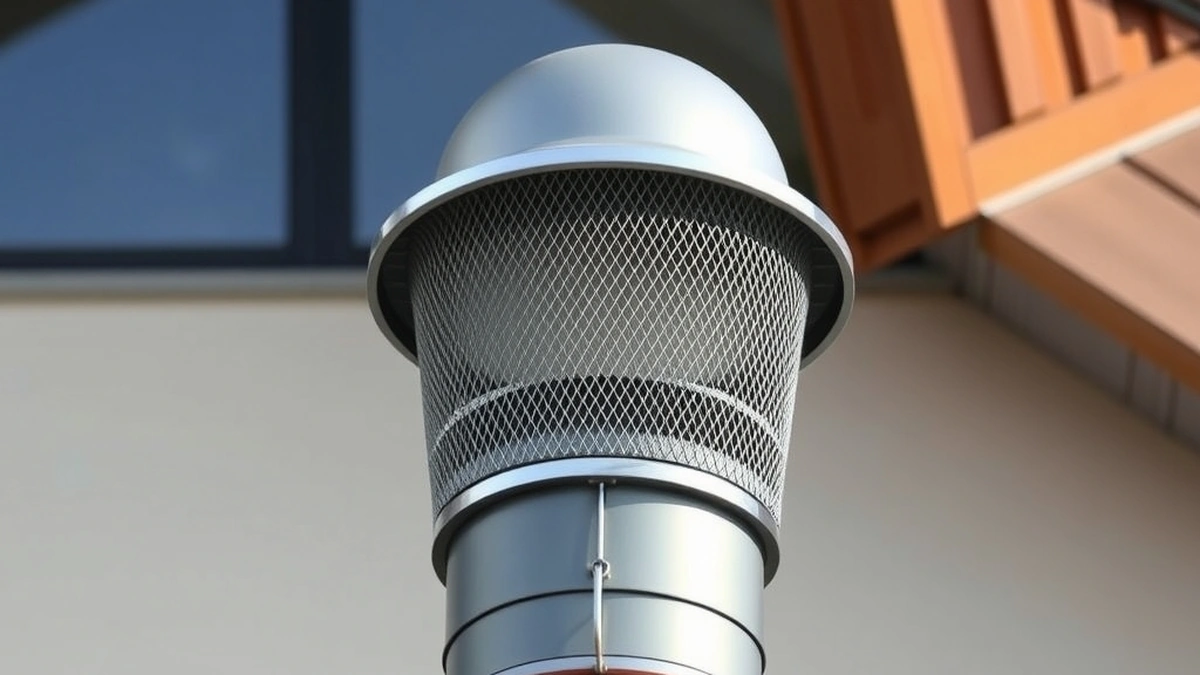
Rust on the cap. A rusted cap has usually stopped shedding water properly.
A missing cap. An open flue is the cheapest leak to fix at $150 to $600.
A flat or cracked crown. Look for a mossy, puddled top or a visible crack line.
Lifted or sealed-over flashing. A bead of sealant on the brick above the roof line is a sign of a previous shortcut.
White staining on the brick. Efflorescence means water is moving through the masonry.
Dark streaks below a joint, rather than an even dampness, point to a specific entry point.
Reading the timing
The timing narrows the cause faster than any visual inspection.
Only in wind-driven rain: flashing. Wind pushes water sideways into a joint that gravity alone does not reach.
In any heavy rain, tracking down the stack: the crown.
In any rain, with a damp flue top: the cap.
In prolonged wet weather, with no clear entry point: the brick face.
In cold weather with the appliance off: condensation rather than a leak, which is a ventilation and liner issue rather than a water path.
The signs that are not a leak
Three lookalikes are worth ruling out.
Condensation. Appears in cold weather, spread across the flue, worse when the appliance is idle.
Hygroscopic salts. Old masonry can hold salts that pull moisture from the air and keep a patch damp even in dry weather. That is a masonry condition, not an active leak.
Roof leak elsewhere. Water can enter at a valley or a vent and travel to the chimney breast. If the flashing is sound and the crown is sound, widen the search.
What each sign costs to address
A missing cap: $150 to $600.
A failed crown: $400 to $1,500.
Failed flashing: $400 to $1,500.
Eroded joints: repointing at $400 to $1,500.
Water that has damaged the flue: a liner at $1,500 to $4,000.
Water that has been entering for years: repointing plus a crown plus flashing, and if the brick has spalled, the partial rebuild band of $5,000 to $15,000.
Every step up that ladder is a delay, not bad luck.
The cost of waiting is not only repair money. Saturated masonry loses insulation value, damp patches spread into interior finishes, and a small flashing repair can become a plastering job as well. Those costs sit outside the chimney budget and are easy to overlook when the leak “only shows up in storms”.
What to do when you see a sign
- Photograph the stain and note the date and weather.
- Watch it through the next heavy rain and note whether it grows immediately.
- Check the cap and crown with binoculars from the ground.
- Book an inspection at $150 to $800 rather than a repair visit.
- Ask for the report to separate crown, flashing, cap, brick, and flue.
The fourth step matters. Booking a repair commits you to a trade; booking an inspection gets you a diagnosis.
Ask specifically whether the inspection includes the flue with a camera. A report on the masonry alone can miss a cracked tile that is the source of moisture inside the chimney, and that omission sends you back for a second visit.
Where the flue fits
Water entering at the top can damage the liner over time, and a damaged liner is a venting problem as well as a water one.
A cracked flue tile, a rusted appliance connection, or a flue that is the wrong size for the appliance all need a qualified chimney technician. Liner work at $1,500 to $4,000 belongs there, not with a roofer.
Our chimney leak cost page prices each repair, and chimney leak prevention covers the routine that stops the ladder before it starts. For the repairs themselves, see chimney leak repair.
Frequently asked questions
What are the first signs of a chimney leak?
A damp patch or stain on the chimney breast, white staining on the brick outside, rust on the cap or flashing, and water appearing after heavy rain. The first sign is often a smell of damp rather than visible water.
Why does my chimney only leak in certain weather?
Wind direction tells you the path. Wind-driven rain pointing to a leak means flashing. A leak in any heavy rain means the crown or the brick face. A leak in dry windy weather means downdraft, not water.
What does white staining on a chimney mean?
Efflorescence: salts left behind as water evaporates from the masonry. It is evidence that water is moving through the wall, not a defect in the brick itself.
Can a chimney leak cause a ceiling stain away from the chimney?
Yes. Water can travel along the roof structure before it shows. A ceiling stain several feet from the chimney still points to the roof line as a likely source.
How do I tell a chimney leak from condensation?
Condensation tends to appear in cold weather when the appliance is off and is spread across the flue. A leak appears after rain, often in a defined patch, and is worse in storms.
When should I call someone?
As soon as water is visible inside. Water that reaches the ceiling has already travelled through the structure, and the repair cost rises with the delay.
Sources
Some links are affiliate links.If you buy through them we may earn a commission at no extra cost to you. We do not accept payment for rankings. Read the full disclosure.