Chimney leak: how to prevent it
Prevent chimney leaks by keeping the cap, crown, and flashing sound and the masonry sealed. A yearly check and a $150-$600 cap stop most water damage.
Prevent chimney leaks by capping the flue at $150 to $600, keeping the crown sloped and sound at $400 to $1,500 when it fails, maintaining the flashing, and inspecting the whole chimney once a year for $150 to $800.
- Cap
- $150 - $600
- Crown repair
- $400 - $1,500
- Flashing repair
- $400 - $1,500
- Annual inspection
- $150 - $800
- Rebuild if ignored
- $5,000 - $15,000
Some links on this page are affiliate links.If you buy through them we may earn a commission at no extra cost to you. We do not accept payment for rankings. Read the full disclosure.
Chimney leaks are preventable because they come from four known paths: the flue opening, the crown, the flashing, and the brick face. Cap the flue at $150 to $600, keep the crown sloped, maintain the flashing, and inspect once a year at $150 to $800. That programme costs far less than the repairs that follow years of water.
The four paths, and what closes them
| Path | How water enters | Prevention | Cost |
|---|---|---|---|
| Flue opening | Rain straight down the flue | Cap with mesh | $150 - $600 |
| Crown | Flat or cracked top | Sloped, overhanging crown | $400 - $1,500 |
| Flashing | Roof-line joint | Metal cut into masonry | $400 - $1,500 |
| Brick face | Absorbed through joints | Repointing, breathable repellent | $400 - $1,500 |
| Flue interior | Condensation and rain | Correct liner and cap | $1,500 - $4,000 |
The first row is the cheapest and the most often skipped, because an open flue looks normal from the ground.
Start with the cap
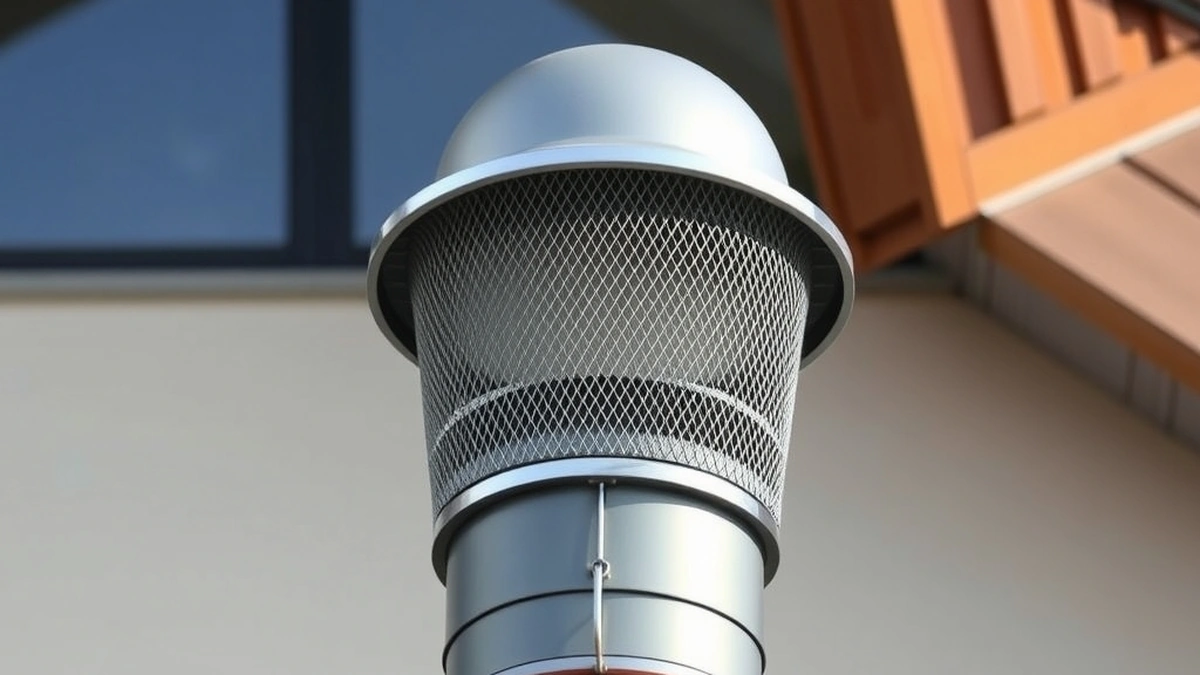
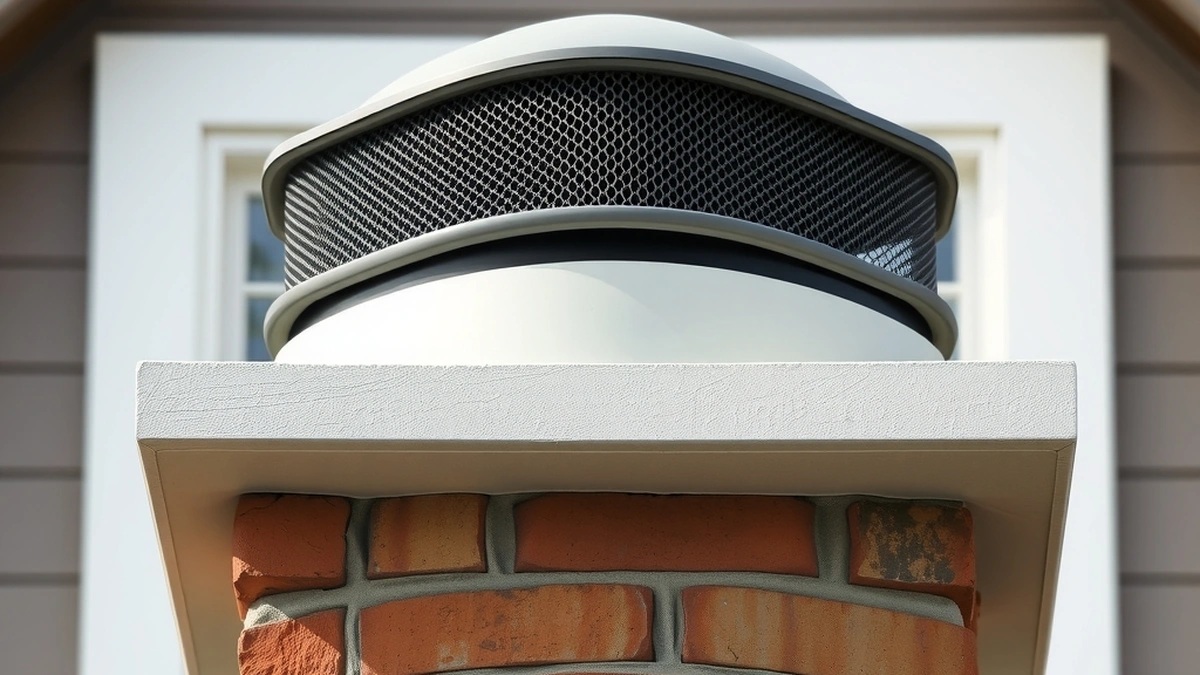
A cap sits over the flue opening, supported on legs or a shroud, with mesh sides.
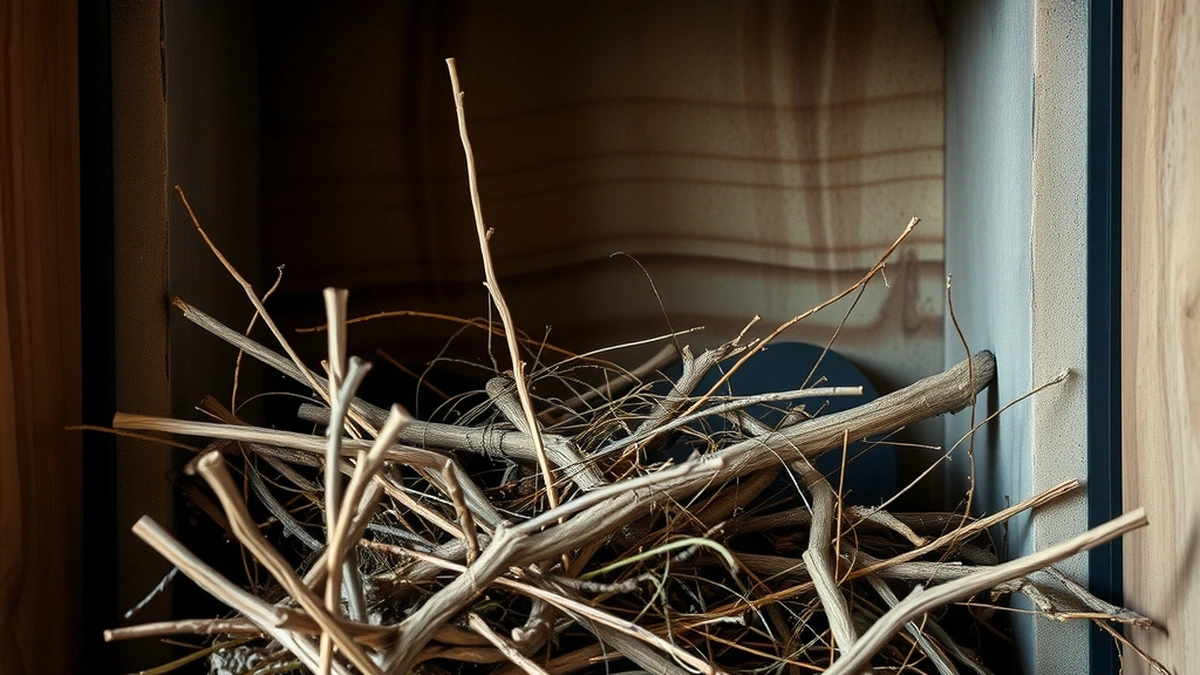
It keeps out rain, birds, squirrels, and leaves. It also stops downdraft to some extent by disturbing the airflow across the top.
At $150 to $600 installed, it is the best-value item on the list. If your chimney has no cap, that is the first thing to fix.
A cap does not seal the flue. Combustion gases still have to escape, so the cap must be sized and positioned to allow draught. That is a technician’s call, not a case of fitting the tightest cover available.
Keep the crown working
The crown is the concrete top of the stack. It should slope away from the flue and overhang the brick so water drips clear.
Two failures are common. A flat crown holds water until it finds a crack. A crown bonded rigidly to the flue cracks as the flue expands with heat.
Repair runs $400 to $1,500. Left alone, water entering at the crown travels down through the masonry and shows up as damp patches well below the roof line.
Our crown rebuild reviews page covers what a sound crown looks like.
Maintain the flashing
Flashing seals the roof line, and it moves with the building.
The durable detail is counter-flashing cut into a reglet in the masonry, overlapping step flashing woven into the shingles.
Sealant along the brick face is not a flashing repair. It fails within a season or two, and it hides the failed metal.
Repair runs $400 to $1,500. Check the joint after any storm that drives rain sideways, because wind-driven rain finds flashing defects first.
Protect the brick
Eroded joints and spalled brick let water into the wall.
Repointing at $400 to $1,500 restores the weather skin when the brick units are sound. Where faces have flaked away, the brick has to be replaced first.
A breathable water repellent can reduce absorption on sound masonry. A film-forming sealer cannot, because it traps moisture inside the wall and accelerates spalling.
The yearly inspection
- Book an inspection at $150 to $800 in spring or early autumn.
- Ask for the crown, cap, flashing, brick, and flue to be reported separately.
- Photograph anything flagged before it is repaired.
- Fix the cheapest water path first if the budget is limited.
- Keep the report for the next inspection and for any insurance discussion.
The report is the useful artefact. It turns “the chimney leaks sometimes” into a list of specific defects with prices.
Book the inspection for spring. Water damage accumulates over winter, and a spring visit catches what the freeze-thaw season did while there is still a dry summer to do the work in. An autumn visit tends to find the same problems with less time to fix them.
Inside the house, and where prevention stops
Three indoor habits reduce water damage.
Keep the flue damper closed when the appliance is not in use, so warm air does not carry moisture up the flue.
Watch for damp patches on the chimney breast after storms, and note the timing, because the pattern identifies the path.
Do not block ventilation in the room with the appliance. A room sealed too tightly can depressurise and pull smoke and moisture back down the flue.
Where prevention stops.
Prevention protects masonry and joints that are still sound. It does not repair damage that has already occurred.
If the brick has spalled across the exposed stack, if the crown cannot be repaired, or if the structure has moved, the repair is a partial rebuild at $5,000 to $15,000.
If the flue is cracked, the repair is a liner at $1,500 to $4,000, and that decision belongs with a qualified chimney technician.
Neither is a maintenance failure at that point; it is the accumulated cost of water that was not stopped earlier.
The budget in one line
Cap $150 to $600 once. Inspection $150 to $800 a year. Crown or flashing repair $400 to $1,500 when needed, perhaps every fifteen to twenty-five years. Repointing $400 to $1,500 at a similar interval.
That is a maintenance programme measured in hundreds of dollars. The alternative is measured in thousands.
The single most useful habit is not on that list: look at the chimney after every storm. Most leaks are visible as a fresh damp patch within a day, and a leak caught in its first season costs a fraction of one caught after three winters.
Our chimney leak cost page prices each repair, and chimney leak signs covers what to look for between inspections. For the repair side, see chimney leak repair.
Frequently asked questions
How can I prevent a chimney leak?
Cap the flue, keep the crown sloped and sound, maintain the flashing, and inspect the chimney once a year. Those four items cover the water paths that cause almost every leak.
Does a chimney cap prevent leaks?
It prevents rain entering the flue directly, which is the cheapest and most common leak path. It does not stop water entering through the crown, flashing, or brick, so the rest of the chimney still needs attention.
How often should a chimney be inspected?
Once a year, at $150 to $800. The inspection covers the crown, cap, flashing, brick, and flue, and it is the point at which small water problems are caught before they become structural.
Should I seal my chimney brick?
A breathable water repellent can help on sound masonry. A film-forming sealer traps moisture and accelerates spalling, so avoid anything that stops the wall drying outward.
What is the most common chimney leak?
Water entering the flue through a missing cap, and water entering at failed flashing. Both are inexpensive to fix when caught early.
Can a leak be prevented after it has started?
The damage can be stopped by fixing the water path, and further damage prevented by maintenance. Masonry that has already spalled needs repair rather than prevention.
Sources
Some links are affiliate links.If you buy through them we may earn a commission at no extra cost to you. We do not accept payment for rankings. Read the full disclosure.