Creosote build-up: how to prevent it
Prevent creosote by burning dry wood, keeping the fire hot, warming the flue, and sweeping at an eighth of an inch. Four habits that keep deposits at stage 1.
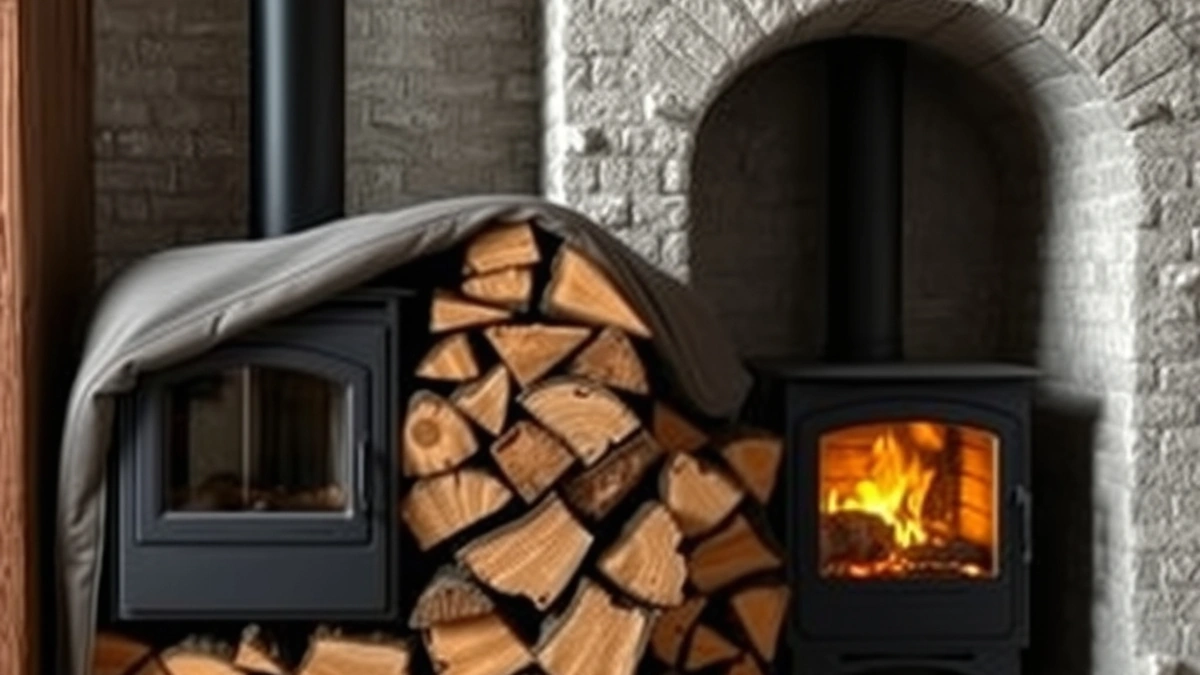
Prevent creosote by burning seasoned wood under 20 percent moisture, running the fire hot rather than smouldering, warming the flue before lighting, and sweeping when deposits reach an eighth of an inch. Wet wood and a choked air supply are the two biggest causes.
- Wood moisture
- Under 20%
- Sweep threshold
- 1/8 inch of deposit
- Typical sweep
- Once a year
- Sweep cost
- $150 - $400
- Liner if ignored
- $1,500 - $4,000
Some links on this page are affiliate links.If you buy through them we may earn a commission at no extra cost to you. We do not accept payment for rankings. Read the full disclosure.
Creosote prevention comes down to one idea: keep the flue gases hot and complete the burn. Wet wood, a choked air supply, and a cold flue all send unburned gas up the chimney, where it condenses into deposit. Dry wood, a hot fire, and a sweep at an eighth of an inch keep it at stage 1.
What creosote is and why it forms
Creosote is condensed unburned wood gas.
When wood burns incompletely, the gases that leave the firebox include tars and volatile compounds. If the flue is cool, those gases condense on the walls before they reach the top.
The slower and cooler the burn, the more condenses. That is why a smouldering fire overnight is the classic creosote generator.
The four habits that matter
| Habit | What it does | Why it works |
|---|---|---|
| Burn seasoned wood | Under 20% moisture | Less water to boil off, hotter fire |
| Keep air open | Avoid choked-down burns | More complete combustion |
| Warm the flue | A small hot fire first | Less condensation at startup |
| Sweep on condition | At 1/8 inch of deposit | Removes before it glazes |
The first two do most of the work. The last one is the safety net.
Wood moisture, measured not guessed
Wet wood is the single largest cause of creosote.
Freshly cut hardwood can be 40 to 60 percent moisture. Every kilogram of water in the wood has to be boiled off by the fire, which cools the combustion gases and sends more unburned material up the flue.
The target is under 20 percent. Measure it on a freshly split piece with a moisture meter, not on the end of a log, because the ends dry faster than the centre.
Split, stack, and cover the top for at least a year. Softwoods dry faster but carry less energy per volume; hardwoods take longer and burn hotter.
Fire management
A hot fire is a clean fire, within the appliance’s limits.
Do not choke the air supply down to stretch a burn overnight, because that is exactly when the deposit forms. If the appliance is designed for overnight burns, follow its instructions rather than improvising with the air control.
Load smaller pieces more often rather than one large log on a low fire. Smaller pieces burn more completely.
On a cold day, burn a small hot fire first to warm the flue before loading the box. The first gases are the ones most likely to condense.
Sweeping on condition
The rule from the trade is to sweep when the deposit reaches about an eighth of an inch, roughly 3 mm.
That is a condition, not a calendar date. A household burning dry wood in a modern appliance may go a year; a household burning wet wood in an old stove may need attention twice as often.
Check by opening the cleanout or the flue access and looking at the wall with a torch. If you can see a distinct layer, book a sweep at $150 to $400.
Do not judge from the top only. Deposit builds unevenly, and the upper flue is often where the glaze forms.
A simple routine helps:
- Open the cleanout or flue access once a month during the burning season.
- Shine a torch up the wall and estimate the deposit layer.
- Note the date and the thickness in a notebook or phone.
- Book the sweep when it approaches an eighth of an inch.
- Have the flue inspected once a year regardless.
Recording it takes a minute and replaces guesswork with a date.
What to avoid, and the role of the flue
Three practices make creosote worse.
Burning unseasoned or rubbish wood. Wet wood, painted timber, and household waste all produce more deposit and some produce corrosive compounds.
Burning a hot fire to burn off the deposit. That is how chimney fires start. A chimney fire can crack the flue and spread into the structure.
Relying on a chemical log instead of sweeping. Additives can modify the deposit; they do not remove it and they do not replace an inspection.
The role of the flue.
A correctly sized, properly insulated flue stays warmer, which reduces condensation.
An oversized flue on a small appliance is a common cause of poor draught and heavy deposit, because the gases cool before they reach the top. A liner sized to the appliance fixes that, and it is a technician’s decision.
Any change to the liner, the flue, or the appliance connection is venting work. It belongs with a qualified chimney technician working to the appliance’s listed requirements.
The prevention budget
Annual inspection at $150 to $800. Sweep at $150 to $400 when the deposit reaches an eighth of an inch. A moisture meter, once. Seasoned wood.
Over ten years, sweeping and inspecting is a few thousand dollars at most. A stage 3 flue that needs a liner at $1,500 to $4,000 is a single bill that can exceed several years of that programme, and it follows a period of neglect rather than bad luck.
What prevention cannot do
It cannot make sweeping unnecessary. Wood smoke always deposits something, and every appliance needs periodic cleaning.
It cannot fix a flue that is already damaged. If the tile is cracked or the glaze is bonded in, a liner at $1,500 to $4,000 is the repair regardless of how the fire is run from now on.
It cannot substitute for an inspection. A flue can look clear from the firebox and have a cracked tile halfway up.
Our creosote build-up repair guide covers the removal stages, and creosote build-up signs covers what to look for between sweeps. For the cost side, see creosote build-up cost.
Frequently asked questions
How do I stop creosote building up?
Burn dry, seasoned wood under 20 percent moisture, keep the air supply open enough for a hot fire, warm the flue before lighting, and sweep when deposits reach an eighth of an inch.
Does burning hotter reduce creosote?
Yes. A hot fire sends less unburned gas up the flue, and a warmer flue condenses less of what does pass. Smouldering fires produce the most deposit.
What moisture content should firewood be?
Under 20 percent, measured on a split piece with a moisture meter. Wood that has been split and stacked under cover for a year usually reaches that.
Do creosote-reducing logs work?
They can modify deposits chemically, but they do not remove them and they do not replace a sweep or an inspection. Treat them as a supplement, not a substitute.
How often should I sweep if I burn every day?
Check monthly and sweep when the deposit reaches an eighth of an inch, which may mean more than once a year for a heavily used stove.
Does a chimney liner reduce creosote?
A correctly sized, insulated liner keeps flue gases warmer, which reduces condensation and can reduce deposition. It does not eliminate the need for sweeping.
Sources
Some links are affiliate links.If you buy through them we may earn a commission at no extra cost to you. We do not accept payment for rankings. Read the full disclosure.