Creosote Build-Up Warning Signs
Learn the early warning signs of creosote buildup in your chimney to keep your home safe and avoid costly repairs.
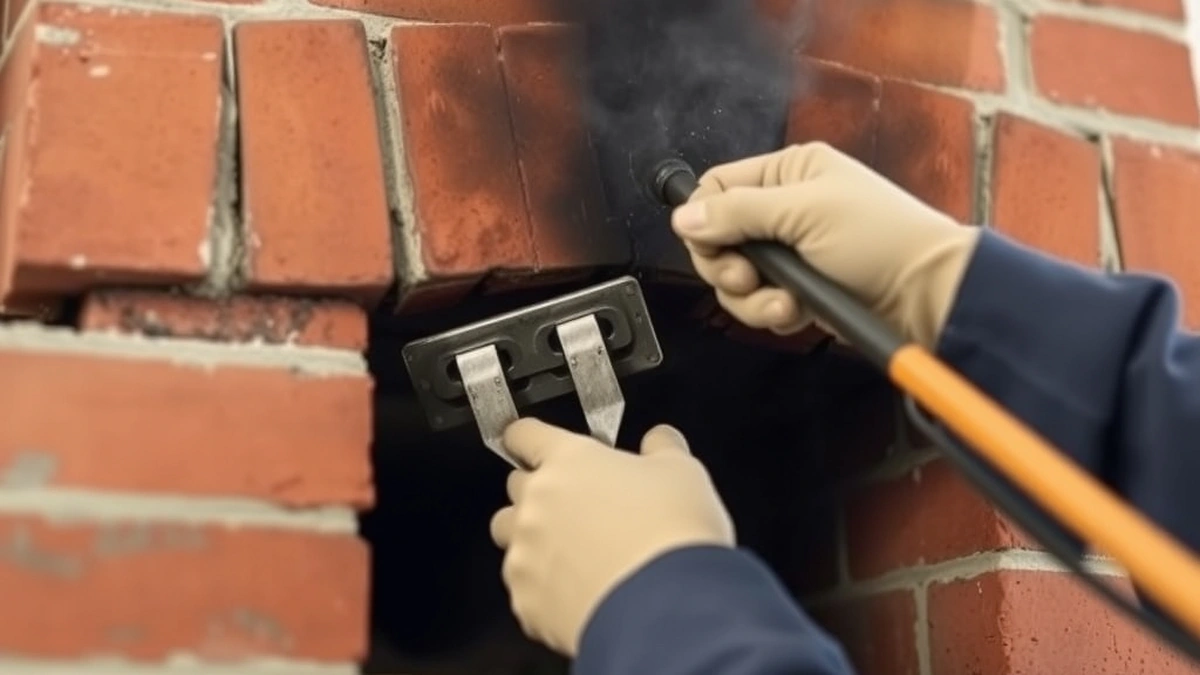
Creosote build-up warning signs include thick black deposits on the chimney walls, a strong acrid odor from the fireplace, and reduced heat transfer to the hearth. Regular inspections are the best defense.
- Typical range
- Varies by system and site
- First step
- Measure the space and confirm the load
- Professional help
- Recommended for structural or electrical work
Some links on this page are affiliate links.If you buy through them we may earn a commission at no extra cost to you. We do not accept payment for rankings. Read the full disclosure.
Creosote build-up is a persistent issue for many homeowners with wood-burning stoves and fireplaces. This combustible residue forms as a result of burning wood, and while it is normal, excessive accumulation poses serious fire risks. Recognizing the warning signs early can save you from expensive chimney repair bills and keep your home safe. Ignoring these early indicators can lead to dangerous chimney fires, carbon monoxide issues, and costly structural damage.
Understanding Creosote Build-Up
Creosote is a tarry, brownish-black substance that condenses on the inner walls of your chimney flue as wood burns. As temperatures drop, the hot gases carrying soot and vapor cool down, leaving behind this sticky deposit. Over time, this buildup hardens and becomes increasingly flammable. According to the Environmental Protection Agency, creosote is highly combustible and is the leading cause of house fires related to wood heating systems. It forms in three distinct stages: soft, sticky tar; semi-solid chunks; and finally, hard black crusts. Soft creosote is relatively easy to clean with a brush, while the hard crusts require aggressive scraping or chemical dissolution.
The Most Common Warning Signs
You do not need a degree in engineering to spot the early indicators of creosote accumulation. Watch for these telltale signs:
- Odor: A strong, acrid, bitter smell wafting from the fireplace, reminiscent of tar or char.
- Color Changes: Yellow, orange, or dark black streaks appearing on the interior chimney walls or damper.
- Smoke Behavior: Backpuffing, where smoke reverses direction and fills the room instead of rising up the flue.
- Cold Hearth: The top of your fire feels cold to the touch, indicating poor heat transfer due to blocked flue passages.
How Build-Up Affects Fireplace Performance
As creosote coats the inner walls of the flue, it acts as an insulator. This reduces the draw of the chimney, meaning your fire doesn’t pull air efficiently. You may also notice that your logs take much longer to burn, requiring more wood to achieve the same heat output. Because the flue is partially blocked, some of the heat generated by the fire transfers into the chimney wall rather than your living space. This wasted heat means your fire burns hotter and faster, accelerating the creosote formation process. Additionally, a restricted flue not only wastes heat but also creates hazardous indoor air quality issues. When the chimney cannot draw properly, exhaust gases, including carbon monoxide, have nowhere to go but back into your living space.
Cost Comparison: Ignoring Signs vs. Preventative Maintenance
Addressing creosote build-up early is significantly cheaper than dealing with severe damage later. Here is a breakdown of typical costs for common interventions:
| Service | Estimated Cost Range | Notes |
|---|---|---|
| Routine Chimney Sweep | $150 – $400 | Prevents heavy buildup by clearing minor deposits |
| Level 1-3 Inspection | $150 – $800 | Visual check of the entire flue system |
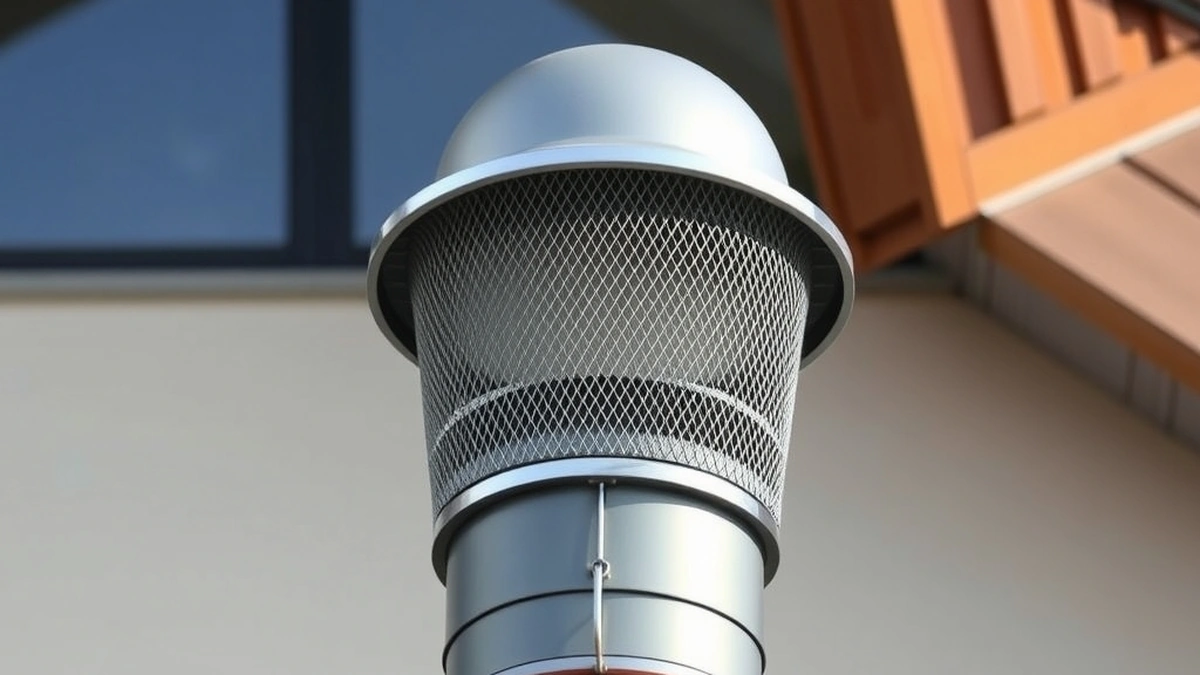
| Chimney Cap Installation | $150 – $600 | Keeps debris out of the top of the flue |
| Crown Repair | $400 – $1,500 | Fixes water damage at the top of the chimney |
| Stainless Liner Installation | $1,500 – $4,000 | Prevents future buildup and improves safety |
| Partial Rebuild | $5,000 – $15,000 | Required if extensive structural damage exists |
If you ignore the warning signs and wait until the flue is severely coated, you might face a partial rebuild costing between $5,000 and $15,000. Conversely, routine maintenance keeps costs low. For example, scheduling three standard sweeps throughout the heating season—at an average of $200 each—totals $600. This is a fraction of the $5,000 to $15,000 needed for a partial rebuild. Even a basic chimney cap, which costs between $150 and $600, can prevent debris from entering the flue and exacerbating the buildup.
Cleaning and Remediation Options
When warning signs appear, you have a few options for remediation. Professional chimney sweeps use specialized rods and brushes to scrape away the buildup safely. For moderate deposits, chemical cleaners can be used, though they require patience and proper ventilation. However, if the buildup is thick and hardened, mechanical removal is necessary. In some cases, installing a new stainless steel liner is recommended. A stainless liner resists corrosion and creosote adhesion, making future cleanings easier and extending the life of the flue. The cost for a stainless liner ranges from $1,500 to $4,000, depending on the height and diameter of the chimney. While this seems steep, it pays for itself over time by preventing the need for frequent, expensive rebuilds.
Choosing Between DIY and Professional Help
While some homeowners attempt to clean their chimneys themselves, the risks are high. Creosote is highly flammable, and improper cleaning methods can spark a chimney fire. If you choose to handle minor tasks like installing a chimney cap ($150 to $600), ensure you have the right tools and knowledge. However, for anything involving the interior flue, it is best to hire a certified chimney sweep. They have the training to assess the severity of the buildup and use the correct techniques without compromising your safety. A damaged crown—the concrete or stone cap at the very top of the chimney—can allow water infiltration, which accelerates creosote formation. Fixing a cracked crown typically costs between $400 and $1,500, so addressing water entry early is crucial.
Keeping Your Chimney Safe Long-Term
The best way to manage creosote is through proactive care. Burn only seasoned wood, which produces less smoke and fewer tarry deposits. Ensure your damper is working properly to maximize the draw of your fireplace. Schedule an annual inspection ($150 to $800) before the cold season begins. By combining regular maintenance with smart burning habits, you can keep your chimney clear and your home secure. For more information on chimney maintenance and repair, visit our chimney maintenance guide or explore our chimney repair resources.
Next, compare how much does chimney cost, chimney installation, chimney repair before you commit.
Frequently asked questions
What does creosote smell like?
It has a strong, acrid, bitter odor often described as tar or char, especially noticeable when burning seasoned wood.
How thick should creosote get before it is dangerous?
It is dangerous at any thickness because it can ignite explosively, though buildup is typically measured in inches of deposit.
Can I clean creosote myself?
DIY chemical cleaners exist but carry safety risks; hiring a certified sweep is safer and more effective for severe buildup.
How often should I schedule an inspection?
At least once a year, ideally before the heating season starts, to catch early warning signs before they become major problems.
What causes creosote to form so quickly?
Burning unseasoned (wet) wood produces more moisture and tar, while burning softwoods creates more soot and creosote than hardwoods.
Is a stainless steel liner necessary if I have creosote?
A stainless liner prevents future buildup but does not remove existing creosote; you still need regular sweeping and inspections.
Sources
Some links are affiliate links.If you buy through them we may earn a commission at no extra cost to you. We do not accept payment for rankings. Read the full disclosure.