Creosote build-up: repair options by stage
Creosote repair runs from a $150-$400 sweep to a $1,500-$4,000 liner when glazed deposits have damaged the flue. What each stage needs and why.
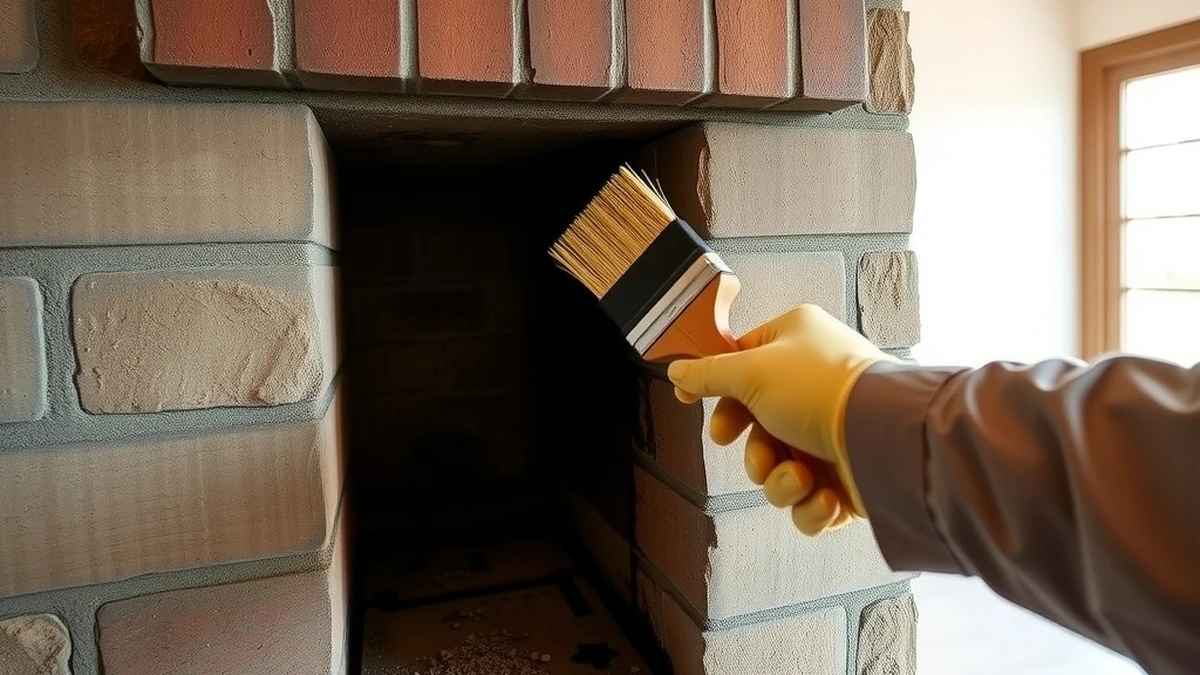
Creosote repair depends on the stage. Stage 1 soot and flaky deposits come off in a sweep at $150 to $400. Stage 3 glazed creosote needs chemical treatment or removal, and if the flue tile has cracked, a stainless liner at $1,500 to $4,000 is the repair.
- Sweep
- $150 - $400
- Inspection
- $150 - $800
- Stainless liner
- $1,500 - $4,000
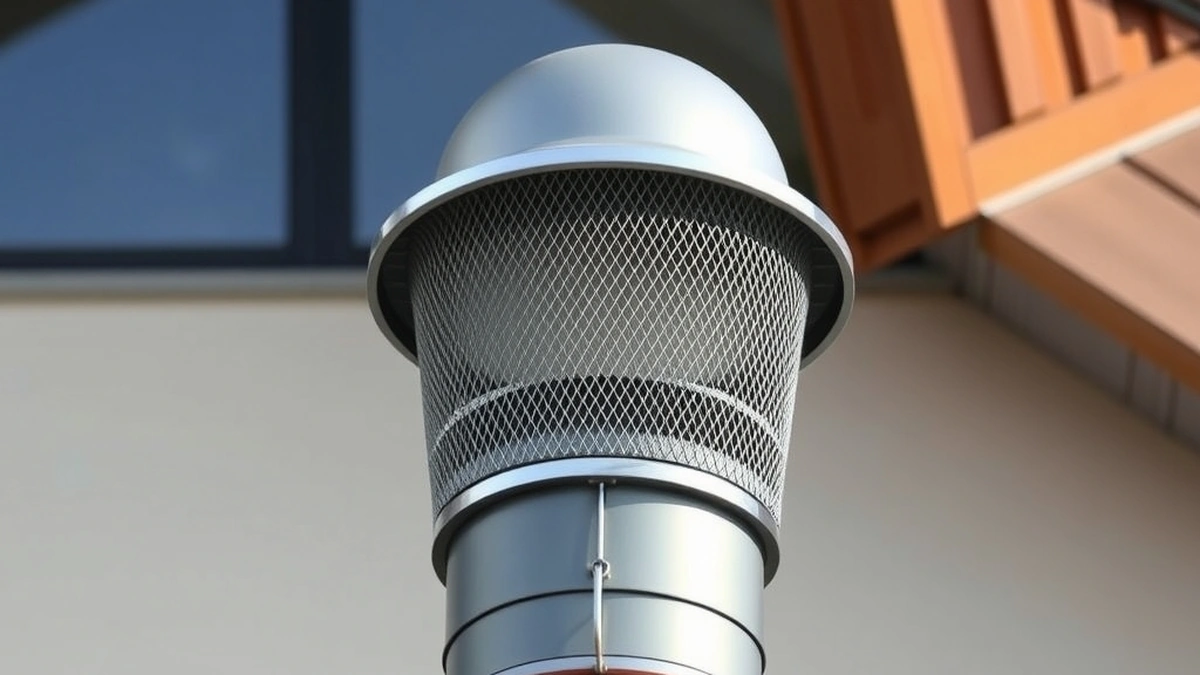
- Cap
- $150 - $600
- Crown repair
- $400 - $1,500
Some links on this page are affiliate links.If you buy through them we may earn a commission at no extra cost to you. We do not accept payment for rankings. Read the full disclosure.
Creosote repair is staged, because creosote is not one substance. Stage 1 soot and flaky deposits come off in a routine sweep at $150 to $400. Stage 2 is tar-like and harder. Stage 3 is glazed, hard, and combustible, and removing it may cost more than a sweep — and if the flue tile has cracked, a stainless liner at $1,500 to $4,000 becomes the repair.
What creosote is
Creosote is a by-product of incomplete combustion. Unburned wood gases travel up the flue, cool against the walls, and condense.
What condenses depends on temperature and fuel. Cool flue gases and wet wood produce more, and the deposit hardens over time.
It is combustible. That is why the deposit thickness, not the calendar, sets the cleaning interval.
The three stages
| Stage | Appearance | Texture | Removal |
|---|---|---|---|
| 1 | Soot and flaky black deposit | Brushes off easily | Standard sweep |
| 2 | Crusty, tar-like | Sticky, harder to shift | Rotary cleaning |
| 3 | Glazed, shiny, hard | Brittle, tar-like when heated | Chemical treatment or aggressive removal |
Stage 3 is the one that changes the budget, and the one that most often leads to a liner.
What each repair costs, and why stage 3 differs
A sweep at $150 to $400 handles stage 1 and light stage 2.
An inspection at $150 to $800 establishes what stage the deposit is at and whether the flue has been damaged. This should come before any removal work on a chimney that has not been checked.
Stage 3 removal commonly costs more than a sweep, because it takes longer, may need chemical treatment over days, and may require rotary equipment.
If the flue tile is cracked or the deposit has damaged the clay, a stainless liner at $1,500 to $4,000 restores a sound flue. Add a cap at $150 to $600 and a crown repair at $400 to $1,500 if those are also failing.
Worked totals
A chimney with stage 1 deposits and a sound flue: sweep $150 to $400. Total $150 to $400.
A chimney with stage 2 deposits and a cracked crown: sweep $150 to $400 plus crown $400 to $1,500, total $550 to $1,900.
A chimney with stage 3 deposits and a damaged flue: removal plus liner at $1,500 to $4,000, plus a cap at $150 to $600, total $1,650 to $4,600 before any crown work.
The step from a sweep to a liner is the step from maintenance to repair, and it is decided by the flue’s condition rather than the deposit’s appearance.
Why stage 3 is different.
Glazed creosote has been heated until it fused into a hard, shiny layer bonded to the flue wall.
It does not brush off. Brushing hard enough to remove it can damage the clay tile, and the deposit is combustible enough that aggressive mechanical removal carries a risk of ignition.
Chemical treatments soften the glaze over time so it can be removed. That takes more than one visit in most cases, and it is a technician’s call rather than a homeowner’s.
The alternative, where the flue is already damaged or the deposit cannot be fully removed, is a liner. That is a venting decision, and it belongs with a qualified chimney technician working to the appliance’s requirements.
When the flue needs a liner
Three conditions point to relining.
The flue tile is cracked, spalled, or missing sections, which an inspection camera will show.
The flue cannot be cleaned back to sound clay because the glaze has bonded into the surface.
The flue is the wrong size for the appliance, which is common after a stove or insert is added to an old chimney.
All three are venting issues. A sweep removes deposit; a liner corrects the flue. They are different jobs with different prices.
Our chimney liner cost page covers the liner side, and stainless relining cost breaks down the installation.
Prevention, which is cheaper than any of it
Creosote forms because combustion is incomplete. Four habits reduce it.
Burn dry wood. Seasoned wood at under 20 percent moisture produces far less deposit than green wood.
Do not run the appliance with the air supply choked down. A smouldering fire sends unburned gases up a cool flue.
Warm the flue before a fire on a cold day, so the first gases do not condense immediately.
Sweep on condition, not on a calendar. Check the deposit thickness and book when it reaches about an eighth of an inch.
Our creosote build-up prevention guide covers the routine in detail.
What not to do
Three responses make the problem worse.
Burning a hot fire to “burn off” the creosote. That is how chimney fires start, and a chimney fire can crack the flue and ignite the structure.
Using a chimney fire log as a substitute for sweeping. It may modify the deposit; it does not remove it, and it does not replace an inspection.
Continuing to use an appliance after a chimney fire without an inspection. The flue may be cracked, and a cracked flue is a venting failure.
The sequence
- Book an inspection at $150 to $800 to establish the deposit stage and flue condition.
- Sweep at $150 to $400 for stage 1 and 2.
- Treat and remove stage 3 under a technician’s direction.
- Reline at $1,500 to $4,000 if the flue is damaged or the wrong size.
- Fit a cap at $150 to $600 and repair the crown at $400 to $1,500 if needed.
- Re-inspect before the appliance goes back into service.
For the cost breakdown by stage, see creosote build-up cost. For the repairs that follow, creosote build-up signs covers what to look for between sweeps.
Frequently asked questions
How is creosote build-up removed?
Stage 1 and 2 deposits are removed by sweeping with brushes and rods at $150 to $400. Stage 3 glazed creosote is harder and may need chemical treatment or rotary cleaning before it can be removed safely.
Can I remove glazed creosote myself?
No. Stage 3 creosote is hard, tar-like, and highly combustible, and the tools needed to remove it can damage the flue. This is technician work.
When does creosote mean a new liner?
When the deposits have damaged the flue tile through repeated heating cycles, or when the flue cannot be cleaned back to sound clay. A stainless liner at $1,500 to $4,000 restores a sound flue.
How often should a wood-burning chimney be swept?
When the deposits reach about an eighth of an inch, which for many households is once a year. Burn rates, wood moisture, and appliance type change that, so the sweep is scheduled on inspection rather than a fixed date.
Does a chimney fire always damage the flue?
Not always visibly, but the heat can crack tiles and distort metal. Any chimney that has had a fire needs an inspection at $150 to $800 before it is used again.
What causes creosote in the first place?
Incomplete combustion. Wet wood, a cool flue, and restricted air supply all send unburned gases up the chimney, where they condense as creosote on the cooler walls.
Sources
Some links are affiliate links.If you buy through them we may earn a commission at no extra cost to you. We do not accept payment for rankings. Read the full disclosure.