Crown rebuild vs Stainless relining
Crown rebuild vs Stainless relining: practical numbers, costs, and trade-offs, written independently.
Crown rebuild vs Stainless relining: practical numbers, costs, and trade-offs, written independently. The guide below shows the numbers and the trade-offs.
- Typical range
- Varies by system and site
- First step
- Measure the space and confirm the load
- Professional help
- Recommended for structural or electrical work
Some links on this page are affiliate links.If you buy through them we may earn a commission at no extra cost to you. We do not accept payment for rankings. Read the full disclosure.
A crown rebuild and a stainless relining fix different failures, and the choice between them runs $400 to $4,000 depending on which failure your chimney actually has. The crown is the concrete cap at the top that sheds water; the liner is the flue surface that carries combustion gases. Water entering from above calls for crown work. A cracked, scaled, or missing flue lining calls for a reline. Some chimneys need both, and the order matters.
What each repair actually does
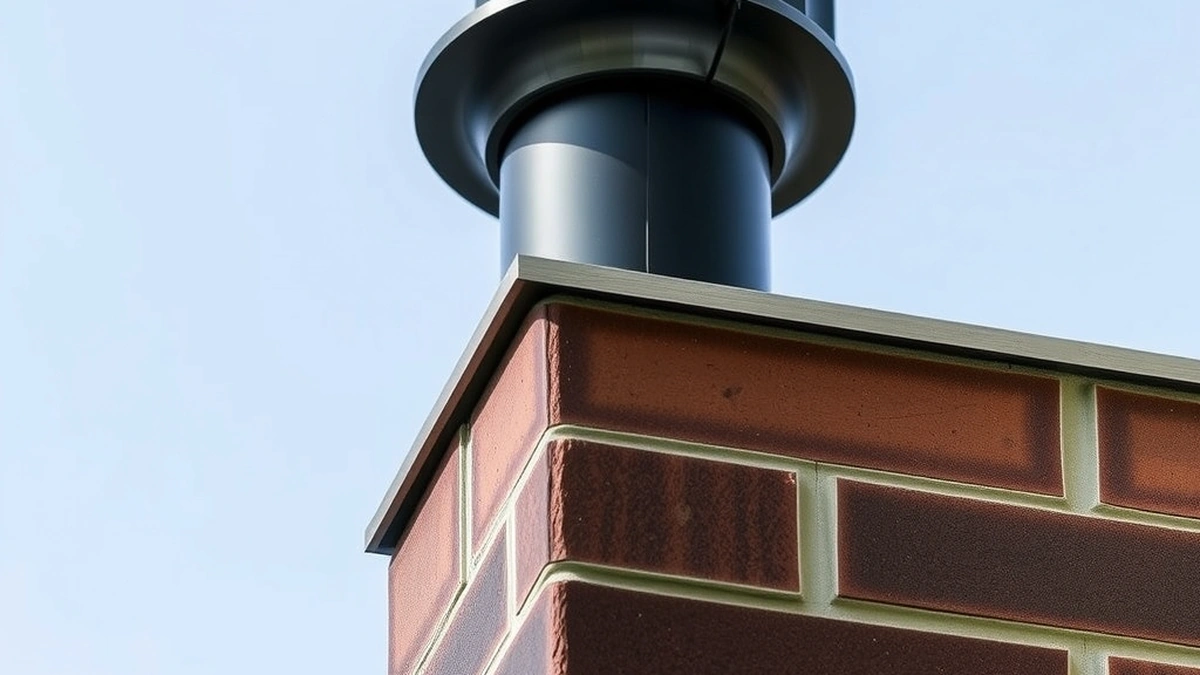
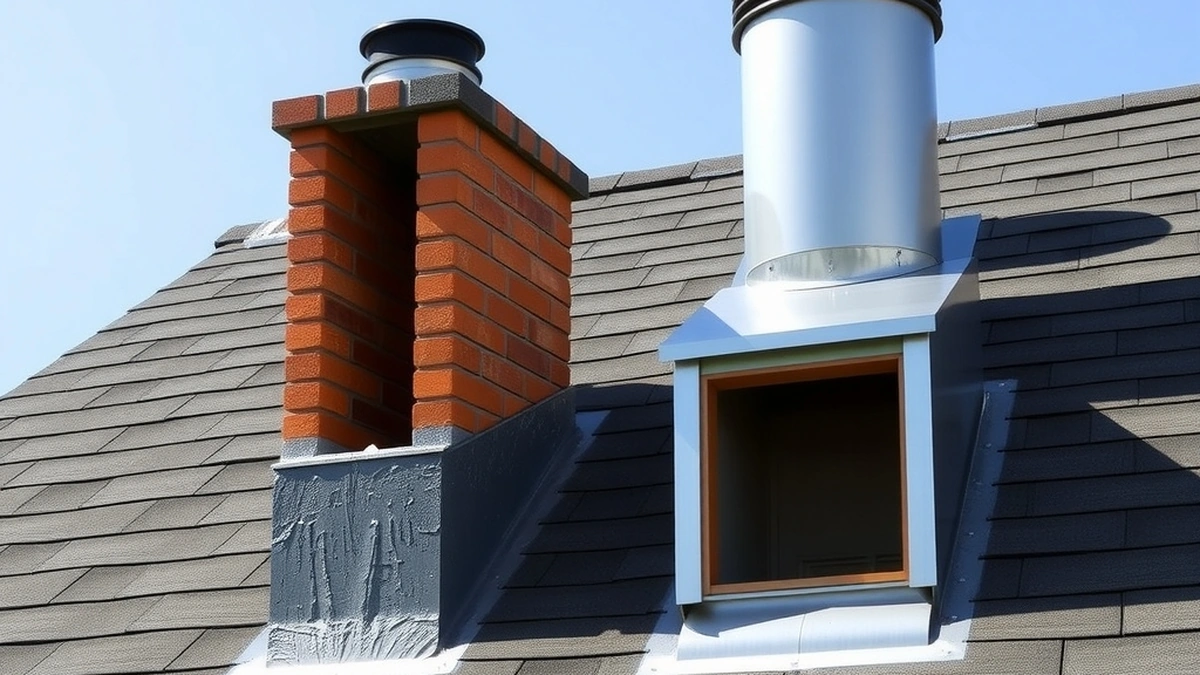
A crown rebuild replaces the concrete or masonry top of the chimney, sloped away from the flue, so rain runs off the stack instead of into it. A stainless relining installs a continuous metal flue inside the existing chimney, sized to the appliance, so combustion gases never touch the old masonry.
One repair manages water at the top of the structure. The other manages heat and gas inside it. They meet at the flue tile, which is why a failed crown so often leads to a failed liner: water comes down the flue, the tile cracks in a freeze, and the next inspection finds both problems.
The failure each one addresses
| Symptom | Likely cause | Repair |
|---|---|---|
| Cracked or spalled concrete at the top | Failed crown | Crown rebuild |
| Water stains partway down the stack | Crown or cap | Crown rebuild, then cap |
| Rust streaks and lifted metal at the roof | Flashing | Flashing repair, not either of these |
| Cracked or missing clay tiles | Failed liner | Stainless relining |
| Soot on the firebox face, smoke spillage | Undersized or unlined flue | Stainless relining |
| Efflorescence plus a cracked crown plus scaled tiles | Both | Crown first, then liner |
The table is the short version of the decision. The long version is a video inspection, because a crown can look sound from the driveway while the flue behind it is in pieces.
Crown rebuild vs stainless relining: the direct comparison
A crown rebuild is exterior work. It is visible, it is masonry, and it is priced by the linear foot of crown and the condition of the brick below it. It does nothing for draft, efficiency, or gas containment.
A stainless relining is interior work. It is invisible when finished, it is priced by the height of the flue and the diameter of the liner, and it does nothing for water entering the top of the stack.
That is the whole comparison. If your problem is water, the crown is the lever. If your problem is the flue, the liner is the lever. Buying one to solve the other is how homeowners end up with a new liner full of rainwater or a sound crown above a flue that cannot be used.
What each costs, with arithmetic
The planning figures are crown repair at $400 to $1,500 and a stainless liner at $1,500 to $4,000. A partial rebuild, when the masonry itself has failed, runs $5,000 to $15,000.
Crown rebuild at the midpoint: ($400 + $1,500) ÷ 2 = $950. Stainless relining at the midpoint: ($1,500 + $4,000) ÷ 2 = $2,750. Both together: $950 + $2,750 = $3,700.
The liner price scales with height. A 25 ft flue needs 25 ft of liner, and if the installed rate is $60 to $160 per foot, the range is 25 × $60 = $1,500 to 25 × $160 = $4,000, which is exactly the published band. A 35 ft flue is 35 × $60 = $2,100 to 35 × $160 = $5,600, so a tall chimney can exceed the standard range before any crown work is added.
Doing both, and the order to do them in
Crown first, then liner. The reason is water. If the crown is rebuilt after the liner goes in, the masonry work sends grit and debris down a brand-new flue, and any water still entering at the top lands on the new liner and the insulation around it. Rebuild the crown, let it cure, then reline.
The exception is a chimney that cannot be used at all until the flue is safe. In that case the liner goes in first and the crown is protected with a temporary cover, but the crown still gets rebuilt before the next heating season.
When neither is enough
A partial rebuild enters the picture when the masonry above the roofline has lost enough brick that a crown has nothing to sit on, or when the flue is unlined and the chimney’s interior is too deteriorated to hold a liner. The planning range is $5,000 to $15,000, and at the midpoint that is ($5,000 + $15,000) ÷ 2 = $10,000.
That number is not a reason to avoid the inspection. It is a reason to have one before authorising a crown or a liner. Rebuilding a crown on a stack that needs reconstruction pays for the same work twice.
How to decide in one inspection
- Ask for a Level 2 inspection with video, which covers the flue, crown, cap, and flashing.
- Have the technician photograph the crown from the roof and the flue from the inside.
- Ask which defect is active: water entering, gas escaping, or both.
- Price the repair that addresses the active defect, not the one that is easier to sell.
- Get the scope in writing with the crown dimensions and the liner diameter named.
The report should answer one question directly: if I do only this repair, what problem remains. If the answer is none, you have the right scope.
What to ask the contractor
Ask whether the crown will be poured or patched, and what slope it will carry away from the flue. Ask whether the liner will be insulated, and whether it is listed for the fuel you burn. Ask whether the liner is sized to the appliance’s flue collar or to the existing tile.
Then ask what happens at the top. A liner that stops below the crown, with no top plate and no cap, is an unfinished job. The crown, the top plate, and the cap are one assembly, and the invoice should treat them that way.
Liner sizing, and anything else that touches the venting path of a gas, oil, or wood appliance, should be assessed by a qualified technician before work starts.
For crown pricing in detail, see crown rebuild cost. For liner options, see stainless relining cost and chimney liner cost. For the water side of the same problem, see chimney leak repair.
Frequently asked questions
What is the most important measurement?
Start with the ceiling or clearance number; it decides which systems can fit.
What does a typical project cost?
Costs vary by system and site access; the guide shows the line items and a planning range.
Can I install this myself?
Some tasks are DIY-friendly, but structural, electrical, and load-bearing work should be done by a licensed professional.
How long does installation take?
A simple setup is a weekend; a full build with electrical or structural work can take several weeks.
What should I check before buying?
Confirm dimensions, load ratings, and the manufacturer's installation requirements for your exact model.
Where can I find local help?
Ask a licensed contractor or installer who has worked with the same system and can inspect your site.
Sources
Some links are affiliate links.If you buy through them we may earn a commission at no extra cost to you. We do not accept payment for rankings. Read the full disclosure.