Flashing repair reviews: judging the work done
Flashing reviews turn on how the joint was detailed, not how the roof looked after. What owners report, the complaints that recur, and how to question a quote.
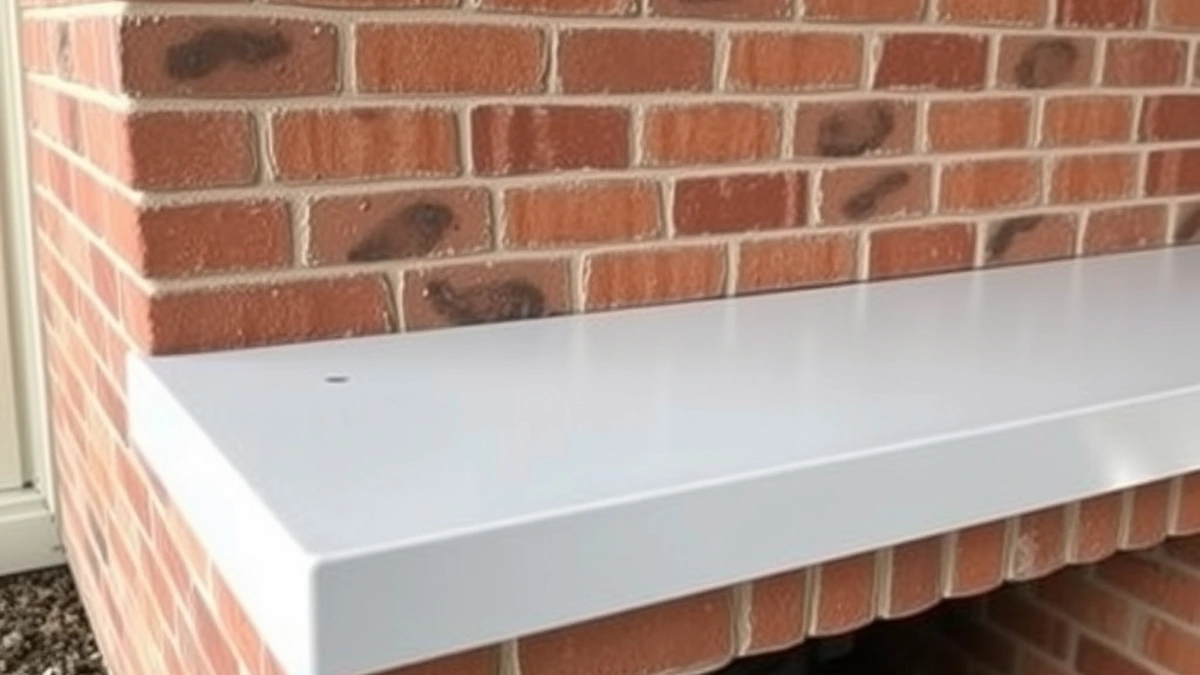
Flashing repair reviews are useful when they say whether the counter-flashing was cut into the masonry and whether the shingles were lifted. Reviews that only describe a tidy finish miss the two details that decide whether the joint leaks again.
- Typical repair
- $400 - $1,500
- Crown repair
- $400 - $1,500
- Cap
- $150 - $600
- Inspection
- $150 - $800
- Failure window
- First storm to two years
Some links on this page are affiliate links.If you buy through them we may earn a commission at no extra cost to you. We do not accept payment for rankings. Read the full disclosure.
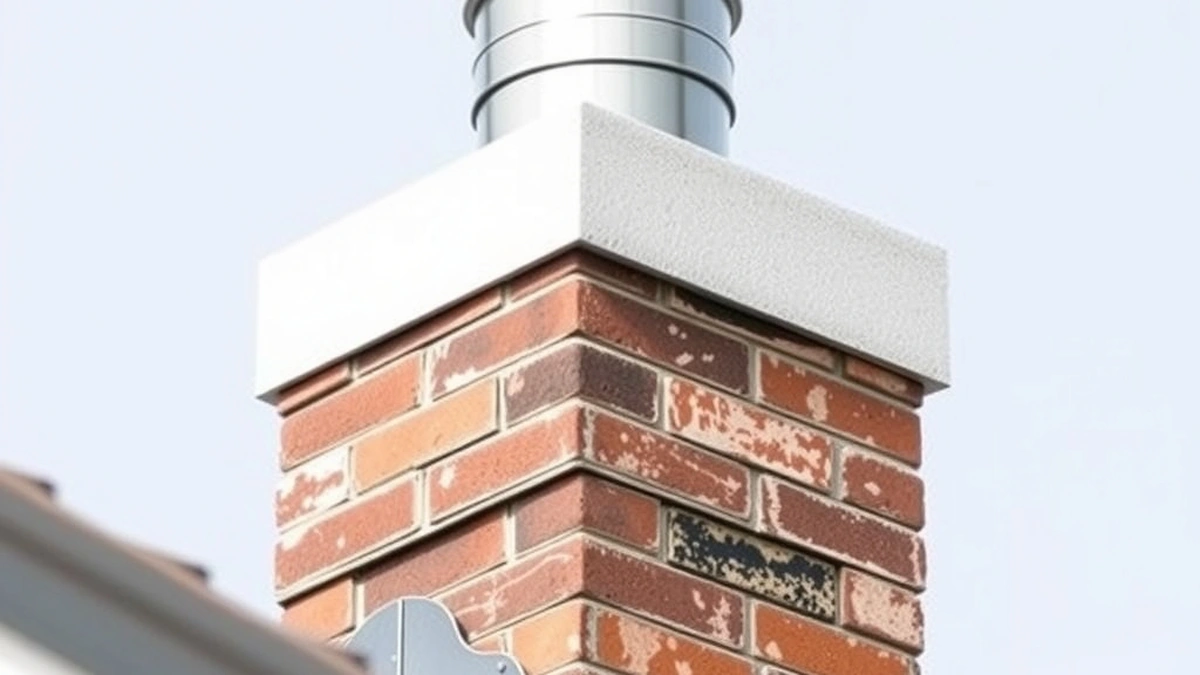
Most flashing repair reviews describe the wrong things. They describe a clean roof, a polite crew, and a fair price, when the two details that decide the outcome are whether the counter-flashing was cut into the masonry and whether the shingles were lifted to integrate the step flashing. Neither is visible from the driveway.
What the job is
Flashing is the metal system that seals the joint between the chimney and the roof.
Step flashing runs in pieces up the roof slope, woven into the shingles. Counter-flashing is set into a groove in the masonry above it, overlapping the step flashing so water runs down and out.
The joint moves with temperature and settlement, so the detail has to allow movement without opening a gap.
What good reviews describe
Three themes recur in accounts of work that held.
The counter-flashing was cut in. The owner saw a groove cut into the brick and the metal set into it, rather than a bead of sealant along the surface.
The shingles were lifted. The roofer removed and re-laid the courses around the chimney so the step flashing interlocked with the roofing.
The crown was checked. Because the crew was already at the roof line, they looked at the other water paths and reported on them.
Those are the details that separate a repair from a reseal.
What bad reviews describe
| Complaint | Underlying cause | When it shows |
|---|---|---|
| Leak returned in a storm | Sealant over failed metal | First wind-driven rain |
| Water behind the metal | Counter-flashing not cut in | First heavy rain |
| Leak in a new place | Shingles not re-laid correctly | Weeks to months |
| Rust within a year | Cheap galvanised metal | 1-2 years |
| Stained ceiling persisted | Water entering at the crown | Immediately |
| Deck rot found later | Leak ran for years before repair | At the next inspection |
The fifth row is the diagnosis failure. A crew that repairs flashing without checking the crown can leave the actual leak untouched, and the owner reasonably concludes the flashing work failed.
The sealant shortcut
Sealant belongs in flashing work at laps and fasteners, in small amounts.
It is not a repair for failed metal, and it is the most common shortcut sold as one.
Two things follow. The sealant cracks as the joint moves, usually within a season. And it covers the failed metal, so the next inspection has to remove the evidence before it can assess the joint.
A review that says “they sealed around the chimney and it leaked again next winter” is describing this exact sequence.
Sealant also hides the evidence. A technician arriving at a joint that has been sealed twice cannot tell whether the metal is sound, whether the reglet exists, or how the shingles were laid under the bead. The first hour of the next visit is spent undoing the last one.
Reading a quote against the reviews
Flashing repair commonly runs $400 to $1,500 with roof access. The band exists because the work involves removing shingles, cutting a reglet, and reinstating the roof.
A quote well below the band is usually a reseal. That is not always dishonest — a sound joint with a failed sealant bead can legitimately be re-sealed — but it should be described as maintenance rather than repair.
Ask three questions before hiring.
Will the counter-flashing be cut into the masonry or surface-mounted? Will the shingles around the chimney be lifted and re-laid? Will the crown and cap be inspected while the crew is on the roof?
The answers tell you which kind of job is being sold. A fourth question is worth adding: what metal will be used, and how long is it expected to last on this roof? Copper and lead run fifty years or more; galvanised steel runs twenty to thirty. The answer should be specific, because it determines when you will be doing this again.
What reviews cannot tell you
Three things sit outside a flashing review.
The flue. A cracked liner is a separate defect, and a stainless liner at $1,500 to $4,000 is the usual repair. Liner and venting work belongs with a qualified chimney technician.
The deck condition. Rot under the shingles is only visible once the roofing is opened.
The crown’s hidden condition. A crown can look sound from the ground and be cracked behind the flashing.
What to do when a repair fails
- Note exactly when the leak appears: any rain, or only wind-driven.
- Photograph the interior staining and its extent.
- Book an inspection at the roof line rather than another reseal.
- Ask the inspector to assess the crown and cap as well.
- Get the report in writing before commissioning more work.
The timing pattern is the most useful diagnostic. Wind-driven only means flashing. Any heavy rain means the crown or the brick face.
The honest summary
A flashing repair at $400 to $1,500 is worth doing properly, because the failure mode of a cheap job is a leak that returns and a roof deck that rots behind it.
Reviews that mention the reglet, the shingles, and the crown are the ones worth reading. Reviews that mention only the finish are not describing the work that matters.
There is also a useful negative signal: a review that describes a leak fixed in one visit with no removal of shingles or metal should be read carefully. Some leaks genuinely are a failed sealant bead, but a joint that has failed structurally cannot be corrected without opening it up. Our flashing repair cost page covers pricing, flashing repair problems covers the failures in detail, and flashing repair maintenance covers the yearly check that catches a joint before it fails.
Frequently asked questions
How do I judge a flashing repair?
Check whether the counter-flashing is cut into a reglet in the masonry, whether the step flashing is woven with the shingles, and whether the metal is new rather than sealed over.
Why do reviews mention the leak coming back?
Because the repair addressed sealant rather than metal, or because the water was entering somewhere else, such as the crown. A leak that returns in the same place usually needs a proper roof-line inspection.
What should a good flashing review mention?
The metal used, how the counter-flashing was fixed into the brick, whether shingles were replaced, and how the joint performed through a winter.
Is a roof-line repair ever a DIY job?
Not on a roof. It requires working at height, lifting shingles, and cutting into masonry. The risk of a fall or a persistent leak outweighs any saving.
How long before a bad repair shows?
The first wind-driven storm, or the first winter. Flashing defects show quickly because the joint moves and the water finds the gap.
Does a flashing review cover the flue?
It should not, because flashing work does not address the flue. Liner and venting work is a separate scope for a qualified chimney technician.
Sources
Some links are affiliate links.If you buy through them we may earn a commission at no extra cost to you. We do not accept payment for rankings. Read the full disclosure.