Finding a Chimney Contractor Near You
Finding a reliable chimney contractor near you ensures safe repairs and maintenance without unnecessary costs or delays.
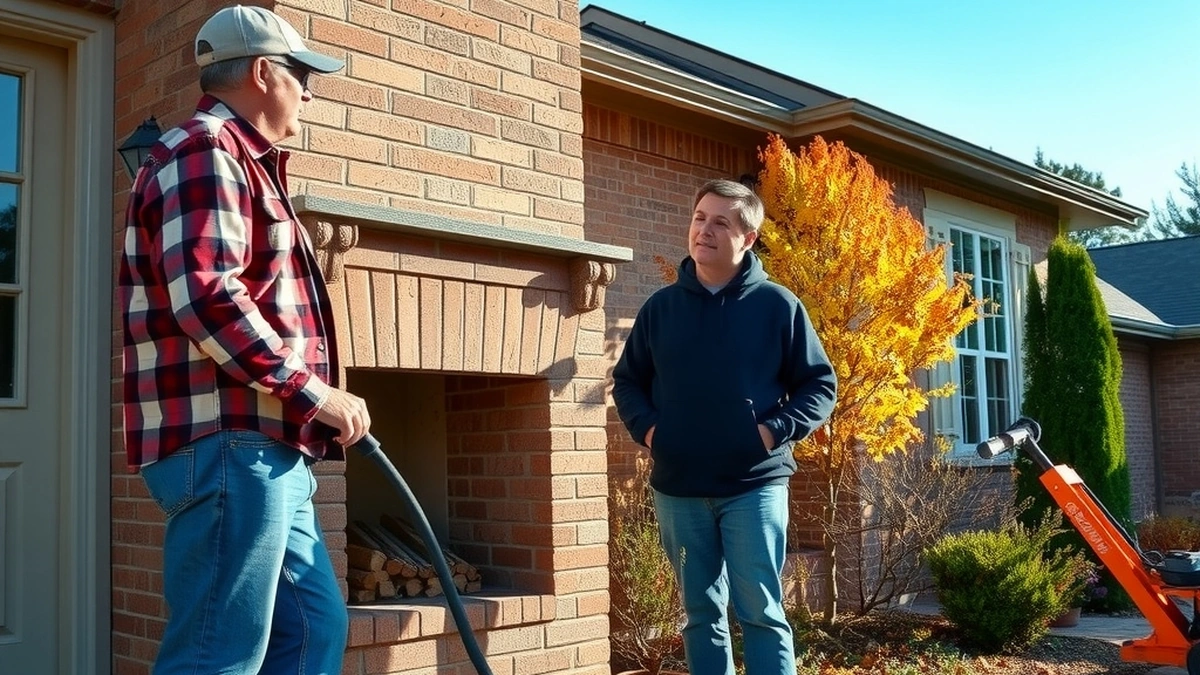
Start by asking three neighbors or checking local directories for licensed chimney sweeps. Verify their credentials through ICCSafe or NACHI, then request at least three written estimates to compare pricing safely.
- Typical range
- Varies by system and site
- First step
- Measure the space and confirm the load
- Professional help
- Recommended for structural or electrical work
Some links on this page are affiliate links.If you buy through them we may earn a commission at no extra cost to you. We do not accept payment for rankings. Read the full disclosure.
Finding a chimney contractor near you takes a ten-minute search and a thirty-minute check, and the check decides the outcome. You are hiring someone to inspect, sweep, and repair a venting system, so the things to verify are certification, state licensing where it applies, and insurance. Price comes after scope, never before it.
What the term actually covers
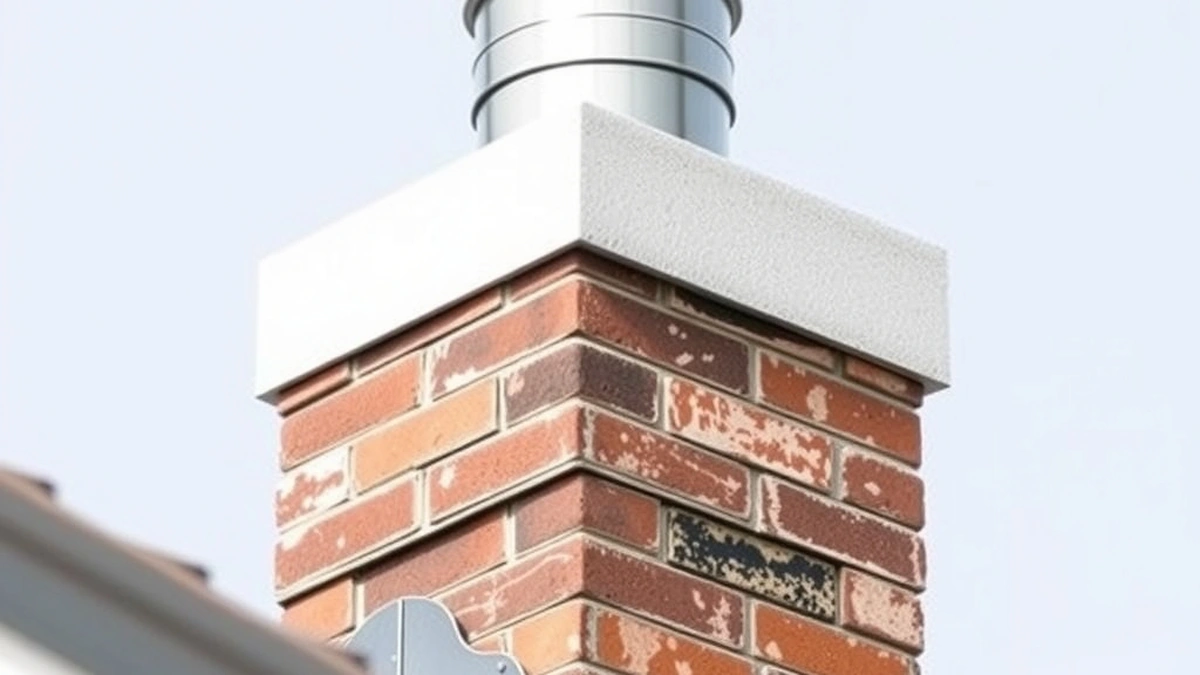
A chimney contractor is a tradesperson who inspects, cleans, and repairs chimneys and the venting systems attached to them. In practice the term covers three different jobs: a sweep who cleans and inspects, a mason who rebuilds brick and crowns, and a reliner who installs a stainless flue. Plenty of companies do one of the three and subcontract the rest.
That matters when you call. Ask which of the three the company performs with its own crew, and which it brokers. A sweep who subcontracts masonry is not a problem, as long as you know where the warranty sits.
The credentials worth checking
Certification is not a brand ranking. It tells you the technician has passed a test on venting and has kept up with code changes. That is the thing you are buying.
| Credential | Who issues it | What it tells you |
|---|---|---|
| CSIA certification | Chimney Safety Institute of America | The technician passed a venting exam and holds continuing education |
| State contractor license | State licensing board | The business is registered and bonded where the state requires it |
| Liability insurance | Insurer, via certificate | Damage to your roof or house is covered |
| Manufacturer training | Liner or cap maker | The installer is approved for that specific system |
Check the certificate yourself rather than accepting a logo on a van. Ask for the policy number and call the insurer if the job is large. A contractor who cannot produce a certificate of insurance is not a contractor you want on a roof.
How to build a shortlist in one evening
- Ask two neighbors with chimneys who they used, and whether the work is still holding.
- Search the CSIA certified sweep directory for your ZIP code.
- Check your state licensing board for the business name, not just the owner’s name.
- Pull each company’s last three years of complaints from the state board or the local consumer affairs office.
- Call three companies and ask the same four questions, so the answers compare.
Five calls produce three names, and three names produce three quotes. That is enough to see the market.
Compare three quotes against one scope
The quotes are only comparable if they describe the same work. Send each company the same brief: what you see, what you want inspected, and whether you want a sweep included.
| Quote item | What it should say |
|---|---|
| Inspection level | Level 1, 2, or 3, and what each includes |
| Flue size | Measured inside diameter, in inches |
| Liner specification | Material, gauge, insulation, and length in feet |
| Cap | Model, material, and mesh size |
| Crown and flashing | Repair or replace, and the method |
| Report | Photographic, delivered before work begins |
| Warranty | Years, and what voids it |
A quote that lists a price and a service name is an estimate, not a scope. A quote that names the flue size, the liner gauge, and the cap model is one you can compare line by line against the others.
Certified company vs general handyman
| Certified chimney company | General handyman | |
|---|---|---|
| Inspection | Level 1 to 3, with a written report | A look from the roof |
| Flue | Video scan available | Usually none |
| Liner | Listed, sized, and insulated | Rarely specified |
| Insurance | Certificate provided on request | Often unclear |
| Price | $150–$800 for the inspection | Lower, for less scope |
The handyman is cheaper because the scope is smaller. That is fine for a loose cap and wrong for anything involving the flue, the liner, or a combustion appliance. Those need someone qualified for the appliance, and the certificate is how you confirm it.
What the work should cost
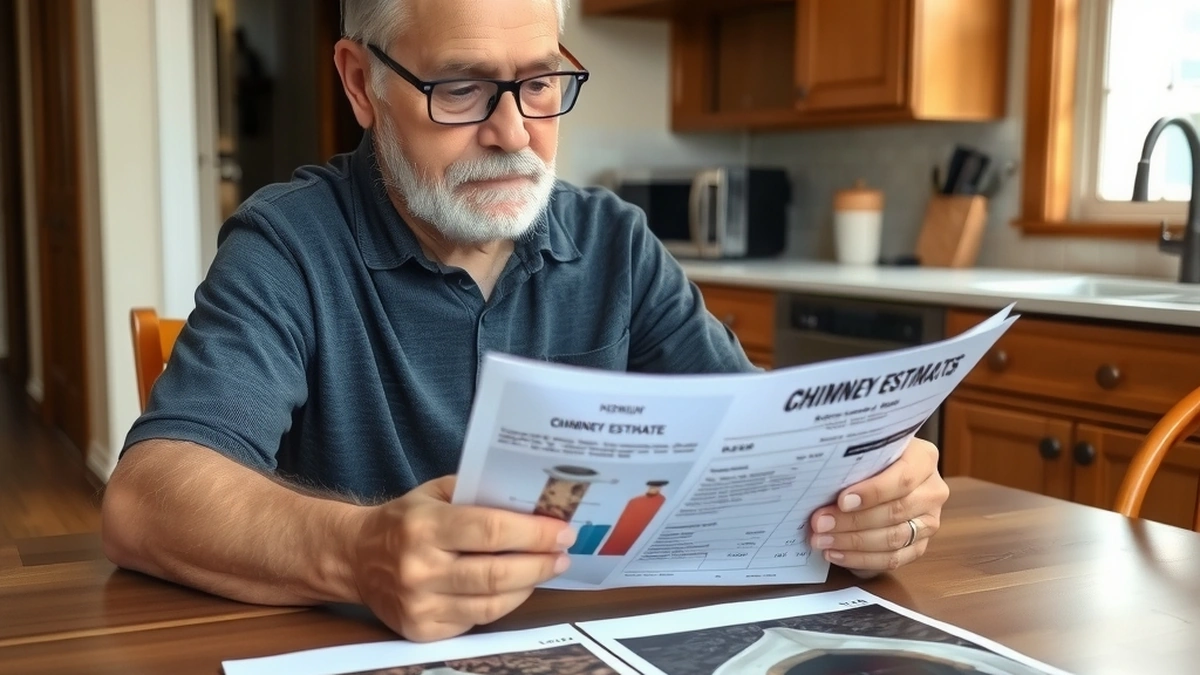
The planning numbers for the standard scopes are a sweep at $150 to $400, an inspection at $150 to $800, a cap at $150 to $600, crown repair at $400 to $1,500, a stainless liner at $1,500 to $4,000, and a partial rebuild at $5,000 to $15,000.
A first-year visit usually combines a sweep and an inspection. At the midpoints, the sweep is ($150 + $400) ÷ 2 = $275 and the inspection is ($150 + $800) ÷ 2 = $475, so the visit is $275 + $475 = $750. Add a cap at ($150 + $600) ÷ 2 = $375 and the first year is $1,125.
If the inspection finds a failed liner, the midpoint of ($1,500 + $4,000) ÷ 2 = $2,750 takes the total to $1,125 + $2,750 = $3,875. A quote far below $1,125 for the first visit is either skipping the inspection or quoting a sweep and calling it a service.
Red flags that end the conversation
A price quoted before anyone looks at the chimney is a sales number. A liner recommended without a video inspection is a guess. A company that cannot name the inspection level it performs is not performing one.
The other flags are practical. No written scope, no certificate of insurance, a demand for a deposit above a third of the job, and a crew that arrives without fall protection. Work at height requires fall protection, and a crew that ignores it on your roof will ignore other things too.
Door-to-door chimney “inspections” offered after a storm are a known pattern. The visit is free because the repair is the product. Book your own inspection instead.
Questions to ask before booking
Ask what the inspection includes and whether you get the photographs. Ask whether the technician is certified and by whom. Ask what happens if the flue cannot take a liner without masonry work. Ask whether the quote includes disposal of the old liner and the debris.
Then ask the one question that sorts companies quickly: what would you do if this were your chimney. A contractor with a real answer will describe a sequence and a budget. A contractor selling a single product will describe the product.
For the pricing behind those answers, see chimney inspection cost and chimney sweep cost. For the full repair menu, see how much does chimney cost. For the annual routine that keeps a good chimney good, see chimney maintenance.
Frequently asked questions
How do I verify if a chimney contractor is legitimate?
Look for state licensing and check their standing on ICCSafe or NACHI before hiring them.
Is it cheaper to DIY a chimney inspection?
DIY inspections are usually under $150, but professional Level 1 inspections range from $150 to $800 depending on height and complexity.
What does a typical chimney sweep cost?
Expect to pay between $150 and $400 for a standard sweep of an average-sized home chimney.
When should I replace my chimney cap?
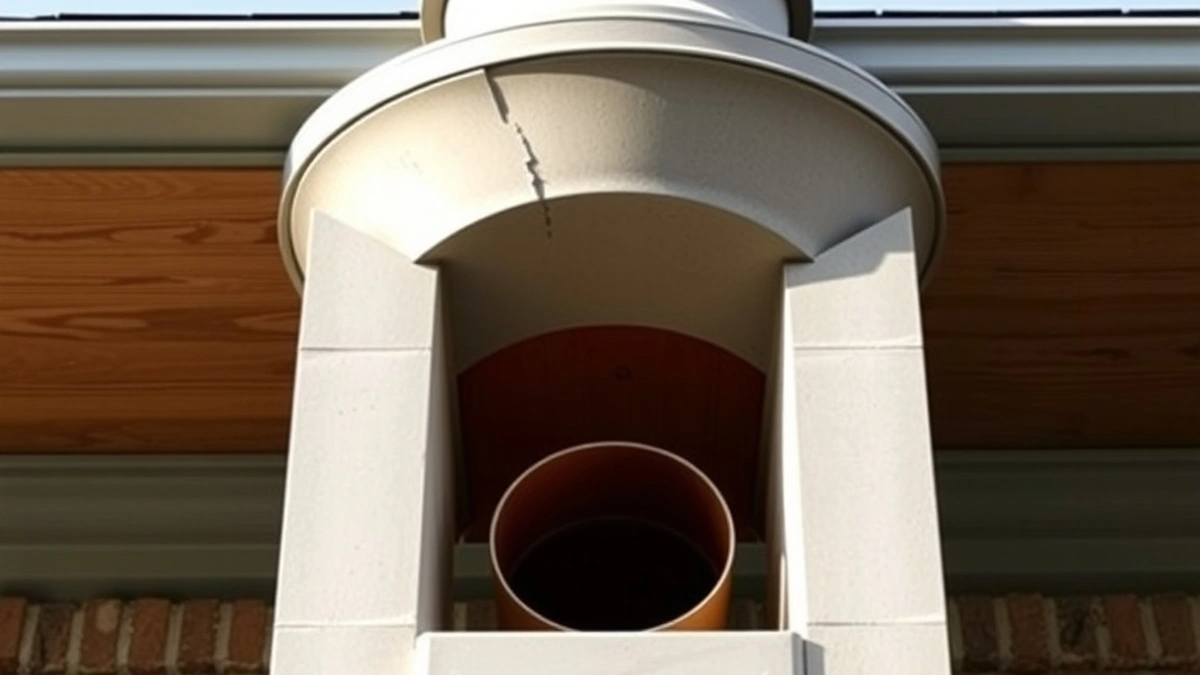
Replace the chimney cap when it shows cracks, rust, or missing pieces, as damaged caps allow water intrusion and wildlife entry.
How much does a stainless liner cost?
Installing a new stainless steel liner typically costs between $1,500 and $4,000, which significantly extends chimney life.
What is a partial rebuild?
A partial rebuild restores structural integrity by replacing damaged mortar and rebuilding the flue, costing between $5,000 and $15,000.
Sources
Some links are affiliate links.If you buy through them we may earn a commission at no extra cost to you. We do not accept payment for rankings. Read the full disclosure.