Best chimney: what actually matters
The best chimney is not a brand. It is a venting system that fits the appliance, drafts correctly, and is built from parts you can still repair in 20 years.
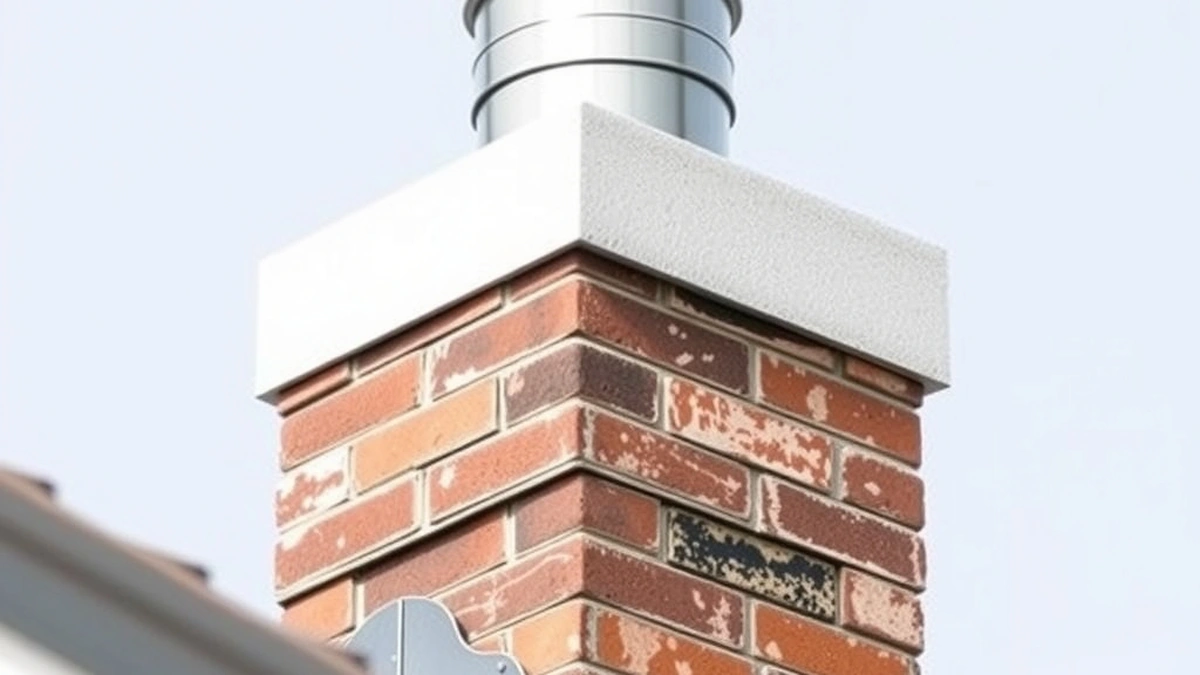
The best chimney is the one sized to your appliance, lined to current code, capped and flashed correctly, and repairable with standard parts. Material matters far less than fit, draft, and water management.
- Cap and install
- $150–$600
- Stainless liner
- $1,500–$4,000
- Crown repair
- $400–$1,500
- Partial rebuild
- $5,000–$15,000
Some links on this page are affiliate links.If you buy through them we may earn a commission at no extra cost to you. We do not accept payment for rankings. Read the full disclosure.
The best chimney is not the most expensive one on the block. It is a venting system sized to the appliance it serves, lined to current code, capped and flashed so water runs away from it, and built from parts a sweep can still replace in twenty years. Everything else is finish work.
What a chimney actually is, in venting terms
A chimney is a vertical passage that carries combustion gases from an appliance to open air while keeping the products of combustion out of the living space. That is the whole job. Masonry, steel, and insulated prefabricated pipe are just different ways of building that passage.
Two properties decide whether the passage works. The first is cross-sectional area relative to the appliance’s flue collar. Too large and the gases cool before they leave, draft weakens, and creosote condenses on the walls. Too small and the appliance starves for air and spills smoke. The second is temperature kept above the dew point along the entire run, which is why an unlined exterior masonry chimney in a cold climate is the worst-performing common configuration in the country.
The parts that decide whether a chimney is good
Rank these when evaluating any chimney, new or existing. The order is not aesthetic. It is the order in which problems become expensive.
- Liner. Continuous, correctly sized, and rated for the fuel. A missing or cracked liner on a wood appliance is a house fire path, not a maintenance item.
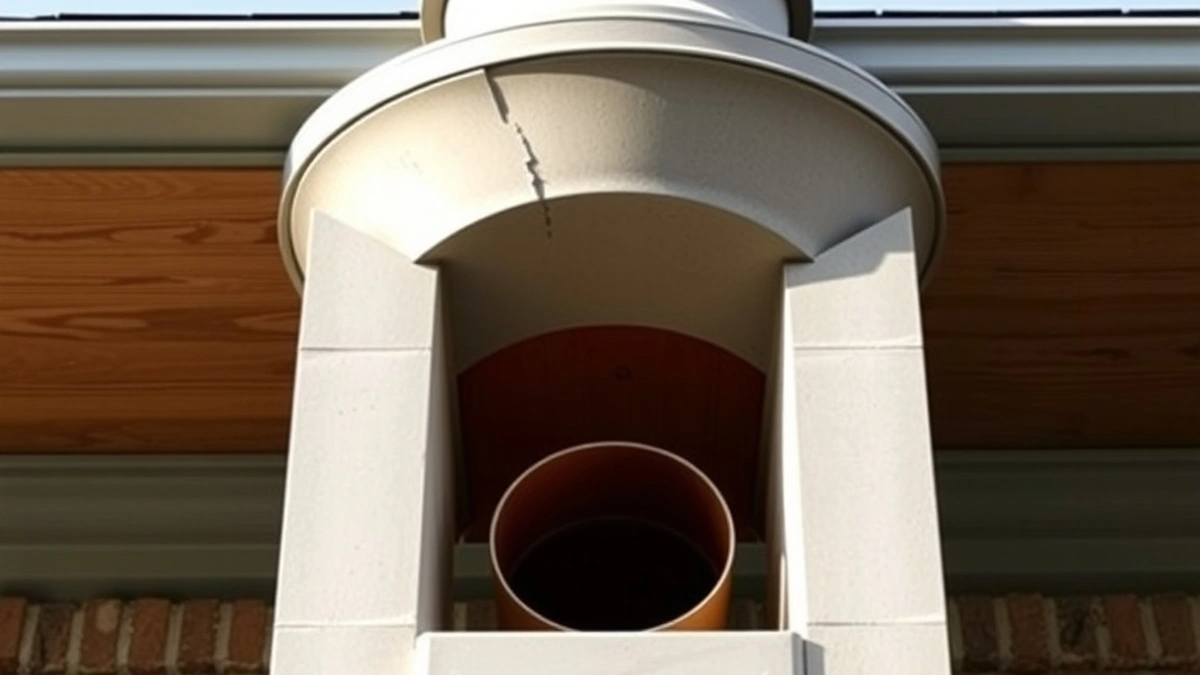
- Crown. The concrete cap at the top. A cracked crown sends water into the masonry, and freeze-thaw cycles then pop brick faces off.
- Flashing. The metal where the chimney meets the roof. Most interior leaks that homeowners blame on the flue are flashing failures.
- Cap and spark arrestor. Keeps rain, birds, and squirrels out, and keeps embers off the shingles.
- Masonry and mortar joints. Structural, visible, and slow to fail if the four items above are handled.
A chimney that scores well on the first four is good even if the brick is 80 years old and stained. A chimney with new brick and a cracked liner is a liability.
Masonry versus factory-built: the real comparison
| Aspect | Masonry chimney | Factory-built chimney |
|---|---|---|
| Typical service life | 50+ years with maintenance | 20–30 years, often less |
| Repair approach | Repoint, reline, rebuild sections | Replace listed components only |
| Installation cost | Higher, site-built | Lower, assembled from a kit |
| Weight and footprint | Heavy, needs foundation | Light, can run through a wall |
| Clearance to combustibles | Built to code with air space | Fixed by the listing and manual |
| Best fit | Fireplaces, historic homes, visible facades | Furnaces, wood stoves, retrofits |
Neither column wins outright. A masonry chimney is better where you want permanence and repairability, and worse where the house has no foundation to carry it or the appliance is a modern stove that needs a specific flue diameter. A factory-built chimney is better where the run is long and the chase is tight, and worse when someone swaps parts from a different manufacturer’s listing, which quietly voids the certification.
What the work actually costs
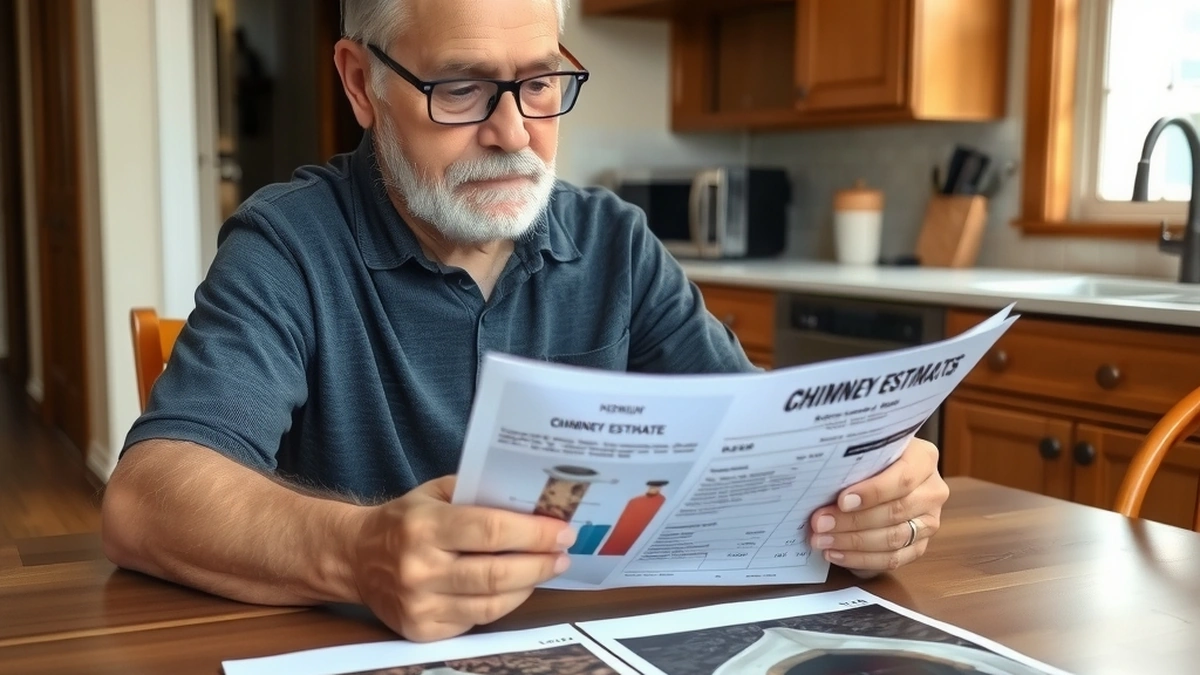
Every figure below is an installed price range, and every one is an estimate rather than a quote.
| Scope | Installed cost |
|---|---|
| Sweep and basic service | $150–$400 |
| Level 1 to Level 3 inspection | $150–$800 |
| Cap with mesh screen | $150–$600 |
| Crown repair | $400–$1,500 |
| Stainless liner | $1,500–$4,000 |
| Partial rebuild | $5,000–$15,000 |
The arithmetic on a first-year budget is easy to do. Take a sweep at $150 to $400 and an inspection at $150 to $800. A mid-range visit lands at $275 for the sweep plus $475 for the inspection, or $750. Add a stainless cap at the $375 midpoint and the first year is about $1,125. If the inspection finds a failed liner, add $1,500 to $4,000, and the total moves to roughly $2,625 to $5,125.
That last number is the one to hold in your head when you are comparing houses or contractors. A chimney that needs a liner and a crown is not a $300 problem, and any seller who says otherwise has not had it inspected.
How to judge a chimney in ten minutes
Do this from the ground and the roof edge, without climbing anything you are not equipped to climb. Fall protection is required for work at height, and a wet roof is not a place to prove a point.
- Look at the top of the chimney with binoculars. A tilted cap, a spalling crown, or a missing rain cap is visible from the driveway.
- Check the mortar joints on the exterior stack. Recessed or crumbling joints below the roofline mean water has been getting in for years.
- Look at the flashing where the chimney meets the shingles. Lifted metal, cracked sealant, or rust streaks on the masonry point to the most common leak source.
- Open the cleanout door and look inside. A pile of soot and debris at the bottom means the flue has not been swept, and a strong creosote smell means the buildup is significant.
- Shine a light up the flue from the firebox, or have someone at the top look down. You should see a continuous liner, not bare brick with mortar ledges.
- Ask for the last inspection report. If there is not one, that is the finding.
Where to spend first, and where not to bother
If you have $1,000, spend it on inspection and a cap, not on cosmetic masonry. If you have $5,000, the order is liner, crown, flashing, cap, then masonry. Rebuilding a facade in front of a failed liner is the single most common way homeowners waste money on a chimney.
Cosmetic repointing of an interior chimney that no one sees is close to pointless. Repointing an exterior stack above the roofline is worth doing, because that is where water and frost do their work. If you want the longer version of that discussion, the trade-off between crown work and relining is covered in crown rebuild vs stainless relining, and water entry diagnostics are in chimney leak repair.
Picking someone to do the work
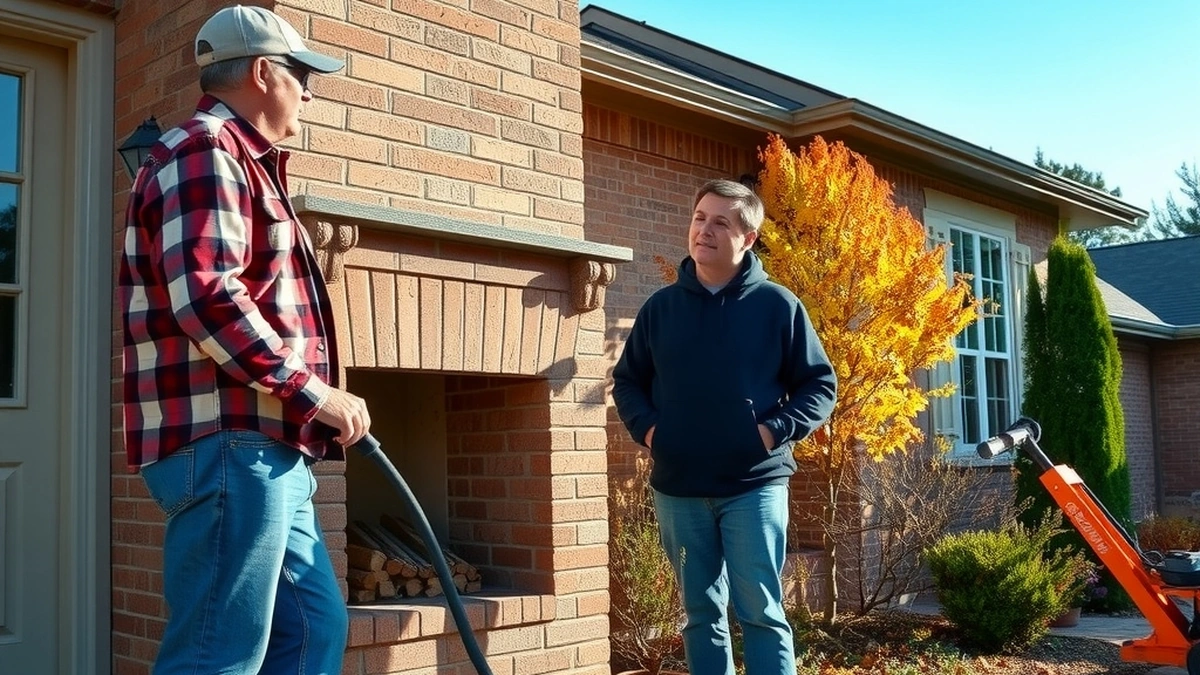
Ask three questions before anyone gets on the roof. What credential does the technician hold, what does the inspection report include, and will the report be photographic. A company that sweeps without inspecting is selling you half a service. A company that quotes a liner before inspecting is selling you a liner.
Get the scope in writing with the flue size, liner material, and cap model named. Then compare that scope against the numbers above. Prices in the middle of these ranges are normal; prices far below them usually mean the liner is uninsulated, the crown is spot-sealed instead of rebuilt, or the flashing is caulked instead of replaced.
For the full cost picture across every scope, see how much does a chimney cost. For the annual routine that keeps a good chimney good, see chimney maintenance.
Frequently asked questions
Is a masonry chimney better than a factory-built one?
Masonry lasts longer and can be repaired brick by brick, but factory-built systems are cheaper, lighter, and tested as a complete assembly. The better choice depends on the appliance and the house, not on prestige.
What is the single most important chimney feature?
A correctly sized liner that matches the appliance. Draft, safety, and efficiency all depend on it, and no amount of decorative masonry compensates for a liner that is too large, too small, or unlined.
How much should I budget to make an old chimney good?
A realistic first pass is a sweep at $150 to $400, an inspection at $150 to $800, and a cap at $150 to $600. Liner or crown work adds $400 to $4,000 if the inspection finds it necessary.
Do chimney brands matter?
For factory-built systems the listed assembly matters more than the brand name. Mixing components from different listings voids the certification, so replace parts with the original manufacturer part numbers.
How do I know if a chimney drafts properly?
A smoke test or a draft gauge reading during inspection shows whether the flue pulls. Visible smoke spillage into the room, soot on the firebox face, and a smoky smell on cold starts are warning signs.
What is the best material for a chimney cap?
Stainless steel is the practical default because it resists rust and heat. Copper lasts well and suits historic homes, while galvanized steel is the cheapest and the first to corrode.
Sources
Some links are affiliate links.If you buy through them we may earn a commission at no extra cost to you. We do not accept payment for rankings. Read the full disclosure.