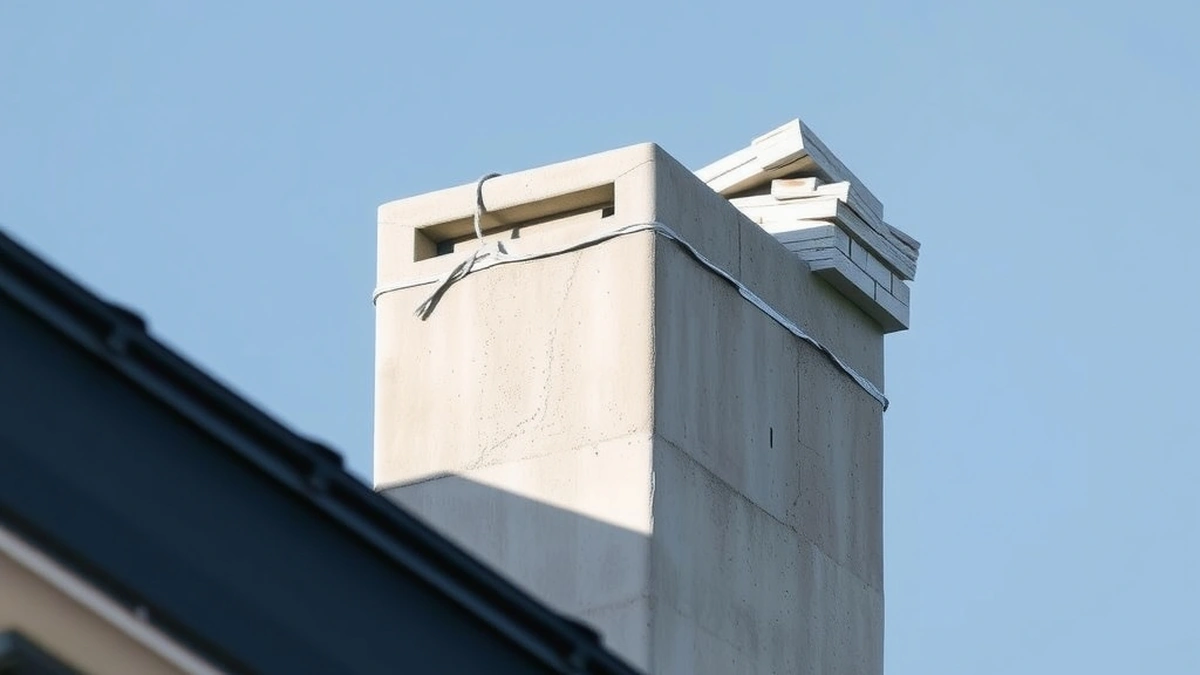
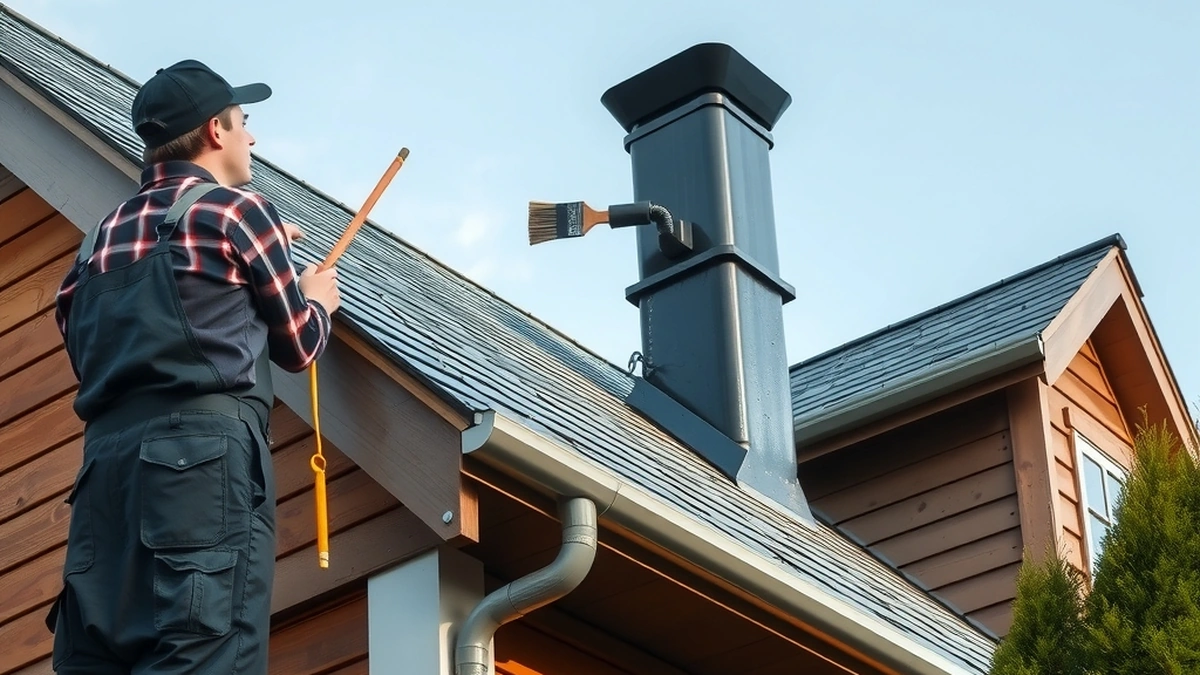
Is chimney worth it? Repair, rebuild, or close it
A chimney is worth keeping when you burn and the repair is under the rebuild price. It is worth closing when the flue is decorative and the quote passes $5,000.
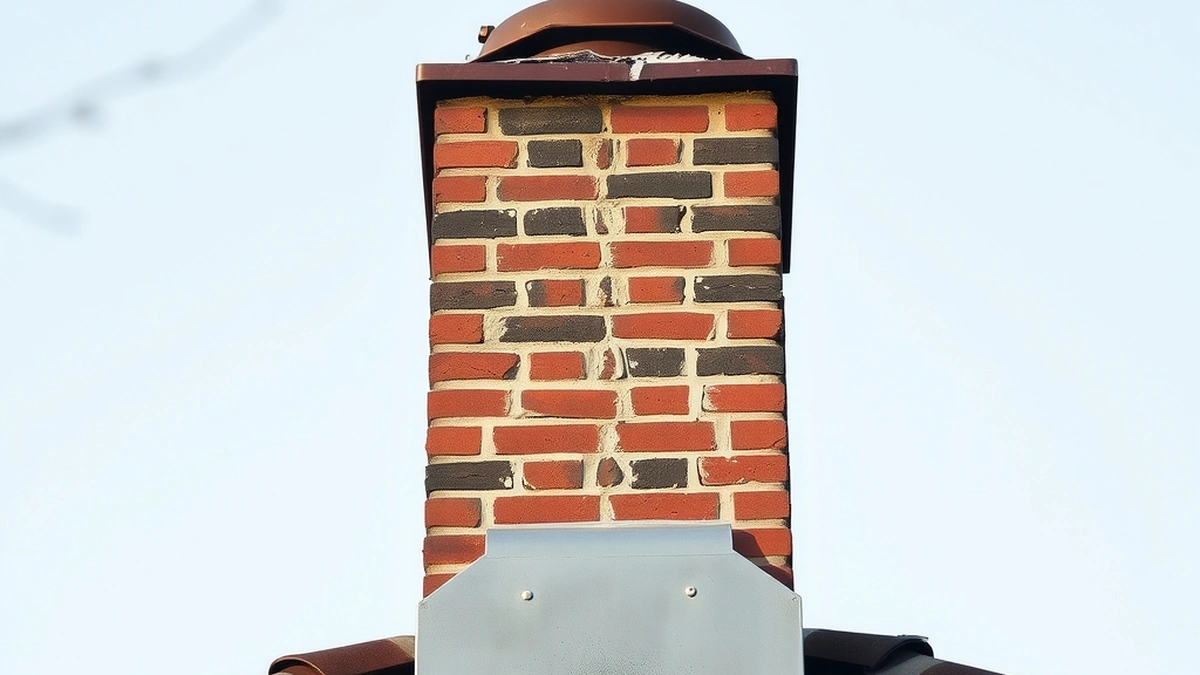
A working chimney is worth repairing when the quote is below the rebuild price of $5,000 to $15,000 and you actually burn. If the flue is decorative and the repair quote passes that line, capping it for $150 to $600 is the better spend.
- Repair package
- $2,050–$6,100
- Partial rebuild
- $5,000–$15,000
- Seal a disused flue
- $150–$600
- Annual maintenance
- $300–$1,200
Some links on this page are affiliate links.If you buy through them we may earn a commission at no extra cost to you. We do not accept payment for rankings. Read the full disclosure.
A chimney is worth the money when you burn wood or gas in it and the repair quote sits below the cost of rebuilding. It is not worth the money when the flue is decorative and the quote climbs past $5,000, because at that point you are paying rebuild money for a repair.
The decision is not really about the chimney. It is about cost per year of use, and that number is easy to compute once you have an inspection report and two quotes.
What “worth it” is actually measuring
Worth is cost per year of remaining service, not sticker price. A $3,000 liner that lasts 20 years costs $150 a year. A $900 patch on a crown that fails again in three years costs $300 a year and leaves you with the same problem.
That framing changes which quotes look good. It also explains why the cheapest repair is often the most expensive one: spot-sealing a crown or caulking flashing buys a season, not a decade.
The three decisions people are actually making
Most people asking whether a chimney is worth it are really asking one of these:
- Repair or replace. Should I fix what is there, or rebuild the stack?
- Keep or close. I do not use the fireplace. Should I maintain it anyway?
- Fix or ignore. The quote is large. Can I just leave it until I sell?
Each has a different answer, and the answers point in different directions.
Repair versus rebuild
| Factor | Repair | Partial rebuild |
|---|---|---|
| Installed cost | $2,050–$6,100 | $5,000–$15,000 plus liner |
| Typical scope | Liner, crown, cap | Tear down and rebuild above the roof |
| Disruption | One day, no roof opening | Days, roof opened, interior work |
| Life added | 15–25 years on the repaired parts | 50+ years on the new masonry |
| Best when | Masonry sound, components failed | Masonry failing, stack leaning, widespread spalling |
The repair figure is built from three line items: a stainless liner at $1,500 to $4,000, a crown at $400 to $1,500, and a cap at $150 to $600. Add the low ends and you get $2,050. Add the high ends and you get $6,100.
The rebuild figure starts at $5,000 and runs to $15,000, and a rebuild almost always needs a liner inside it, so the effective total is $6,500 to $19,000.
Repair wins on price in every case. Rebuild wins on duration when the masonry is the failing part.
Cost per fire: the arithmetic that settles it
Assume a repair package at the middle of the range: a $2,750 liner, a $950 crown, and a $375 cap. Total $4,075. Assume the repaired parts last 15 years. That is $4,075 ÷ 15 = $272 per year.
Now assume you light 20 fires a year. The cost is $272 ÷ 20 = $13.60 per fire. If you light 60 fires a year, it is $4.53 per fire.
Run the same math on the high end: $6,100 ÷ 15 = $407 per year, or $20.35 per fire at 20 fires and $6.78 per fire at 60 fires.
That is the whole argument. If you use the fireplace, a repair at this scale is cheap entertainment. If you light three fires a year for the holidays, you are paying $90 to $136 per fire, and closing the flue starts to look rational.
When closing the chimney is the better spend
Closing means sealing the flue so it stops being a water and animal pathway. A stainless or aluminum top-sealing cap runs $150 to $600 installed, and it does the job: rain out, animals out, draft stopped, no maintenance sweep needed.
Closing is the right answer when all of these are true:
- You have not burned in the chimney for two or more years and do not plan to.
- The appliance is gone or being replaced with a direct-vent unit.
- The inspection quote for making it usable exceeds $5,000.
- The masonry itself is sound enough to keep water out with a cap and a crown repair at $400 to $1,500.
Closing is the wrong answer when the masonry is failing, because a cap does not stop a saturated stack from spalling. In that case you are choosing between a crown and repointing, a rebuild, or removal.
Does it pay at resale?
A fireplace is a feature buyers notice, and a chimney in visible disrepair is a feature they use to negotiate. Appraisers do not typically assign a separate line-item value to a chimney, so do not expect a dollar-for-dollar return.
What you can expect is that a home inspection will flag a cracked crown, a missing cap, and an unlined flue, and the buyer will ask for those to be addressed or discounted. Spending $2,050 to $6,100 before listing is often the difference between a clean sale and a renegotiation, and it is more controlled than the same money spent under time pressure.
How to decide in one afternoon
- Book a Level 1 to Level 3 inspection at $150 to $800 and ask for a written, photographic report with the flue size and liner condition.
- Ask for two quotes on the exact same scope, and write the scope down: liner material and diameter, crown method, cap model.
- Compute the annual cost of the repair by dividing the quote by the years the work should last.
- Compare that annual number against $300 to $1,200 for annual maintenance, which you pay whether or not you repair.
- If you do not burn, price a top-sealing cap at $150 to $600 against the full repair.
- If the repair quote approaches $5,000, get a removal quote too, so you are comparing three real options rather than two.
For the full component pricing, see chimney repair cost and chimney cost per square foot. For the safety side of running an old flue, see how long does chimney last and creosote build-up signs.
Frequently asked questions
Is it worth repairing an old chimney?
It is worth it when the repair lands below the partial rebuild range of $5,000 to $15,000 and you use the fireplace. If the quote approaches the rebuild price, the repair is buying years rather than decades.
Is a chimney worth it if I never use the fireplace?
Rarely as a functioning flue. But it still has to keep water out of the house, so a capped and sealed chimney at $150 to $600 is worth doing even if you never light a fire.
Does a chimney add resale value?
A fireplace is a feature buyers notice, but appraisers rarely break out a separate chimney value. What a chimney reliably does at sale is generate repair requests if an inspection finds defects.
Can I remove a chimney instead of repairing it?
Sometimes. Removal means closing the roof, patching the ceiling and floor, and dealing with the foundation stub. Get quotes for both removal and repair before deciding, because removal is not automatically cheaper.
How much does it cost to keep a chimney usable each year?
Budget $300 to $1,200 a year for a sweep at $150 to $400 plus an inspection at $150 to $800. That is the number to compare against the one-time repair quote.
Is a chimney worth it on a house with a gas furnace?
Often not as a masonry flue. Modern gas appliances frequently vent through a sealed metal pipe or a side wall, and an unused masonry flue becomes a water and animal problem rather than an asset.
Sources
Some links are affiliate links.If you buy through them we may earn a commission at no extra cost to you. We do not accept payment for rankings. Read the full disclosure.