Spalling brick: how to prevent it
Prevent spalling by keeping water out of the brick: fix the crown, flashing, and cap, use soft mortar, and avoid film-forming sealers and paint.
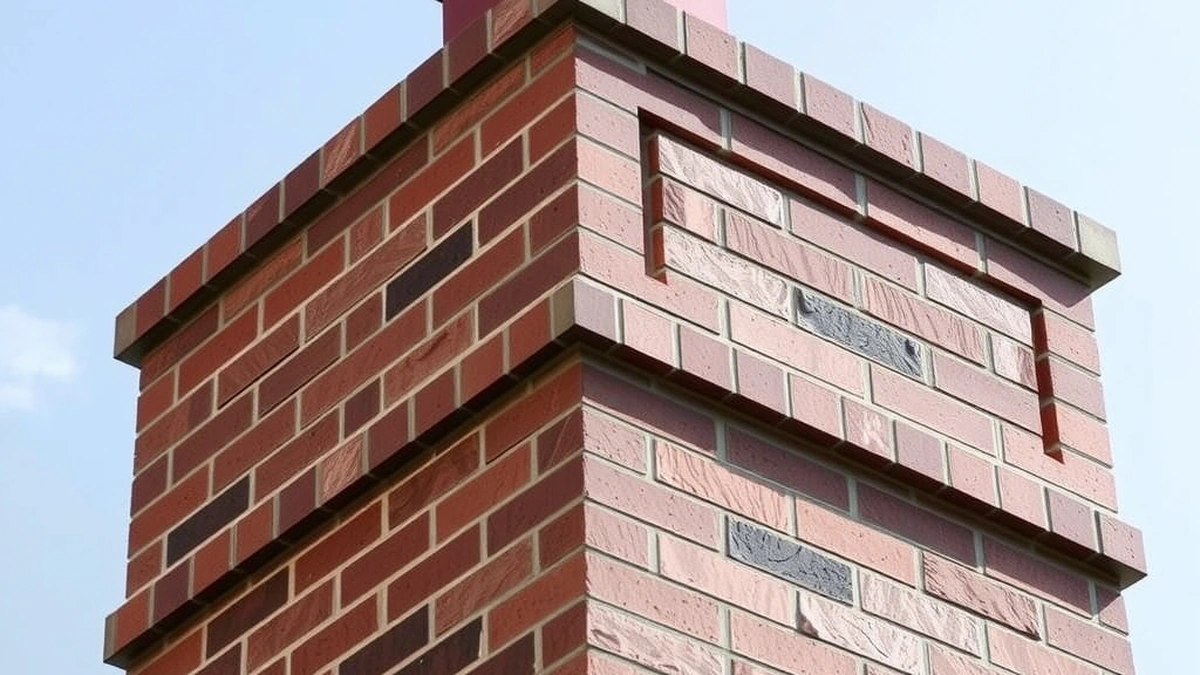
Prevent spalling by keeping water out of the brick and letting the wall dry: repair the crown at $400 to $1,500 and the flashing at $400 to $1,500, use mortar softer than the brick, and avoid paint or film-forming sealers.
- Crown repair
- $400 - $1,500
- Flashing repair
- $400 - $1,500
- Cap
- $150 - $600
- Repointing
- $400 - $1,500
- Rebuild if ignored
- $5,000 - $15,000
Some links on this page are affiliate links.If you buy through them we may earn a commission at no extra cost to you. We do not accept payment for rankings. Read the full disclosure.
Spalling is preventable because it has one mechanism: water inside the brick freezing and expanding. Keep water out, let the wall dry, and use mortar that sacrifices itself instead of the brick. That is the whole strategy, and it costs far less than replacing the units that are already flaking.
The mechanism
Brick is porous. Water enters through the face, through mortar joints, or from above, and sits in the body of the unit.
When it freezes, it expands by about nine percent. The expansion pushes outward, and the weakest plane — usually the face — gives way.
Repeat through several winters and the face comes off in flakes.
The prevention checklist
| Measure | What it prevents | Cost |
|---|---|---|
| Crown repair | Water from the top | $400 - $1,500 |
| Flashing repair | Water at the roof line | $400 - $1,500 |
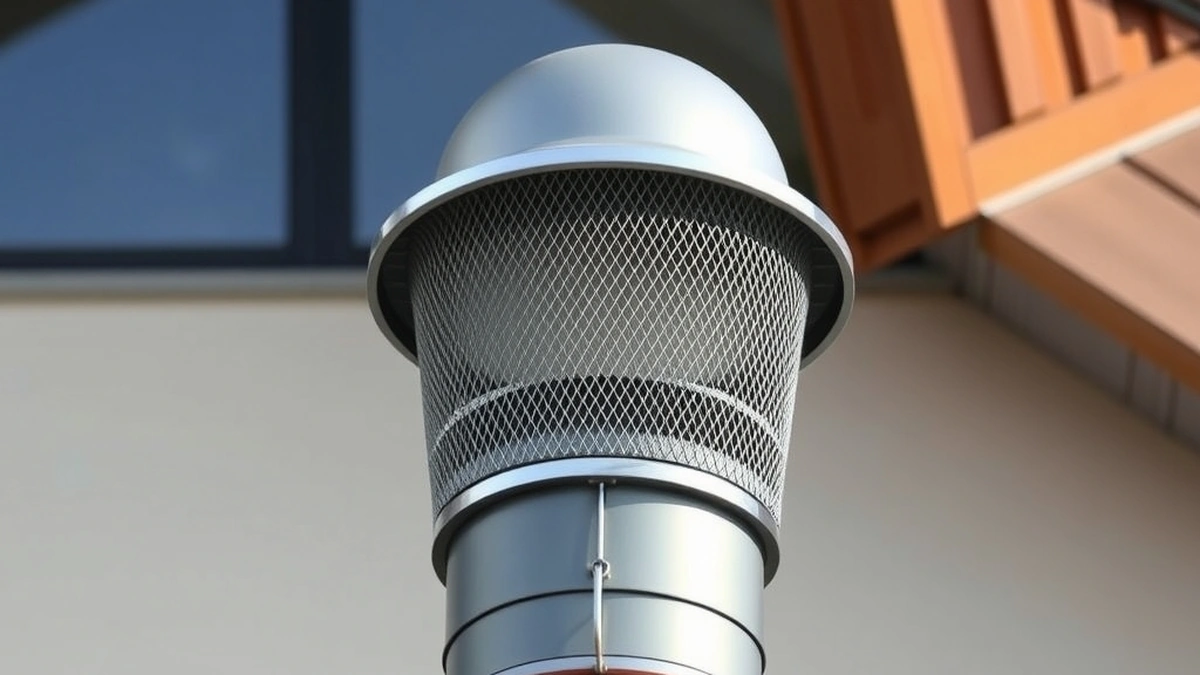
| Cap | Rain into the flue | $150 - $600 |
| Repointing with soft mortar | Water through joints | $400 - $1,500 |
| Breathable repellent | Surface absorption | Modest |
| Annual inspection | All of the above | $150 - $800 |
The first three stop water arriving. The fourth and fifth control what happens to water that does.
Start at the top
Water entering the crown travels down through the entire stack, so it does the most damage per dollar of repair avoided.
A sound crown slopes away from the flue and overhangs the brick. It also has a bond break at the flue so the two can move independently.
Repair runs $400 to $1,500. Left alone, the water reaches the brick and the spalling follows a year or two later.
Then the roof line
Flashing is the second largest source, and the one most often “repaired” with sealant.
The durable detail is counter-flashing cut into a reglet in the masonry, overlapping step flashing woven into the shingles. Sealant along the brick face fails within a season and hides the failed metal.
Repair runs $400 to $1,500. Check it after any storm that drives rain sideways, because that is when flashing defects show.
The mortar rule, and the products to avoid
Mortar is meant to be the sacrificial layer: softer and more permeable than the brick.
Hard, cement-rich mortar does not flex and does not erode. Instead, water that enters the wall cannot escape through the joint, so it exits through the brick face and the face spalls.
This is why a repointing job done with the wrong mortar can cause spalling in a chimney that was previously sound. The damage appears in a band beside the fresh joints.
Ask what mortar mix is proposed and why. On older brick, the answer should reference the existing masonry rather than a bag of ready-mix.
Breathable versus film-forming.
Two products sit on opposite sides of this line.
A breathable water repellent lines the pores of the masonry and reduces absorption while still allowing vapour to escape. On sound brick, it is a reasonable preventive measure.
A film-forming sealer or masonry paint creates a continuous skin. Water already inside cannot get out, so it concentrates at the coating edge and pushes off larger flakes when it freezes.
If a product’s label promises a “sealed” surface, that is the one to avoid on a chimney. The same rule applies to render and parging: both close the wall, and both push the freeze-thaw damage deeper into the brick until the coating itself fails.
The annual check.
- Inspect at $150 to $800 once a year, ideally in spring.
- Look for new flakes, brick dust on the roof, and white staining.
- Check the crown for cracks, moss, and standing water.
- Check the flashing for lifted metal and sealant beads.
- Check the cap for rust and blockage.
Brick dust on the roof below the stack is the earliest sign. It means faces are already coming away, even if the chimney looks intact from the ground.
Keep the inspection report. Next year’s visit compares against it, and a change in the number of affected units is a much better measure of progress than an impression from the driveway.
What prevention cannot do, and where the flue fits
It cannot restore brick that has already spalled. The face is gone, and the unit has to be replaced.
It cannot compensate for a chimney built with the wrong mortar. If the joints are harder than the brick, the damage will continue until the masonry is rebuilt.
It cannot fix a structural problem. A leaning stack or a gap from the house needs an engineer’s assessment, not a coating.
Where the flue fits.
None of the above addresses the flue.
A cracked liner, a rusted appliance connection, or a flue that is the wrong size for the appliance are venting issues. They belong with a qualified chimney technician, and a stainless liner at $1,500 to $4,000 is the usual repair.
Spalling prevention is about the masonry shell. The flue is a separate system inside it.
The cost comparison
Prevention: inspection at $150 to $800 a year, crown and flashing repair at $400 to $1,500 each when they fail, a cap at $150 to $600 once.
Repair: brick replacement at $400 to $1,500 for a few units, and a partial rebuild at $5,000 to $15,000 when most of the stack has gone.
The maintenance path is measured in hundreds per decade. The repair path is measured in thousands. Our spalling brick cost page sets out the numbers, spalling brick repair covers the work once the damage is done, and spalling brick signs covers what to look for each spring.
Frequently asked questions
How do I stop brick from spalling?
Keep water out and let the wall dry. Fix the crown, flashing, and cap, repoint with mortar softer than the brick, and avoid paint or film-forming sealers that trap moisture.
Does sealing brick prevent spalling?
A breathable water repellent can reduce absorption on sound masonry. A film-forming sealer does the opposite, trapping water inside and accelerating the flaking.
Why does mortar strength matter?
Mortar should be softer than the brick so it absorbs freeze-thaw damage. Hard cement mortar pushes that damage into the brick face, which then spalls.
Can I prevent spalling on an old chimney?
You can slow it by fixing the water paths and avoiding trapped moisture. Brick that has already lost its face has to be replaced, so prevention works on the units still intact.
How often should a chimney be checked?
Once a year at $150 to $800. The check covers the crown, cap, flashing, brick, and flue, and it is where early water entry is caught.
Does a chimney cap help?
Yes. A cap at $150 to $600 keeps rain out of the flue, which reduces the moisture load on the whole stack. It does not stop water entering through the brick itself.
Sources
Some links are affiliate links.If you buy through them we may earn a commission at no extra cost to you. We do not accept payment for rankings. Read the full disclosure.