Stainless relining reviews: what owners actually report
How to read stainless relining reviews: the complaints that repeat, the price claims that hold up, and the questions to ask before you book a crew.
Stainless relining reviews repeat three themes: final price versus quoted price, whether the liner was sized to the appliance, and how clean the crew left the house. Read them for pattern, not stars, and check every claim against the $1,500–$4,000 installed range.
- Typical installed cost
- $1,500–$4,000
- Cost per foot, 25 ft flue
- $60–$160
- Pre-work inspection
- $150–$800
- Annual sweep after
- $150–$400
Some links on this page are affiliate links.If you buy through them we may earn a commission at no extra cost to you. We do not accept payment for rankings. Read the full disclosure.
Stainless relining reviews are consistent on a narrow set of points and noisy on everything else. The themes that repeat are price surprises after the chimney is opened, flue fit, and how much of the house the crew protected before cutting. The useful approach is to read a review set for pattern rather than stars, then test each claim against the installed range of $1,500–$4,000.
What a stainless relining job actually is
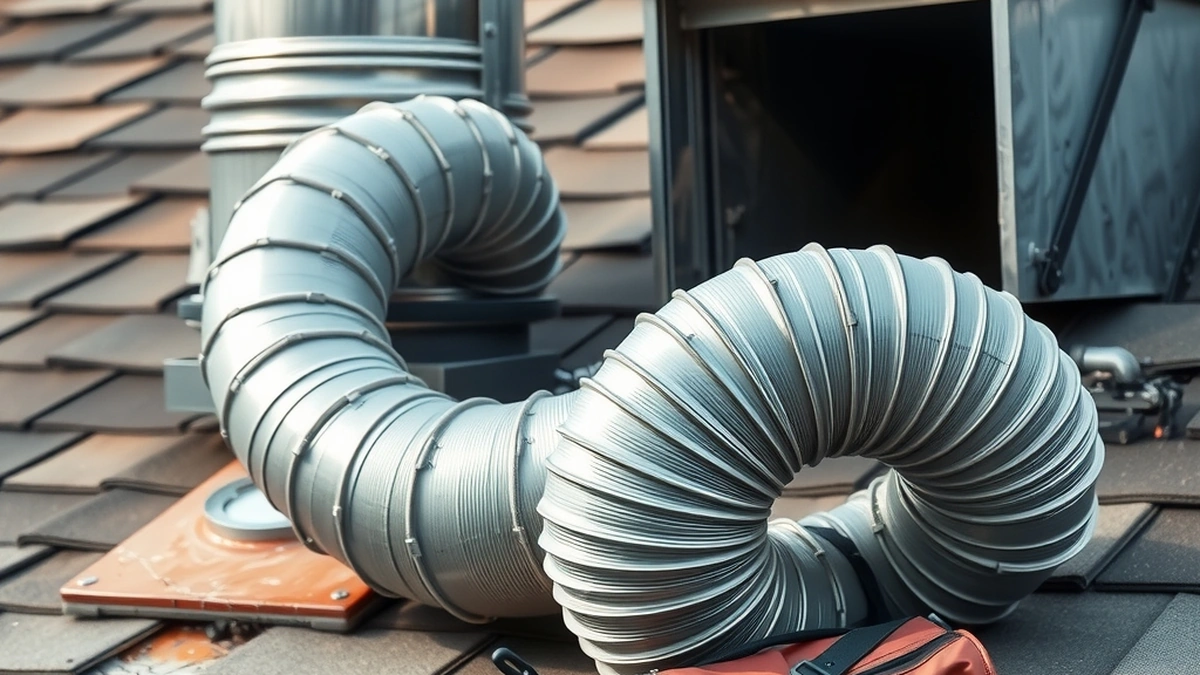
Stainless relining is the installation of a listed stainless steel flue liner inside an existing chimney so combustion gases travel from the appliance collar to a termination above the roof. The liner is usually flexible corrugated stainless for masonry chimneys with offsets, or rigid stainless for straight runs. It is not a coating and it is not a repair sleeve; it is a new flue inside the old one.
That distinction matters when you read reviews, because a reviewer describing “a liner sprayed inside the chimney” is describing cast-in-place work, not stainless. Mixing the two categories is the most common error in review sets, and it makes star averages meaningless.
The three things reviews reliably measure
Reviews are good evidence for things a customer can see and feel. They are weak evidence for things a customer cannot inspect.
- Price behavior. Whether the final invoice matched the written estimate, and whether change orders were explained before work continued.
- Fit and finish. Whether the cap, top plate, and storm collar sit square, whether the appliance connection is sealed, and whether draft improved on the first burn.
- Jobsite conduct. Floor protection, soot containment, roof damage, and cleanup. These dominate one-star reviews and for good reason.
Everything else — liner alloy, wall thickness, insulation wrap, clearances — is invisible to a homeowner standing in the driveway. Reviews almost never confirm it.
Price claims versus the real range
Most review complaints about cost come from a mismatch between a phone estimate and the invoice. The installed range is $1,500–$4,000, and dividing it by flue length gives a per-foot sanity check:
- 25 ft flue, low end: $1,500 ÷ 25 = $60 per ft
- 25 ft flue, high end: $4,000 ÷ 25 = $160 per ft
- 35 ft flue, mid range: $2,750 ÷ 35 = $78.57 per ft
If a quote comes in at $45 per foot for a two-story chimney, the missing money is usually insulation, a top plate, or the cap. A chimney cap alone runs $150–$600, and skipping it is the fastest way to void a liner warranty through water damage.
The pre-work inspection is a separate line item at $150–$800. Reviews that complain about a “surprise” inspection fee usually describe a company that bundled it into the quote and then itemized it later.
| Review claim | What it usually means | Weight |
|---|---|---|
| “Paid exactly the quote” | Scope was written down before work | High |
| “Price went up $600 on the day” | Hidden line items or discovered damage | High |
| “Drafts better than ever” | Sizing and termination are probably right | Medium |
| “Smoke still rolls out” | Undersized liner or bad cap height | High |
| “Liner is lifetime guaranteed” | Manufacturer warranty, not labor | Low until seen in writing |
| “They cleaned up perfectly” | Crew discipline, not technical quality | Medium |
Where reviews go quiet
The silent failure modes are the ones that cost the most later. A liner installed without insulation in an exterior masonry chimney can condense creosote or flue gas moisture and corrode from the outside in. A liner sized two inches too large for a wood stove will run cold, build creosote, and draft poorly on mild days. Neither problem appears in a five-star review written the same afternoon.
Reviews also rarely mention whether the old flue was swept before the liner went in. Debris trapped behind a new liner is invisible until a blockage causes a puff-back. A sweep runs $150–$400, and it should appear on the invoice.
Fuel type changes what a review can tell you. A gas furnace liner runs wet, because condensing appliances produce acidic moisture that attacks the alloy from the inside. A wood stove liner runs hot and dry, and its failure mode is creosote accumulation behind an oversized flue. Reviews from one group say very little about the other, so a five-star average built from oil boiler jobs is not evidence about your wood insert.
How to read a review set in order
- Sort by newest first and read the last twenty reviews, not the top twenty.
- Filter to your fuel type. A gas furnace job and a wood stove job stress a liner differently.
- Search the text for the words “quote,” “invoice,” “draft,” and “cap” and read every hit.
- Look for two or more reviews naming the same specific failure, such as water at the top plate.
- Check whether the company replies with specifics or with a generic invitation to call.
A company that answers a critical review with a date, a job number, and a correction is worth more than one with a perfect score and no replies.
What to confirm before you book
Ask for the manufacturer’s certified-installer list and confirm the company is on it. Ask for the liner alloy designation and wall thickness in writing. Ask whether insulation is included, and if not, why not. Ask who pulls the permit. Ask for the manufacturer warranty document before the crew arrives, not after.
Compare the answer against a second bid using stainless steel chimney liner as your reference for what is standard, and check the inspection scope against chimney inspection cost. If the chimney crown is failing, price that too — crown repair runs $400–$1,500 and water coming through a cracked crown will find the new liner.
Two bids from two companies that both answer the same six questions are comparable. Two bids where one is a phone number and the other is a written scope are not, and the lower number is usually the one without the scope.
For a second category of reviews to compare against, see cast-in-place liner reviews, and read chimney repair cost before you authorize any added masonry work. A homeowner who knows the chimney sweep cost baseline is harder to surprise on the invoice.
Frequently asked questions
Are stainless relining reviews trustworthy?
Partly. Reviews reliably describe scheduling, cleanup, and whether the final bill matched the quote. They rarely verify liner sizing, insulation, or termination details, so treat those claims as unconfirmed.
What do most negative relining reviews complain about?
Price changes after the crew opens the chimney, draft problems that appear weeks later, and soot or debris left in the room. Sizing errors show up as smoke rolling into the room on the first cold night.
How much should a stainless relining job cost?
Installed cost typically runs $1,500–$4,000 for a residential flue. A 25-foot run works out to roughly $60–$160 per foot when you divide the range by length.
Do reviews mention permit and inspection paperwork?
Rarely, which is why you should ask directly. A liner installation usually needs a permit or at least a final inspection in many jurisdictions, and the paperwork should be in your hands at closeout.
What warranty language should I look for?
Ask for the liner manufacturer's warranty in writing, separate from the installer's labor warranty. Manufacturer coverage typically runs from 10 years to lifetime on the liner itself, and labor coverage is usually much shorter.
Can I verify a relining company before booking?
Yes. Check the state contractor license, ask for the manufacturer's certified-installer list, confirm liability insurance, and request two recent local jobs you can look at from the street.
Sources
Some links are affiliate links.If you buy through them we may earn a commission at no extra cost to you. We do not accept payment for rankings. Read the full disclosure.