Stainless Chimney Liner: Cost, Code, and Installation
Code-first guide to stainless chimney liners: when they're needed, what they cost, and how installation works.
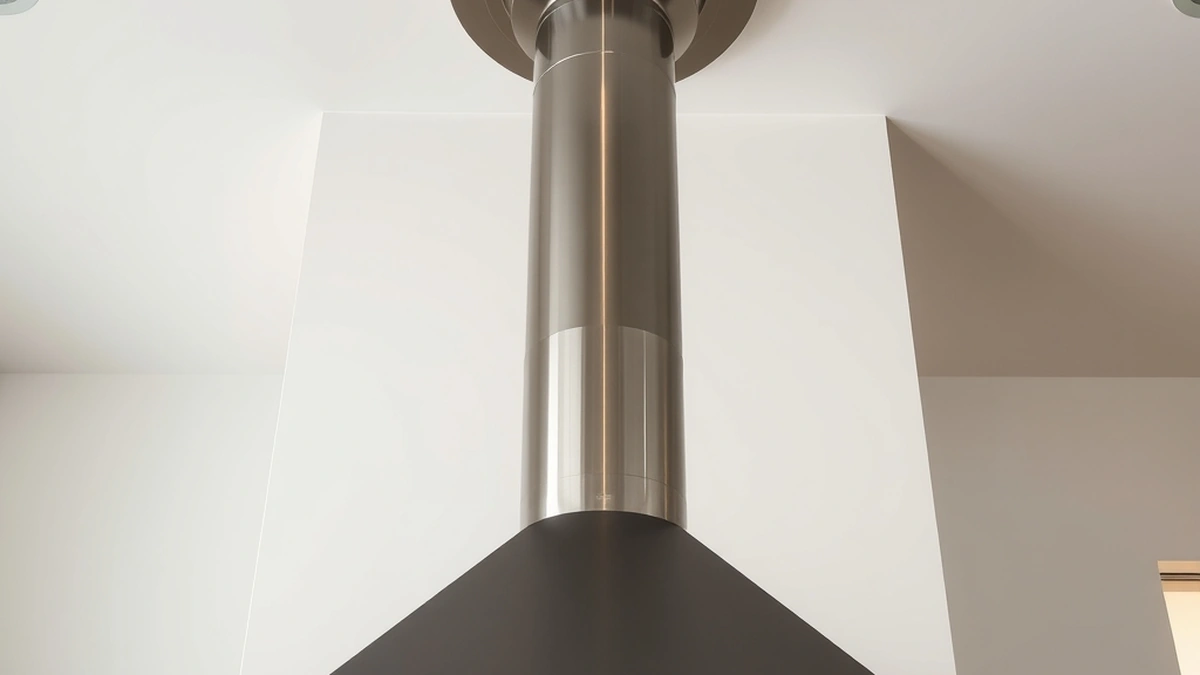
A stainless chimney liner is a metal flue liner that protects masonry, improves draft, and meets code for many wood, gas, and oil appliances. Typical installed cost: $1,500–$4,000.
- Typical installed cost
- $1,500–$4,000
- DIY-friendly
- No (code and clearance requirements)
- Best for
- Wood stoves, gas furnaces, oil boilers, fireplace inserts
- Lifespan estimate
- 15–25 years with annual inspection
Some links on this page are affiliate links.If you buy through them we may earn a commission at no extra cost to you. We do not accept payment for rankings. Read the full disclosure.
A stainless chimney liner is a continuous metal tube installed inside a chimney flue to contain combustion gases, protect masonry, and meet venting requirements for many heating appliances. It is one of the most common relining options for wood stoves, gas furnaces, oil boilers, and fireplace inserts. This guide explains what a stainless chimney liner does, when it is needed, what it typically costs, and how code and safety shape the installation.
What a Stainless Chimney Liner Does
A chimney liner creates a sealed pathway for flue gases to exit the home. Without a liner, gases can seep through cracked mortar or porous masonry, and heat can transfer to nearby wood framing. A stainless steel liner isolates the flue from the chimney structure, which reduces the risk of chimney fires and carbon monoxide leaks.
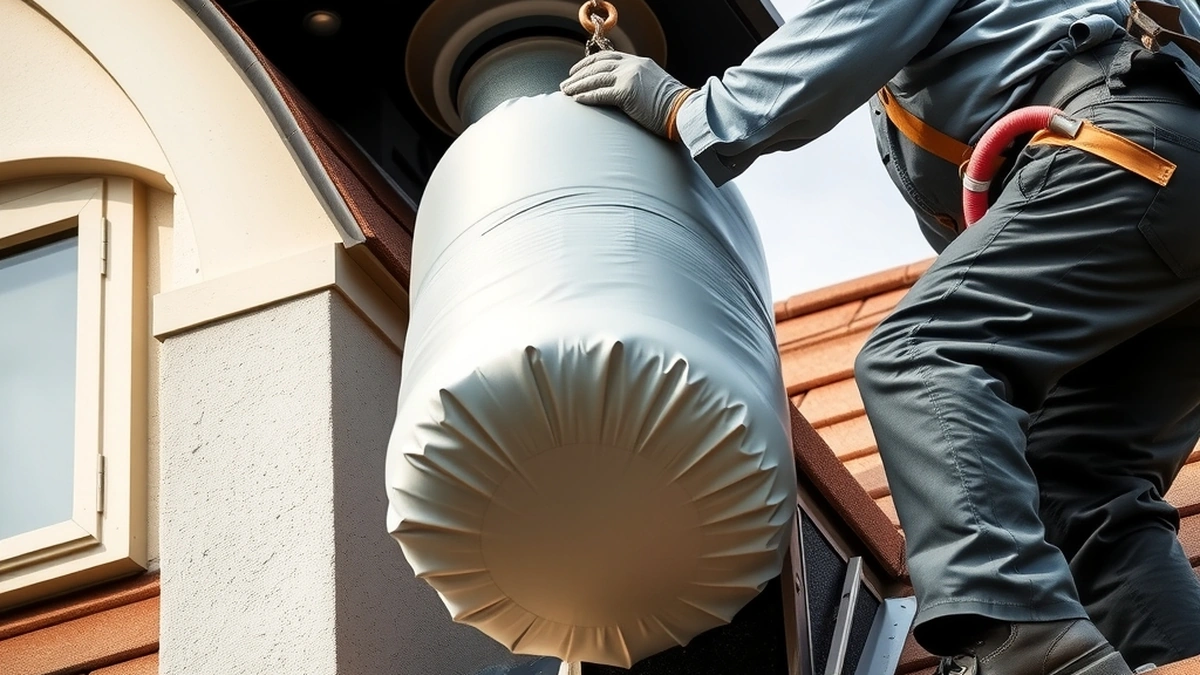
Stainless liners are usually flexible or rigid. Flexible stainless liners work well in masonry chimneys with offsets or bends, while rigid stainless liners are common in straight chimney runs and factory-built systems. The liner connects the appliance flue collar to a termination point above the roof, typically with a chimney cap and storm collar to keep water out.
When a Stainless Chimney Liner Is Needed
A stainless chimney liner is often required when installing a new appliance, converting from one fuel to another, or relining a damaged clay tile flue. Many appliance manufacturers list a stainless liner as part of the installation instructions, and local building codes may require a listed liner for solid fuel, gas, or oil appliances.
Common scenarios include:
- Installing a wood stove or fireplace insert into an existing masonry fireplace
- Relining a chimney with cracked, missing, or deteriorated clay tiles
- Converting an oil furnace to gas, or vice versa, when the existing flue is not sized or listed for the new appliance
- Repairing a chimney after a chimney fire or lightning strike
A professional inspection determines whether the existing flue can be reused or needs a liner. A Level 1 or Level 2 inspection typically costs $150–$800, depending on scope and region. That inspection fee is separate from liner installation.
Stainless Chimney Liner Cost
The typical installed cost for a stainless chimney liner is $1,500–$4,000. That range covers materials, labor, fittings, termination, and basic cleanup. Actual price depends on flue diameter, liner length, accessibility, roof height, and whether the chimney needs repairs before liner installation.
Here is an illustrative cost breakdown for a 25-foot, 6-inch flexible stainless liner installed on a single-story home:
| Item | Estimate |
|---|---|
| Stainless liner kit (25 ft, 6 in) | $600–$1,200 |
| Top plate, storm collar, and cap | $150–$600 |
| Labor and installation | $600–$1,800 |
| Inspection or sweep (if needed) | $150–$400 |
| Total estimated range | $1,500–$4,000 |
These figures are estimates, not quotes. A chimney in poor condition may require additional work. For example, crown repair typically runs $400–$1,500, and a partial rebuild can cost $5,000–$15,000. Those repairs should be completed before or during liner installation to protect the new liner from water intrusion and structural movement.
Code and Safety Considerations
Code requirements for chimney liners vary by jurisdiction, appliance type, and fuel. The International Residential Code and manufacturer installation manuals generally require flues to be listed for the appliance, properly sized, and free of gaps or blockages. Clearances to combustible materials must be maintained, and the liner must terminate above the roofline with an approved cap.
Because code and safety take priority over price, Chimney Lab does not recommend selecting a liner based on cost alone. A correctly sized stainless liner supports proper draft, which helps appliances burn efficiently and reduces creosote buildup in wood-burning systems. Improper sizing can cause sluggish draft, smoke spillage, or excessive condensation.
Annual maintenance matters after installation. A chimney sweep typically costs $150–$400 and should include a visual check of the liner, termination cap, and accessible chimney components. Wood-burning systems may need sweeping more than once per season depending on usage and fuel quality.
Choosing the Right Liner for Your Appliance
Not every stainless liner fits every appliance. Wood stoves and fireplace inserts often require liners listed for solid fuel and rated for high flue gas temperatures. Gas furnaces and oil boilers may use different liner materials or wall thicknesses depending on condensation levels and exhaust temperature.
If you are installing a wood stove, see our guide to chimney liner for wood stove for appliance-specific considerations. For furnace applications, review chimney liner for furnace to understand venting requirements for gas and oil equipment. Pellet stove installations have their own venting standards, covered in pellet stove chimney liner.
The liner diameter should match the appliance flue collar unless a qualified professional determines otherwise based on code and manufacturer instructions. Reducing or increasing flue size without engineering can affect draft and void appliance listings.
Installation Overview
A typical stainless chimney liner installation follows these steps:
- Inspect the chimney interior and exterior for damage, blockages, and clearance issues.
- Sweep the flue if creosote, soot, or debris is present.
- Measure the flue from the appliance connection to the termination point above the roof.
- Select a liner kit matched to the appliance, fuel type, and flue dimensions.
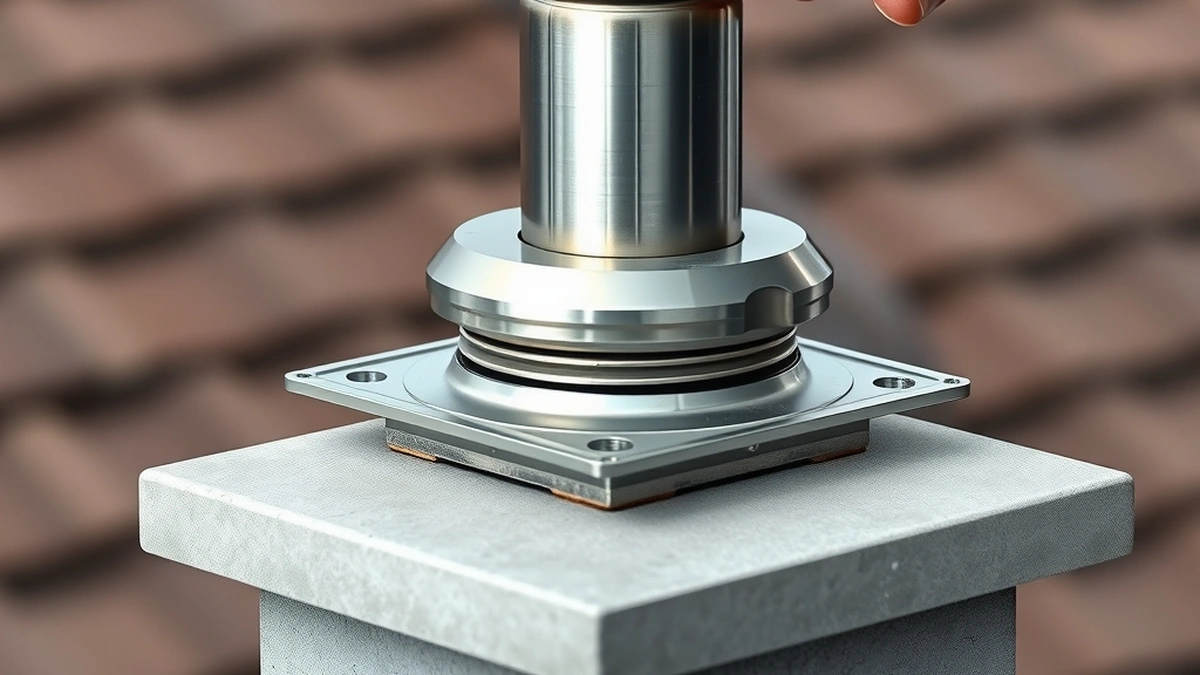
- Install a top plate at the crown to seal the chimney opening and support the liner.
- Pull or lower the liner through the chimney, keeping it centered and avoiding sharp bends.
- Connect the liner to the appliance flue collar with an approved adapter and sealant.
- Install a chimney cap with mesh screen over the termination to block precipitation and animals.
- Test draft and inspect all connections before returning the appliance to service.
Installation usually takes one to two days for a straightforward relining project. Chimneys with multiple offsets, deteriorated masonry, or difficult roof access may take longer and cost more.
Related Chimney Work
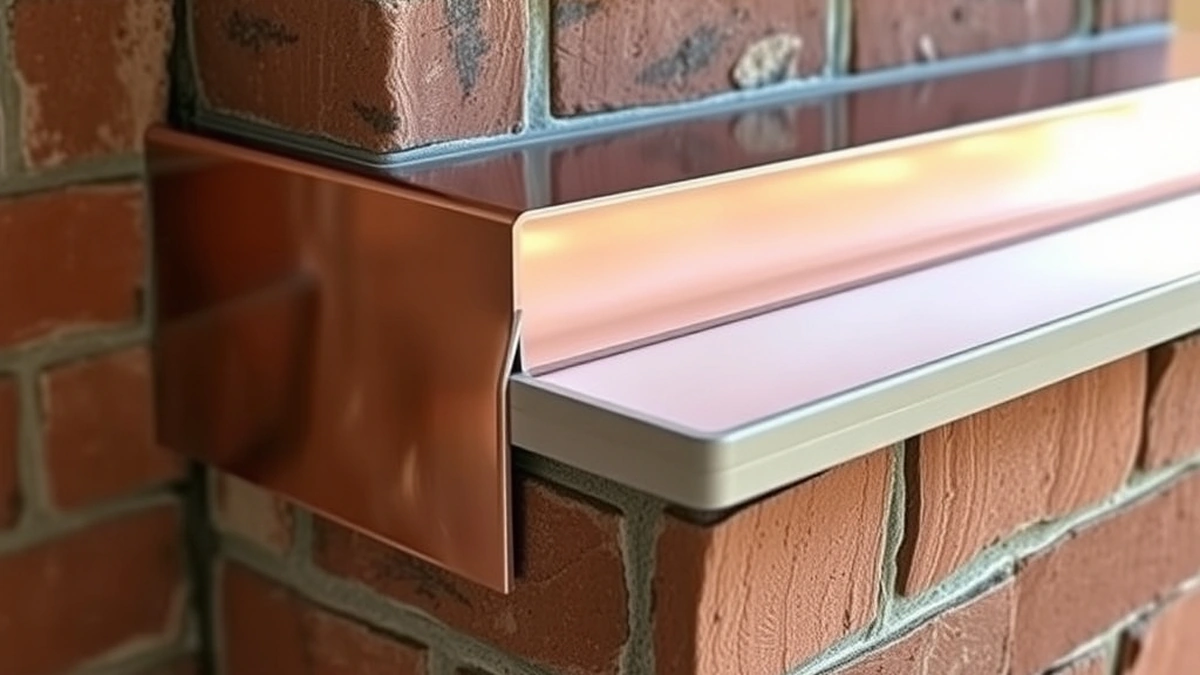
A stainless chimney liner is often part of a larger chimney project. If the crown is cracked or spalling, crown repair at $400–$1,500 should be addressed so water does not run down the outside of the new liner. A chimney cap with mesh screen is a standard companion to any liner installation and helps keep the flue dry between service visits.
Homeowners evaluating overall chimney investment can reference how much does chimney cost for broader pricing context, and chimney installation covers new construction considerations. For ongoing care, chimney maintenance outlines inspection and sweeping schedules, while chimney repair addresses masonry, flashing, and damper issues that may surface during liner installation.
Maintenance and Expected Life
A stainless chimney liner is not maintenance-free. Annual inspection checks for corrosion, joint separation, cap damage, and creosote buildup. Wood-burning appliances produce creosote, which can ignite if allowed to accumulate. Gas and oil appliances produce condensation that can corrode unlisted or improperly installed liners over time.
With annual sweeping and inspection, a stainless chimney liner can last 15–25 years. That is an estimate based on typical residential use; actual life depends on fuel type, burn habits, climate, and installation quality. If an inspection reveals pitting, warping, or failed seams, the liner section should be repaired or replaced by a qualified professional.
A stainless chimney liner protects the chimney structure, supports safe venting, and helps appliances operate as intended. Because code requirements and appliance listings vary, start with a professional inspection and choose a liner matched to your fuel, appliance, and flue dimensions.
Next, compare pellet stove chimney liner, chimney liner for wood stove, chimney cap with mesh screen before you commit.
Frequently asked questions
What is a stainless chimney liner?
A stainless chimney liner is a continuous metal tube installed inside a masonry or factory-built chimney to contain flue gases, protect the chimney walls, and improve venting performance.
How much does a stainless chimney liner cost?
A stainless chimney liner typically costs $1,500–$4,000 installed, depending on flue size, liner length, appliance type, and local labor rates.
Is a chimney liner required by code?
Many local codes and appliance manufacturers require a listed liner when installing a new appliance or relining a damaged flue; requirements vary by jurisdiction and fuel type.
Can I install a stainless chimney liner myself?
Some homeowners attempt DIY installation, but proper sizing, clearances, termination, and code compliance are technical; most installations are done by qualified professionals.
How long does a stainless chimney liner last?
A stainless chimney liner can last 15–25 years with annual inspection and sweeping, though lifespan depends on fuel type, usage, and maintenance.
Does a stainless liner need a chimney cap?
Yes. A chimney cap keeps rain, debris, and animals out of the liner and helps prevent moisture damage and downdrafts.
Sources
Some links are affiliate links.If you buy through them we may earn a commission at no extra cost to you. We do not accept payment for rankings. Read the full disclosure.