Tuckpointing reviews: how to judge the work
Tuckpointing reviews are really reviews of mortar matching and joint depth. What owners report, the complaints that signal a bad mix, and how to vet a mason.
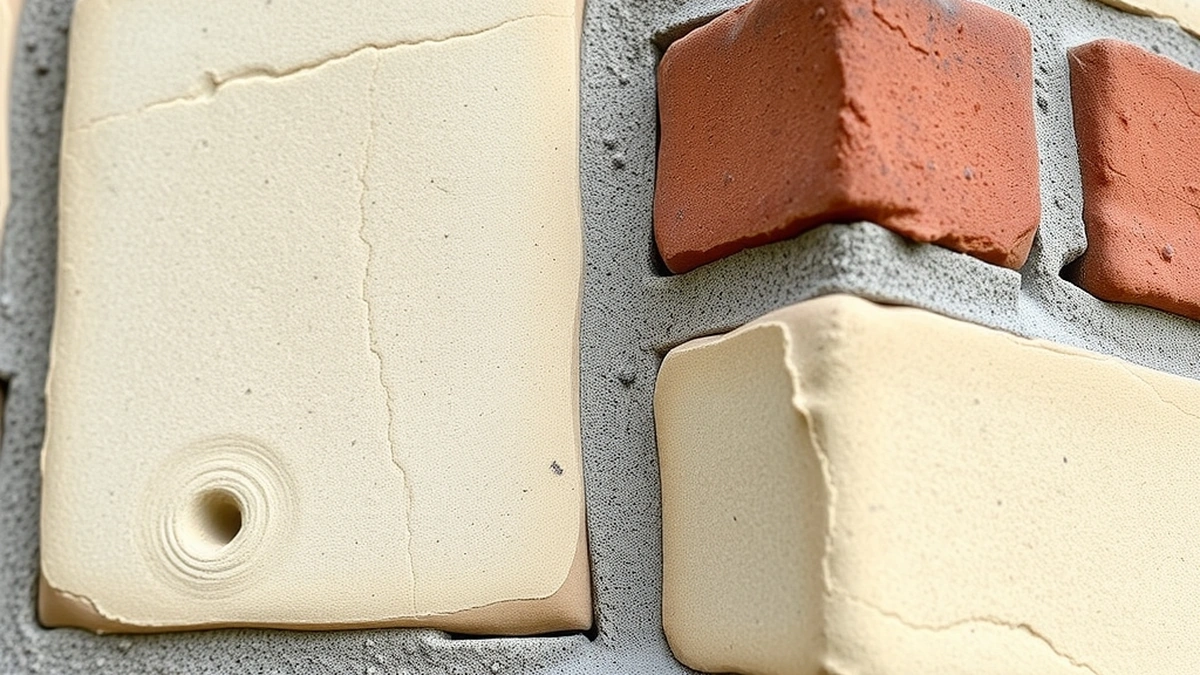
Tuckpointing reviews are most useful when they describe the mortar and the joint depth, not the tidy site. Jobs done with hard modern mortar on soft old brick read well for a year and then show spalling, which is the complaint that recurs most.
- Spot repointing
- $400 - $1,500
- Full repoint
- Above the spot band
- Partial rebuild
- $5,000 - $15,000
- Repoint life
- 20-30 years
- Failure window
- 1-5 years after a bad mix
Some links on this page are affiliate links.If you buy through them we may earn a commission at no extra cost to you. We do not accept payment for rankings. Read the full disclosure.
Tuckpointing reviews are useful when they describe the mortar, the joint depth, and how the work looked after a winter. They are much less useful when they describe a tidy site and a pleasant crew. The failure mode in repointing is slow and technical: hard mortar on soft brick reads perfectly for a year and then starts taking the brick face with it.
What the job actually is
Tuckpointing is the renewal of the outer mortar in a masonry joint. The old mortar is cut back to about twice the joint width and replaced with mortar matched to the brick.
The mortar is meant to be sacrificial: softer and more permeable than the brick, so it erodes first and takes the freeze-thaw damage.
Get that relationship wrong and the repair becomes the cause of the next problem.
What good reviews describe
Three themes recur in accounts of work that lasted.
The mortar was matched. The mason asked about the age of the brick and chose a mix to suit it, often lime-rich on older chimneys.
The joints were cut properly. The owner saw the joints opened to depth rather than skimmed, and the finished profile sheds water.
The water paths were addressed. The crown, cap, or flashing was repaired at the same time, so the new joints were not taking water from above.
None of those are visible from a photograph. They are visible in what the owner was told and what was done.
What bad reviews describe
| Complaint | Underlying cause | Shows up |
|---|---|---|
| Mortar crumbling | Lean mix or fast drying | Within a season |
| Joints cracked at the edge | Shallow cut, no key | 1-2 years |
| Brick faces flaking | Mortar harder than brick | 2-4 winters |
| Water still entering | Crown or flashing left alone | First heavy rain |
| Patchy colour | Poor mortar matching | Immediately |
| Hollow joints when tapped | Packed too dry | 1-3 years |
The third row is the expensive one. Flaking brick faces cannot be repointed back; the units have to be replaced, and if enough of them have gone the job becomes a partial rebuild at $5,000 to $15,000.
Why the failure is slow
A mortar mismatch does not announce itself.
Hard, high-cement mortar is strong and nearly impermeable. It bonds well, looks neat, and passes a visual inspection for a year or more.
The damage happens inside the brick. Water that enters the wall cannot escape through the joint, so it exits through the brick face. When it freezes, it flakes the face off.
By the time the spalling is visible, the mortar is still perfect — which is exactly the signature of the problem.
Reading the price against the scope
Spot repointing runs $400 to $1,500. The band exists because cutting joints to depth is slow, skilled work at height.
A quote well below that band is usually a different job: a shallow cut, a skimming of the surface, or a fast mix.
That is not always dishonest. A small repair on an accessible chimney can legitimately price at the bottom of the band. But a quote that is half the others, for the same described scope, is worth questioning.
Ask what depth the joints will be cut to. Ask what mortar mix and why. Ask whether the crown and flashing are being inspected.
The questions that separate a good mason from a fast one
- What mortar mix will you use, and why is it right for this brick?
- How deep will the joints be cut?
- Will you dampen the joints before packing and mist them afterward?
- Is the crown sound, and will you check the flashing while you are up there?
- Can you give me two local addresses where you repointed at least five years ago?
A mason who answers all five is doing the work that good reviews describe. The fifth question is the most useful, because five years is long enough for a mortar mismatch to show.
What reviews cannot tell you, and what to do with a bad job
Three things sit outside the scope of a repointing review.
The flue. A cracked liner is a separate defect, and a stainless liner at $1,500 to $4,000 is the usual repair. Liner and venting work belongs with a qualified chimney technician, not a repointing crew.
Structural movement. A leaning stack or a gap from the house needs an engineer’s assessment before cosmetic work.
The crown’s internal condition. A crown can look sound from the ground and be cracked behind the flashing.
What to do with a bad job.
- Tap the joints; a hollow sound means the mortar has debonded.
- Check the brick faces near the joints for flaking.
- Photograph the pattern and note the date of the work.
- Get an independent assessment before commissioning a redo.
- Fix the crown, cap, and flashing at the same time as any redo.
Redoing the work costs more than the original quote, because the failed material has to be cut out again and any spalled brick replaced. That is the practical argument for vetting the first job rather than the second.
The honest summary
Tuckpointing at $400 to $1,500 is one of the better-value repairs on a chimney, and it lasts twenty to thirty years when it is done with matched mortar under a sound crown.
The reviews that end well describe the mix and the depth. The reviews that end badly describe a neat job that took the brick with it two winters later. Our tuckpointing cost page covers pricing, and tuckpointing problems covers the failures in detail. For the method, see tuckpointing installation.
Frequently asked questions
How do I judge tuckpointing quality?
Look at the mortar: it should match the original in colour and be softer than the brick. Check the joint depth, the profile, and whether the brick faces near the joints have started to flake.
Why do reviews mention brick spalling after repointing?
Because the new mortar was harder and less permeable than the brick, so freeze-thaw damage moved into the brick face. That is the classic result of a mortar mismatch.
What should a good tuckpointing review mention?
The mortar mix and why it was chosen, the depth the joints were cut, whether the crown and flashing were addressed, and how the work looks after a winter.
How long before problems show?
One to five years. Crumbling from a lean mix or shallow cut shows within a season or two; brick spalling from a hard mortar often takes two or three winters.
Is the cheapest tuckpointing quote a bad sign?
Often. Cutting joints to depth is the slow part of the job, and a quote well below the $400 to $1,500 band for spot repointing is usually a quote for a shallow cut.
Do reviews cover the flue?
They should not, because repointing does not cover the flue. Liner and venting work is a separate scope for a qualified chimney technician.
Sources
Some links are affiliate links.If you buy through them we may earn a commission at no extra cost to you. We do not accept payment for rankings. Read the full disclosure.