Chimney Installation: What It Involves
A plain-language guide to chimney installation steps, code requirements, materials, and cost factors for homeowners.
Chimney installation means building or installing a venting system that meets code, including the flue, liner, cap, crown, and proper clearances to combustibles.
- Typical scope
- New masonry chimney or factory-built system with liner, cap, and flashing
- Code basis
- International Residential Code and local amendments
- Stainless liner estimate
- $1,500–$4,000
- Chimney cap estimate
- $150–$600
Some links on this page are affiliate links.If you buy through them we may earn a commission at no extra cost to you. We do not accept payment for rankings. Read the full disclosure.
Chimney installation is the process of building or setting a venting system that safely carries flue gases from a fireplace, wood stove, or furnace to the outdoors. It involves more than brick or metal pipe; the work includes sizing the flue, installing a liner, forming the crown, fitting a cap, flashing the roof penetration, and maintaining required clearances to combustible materials. Every step must satisfy the International Residential Code and any local amendments adopted by your jurisdiction.
Types of Chimney Installations
Homeowners generally encounter two broad categories: masonry chimneys and factory-built chimneys.
A masonry chimney is constructed on-site from brick, block, or stone, usually with a clay tile or stainless steel liner. It is durable and can last decades, but it requires a proper foundation, skilled masonry, and curing time for mortar. A full masonry chimney is a structural element, so its weight and footprint must be accounted for during framing and footing design.
A factory-built chimney, also called a prefabricated or metal chimney, is a listed system assembled from engineered components. It is lighter than masonry and often installs faster, but it must be installed exactly according to the manufacturer’s listing and the appliance it serves. Mixing parts from different manufacturers is not permitted because the system is tested as a complete assembly.
Planning and Code Requirements
Before any materials are delivered, the installer must determine the chimney’s height, location, and termination point. Code generally requires the chimney to extend at least 3 feet above the roof penetration and at least 2 feet higher than any part of the building within 10 feet. This 3-2-1 rule helps prevent wind-driven downdrafts and keeps embers away from the roof surface.
Clearances to combustibles are equally important. Masonry chimneys typically require a minimum of 2 inches of air space between the chimney exterior and wood framing, though the exact distance can vary by local code and chimney type. Factory-built chimneys use the clearance specified in the manufacturer’s installation manual, which might be 1 inch, 2 inches, or more depending on the model and whether the chimney passes through a ceiling or wall.
The flue must be sized to match the appliance. An oversized flue can allow flue gases to cool too quickly, promoting creosote buildup in wood-burning systems. An undersized flue can restrict draft and cause smoke to spill into the living space. Installers use the appliance manufacturer’s specifications and code tables to select the correct diameter.
The Installation Sequence
Whether the project is masonry or factory-built, the work generally follows this order:
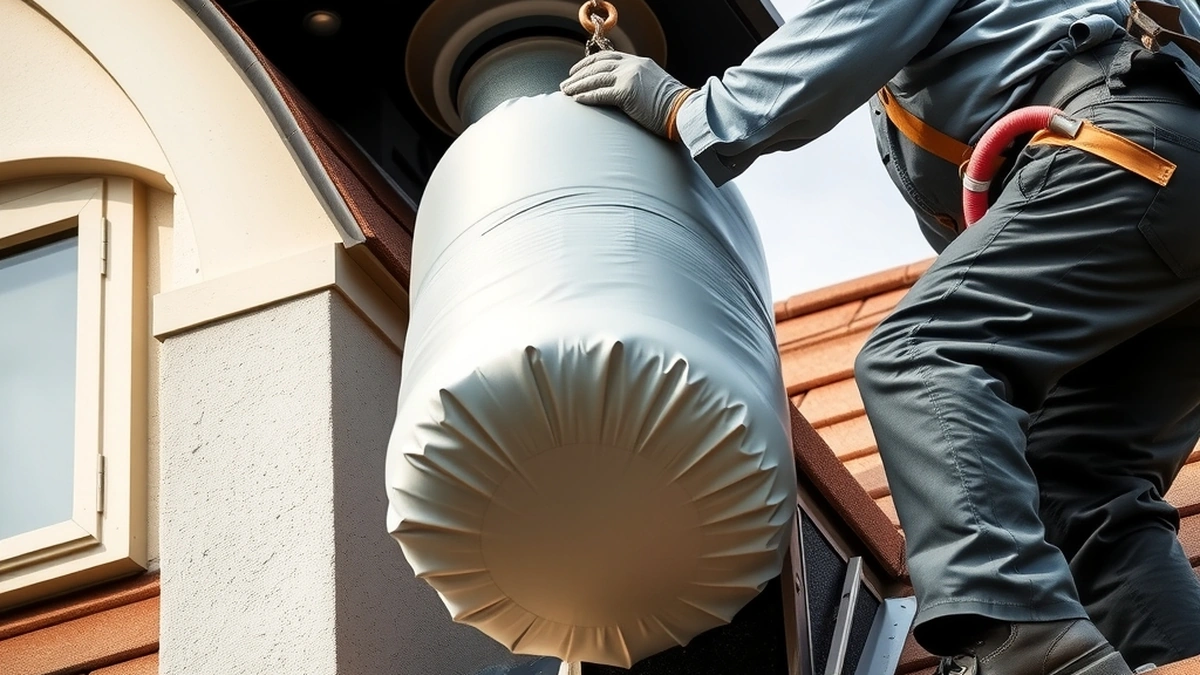
- Site preparation and foundation. For masonry, a concrete footing supports the chimney’s weight. A typical residential chimney can weigh several thousand pounds, so the footing must be sized for the load and local soil conditions. Factory-built chimneys do not require a masonry footing but still need secure framing support at each floor and roof penetration.
- Structure or assembly. Masons lay brick or block in courses, tooling the mortar joints as they go. Factory-built sections are snapped or screwed together according to the listing, with each joint sealed as directed.
- Liner installation. Clay tile liners are built in as the masonry rises. Stainless steel liners are lowered into the flue and secured at the top and bottom. A stainless liner typically costs $1,500–$4,000 installed, depending on flue height, diameter, and whether insulation is required.
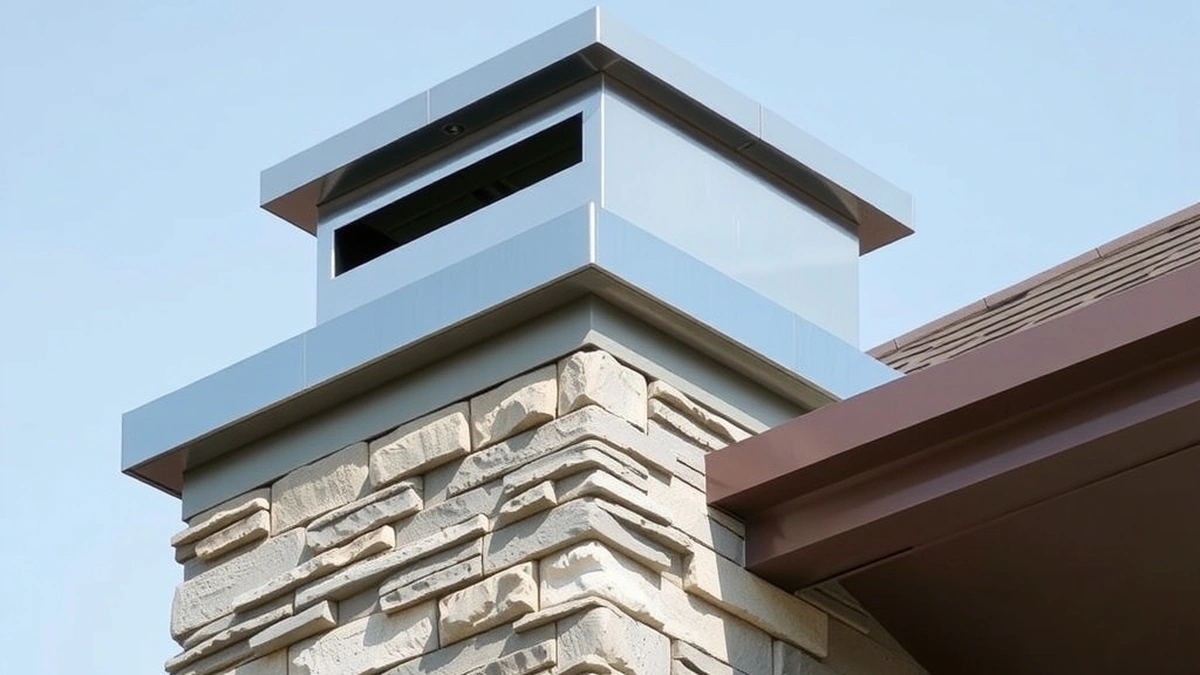
- Crown and cap. The crown is the sloped concrete or masonry wash at the top that sheds water away from the flue. Crown repair, when needed later, typically runs $400–$1,500. The chimney cap sits above the crown and keeps out rain, snow, and animals. Caps generally cost $150–$600.
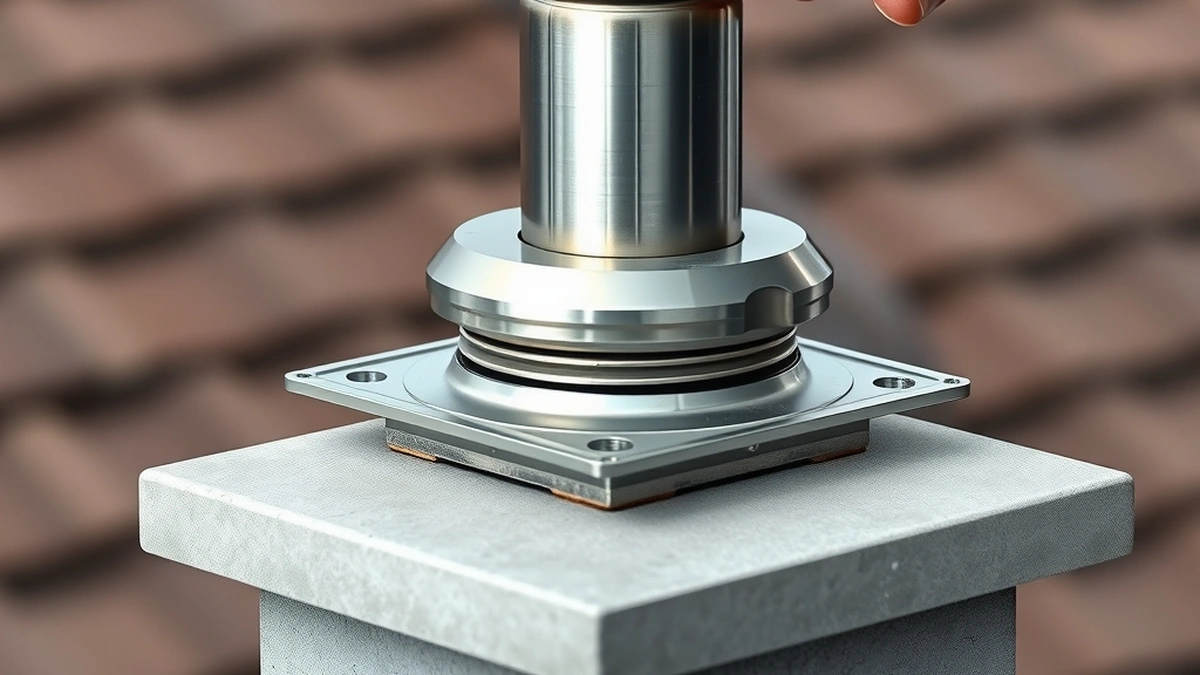
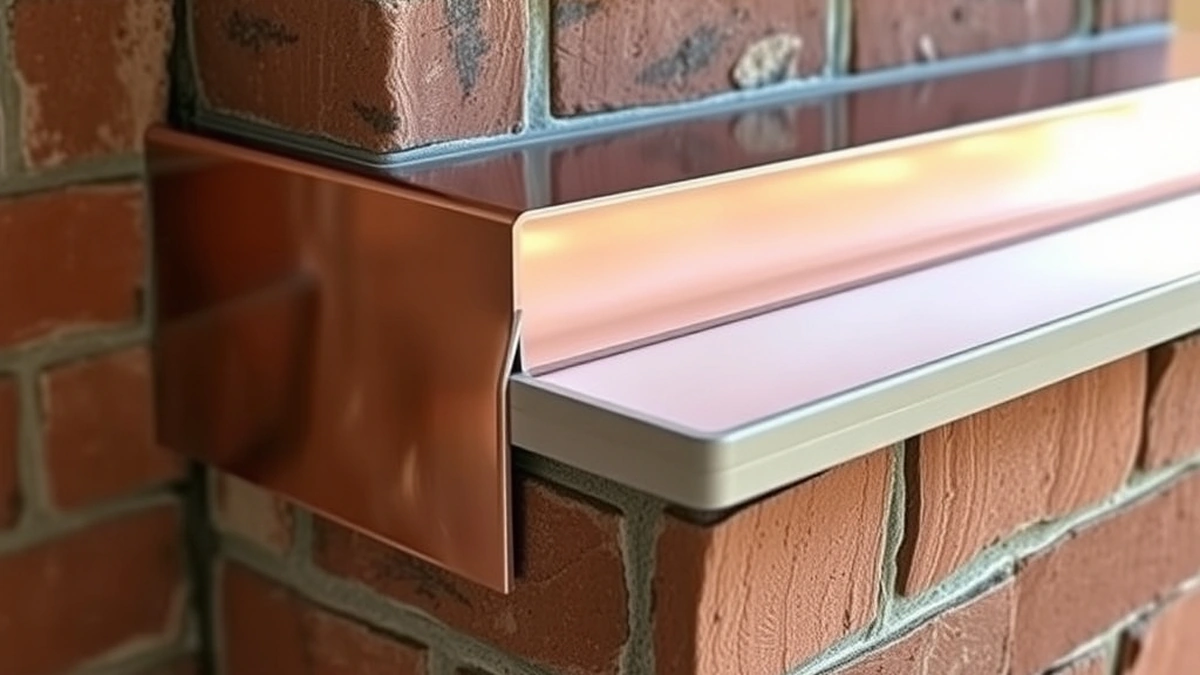
- Flashing and storm collar. Where the chimney passes through the roof, flashing directs water away from the penetration. Factory-built systems use a storm collar at the roof line to shed water around the metal pipe.
- Inspection and sign-off. A local building inspector typically checks clearances, liner continuity, cap installation, and flashing before the chimney is approved for use.
Materials and Load Considerations
Masonry materials are heavy. A standard clay brick weighs about 5 pounds, and a chimney might use hundreds of them. If a chimney is 10 feet tall with a 2-foot by 2-foot outside dimension, the wall volume is roughly 76 cubic feet before subtracting the flue opening. At an estimated 120 pounds per cubic foot for brick and mortar, the structure could weigh several thousand pounds, not including the foundation. This is why the footing must be undisturbed soil or engineered fill, and why chimneys are not cantilevered without engineering.
Factory-built chimney sections are much lighter, often a few pounds per linear foot, but the support brackets at each floor penetration must carry the full weight of the chimney above them. Installers follow the manufacturer’s support spacing, which might require a support every 15 or 20 feet of height.
Cost Factors
Installation cost varies widely by chimney type, height, accessibility, and regional labor rates. The figures below are estimates, not quotes, and they cover component costs rather than a complete turnkey installation.
| Item | Estimated cost |
|---|---|
| Chimney sweep | $150–$400 |
| Level 1–3 inspection | $150–$800 |
| Stainless steel liner | $1,500–$4,000 |
| Chimney cap | $150–$600 |
| Crown repair | $400–$1,500 |
| Partial rebuild | $5,000–$15,000 |
Arithmetic example: if a project requires a stainless liner at $2,500, a cap at $300, and a Level 2 inspection at $400, the component subtotal is $3,200 before labor, scaffolding, permits, or masonry work. A partial rebuild, if the existing structure is unsound, might add $5,000–$15,000 on top of liner and cap costs.
When Installation Becomes Replacement
Not every chimney project starts from bare ground. If an existing chimney has cracked tiles, spalling brick, or a deteriorated crown, the installer may recommend relining or a partial rebuild instead of a full teardown. Relining preserves the outer masonry while replacing the flue path. A partial rebuild removes and replaces the damaged upper portion, often above the roofline, while leaving the lower structure intact.
If the chimney is beyond repair, a full replacement may be more cost-effective than repeated patching. This decision usually follows a Level 2 or Level 3 inspection, which uses cameras or other tools to examine flue conditions that are not visible from the firebox or roof.
Maintenance After Installation
A new chimney still requires ongoing care. Wood-burning appliances should be swept when creosote reaches 1/8 inch of buildup, and a chimney sweep typically costs $150–$400. Annual inspections catch cracked liners, loose caps, and deteriorated mortar before they become safety issues. Gas appliances produce less soot, but their vents can still corrode or become blocked by debris, so they also benefit from yearly checks.
Keeping the cap and crown in good condition prevents water entry, which is the leading cause of masonry chimney deterioration. Water that freezes inside brick expands and breaks the surface, leading to spalling and costly repairs down the line.
Choosing a Qualified Installer
Chimney installation touches structural carpentry, masonry, roofing, and fuel-gas or venting code. Look for installers who reference the International Residential Code, follow manufacturer listings for factory-built systems, and can pull the required local permits. Ask whether the work includes a liner, cap, flashing, and final inspection, and get the scope in writing before work begins.
For related guidance on pricing, upkeep, and how chimneys compare to sweeping services, see our pages on how much does chimney cost, chimney repair, and chimney maintenance.
Frequently asked questions
What does chimney installation include?
It includes sizing the flue, building or setting the chimney structure, installing a liner, adding a cap and crown, flashing the roof connection, and verifying clearances to combustible materials.
Do I need a chimney liner?
Most modern installations require a liner to protect masonry from flue gases, improve draft, and meet code; stainless liners typically run $1,500–$4,000 installed.
How far must a chimney be from wood framing?
Masonry chimneys generally need at least 2 inches of clearance to combustibles, while factory-built chimneys follow the manufacturer’s listed clearance, often 1 to 2 inches.
Can I install a chimney myself?
DIY chimney work is possible for very limited tasks, but full installation involves structural masonry, roof flashing, and code inspections that are best handled by a qualified professional.
How long does installation take?
A factory-built chimney can take one to two days, while a full masonry chimney often takes one to two weeks depending on weather, crew size, and local inspection scheduling.
What maintenance follows installation?
Schedule a chimney sweep, typically $150–$400, and an annual inspection to check the liner, cap, crown, and mortar joints before each heating season.
Sources
Some links are affiliate links.If you buy through them we may earn a commission at no extra cost to you. We do not accept payment for rankings. Read the full disclosure.