Chimney Repair: When It Is Worth It
A practical guide to deciding whether chimney repair makes sense, with cost ranges, safety checks, and replacement alternatives.
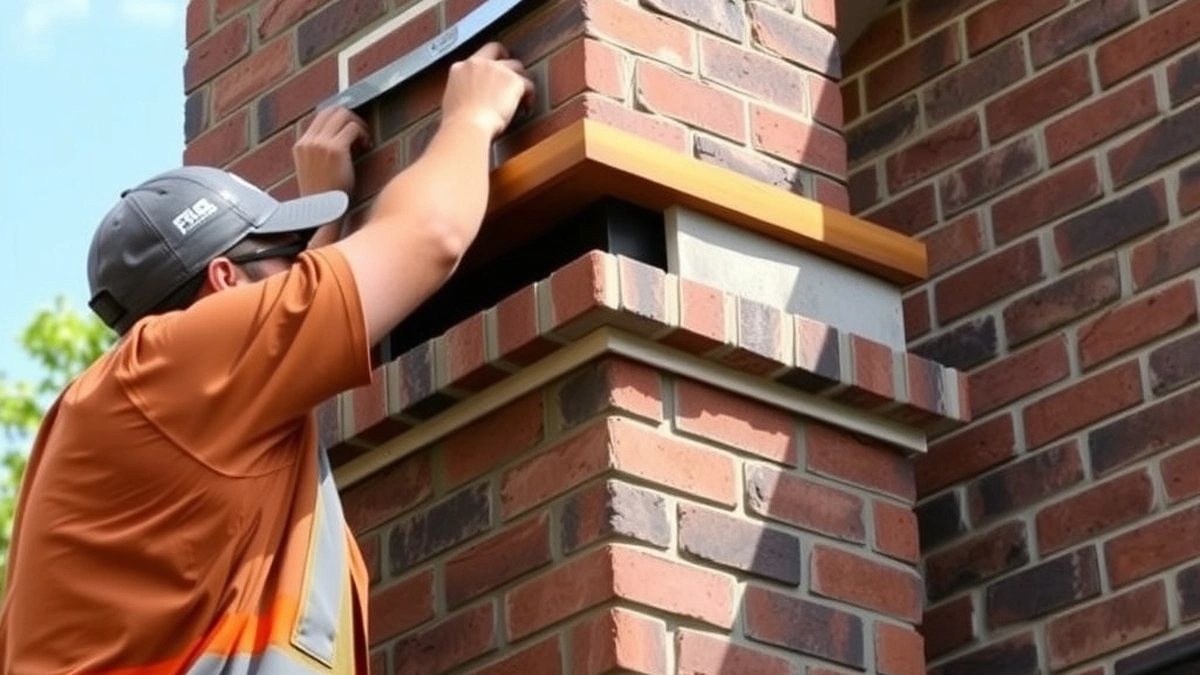
Repair is worth it when the structure is sound, the damage is localized, and the total cost stays well below a full rebuild or replacement.
- Typical chimney sweep
- $150–$400
- Level 1–3 inspection
- $150–$800
- Stainless steel liner
- $1,500–$4,000
- Chimney cap
- $150–$600
- Crown repair
- $400–$1,500
Some links on this page are affiliate links.If you buy through them we may earn a commission at no extra cost to you. We do not accept payment for rankings. Read the full disclosure.
Chimney repair is worth it when the damage is localized, the structure is sound, and the repair cost is a fraction of rebuilding or replacing the appliance it serves. If the chimney is leaning, missing large sections of brick, or showing widespread spalling, repair may only delay an inevitable rebuild. This guide walks through how to evaluate damage, what common repairs cost, and when to consider a full replacement instead.
Start With an Inspection
Before spending money on any repair, schedule a chimney inspection. A Level 1 inspection is a visual check of readily accessible parts and typically costs $150–$800 depending on the level required and your region. A Level 2 or Level 3 inspection may involve cameras or opening sections of the chimney and sits at the higher end of that range.
An inspection tells you whether the problem is superficial or structural. A cracked crown can be sealed. A flue liner with gaps or cracks needs replacement. A chimney that is pulling away from the house needs a structural evaluation, not just tuckpointing. Knowing the difference prevents you from pouring money into a chimney that should be replaced.
Common Repairs and What They Cost
Most chimney problems fall into a few categories. Here are typical estimates, not fixed quotes:
- Chimney sweep: $150–$400
- Chimney cap: $150–$600
- Crown repair: $400–$1,500
- Stainless steel liner: $1,500–$4,000
- Partial rebuild: $5,000–$15,000
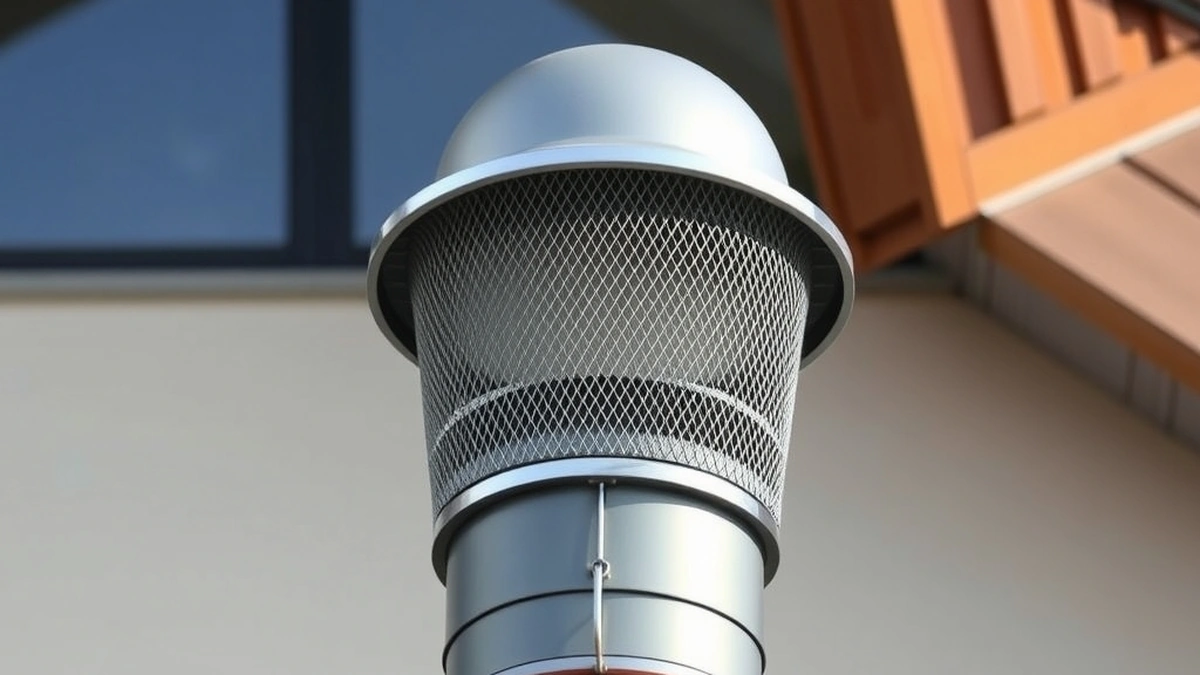
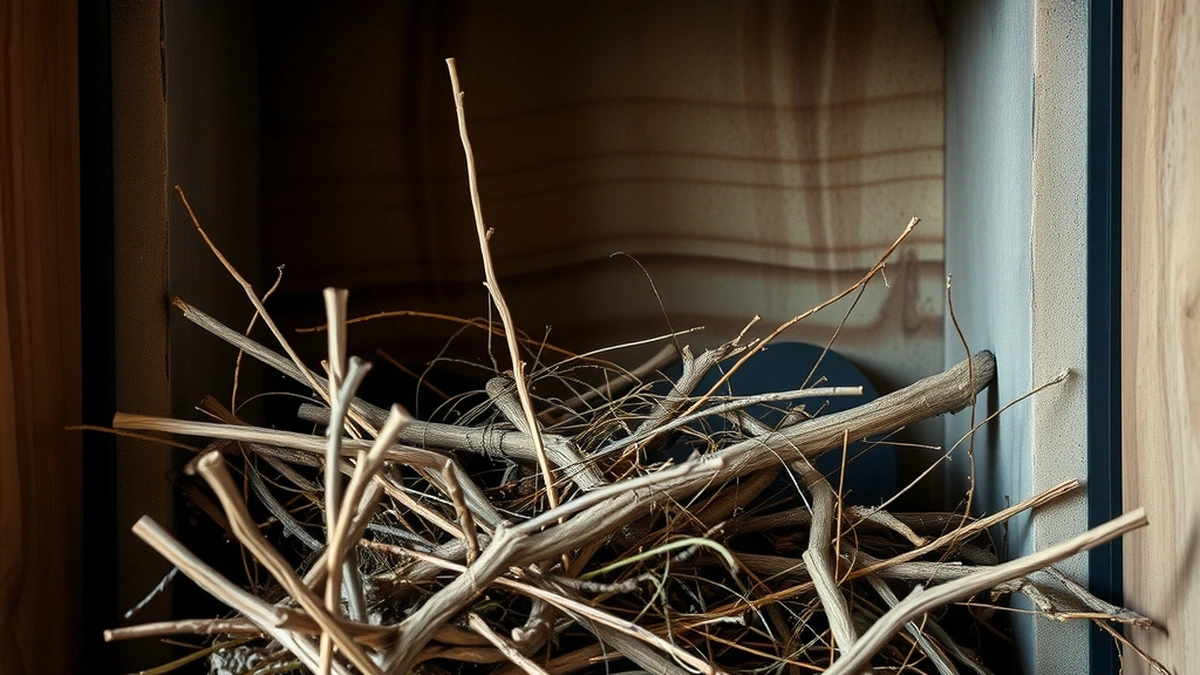
A chimney cap keeps rain, animals, and debris out of the flue. If your cap is missing or rusted, replacing it is one of the highest-value repairs you can make. At $150–$600, it protects the interior masonry from water damage that can cost thousands to fix later.
The crown is the sloped concrete or mortar layer at the top of the chimney. Crown repair runs $400–$1,500 and is worth doing when cracks are surface-level and the chimney below is solid. Water entering through a bad crown travels downward and damages the flue, damper, and firebox.
A stainless steel liner costs $1,500–$4,000 and is worth installing if your clay tile liner is cracked, missing, or sized incorrectly for a new appliance. A proper liner improves draft, contains combustion byproducts, and protects masonry from corrosive flue gases.
When Repair Makes Sense
Repair is the right choice when the damage is limited and the chimney is otherwise stable. Examples include:
- Replacing a missing or damaged chimney cap
- Sealing a cracked crown before water penetrates deeper
- Repointing mortar joints on the upper courses only
- Installing a new liner because the old one is worn but the masonry is sound
- Fixing flashing where the chimney meets the roof
In these cases, the repair extends the life of the chimney without addressing a failing foundation or widespread brick loss. If you are keeping the fireplace or heating appliance for several more years, the cost is usually justified.
To put this in perspective, compare a $1,500–$4,000 liner against a partial rebuild at $5,000–$15,000. If the liner solves the safety issue and the chimney structure is good, the liner is the logical choice. If you need a liner plus crown repair plus a partial rebuild, the bills add up quickly, and a full replacement or appliance change may be cheaper over time.
When Repair Is Not Worth It
Some conditions point toward replacement rather than repair:
- The chimney is leaning or separating from the house
- More than 25 to 30 percent of the brick or block is spalled, cracked, or missing
- The footing is cracked or settled
- Multiple flues are damaged in a multi-story chimney
- Repair estimates approach the cost of a new factory-built chimney system
A partial rebuild at $5,000–$15,000 only makes sense when the damage stops above the roofline. If the damage runs from top to bottom, you are paying for scaffolding, demolition, and new masonry on a structure that may still have hidden problems below grade.
Also consider the appliance. If you are repairing a chimney for an old, inefficient wood stove or fireplace that you plan to retire, the repair may not be worth it. Switching to a direct-vent gas appliance or electric heat can eliminate the need for a masonry chimney entirely. You can review options in our chimney installation guide.
Load and Safety Considerations
Chimneys are not just decorative. They carry hot flue gases and must resist wind, rain, and freeze-thaw cycles. A standard residential chimney might be 2 feet wide by 2 feet deep and extend 15 feet above the roof. That is a significant dead load, and any lean or settlement changes how weight transfers to the footing.
Masonry weighs roughly 100 to 150 pounds per cubic foot. A 2-foot by 2-foot chimney section that is 10 feet tall contains about 40 cubic feet of material, or 4,000 to 6,000 pounds before you add the cap, crown, and liner. If the footing is compromised, that load has nowhere stable to go. Code requires chimneys to be supported on foundations capable of carrying all loads, and repairs should never ignore a failing base.
Clearances matter too. Combustible framing must maintain required air space from the chimney, and a damaged liner can allow heat to reach nearby wood. These are code and safety issues, not cosmetic preferences. If an inspection finds clearance violations or liner failure, repair is mandatory before the appliance is used again.
Maintenance vs. Repair
Routine maintenance is cheaper than repair. A chimney sweep at $150–$400 removes creosote and blockages that can cause chimney fires or carbon monoxide leaks. Annual inspections catch small cracks before they become large leaks. Waterproofing the masonry and maintaining the cap and crown are the best ways to avoid the $5,000–$15,000 rebuild range.
You can learn more about upkeep in our chimney maintenance article. If you are deciding whether to tackle anything yourself, our DIY chimney piece covers what is reasonable for a homeowner and what requires a licensed professional.
Deciding Framework
Use this simple checklist before authorizing work:
- Get a Level 1 or Level 2 inspection.
- Identify whether damage is localized or widespread.
- Compare repair estimates against partial and full rebuild costs.
- Consider the age and efficiency of the appliance the chimney serves.
- Factor in how long you plan to stay in the home.
If the total repair is under roughly one-third of a replacement cost and the chimney has at least 10 to 15 years of expected life remaining, repair is usually worth it. If the estimate exceeds half of replacement cost, or if structural issues are present, replacement deserves serious consideration.
Bottom Line
Chimney repair is worth it when the problem is specific, the structure is stable, and the cost protects years of safe use. A $300 cap or a $1,000 crown repair is cheap insurance against water damage. A $3,000 liner is sound money if the brick is good. But when the chimney itself is failing, repair becomes a down payment on a rebuild. Start with an inspection, compare the numbers honestly, and let code and safety lead the decision.
Frequently asked questions
When is chimney repair worth it?
Repair is worth it when damage is limited to the cap, crown, flashing, or a short section of masonry, and the rest of the chimney is structurally sound.
How much does a chimney inspection cost?
A Level 1 to Level 3 inspection typically costs $150–$800, depending on the level required and regional labor rates.
Should I repair or replace a damaged liner?
A stainless steel liner costs $1,500–$4,000 and is usually worth installing if the existing liner is cracked, missing, or improperly sized.
Is a partial rebuild cheaper than a full rebuild?
A partial rebuild runs $5,000–$15,000 and can be worthwhile when only the top portion of the chimney is deteriorated.
Can I do chimney repair myself?
Minor cap replacement may be DIY-friendly, but masonry, liner, and structural work should be handled by a qualified professional for code and safety compliance.
How often should I inspect my chimney?
The chimney should be inspected at least once a year, and swept as needed, to catch damage before it becomes expensive or unsafe.
Sources
Some links are affiliate links.If you buy through them we may earn a commission at no extra cost to you. We do not accept payment for rankings. Read the full disclosure.