Chimney vs chimney sweep: what each one means
A chimney is the structure that vents an appliance. A chimney sweep is the trade that cleans and inspects it. Here is where the two words overlap and where.
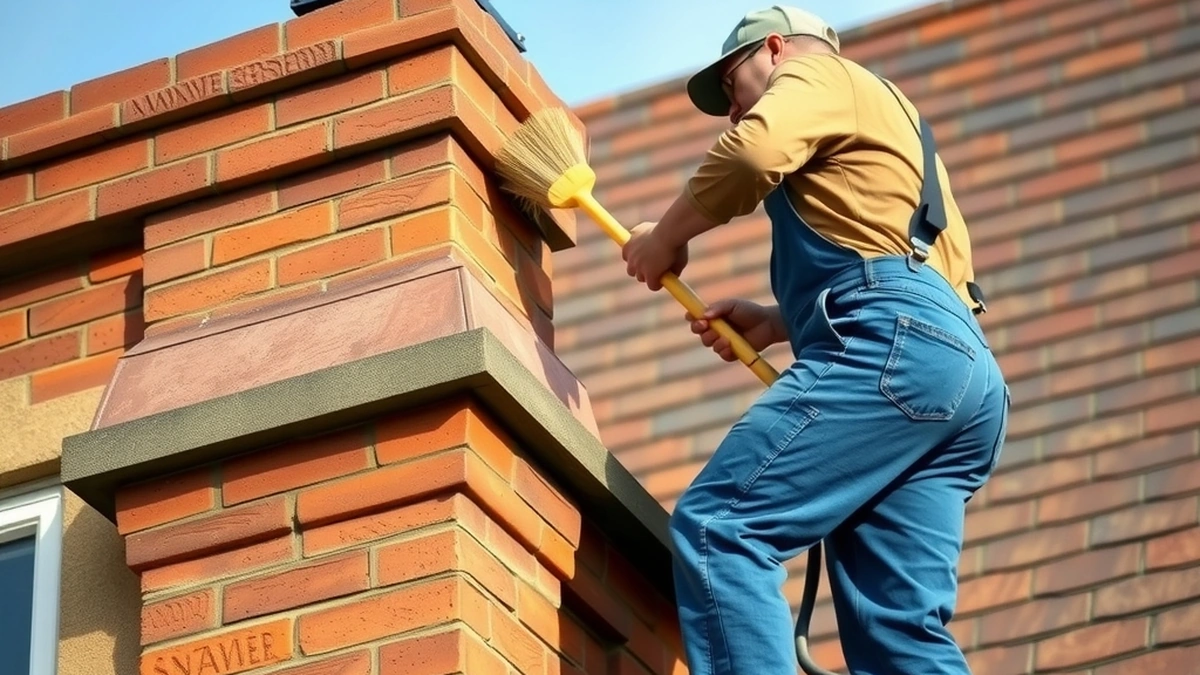
A chimney is the physical venting structure. A chimney sweep is the person and service that removes creosote and soot from it. One is a building component, the other is maintenance work performed on that component.
- Sweep cost
- $150–$400
- Level 1–3 inspection
- $150–$800
- Cap installed
- $150–$600
- Stainless liner
- $1,500–$4,000
Some links on this page are affiliate links.If you buy through them we may earn a commission at no extra cost to you. We do not accept payment for rankings. Read the full disclosure.
A chimney is the structure. A chimney sweep is the trade that services it. The two words get used interchangeably in conversation, and that habit causes real confusion when a homeowner is quoted for work and cannot tell whether the price covers cleaning, inspection, or repair.
The distinction matters because the two have different failure modes, different prices, and different people responsible for them. Here is the split, and where it gets blurry.
The definition, plainly
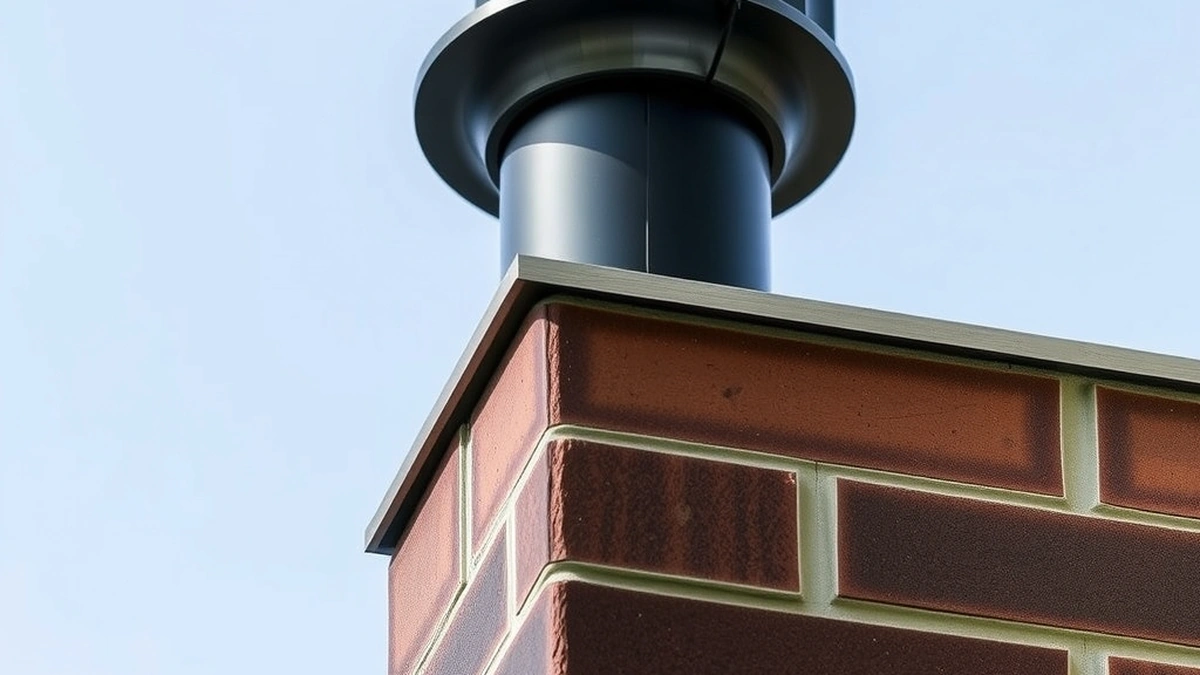
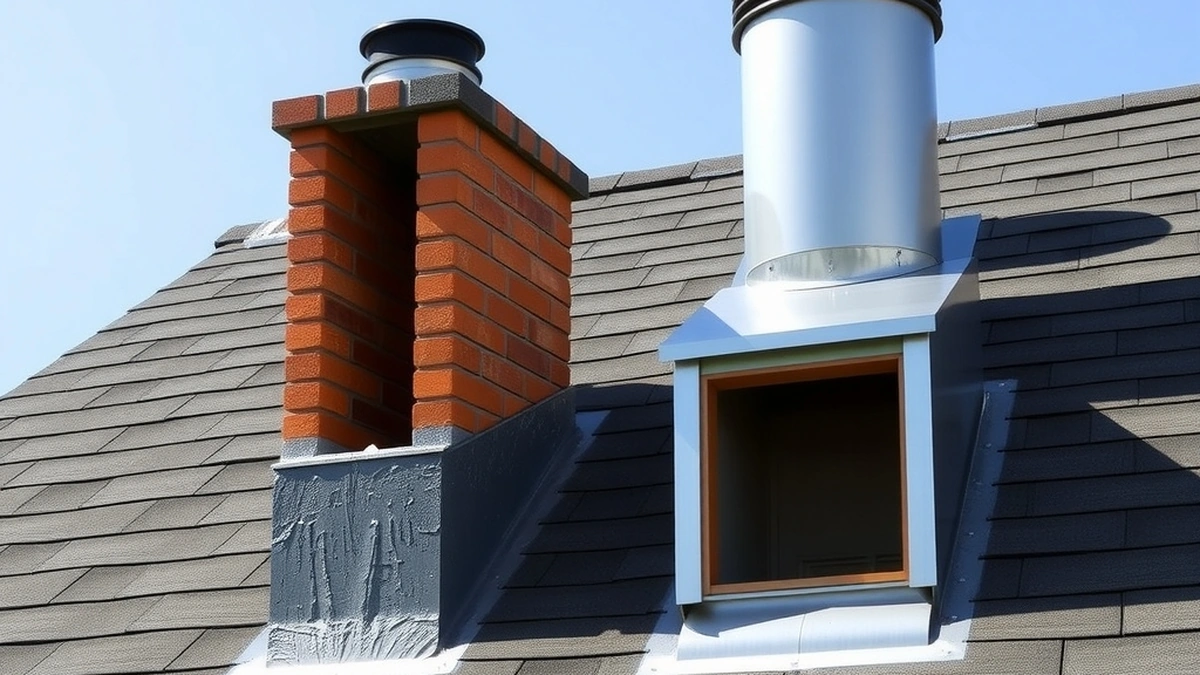
A chimney is a vertical structure that carries smoke and combustion gases from an appliance to the outdoors. It includes the flue, the liner inside the flue, the crown at the top, the cap, the flashing where it meets the roof, and the masonry or metal shell around all of it.
A chimney sweep is a technician who removes soot, creosote, and obstructions from the flue and firebox. The word is also used for the business itself and, historically, for the job title. Sweeping is maintenance performed on a chimney, in the same way that an oil change is maintenance performed on an engine.
Why the words get mixed up
Three reasons. First, the trade gave its name to a tool and a service that most people only encounter in the context of the structure, so “I need a chimney sweep” means “I need my chimney cleaned” in ordinary speech. Second, in some regions the verb is used directly: people say they are going to “sweep the chimney,” which sounds like work on a chimney rather than work by a sweep. Third, search results blend the two, so a homeowner looking up a chimney problem lands on a sweep’s service page and concludes the terms are synonyms.
They are not, and the practical cost of the confusion is that people buy a sweep when they need an inspection, or buy an inspection when the real problem is a cracked crown that no brush will fix.
What the chimney side includes
The structure has parts that fail on their own schedules. The liner handles heat and corrosion. The crown handles water at the top. The flashing handles water at the roof line. The masonry handles structure and weather. The cap handles rain, animals, and embers.
| Component | What it does | Typical repair |
|---|---|---|
| Flue liner | Contains heat and gases | Reline, $1,500–$4,000 |
| Crown | Sheds water off the top | Repair, $400–$1,500 |
| Flashing | Seals the roof penetration | Rebuild the joint |
| Cap | Blocks rain, animals, embers | Replace, $150–$600 |
| Masonry | Structure and weather shell | Rebuild section, $5,000–$15,000 |
Read that table as a map of where money goes. Notice that none of those line items is sweeping. Sweeping protects the liner by removing fuel, but it does not repair anything.
What the sweep side includes
A standard sweep arrives with rods, brushes, a vacuum with a HEPA filter, drop cloths, and a flashlight. The work is to remove soot and creosote from the flue, clear the smoke shelf and damper area, clean the firebox, and remove debris from the cleanout. A good sweep also checks the cap, looks at the crown from the roof, and tells you what he saw.
That last part is where the trade has moved in the last few decades. Sweeping alone is a cleaning service. Sweeping plus a written, photographic report is what most homeowners actually need, because the report is what tells them whether the chimney is safe to use.
Sweeping versus inspection: the comparison that matters
| Question | Sweeping | Inspection |
|---|---|---|
| Purpose | Remove deposits | Evaluate condition |
| Result | Cleaner flue | Written report with findings |
| Covers liner defects | Only if visible while brushing | Yes, by level and method |
| Covers crown, cap, flashing | Sometimes, informally | Yes, at Level 2 and up |
| Typical cost | $150–$400 | $150–$800 |
| Needed before buying a house | Not sufficient | Yes |
If you are selling or buying a home, the inspection is the document that matters. If you burn wood and it has been a year, the sweep is the service you need. Most people need both, and most companies sell both.
What each costs, with the arithmetic
Sweeping runs $150 to $400 for a single flue. Two flues on one chimney are two services: 2 × $150 = $300 at the low end and 2 × $400 = $800 at the high end.
Inspection runs $150 to $800 across Levels 1 through 3. A Level 1 visual check sits near the bottom of that range and a Level 3 with camera work and access panels sits near the top.
Bundle them and the annual maintenance number is $300 to $1,200: a $150 sweep plus a $150 inspection at the floor, and a $400 sweep plus an $800 inspection at the ceiling. Compare that with the repair it prevents. A crown repair is $400 to $1,500, a liner is $1,500 to $4,000, and a partial rebuild is $5,000 to $15,000. One avoided rebuild pays for a decade of maintenance at the high end of the range.
What you do next
- Decide which service you are buying. If the flue is dirty, book a sweep. If you are buying a house, changing appliances, or have had a chimney fire, book an inspection.
- Ask what the price covers and whether the report is photographic and written.
- Clear access to the firebox and the cleanout before the visit, and move anything breakable away from the hearth.
- Ask the technician to look at the cap and crown while on the roof, and to note anything he cannot evaluate from inside.
- Keep the report with your home records. It is the baseline the next inspection gets compared against.
- If the report recommends a liner or crown repair, get a second quote before authorizing it.
For the structural repairs a sweep may flag, see chimney repair and chimney crown repair cost. If the finding is heavy creosote, the causes are covered in creosote build-up signs.
Where the two overlap, and why that is fine
A sweep who cleans without looking is doing half the job, and an inspector who never touches a brush cannot see the flue wall under a quarter inch of glaze. The best operators do both in one visit: sweep first, then inspect what the brush exposed.
The one place the overlap becomes a problem is pricing. Some companies quote a single “chimney service” price that bundles sweeping, a Level 1 inspection, and a cap check, then present the bundle as a discount. Compare that bundle against the separate numbers: $150 to $400 for the sweep plus $150 to $800 for the inspection. If the bundle is inside $300 to $1,200, it is fairly priced. If it is far above that, you are paying for something else.
For the full annual routine, see chimney maintenance. If you are still deciding whether to book the visit at all, chimney inspection cost covers what each inspection level includes, and chimney sweep cost covers what drives the cleaning price up or down.
Frequently asked questions
Is a chimney sweep the same as a chimney?
No. The chimney is the structure, including the flue, crown, flashing, and masonry. A chimney sweep is the technician or business that cleans soot and creosote out of the flue.
Does a chimney sweep also inspect the chimney?
A competent sweep inspects while cleaning and reports what he finds. A formal inspection is a separate service with its own scope and report, and it is what you want before buying a house.
How often does a chimney need sweeping?
Once a year for most wood-burning appliances, and more often if you burn heavily or notice creosote buildup. Gas appliances still need an annual check even though they produce little soot.
Can I sweep my own chimney?
Homeowners can buy rod-and-brush kits and clean a straightforward flue, but the work involves roof access, soot containment, and the risk of missing a liner defect. Many people do it once and then hire out.
What is the difference between sweeping and inspection?
Sweeping removes deposits. Inspection evaluates condition and reports defects, from the cap to the firebox, without necessarily cleaning anything.
How much does a sweep and inspection cost together?
Budget $300 to $1,200 for the pair. At the low end that is a $150 sweep plus a $150 inspection; at the high end, a $400 sweep plus an $800 inspection.
Sources
Some links are affiliate links.If you buy through them we may earn a commission at no extra cost to you. We do not accept payment for rankings. Read the full disclosure.