Crown rebuild installation: forming and pouring
How a chimney crown rebuild is installed: demolition to the flue tile, formwork with overhang and slope, the mix, the pour, the bond break, and cure.
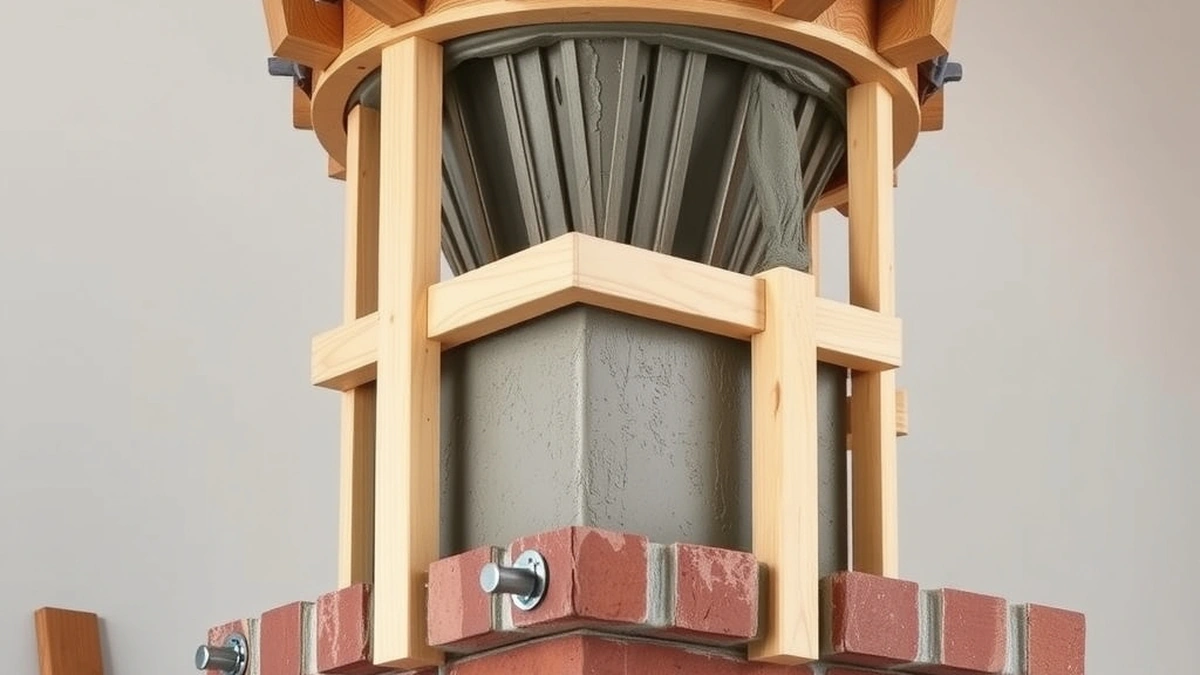
Crown rebuild installation removes the old crown to the flue tile, builds forms with a two-inch overhang and a slope away from the flue, pours a reinforced mix, cuts a bond break, and cures it before the cap goes back on. Most jobs take one day plus cure.
- Typical duration
- One day plus cure
- Minimum overhang
- 2 inches
- Crown slope
- About 2 inches in 12
- Rebuild cost estimate
- $1,000–$3,000
Some links on this page are affiliate links.If you buy through them we may earn a commission at no extra cost to you. We do not accept payment for rankings. Read the full disclosure.
Crown rebuild installation is a small concrete job performed at height, and the details are what make it last. The old crown comes off down to the flue tile, forms go up to create a two-inch overhang and a slope, reinforcement and concrete go in, a bond break separates the crown from the tile, and the whole thing cures before a cap is refitted. A single-flue chimney is usually a one-day job plus cure.
What the crown does
A chimney crown is the sloped concrete or mortar cap on top of the masonry. It sheds water away from the flue and away from the chimney walls. When it works, the masonry below stays dry. When it fails, water enters the top of the chimney and works down through freeze-thaw cycles, which is the single most common path to a partial rebuild at $5,000–$15,000.
A rebuild replaces the crown and, if it is done properly, corrects the three details that caused the failure: slope, overhang, and the joint at the flue.
Demolition and preparation
The old crown is broken out with a hammer and chisel or a small breaker, working from the outside toward the flue. The target is the top of the flue tile, which stays in place.
Two checks happen here. First, the top course of brick: if it is loose, spalled, or cracked, it comes out and is replaced before any forming. Second, the flue tile itself: a cracked or spalled tile at the top needs a new tile section or a liner termination before the crown can be poured around it.
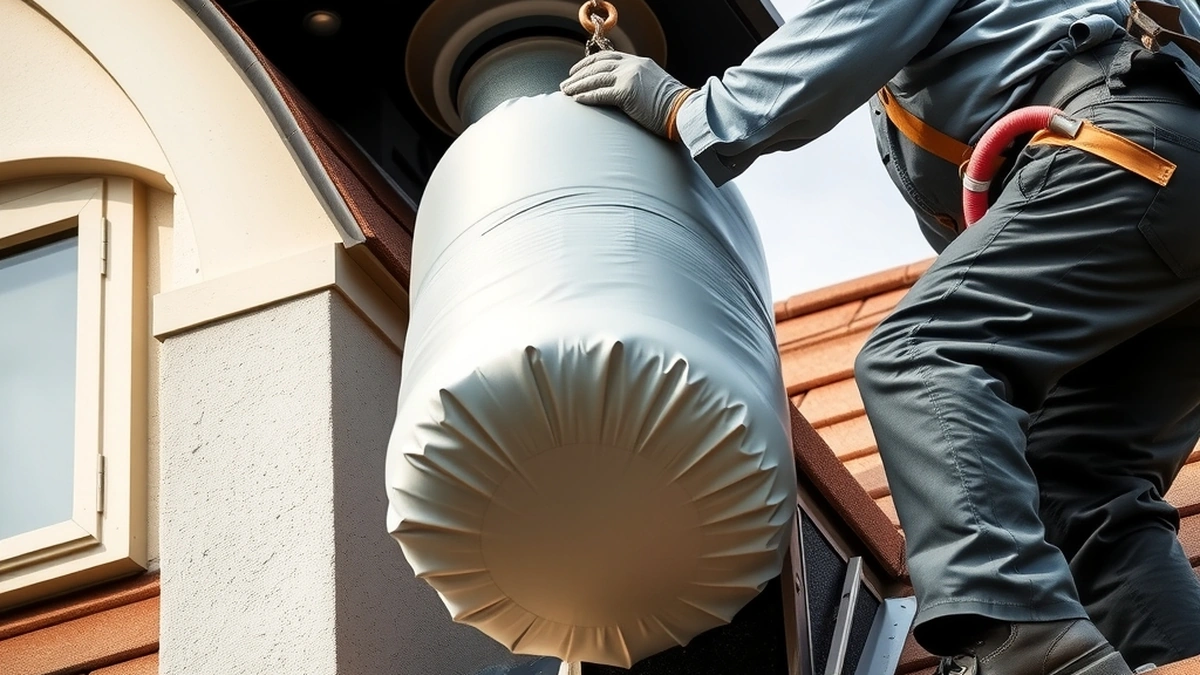
Debris goes down the chimney if the flue is not sealed, so the flue is capped before demolition starts. That is a five-minute step that prevents a sweep at $150–$400 later.
Formwork: overhang, slope, bond break
Formwork is where the quality of the job is decided. Four requirements:
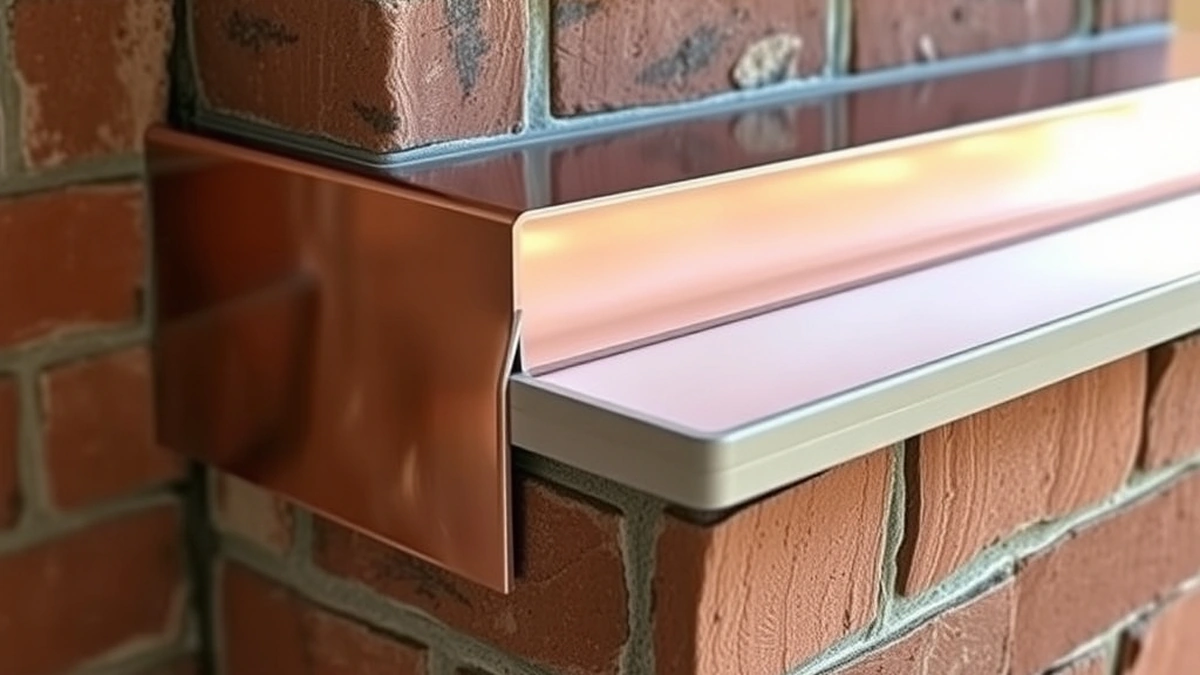
- Overhang. At least two inches past the face of the masonry on every side, with a drip edge cut into the underside so water falls clear of the wall.
- Slope. Roughly two inches of fall per twelve inches of run, away from the flue. A flat crown holds water and fails at the first freeze.
- Thickness. At least two inches at the thin edge, thicker at the flue, so the crown does not crack under its own span.
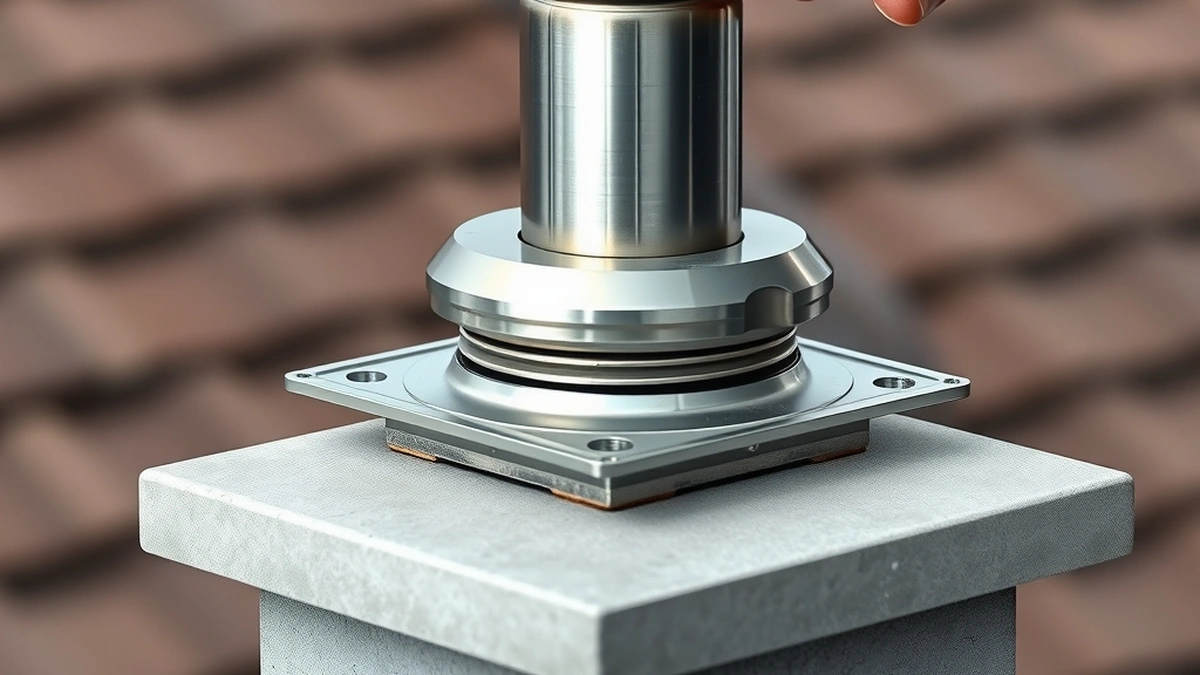
- Bond break. A compressible strip or a sealed joint between the crown and the flue tile, so the tile can move independently.
Miss the overhang and water runs down the chimney face. Miss the slope and water stands on the crown. Miss the bond break and the first hot fire cracks the crown along the tile. Miss the thickness and the crown cracks mid-span.
The mix and the pour
The mix is typically a air-entrained concrete or a preblended crown mix, placed at a stiff consistency so it holds the slope without slumping. Reinforcement is welded wire mesh or a light rebar grid, positioned in the middle of the section rather than pushed to the bottom.
The pour is placed from the outside edge inward, consolidated to remove air pockets, then troweled to the finished slope. A brushed or lightly broomed finish gives some traction and helps shed water. Tooling a clean edge at the overhang completes it.
| Stage | Requirement | Cost of getting it wrong |
|---|---|---|
| Demolition | Flue sealed, tile intact | Debris in flue, blocked appliance |
| Overhang | 2 inches minimum, drip edge | Water streaks on masonry, spalling |
| Slope | About 2 in per 12 in | Standing water, freeze cracks |
| Bond break | Compressible strip or sealant | Radial crack at the flue |
| Reinforcement | Centered in section | Mid-span cracking |
| Cure | 2–3 days, protected | Shrinkage cracks, weak surface |
Cure and the cap
Concrete gains strength over days, not hours. The crown should stay damp-cured and protected for at least two to three days, and longer in cool weather. Walking on it early leaves marks and can crack the green concrete.
The cap goes back after cure. A cap runs $150–$600, and a stainless cap with a mesh screen is the standard choice because it keeps rain, animals, and sparks out while allowing the flue to vent. If the old cap was rusted or undersized, this is the moment to replace it rather than reinstall it.
The installation in eight steps
- Inspect the crown and top three feet of masonry, and photograph the existing overhang.
- Seal the flue and remove the cap.
- Break out the old crown to the flue tile and inspect the tile.
- Replace any loose brick in the top course.
- Build forms with a two-inch overhang, a drip edge, and a two-in-twelve slope.
- Place reinforcement and pour the mix, consolidating as you go.
- Tool the edges, install the bond break, and finish the surface.
- Cure for two to three days, then refit or replace the cap.
What the work costs
A rebuild estimate runs $1,000–$3,000, while a patch or reseal on a sound crown runs $400–$1,500. The line-by-line breakdown is in crown rebuild cost, and the repair-only option is priced in chimney crown repair cost.
Before the crew starts, read crown rebuild problems so you can recognise a shortcut in the formwork while it is still visible. A mesh cap is the usual companion to a new crown — see chimney cap with mesh screen — and how long does chimney last explains how much of the chimney’s service life depends on this one detail at the top.
Frequently asked questions
How is a chimney crown rebuilt?
The old crown is broken out down to the flue tile, forms are built to create an overhang and a slope, reinforcement and concrete are placed, a bond break is installed at the flue, and the crown cures before the cap is refitted.
How long does a crown rebuild take?
Demolition, forming, and pouring usually fit in one working day on a single-flue chimney. Cure adds two to three days before the cap goes back and the appliance is used normally.
How much overhang should a crown have?
At least two inches past the chimney walls, with a drip edge cut into the underside so water sheds clear of the masonry instead of running down the face.
What is a bond break at the flue tile?
A separation between the crown and the flue tile, usually a compressible strip or a sealant joint. It lets the tile expand with heat without cracking the crown that surrounds it.
Can a crown be poured in cold weather?
It can, but the concrete needs protection from freezing and a longer cure. Below about 40 degrees Fahrenheit, most installers either heat the work area or reschedule.
Does the cap have to come off?
Usually yes. A cap sits above the crown and blocks access to the flue tile, so it is removed for the pour and refitted after cure. A replacement cap runs $150–$600.
Sources
Some links are affiliate links.If you buy through them we may earn a commission at no extra cost to you. We do not accept payment for rankings. Read the full disclosure.