Crown rebuild maintenance: keeping it watertight
Yearly care for a rebuilt chimney crown: what to inspect at roof level, how often to refresh the sealant joint, and the signs that mean a repair is due.
Crown rebuild maintenance is a fifteen-minute roof-level check once a year plus a sealant refresh every three to five years. Replace failed sealant, keep the cap clear, and photograph the crown so next year's check has a baseline.
- Annual inspection
- $150–$800
- Sealant refresh
- Every 3–5 years
- Repair if cracked
- $400–$1,500
- Cap replacement
- $150–$600
Some links on this page are affiliate links.If you buy through them we may earn a commission at no extra cost to you. We do not accept payment for rankings. Read the full disclosure.
Crown rebuild maintenance is a short annual check and a sealant refresh every few years, and it costs a fraction of the rebuild it protects. The crown itself is durable concrete; the vulnerable parts are the joint at the flue tile, the edge where the overhang meets the brick, and the cap that keeps debris off the whole assembly. Fifteen minutes at roof level once a year is the whole routine.
What a new crown needs, and when
A poured crown reaches working strength over several days, so the first season is the one to watch. Nothing should be placed on it, no ladder should rest on the overhang, and the cap should go back only after cure.
After that first season, the crown needs three things: the joint kept sealed, the top kept clear, and the surface kept visible. The rest is observation.
The annual roof-level check
The check has four stations. Do them in order, because each one tells you whether the next matters.
- The flue joint. Look at the line where the flue tile meets the crown. A sealant bead that has pulled away, cracked, or gone hard is the single most common maintenance finding.
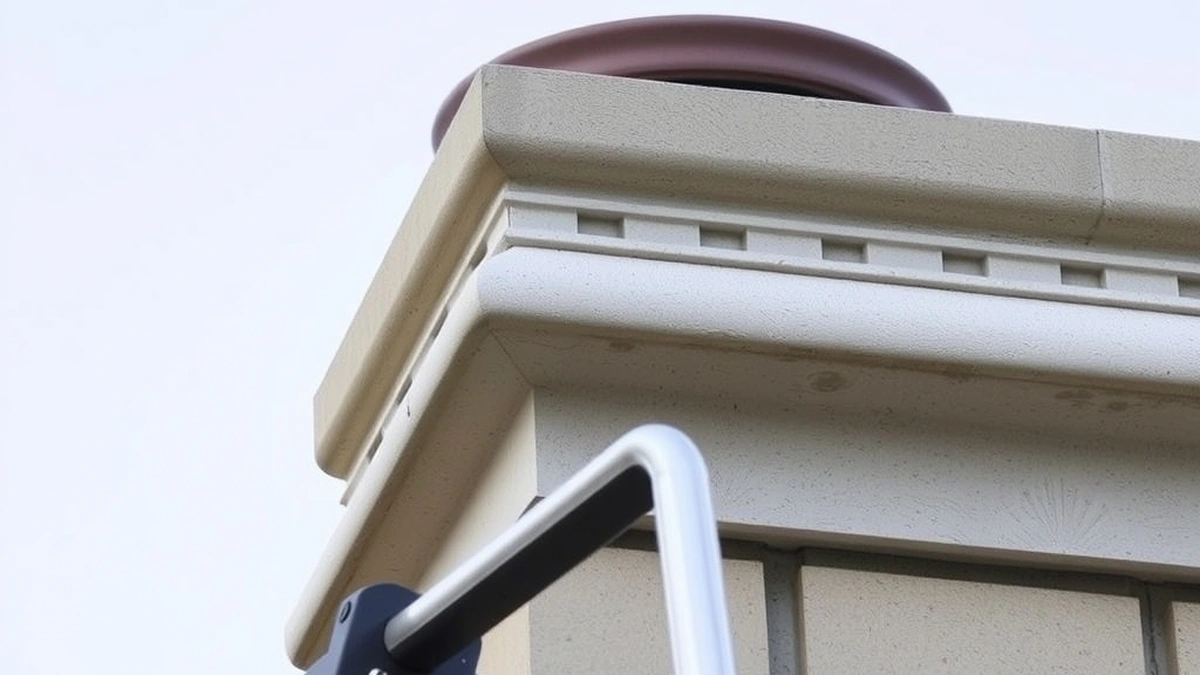
- The overhang edge. Look along the drip edge for chips, spalls, or a section that has broken away. A broken overhang sends water onto the brick face.
- The crown surface. Look for new cracks, for staining along a crack, and for standing water after rain.
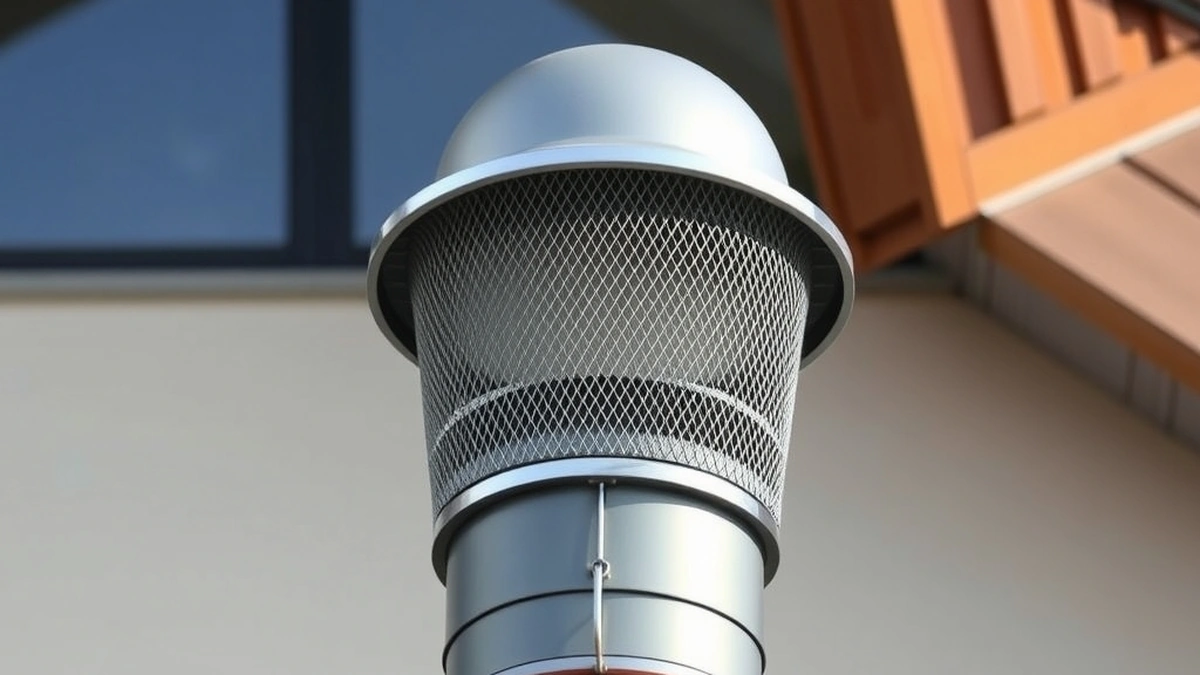
- The cap. Check the mesh for leaves and the top plate for rust. A blocked cap backs up moisture and can cause downdraft.
Photograph all four. A photo from last year is what makes this year’s finding meaningful, because a hairline that looks identical two years running is stable and one that has widened is not.
Sealant joints and when to refresh
The joint at the flue tile is designed to move. Sealant that has lost its elasticity is no longer doing the job, even if it looks continuous.
Refresh every three to five years, or sooner if you find any of these:
- The bead has pulled away from the tile or the concrete.
- The surface has cracked into segments.
- The sealant is hard to the touch or has visible shrinkage.
- Water is staining the crown around the tile after rain.
Use a polyurethane or high-movement exterior sealant rated for concrete and masonry. Clean the joint out before applying, and do not fill it flush; a slight concave tooling lets it flex.
What to remove and what to leave alone
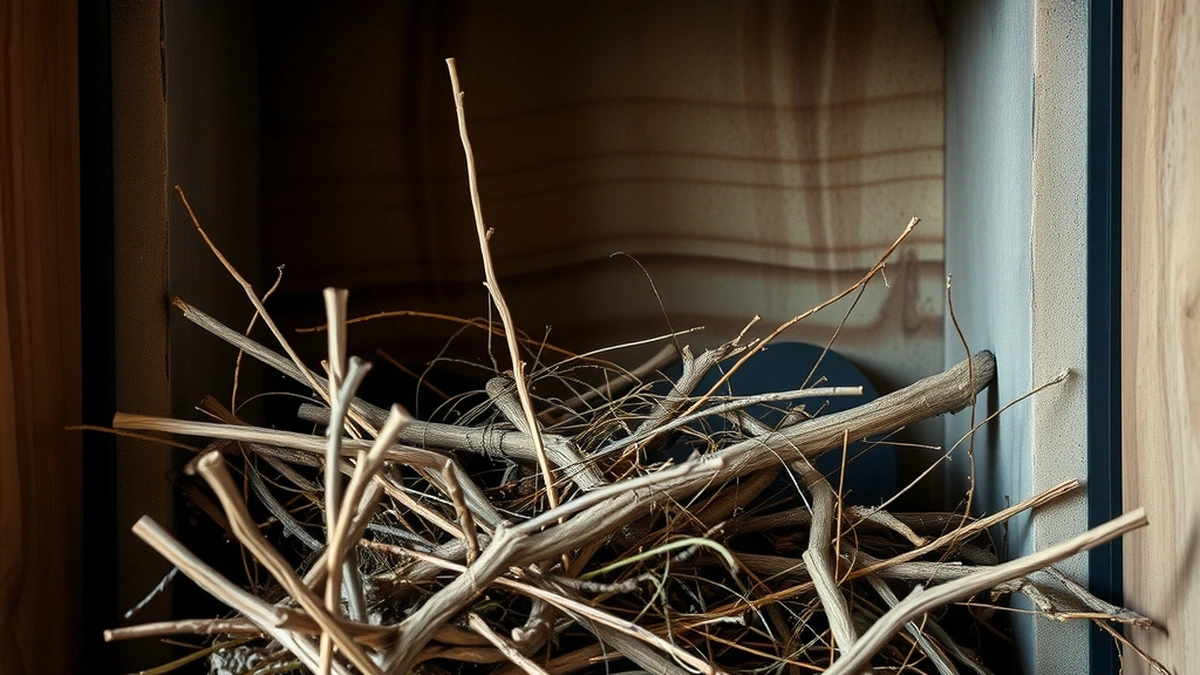
Remove leaves, twigs, and bird nesting material from the cap and from any groove in the crown. Organic debris holds moisture against the concrete.
Leave the crown’s surface texture alone. Power washing a crown at close range erodes the surface and opens the aggregate, which makes the next freeze worse. A soft brush and a garden hose are enough.
Do not paint over a damp crown, and do not apply a coating to hide a crack. Trapped moisture finds the weakest point and spalls the surface off in a sheet.
A seasonal checklist
| Season | Check | Why |
|---|---|---|
| Spring | Cap and crown clear of debris | Nesting and leaf litter hold water |
| Spring | Sealant bead at the flue | Winter movement opens joints |
| Summer | Crack widths against last year’s photos | Warm, dry conditions show true width |
| Fall | Overhang and drip edge | Freeze-thaw season starts here |
| Fall | Crown slope and ponding | Standing water freezes and splits |
| Winter | Interior staining after storms | First sign of a failed joint |
Snow, ice, and freeze-thaw
Ice is the mechanism behind most crown damage. Water enters a crack or a failed joint, freezes, expands by roughly nine percent, and widens the opening. Repeat that twenty times in a winter and a hairline becomes a through-crack.
Two maintenance actions interrupt the cycle: keep the joint sealed so water cannot enter, and keep the slope clear so water does not stand. Do not chip ice off a crown with a tool; the impact does more damage than the ice.
On a chimney that ices heavily, a cap with a solid top and side vents reduces the snow that lands directly on the crown, and it costs $150–$600. That is a maintenance purchase, not an upgrade.
When maintenance becomes a repair
Move from maintenance to repair when any of these appear:
- A crack wide enough to hold a coin, or one with dark staining along its length.
- A section of overhang that has broken away, leaving the brick face exposed.
- Sealant that will not hold, reappearing open within a season.
- Water staining on the ceiling or chimney breast after rain.
- Efflorescence on the brick below the crown, which means moisture is moving through.
For those, get an inspection at $150–$800 and price a repair at $400–$1,500 against a rebuild at $1,000–$3,000. The failure patterns that decide which you need are described in crown rebuild problems, and the line items are in crown rebuild cost.
Ten years of maintenance — an annual visit shared with the sweep at chimney maintenance, plus two sealant refreshes — typically costs less than one rebuild. A mesh cap is the other cheap protection; see chimney cap with mesh screen. If a crack has already gone through, chimney crown repair cost covers what a patch can and cannot fix.
Frequently asked questions
How often should a chimney crown be inspected?
Once a year, ideally in late summer or early fall before the heating season and before the first freeze. Pair it with the annual sweep at $150–$400.
How often does the crown sealant need replacing?
Every three to five years for a polyurethane sealant at the flue joint, sooner if it has pulled away or gone hard. It is a cheap tube of sealant against a rebuild at $1,000–$3,000.
Can I seal a crack in a concrete crown myself?
A narrow surface crack can be cleaned and filled with a flexible sealant rated for exterior concrete. A crack through the full thickness, or one with staining beneath, needs a professional look.
Does snow damage a chimney crown?
Snow itself is not the problem; meltwater refreezing in a crack is. Water enters, freezes, expands, and widens the crack each cycle. Sealing and slope are what prevent it.
Should the crown be painted or coated?
A breathable masonry coating can help on an older crown, but a coating over a wet or cracked crown traps moisture. Fix the crack and the slope first, then consider a coating.
What does crown maintenance cost over ten years?
An annual inspection visit at $150–$800 shared with the sweep, plus two sealant refreshes, usually totals less than a single rebuild at $1,000–$3,000.
Sources
Some links are affiliate links.If you buy through them we may earn a commission at no extra cost to you. We do not accept payment for rankings. Read the full disclosure.