Chimney masonry repair: what fails and in what order
How chimney masonry fails, which repair fixes which defect, the order to fix them in, and what each job costs from a cap to a partial rebuild.
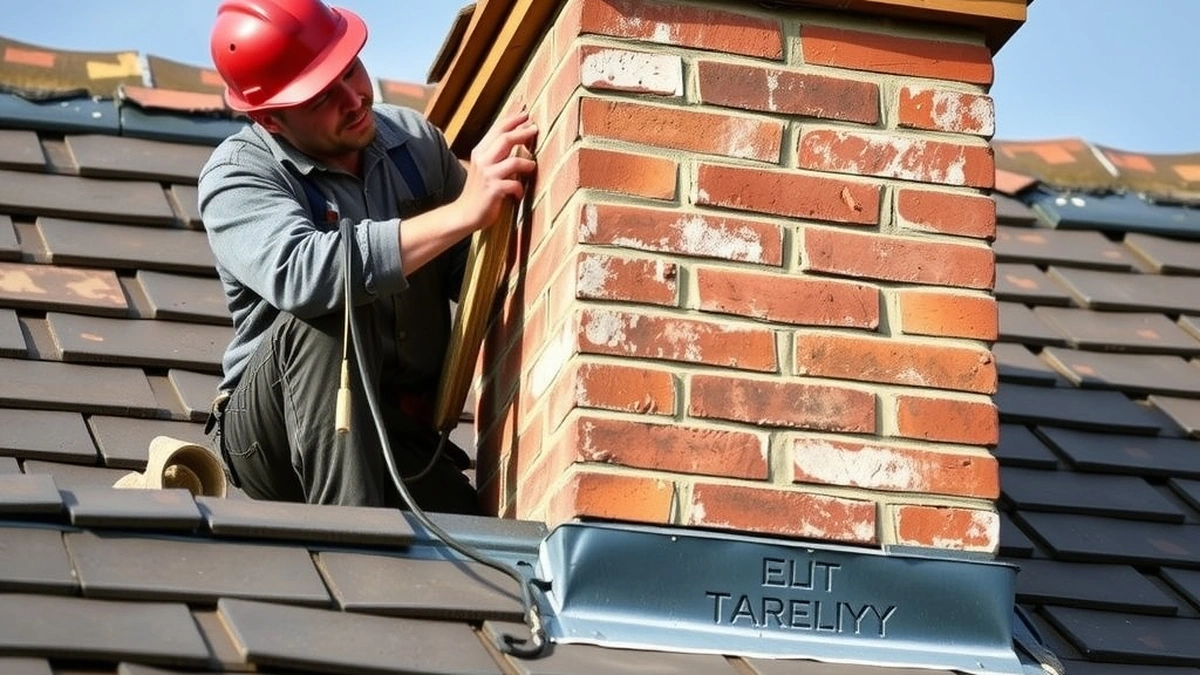
Chimney masonry repair starts with the water paths, not the brick: crown, flashing, and cap first, then mortar joints, then spalled brick. Repointing and a crown repair run $400 to $1,500, while a partial rebuild runs $5,000 to $15,000.
- Crown repair
- $400 - $1,500
- Cap replacement
- $150 - $600
- Partial rebuild
- $5,000 - $15,000
- Inspection first
- $150 - $800
Some links on this page are affiliate links.If you buy through them we may earn a commission at no extra cost to you. We do not accept payment for rankings. Read the full disclosure.
Chimney masonry repair is the work of stopping water damage and restoring the structure that carries the flue. It almost never starts with the brick. It starts with the three things above and around the brick — the crown, the flashing, and the cap — because those are where the water enters, and repointing a wet chimney is a job that repeats itself every few years.
The order matters more than the material. A mason who quotes repointing without looking at the crown is selling cosmetic work.
What counts as masonry repair
Masonry repair is any work that restores the brick, mortar, stone, or concrete of the chimney structure itself, as distinct from the flue liner, the damper, or the appliance. That covers repointing joints, replacing spalled brick, rebuilding the crown, resetting flashing, and rebuilding the top of the stack.
It does not cover the liner. A chimney can have perfect brick and a failed flue, or a sound flue inside crumbling brick. They are separate systems that share a wall, and the inspection has to report on both.
The five failures you actually see
| What you see | What it means | First repair |
|---|---|---|
| Brick faces flaking in sheets | Spalling from freeze-thaw and salt | Replace brick, then repoint |
| Mortar joints recessed and sandy | Erosion from water and age | Repoint with matched mortar |
| Cracked or flat concrete on top | Crown failure, water into the stack | Crown repair at $400 - $1,500 |
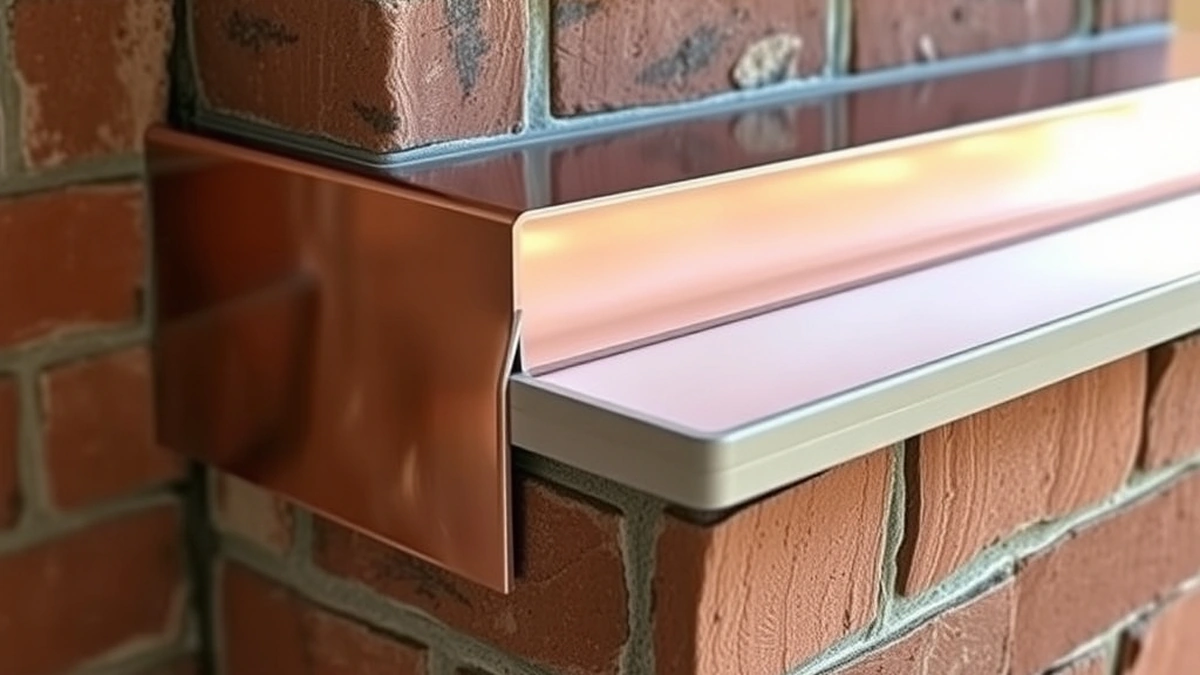
| Rusted or pulled flashing | Water behind the brick at the roof line | Reset flashing |
| Stack leaning or separated from the house | Structural movement | Engineer review before any repair |
Spalling is the one homeowners misread most often. The flake is the symptom; the cause is water inside the brick expanding when it freezes. Replacing the flake without fixing the water source buys one winter.
Repointing versus rebuilding
Repointing is cutting out the outer half inch of mortar and packing in new mortar that matches the original in strength and color. It restores the weather skin and lets the wall dry. It is the right repair when the brick units are sound and the joints are the only failure.
A rebuild is the right repair when the brick units themselves are gone: faces popped, corners missing, the inner wythe crumbled. Then there is nothing for mortar to hold. On a chimney, “rebuild” usually means the portion above the roof line, which is why the price band is $5,000 to $15,000 rather than the cost of a whole new chimney.
A hard rule from the trade: do not point old soft brick with modern hard mortar. The mortar must be weaker than the brick so it sacrifices itself to freeze-thaw. Hard, high-cement mortar concentrates the damage in the brick and turns a repointing job into a rebuild.
The repair sequence
- Inspect the chimney inside and out, including the crown, flashing, and the flue with a camera if the appliance is in use.
- Fix the water paths first: crown, flashing, and cap. Nothing below them holds if water still enters above.
- Cut out and repoint failed joints, matching the mortar to the existing brick.
- Replace spalled or missing brick units, keying them into the existing bond.
- Rebuild the crown with a slope away from the flue and a proper overhang.
- Reinstall or replace the cap, then check the flue and liner before the appliance goes back into service.
Skipping step two is the common failure. New mortar over a leaking crown looks finished in October and shows efflorescence by February.
What each repair costs
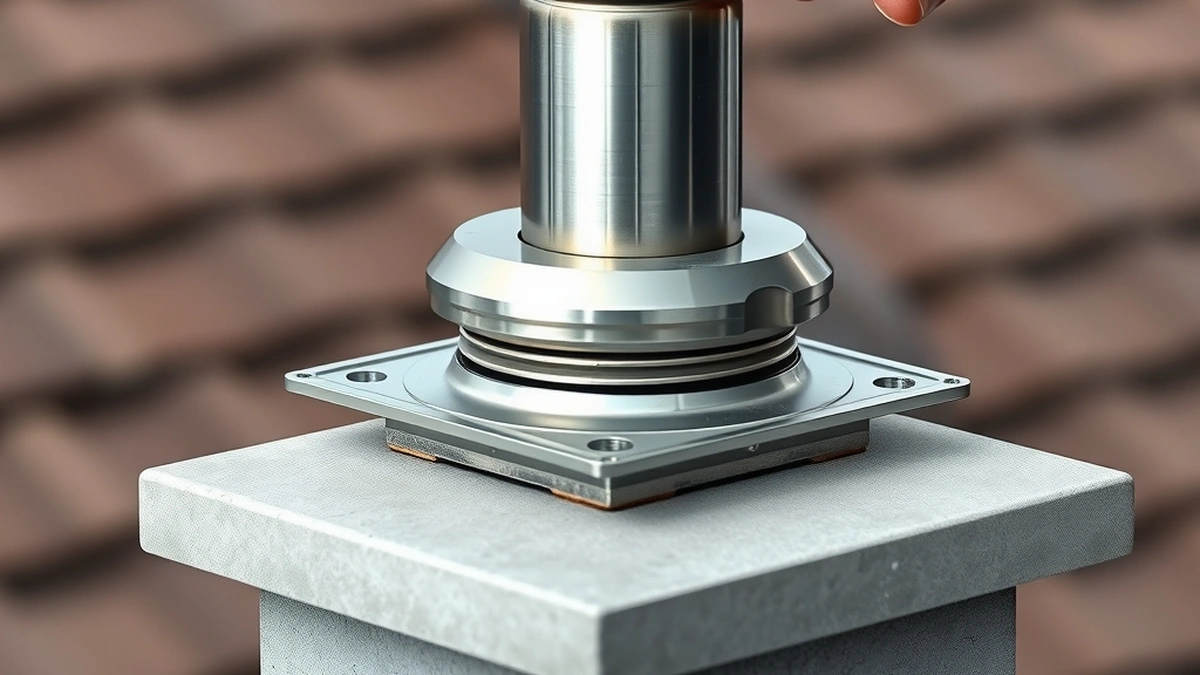
The cap is the cheapest and most overlooked: $150 to $600, and it keeps rain, birds, and squirrels out of the flue. The crown is next at $400 to $1,500, depending on size, access, and whether the old crown has to be broken out. Repointing a section of stack typically lands in the same range as a crown, since it is measured in square feet of joint and hours on a ladder or scaffold.
The liner, if the flue is opened up, is $1,500 to $4,000. A partial rebuild that replaces the above-roof stack is $5,000 to $15,000. Add the inspection at $150 to $800, and the sequence from diagnosis to finished job is easy to total before anyone starts.
Two arithmetic examples. A crown plus a cap plus an inspection: $400 + $150 + $150 = $700 at the low end, and $1,500 + $600 + $800 = $2,900 at the top. A partial rebuild with a new liner: $5,000 + $1,500 = $6,500 low, $15,000 + $4,000 = $19,000 high. The second number is why catching the crown early is worth the money.
Materials and freeze-thaw
Chimney brick is exposed on four sides, which is a harsher position than a wall. It takes water on every face, and in a cold climate it cycles through freeze-thaw dozens of times a season. That is why the mortar and the brick have to be chosen as a pair, and why a mason who arrives with a bag of general-purpose mortar and no discussion of the existing brick is a risk.
Modern repair practice favors softer lime-bearing mortars for older brick, matched to the original, and a crown mix that can move slightly without cracking. Sealants are not a substitute. A coating that traps moisture inside the brick accelerates spalling rather than stopping it.
When masonry is a safety issue
Three findings move from maintenance to safety. A stack that has separated from the house or is visibly leaning needs an engineer before a mason. A chimney with no flue liner, or a liner with gaps, can let heat and carbon monoxide into the structure. And any chimney that has had a fire needs both the masonry and the flue checked before it is used again.
Those are the cases where the work is scheduled rather than quoted around. Everything else can wait for a second estimate. For the flue side of the job, see chimney liner cost and chimney relining cost. For the water paths, see chimney crown repair cost and chimney leak repair. For the inspection that should come first, see chimney inspection cost.
Frequently asked questions
What does chimney masonry repair cost?
Small jobs sit at the bottom: a cap at $150 to $600 and a crown at $400 to $1,500. Repointing a section of stack usually falls in the same band. A partial rebuild runs $5,000 to $15,000 once the damage reaches the flue.
How do I know if my chimney brick is failing?
Look for brick faces flaking off in sheets, mortar joints recessed more than a quarter inch, white staining, or brick dust on the roof. Any of those means water is getting in and freezing.
Is repointing a permanent fix?
It is a durable fix when the brick behind the joint is sound and the mortar is matched to the brick. Repointing over spalled brick traps water and fails within a few seasons.
Can masonry repair wait until spring?
Cosmetic joints can wait. A cracked crown, failed flashing, or a cap that has blown off should not, because every rain event drives more water into the stack and the freeze cycle widens the damage.
Why does my chimney need a crown?
The crown is the sloped concrete cap on top of the stack. It sheds water away from the flue opening and the brick below. A cracked or flat crown lets water sit on top of the chimney.
Does a rebuilt chimney need a new liner?
Usually yes. A rebuild that opens the stack disturbs the clay tile, and a new liner at $1,500 to $4,000 is cheaper than rebuilding twice.
Sources
Some links are affiliate links.If you buy through them we may earn a commission at no extra cost to you. We do not accept payment for rankings. Read the full disclosure.