Downdraft and smoke: how to prevent it
Smoke spilling into a room is a pressure and draught problem. How to prevent downdraft with flue warming, make-up air, a correct cap, and a technician's check.
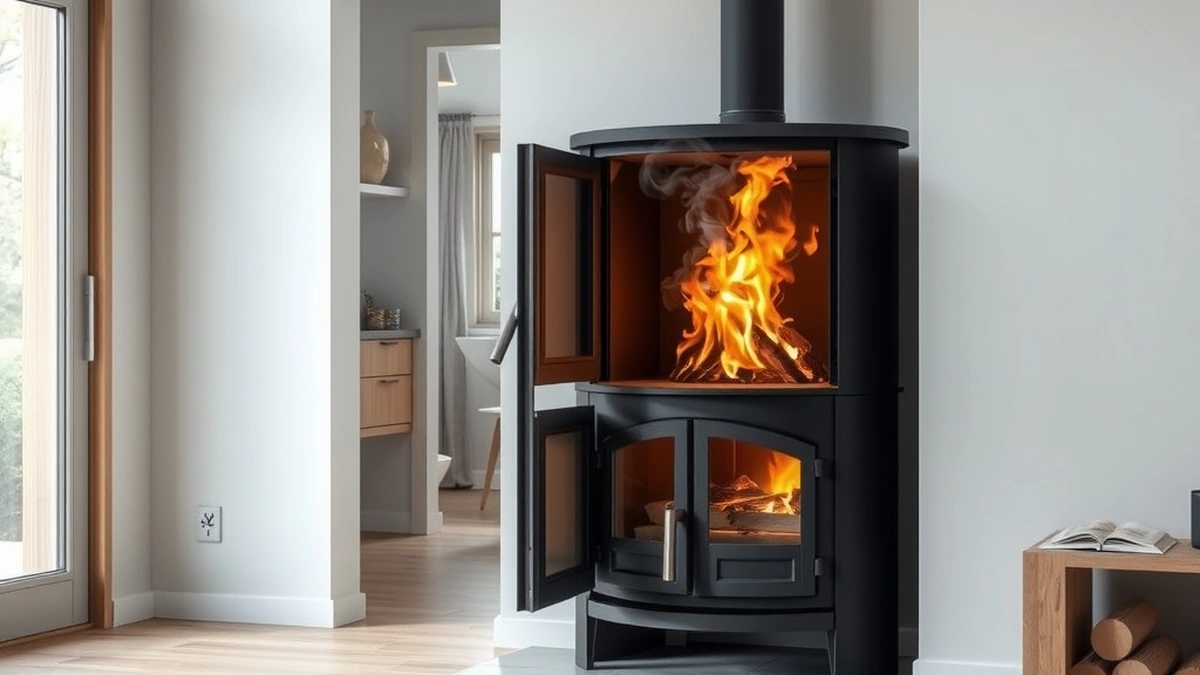
Prevent downdraft by warming the flue before lighting, giving the appliance enough make-up air, keeping the chimney cap clear, and having the flue checked for height and sizing. Smoke entering the room is a draught problem, and venting work belongs with a qualified technician.
- Inspection
- $150 - $800
- Cap
- $150 - $600
- Stainless liner
- $1,500 - $4,000
- Sweep
- $150 - $400
- Crown repair
- $400 - $1,500
Some links on this page are affiliate links.If you buy through them we may earn a commission at no extra cost to you. We do not accept payment for rankings. Read the full disclosure.
Downdraft and smoke spillage are draught problems, not cleaning problems. The chimney is not pulling, and the reasons are predictable: a cold flue, a house under negative pressure, a flue that is blocked or the wrong size, or a termination that sits too close to the roof. Most of them have a preventive fix.
How a chimney draws
A chimney works because warm exhaust is lighter than the air outside. The temperature difference creates a pressure difference, and air moves up the flue.
Three things break that. The flue is too cold to start the flow. The house is at lower pressure than the chimney top, so air comes down instead. The flue is obstructed or too large, so the gases cool before they reach the top.
Prevention targets all three.
The causes, and the fixes
| Cause | Sign | Preventive fix |
|---|---|---|
| Cold flue | Smoke on first light-up | Warm the flue first |
| Negative pressure | Smoke when extractor fans run | Make-up air |
| Blocked flue | Poor draw, soot smell | Sweep at $150 - $400 |
| Undersized or oversized flue | Persistent weak draught | Technician assessment |
| Short chimney | Downdraft in wind | Height or cap review |
| Restrictive cap | Smoke in certain winds | Cap replacement at $150 - $600 |
The first two account for most residential complaints, and both are fixable without rebuilding anything.
Warming the flue
A cold flue has no upward flow, so the first smoke has nowhere to go but into the room.
The old remedy is a rolled newspaper torch held near the damper for a minute. A modern equivalent is a heat gun or a purpose-made flue warmer, used carefully and within the appliance’s instructions.
Warm the flue, then light a small hot fire rather than a large slow one. The initial burn establishes the draught; a smouldering start fights it.
Make-up air and negative pressure
A house that is sealed tight has nowhere to draw combustion air from.
Extractor fans, tumble dryers, and kitchen hoods make it worse by pushing air out. When the house is at lower pressure than the chimney top, the chimney reverses.
The test is simple: crack a window near the appliance and see whether the smoke stops. If it does, the cause is pressure.
The permanent fix is planned make-up air, not an open window. That is a building ventilation question, and on modern appliances it should be resolved with the appliance manufacturer’s requirements in view.
The flue itself, and the cap question
Three flue conditions cause persistent downdraft.
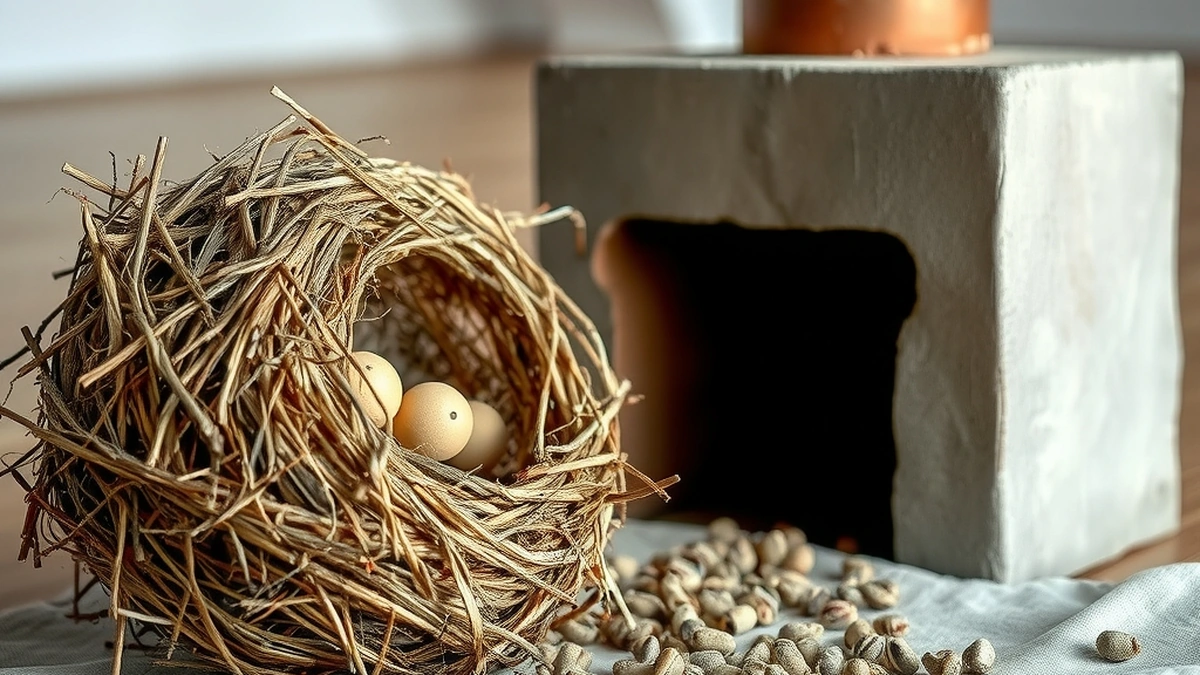
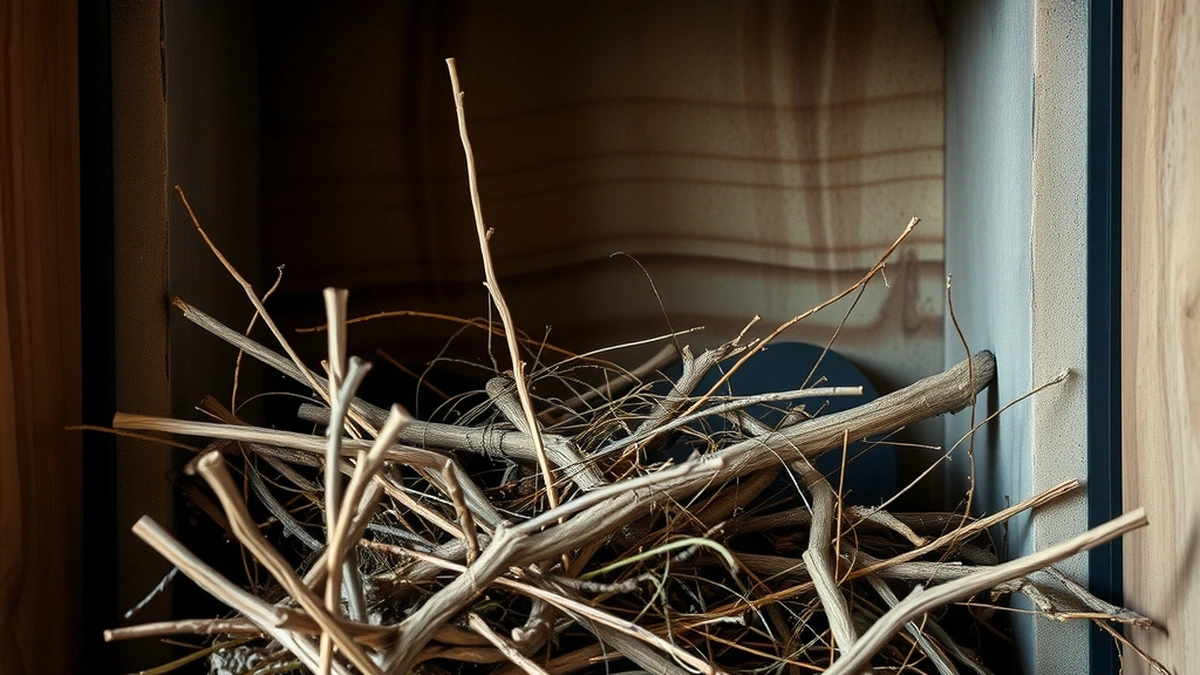
Blockage. A nest, leaves, or heavy creosote reduces the flue’s effective area. A sweep at $150 to $400 resolves it.
Wrong size. A flue that is too large for the appliance cools the gases before they reach the top. A flue that is too small cannot carry the volume. Both need a technician’s assessment, and a correctly sized liner at $1,500 to $4,000 is the usual fix.
Too short. A flue that terminates close to the roof surface, or beside a taller structure, can be affected by turbulence. Extending the flue or changing the termination is venting work.
The cap question.
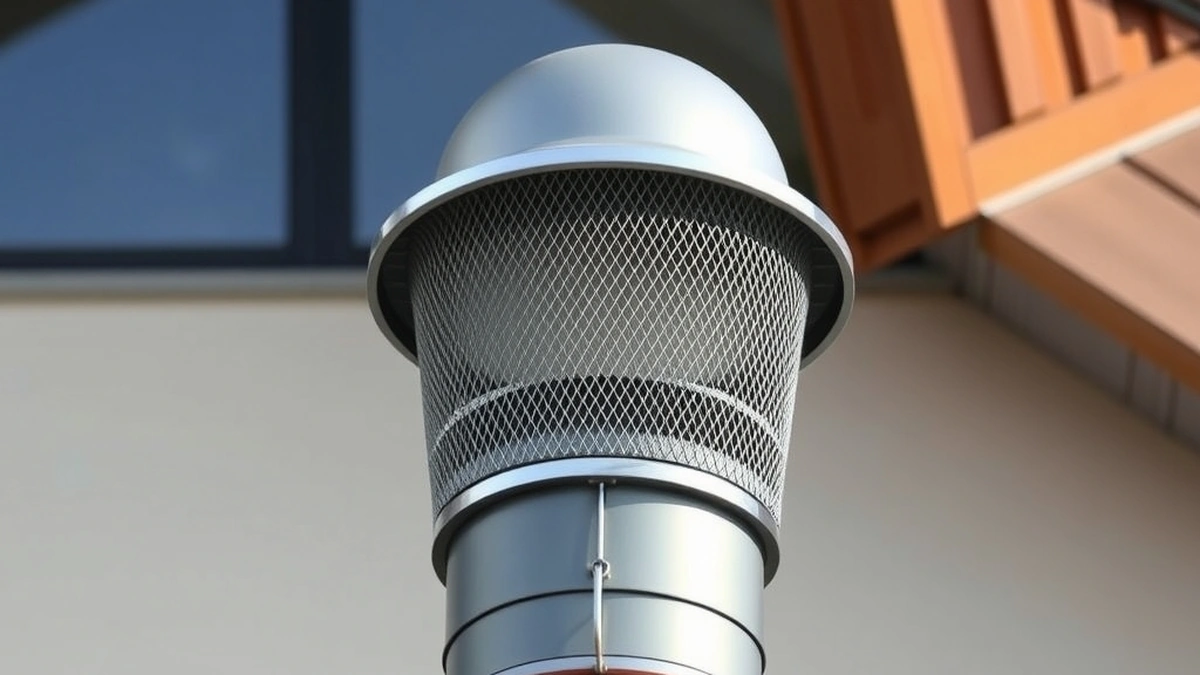
A cap keeps rain and animals out, and it can also disturb airflow enough to reduce downdraft.
But a cap that is too restrictive, wrongly positioned, or blocked with debris makes draught worse.
If downdraft appears only in certain wind directions, the cap and the termination height are the first things to review. Replacement runs $150 to $600, and it is a cheap experiment compared with structural work.
The seasonal routine
- Before the heating season, sweep if deposits have reached an eighth of an inch.
- Book an inspection at $150 to $800 if the appliance has not been checked in a year.
- Check the cap for debris and damage from the ground.
- Test the draught with a small hot fire before relying on the appliance.
- Note any wind direction that causes smoke, and report it.
The fifth item is the one that turns a vague complaint into a diagnosable pattern.
What not to do, and when it is a technician job
Three responses make downdraft worse.
Opening a window and leaving it open all winter. It relieves the symptom while wasting heat, and it does not fix the pressure imbalance.
Burning a hotter fire to “push through” a blockage. That risks a chimney fire.
Ignoring smoke spillage because it only happens occasionally. Smoke carries combustion products, including carbon monoxide, and occasional spillage is still exposure.
When it is a technician job.
Any work on the flue, the liner, the termination height, or the appliance connection is venting work.
It depends on the appliance’s listed requirements, the flue’s condition, and local code. It belongs with a qualified chimney technician, not a general handyman and not a homeowner with a ladder.
That includes the decision to reline at $1,500 to $4,000, to extend a flue, or to change a cap that affects draught.
The cost of prevention
Sweep at $150 to $400 when needed. Inspection at $150 to $800 a year. Cap at $150 to $600 if it is restrictive or missing. Crown repair at $400 to $1,500 if the top is failing.
A liner at $1,500 to $4,000 is the larger item, and it is usually the one that resolves a persistent sizing or condition problem.
Our downdraft and smoke signs page covers the diagnosis, and downdraft and smoke cost prices the repairs. For the flue side, see chimney liner cost.
Frequently asked questions
Why does smoke come back into the room?
Because the chimney is not drawing. Cold flue, negative pressure in the house, a blocked or undersized flue, or a chimney that is too short for the roof line can all cause it.
How do I stop downdraft?
Warm the flue with a small hot fire or a torch before lighting, crack a window to relieve negative pressure, keep the cap clear, and have the flue checked for correct sizing and height.
Does opening a window stop smoke coming back?
It often does, by relieving negative pressure. If it works, the cause is pressure rather than the chimney itself, and the fix is permanent make-up air rather than an open window.
Can a chimney cap cause downdraft?
It can if it is too restrictive, wrongly positioned, or blocked with debris. A cap should allow draught while keeping rain and animals out.
Is downdraft dangerous?
Smoke spilling into a room carries combustion products, including carbon monoxide. Stop using the appliance and have it assessed by a qualified technician rather than persisting with it.
Will a taller chimney fix downdraft?
Sometimes. A flue that terminates too close to the roof or a nearby obstruction can fail to draw. Extending or relining is a technician's decision, and it is not a job to improvise.
Sources
Some links are affiliate links.If you buy through them we may earn a commission at no extra cost to you. We do not accept payment for rankings. Read the full disclosure.