Downdraft and smoke: warning signs to act on
Signs of a draught problem: smoke on light-up, spillage when fans run, soot on the glass, and a smell of smoke in a cold room. What each points to.
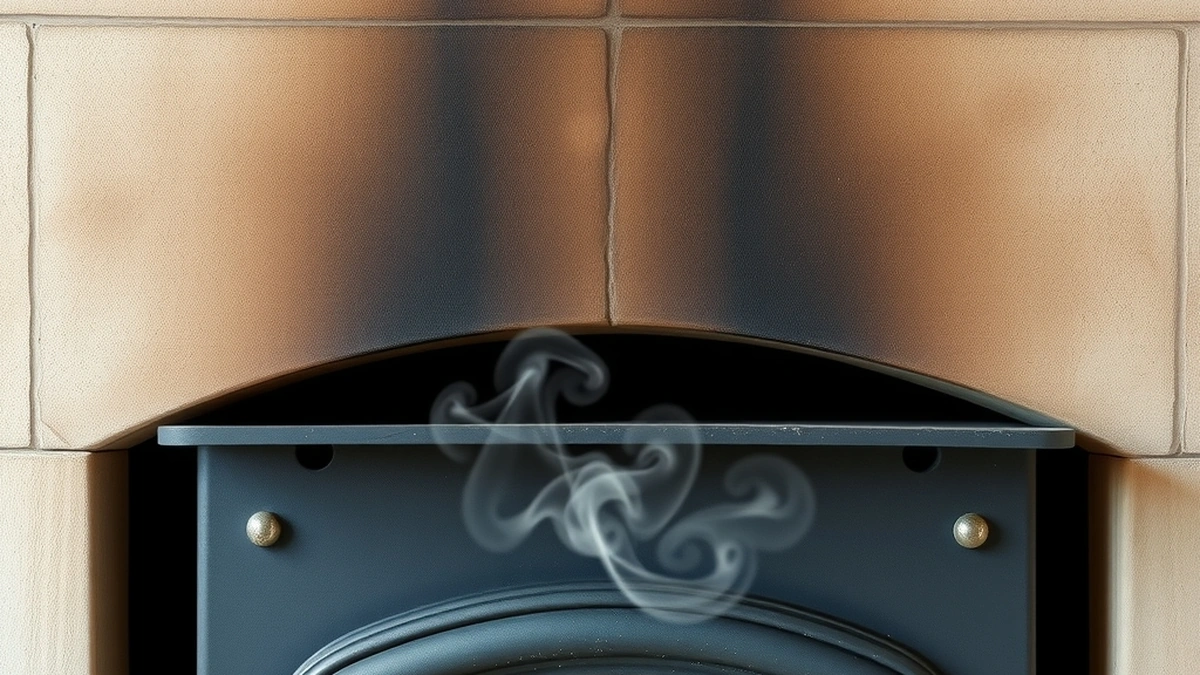
The warning signs of downdraft are smoke spilling on light-up, smoke when extractor fans run, soot staining above the stove door, a smoke smell in a cold room, and a fire that will not stay lit. Each points to a different cause.
- Inspection
- $150 - $800
- Sweep
- $150 - $400
- Cap
- $150 - $600
- Stainless liner
- $1,500 - $4,000
- Crown repair
- $400 - $1,500
Some links on this page are affiliate links.If you buy through them we may earn a commission at no extra cost to you. We do not accept payment for rankings. Read the full disclosure.
Downdraft announces itself with a small set of signs, and each one points at a different cause. Smoke on light-up points to a cold flue. Smoke when the extractor fan runs points to negative pressure. Soot above the door points to spillage. A smoke smell in a cold room points to reverse flow when the appliance is off.
What downdraft is
A chimney draws because warm exhaust is lighter than outside air. When that flow reverses or stalls, smoke has nowhere to go but into the room.
The causes fall into three groups: the flue is too cold, the house is at lower pressure than the chimney top, or the flue is obstructed or wrongly sized.
The signs below map onto those groups.
The signs, and what each means
| Sign | When it happens | Likely cause |
|---|---|---|
| Smoke on light-up | First fire of the day | Cold flue |
| Smoke when fans run | Kitchen or bathroom extractor on | Negative pressure |
| Soot above the door | After burning | Spillage during refuelling |
| Smoke smell, appliance off | Cold, still weather | Reverse flow down a cold flue |
| Fire will not establish | Every burn | Blocked or undersized flue |
| Smoke in certain winds | Windy days | Cap or termination height |
| Damper hard to open | Before lighting | Pressure or seized damper |
Two or more of those together moves the diagnosis from “the stove is temperamental” to “the flue needs assessing”.
It is worth keeping a short log for a week: the time, the weather, whether fans were running, and what the fire was doing. Patterns that are invisible in memory become obvious on paper, and a technician can work from the log rather than from a description.
Smoke on light-up
The most common sign, and usually the least serious.
A cold flue has no upward flow. The first smoke from a new fire has nothing pulling it up, so it drifts into the room.
The fix is to warm the flue before lighting: a small hot fire, a heat gun, or a purpose-made flue warmer used within the appliance’s instructions.
If warming does not help, the problem is not the temperature but the flue.
Smoke when fans run
Extractor fans, tumble dryers, and kitchen hoods push air out of the house. If no air comes in to replace it, the house drops below the pressure at the chimney top, and the chimney reverses.
The test is to crack a window near the appliance. If the smoke stops, negative pressure is confirmed.
The permanent fix is planned make-up air. That is a ventilation design question, and on a modern appliance it has to respect the manufacturer’s requirements. It is not solved by leaving a window open all winter.
Soot above the door
Soot on the glass is usually a fuel or burn-quality issue. Soot on the wall above the door, or on the stove top, is spillage.
Spillage happens when the door is opened and the flue cannot cope with the sudden demand. It is worse on a cold flue, a marginal draught, or a partially blocked flue.
Persistent staining means the appliance is spilling regularly, which is a safety concern rather than a cosmetic one.
The smoke smell in a cold room
A soot smell when the appliance is off, particularly in cold, still weather, is reverse flow.
Warm room air rises up the chimney while the flue is cold, then the flow reverses as the flue cools, carrying soot smells down.
Closing the damper when the appliance is not in use helps. A cap also helps by reducing the effect of wind across the termination.
When the flue is the problem, and the safety line
Three flue conditions produce persistent symptoms.
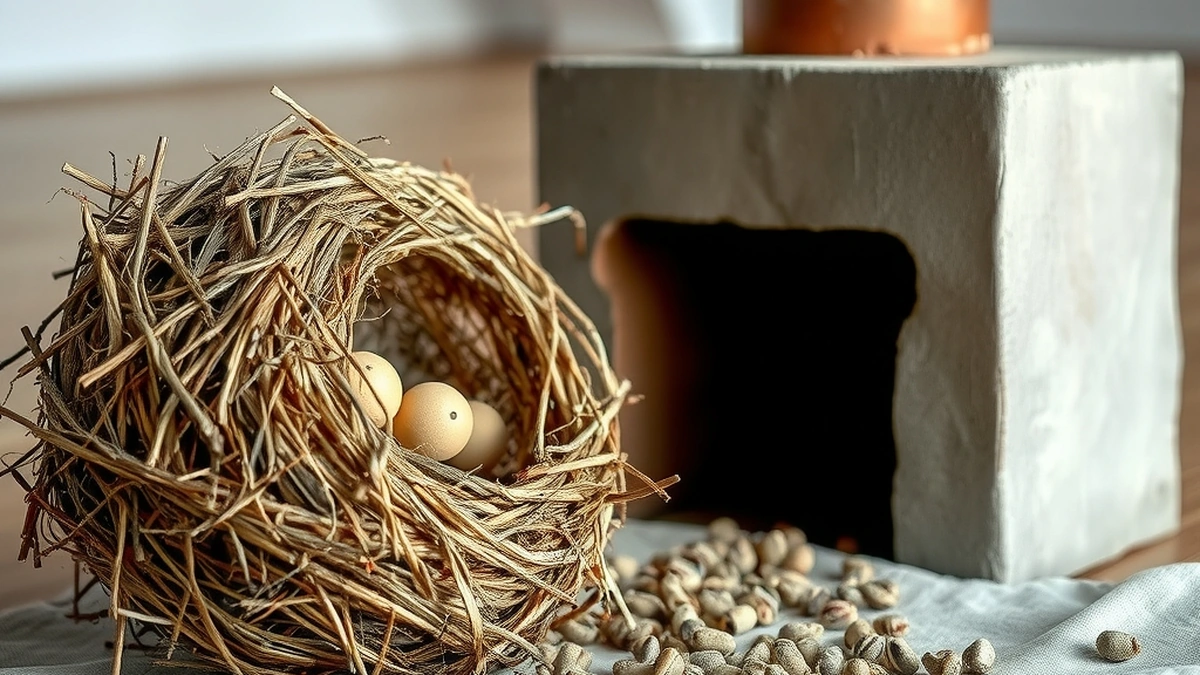
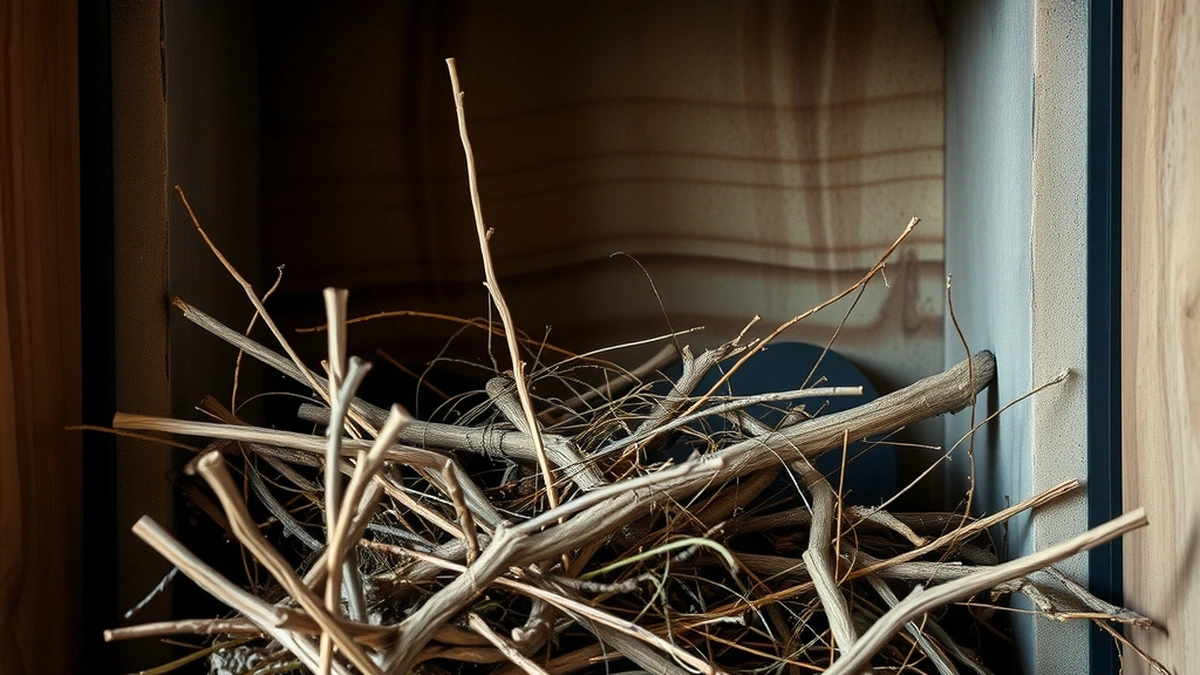
Blockage. Nests, leaves, or heavy creosote reduce the flue area. A sweep at $150 to $400 clears it, and an inspection confirms the flue is sound.
Wrong size. A flue too large for the appliance cools the gases before they reach the top; too small and it cannot carry the volume. Both need a technician’s assessment, and a correctly sized liner at $1,500 to $4,000 is the usual repair.
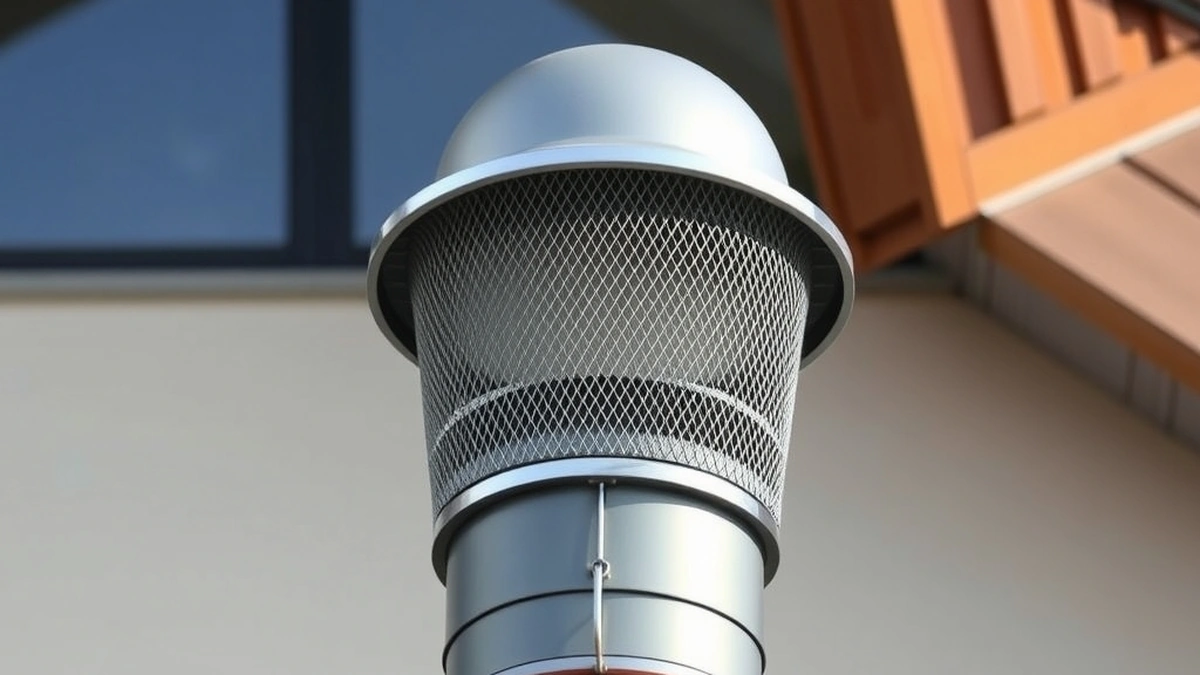
Too short or badly terminated. A flue that ends too close to the roof or beside a taller structure suffers turbulence and downdraft in certain winds. Cap replacement at $150 to $600 may help; termination height is a technician’s decision.
The safety line.
Smoke spilling into a room carries combustion products, including carbon monoxide.
Stop using the appliance if spillage is persistent, if a carbon monoxide alarm sounds, or if the smell of smoke is present in the room when the appliance is running.
Have the appliance and flue assessed by a qualified chimney technician before further use. Venting work — liner, termination, appliance connection — is theirs, not a general repair job.
What to record before calling
- When the smoke appears: light-up, refuelling, or steady burn.
- Whether extractor fans were running.
- Which wind direction makes it worse.
- Whether cracking a window helps.
- When the flue was last swept and inspected.
Those five answers shorten the diagnosis and often save a return visit.
Add one more: how the appliance behaves when the door is closed. A fire that burns steadily with the door shut and spills only when opened is a draught problem at the door. A fire that will not stay lit at all is more likely a blockage or a sizing issue. Our downdraft and smoke prevention guide covers the fixes, and downdraft and smoke cost prices them. For the repair side, see downdraft and smoke repair.
Frequently asked questions
What are the signs of downdraft?
Smoke spilling into the room when the fire is lit, smoke appearing when extractor fans run, soot staining above the stove door, a smoke smell in a cold room, and a fire that struggles to establish.
Why does smoke come into the room when I open the stove door?
The flue is not drawing strongly enough to overcome the pressure change when the door opens. Cold flue, negative pressure, or a partially blocked flue are the usual causes.
Is a smoke smell in a cold room a sign of downdraft?
Yes. When the appliance is off and the house is warmer than the flue, cold air can flow down the chimney and carry soot smells with it. A cap and a closed damper reduce it.
Can downdraft cause carbon monoxide?
Smoke spilling into a room carries combustion products, including carbon monoxide. That is why spillage should be treated as a safety issue rather than an inconvenience.
Does soot on the stove glass mean downdraft?
Not by itself. Soot on the glass usually means wet wood or a cool burn. Soot staining above the door, on the wall or the stove top, points to spillage.
When should I stop using the appliance?
Immediately if smoke is spilling persistently or a carbon monoxide alarm sounds. Have the appliance and flue assessed by a qualified technician before further use.
Sources
Some links are affiliate links.If you buy through them we may earn a commission at no extra cost to you. We do not accept payment for rankings. Read the full disclosure.