Downdraft and Smoke: Repair Options
Learn the common causes of chimney downdraft and smoke issues, and what repair options are available.
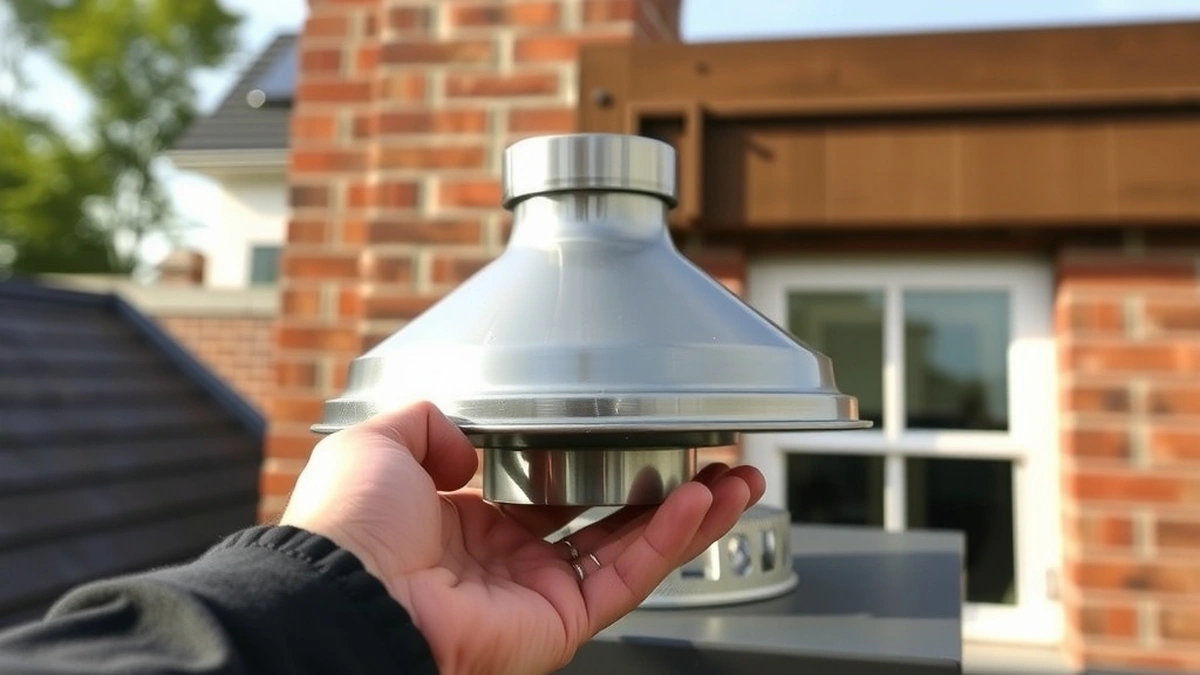
A downdraft is usually caused by poor ventilation, blocked flue, or chimney cap damage. Start with a basic inspection ($150-$800), then try a chimney cap ($150-$600) or crown repair ($400-$1,500). If those don't fix it, consider a partial rebuild ($5,000-$15,000).
- Typical range
- Varies by system and site
- First step
- Measure the space and confirm the load
- Professional help
- Recommended for structural or electrical work
Some links on this page are affiliate links.If you buy through them we may earn a commission at no extra cost to you. We do not accept payment for rankings. Read the full disclosure.
Downdraft and Smoke: Repair Options
A downdraft is when you see smoke pouring back down into your fireplace instead of rising up the chimney. This happens more often than most homeowners realize, and the good news is that most of these problems have straightforward repair options.
Common Causes of Downdraft
Before jumping into repairs, it helps to understand what’s actually causing the problem. Most downdrafts share a few root causes:
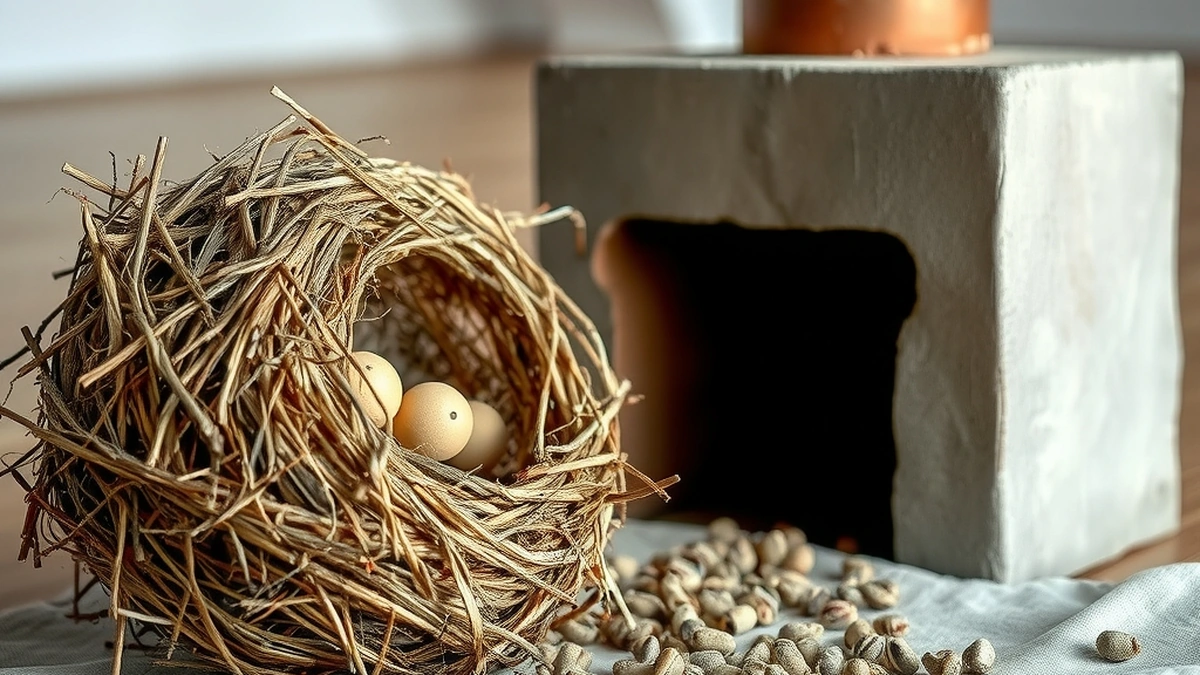
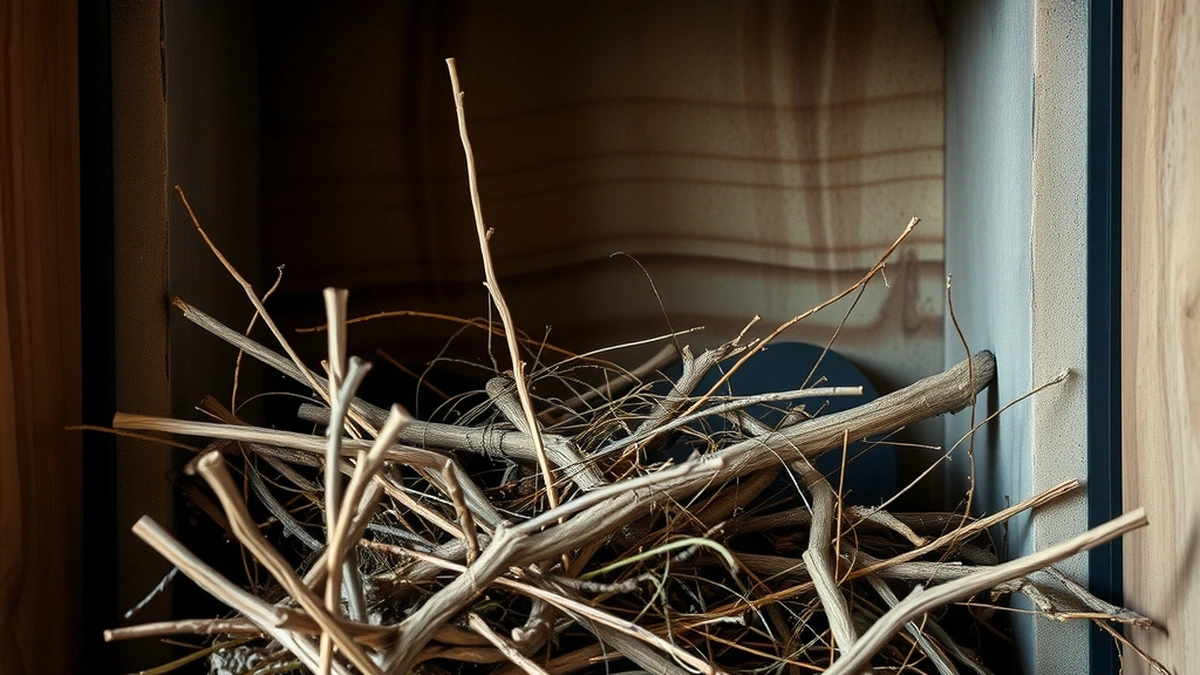
- Blocked or restricted flue — Debris, creosote buildup, or animal nests can prevent smoke from escaping upward. A typical flue is 8 to 12 inches in diameter; if the liner is too small for your fireplace’s firebox, backpressure builds.
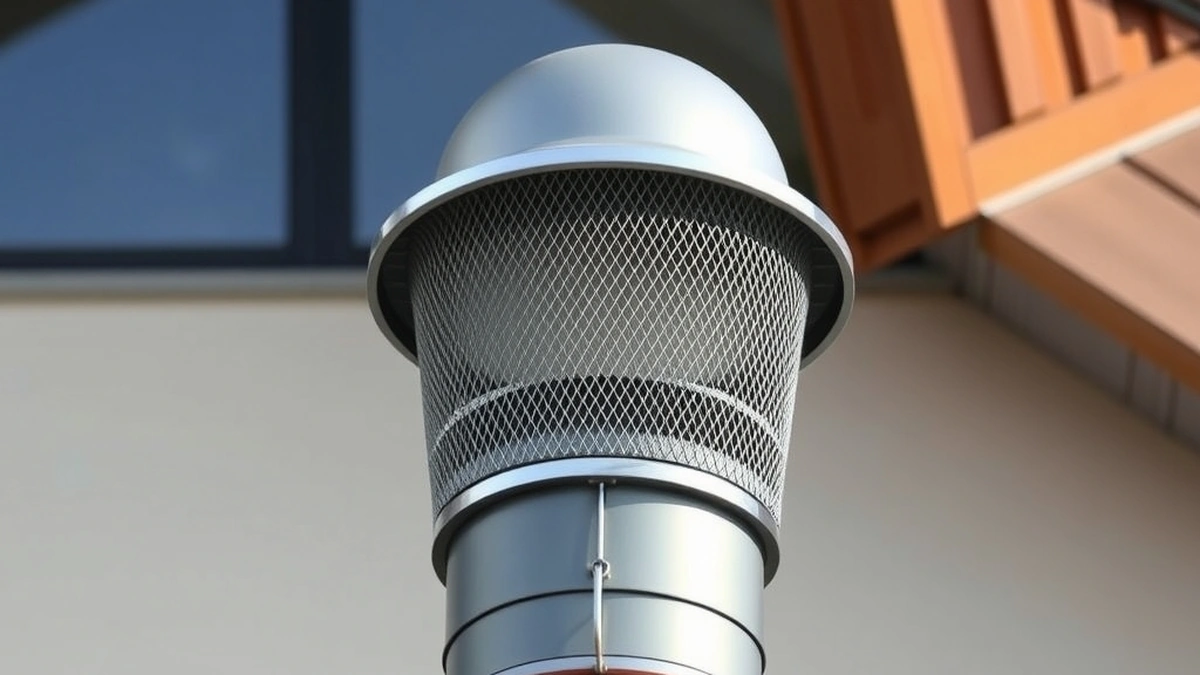
- Damaged chimney cap — The cap sits at the top of the flue and keeps rain, animals, and debris out. If it’s cracked, bent, or missing, outside air reverses the natural draft.
- Cracked or deteriorated crown — The mortar crown seals the top of the chimney. If it’s broken, cold air from outside pushes down through gaps.
- Improperly sized or damaged liner — A liner too small for the flue diameter creates backpressure; a cracked liner allows air leaks.
The Chimney Cap: First Line of Defense
The chimney cap is often the cheapest and fastest fix for a downdraft. It costs between $150 and $600 depending on material and size, with stainless steel caps running $300-$600. A properly installed cap prevents rain from entering the flue, which is critical because water intrusion reverses the stack effect—the natural pressure difference that pulls smoke upward.
If you’ve never had a cap installed, or if yours is missing, this is typically the first repair to address. Installation usually takes one to two hours and requires basic tools like a drill, level, and measuring tape. You can install a cap yourself for roughly $50-$100 in parts, but proper placement requires knowing your chimney’s dimensions and roof pitch.
Crown Repair and Replacement
The chimney crown sits atop the flue and protects the chimney structure from weather. Cracks in the crown allow cold air to penetrate, causing downdrafts and potentially leading to further deterioration. Crown repair ranges from $400 to $1,500, depending on the extent of damage and whether you choose tuckpointing or full replacement.
For minor cracks, tuckpointing (filling mortar joints) can restore the crown’s integrity. For larger breaks or crumbling mortar, full crown replacement is necessary. Both approaches require professional assessment, as the size and condition of your crown determine the right repair strategy. A crown that’s 4 feet across with three visible cracks will cost significantly less to repair than one that’s 8 feet across with widespread deterioration.
Chimney Liner Replacement
The flue liner channels smoke and gases safely out of the house. If your existing liner is cracked, corroded, or incorrectly sized, it can contribute to downdrafts. Stainless steel liners typically cost $1,500-$4,000, while clay tile liners are less expensive but may require more labor and are more prone to cracking.
Replacing a liner isn’t cheap, but it’s one of the most impactful repairs for long-term chimney performance. A properly sized liner ensures the flue can handle the volume of air your firebox produces. If you’re unsure whether your liner needs replacement, an annual Level 1 inspection ($150-$800) will tell you. During an inspection, a certified sweep measures the flue diameter and compares it to the liner size to confirm proper fit.
When to Consider a Partial Rebuild
A partial rebuild becomes necessary when the chimney structure itself is compromised. This might mean extensive masonry damage, large sections of missing brick, or deterioration throughout the flue. Partial rebuilds range from $5,000 to $15,000, covering structural repairs, new lining, and flashing replacement.
This is the most expensive option, but it addresses the root cause rather than treating symptoms. Many homeowners find that after a thorough inspection reveals structural issues, the rebuild pays for itself through improved safety and reduced maintenance costs over time. A typical partial rebuild involves removing damaged sections, installing new masonry, laying a new liner, and replacing the crown—each step adding several thousand dollars to the total.
Repair Options Compared
| Problem | Typical Fix | Cost Range | Time |
|---|---|---|---|
| Missing or damaged cap | Install new cap | $150-$600 | 1-2 hours |
| Cracked crown | Tuckpointing or replacement | $400-$1,500 | 1-3 days |
| Damaged liner | Replace liner | $1,500-$4,000 | 1-3 days |
| Structural damage | Partial rebuild | $5,000-$15,000 | 1-2 weeks |
Choosing the Right Repair Path
Not every downdraft requires a full rebuild. Start with the least invasive option that addresses your specific symptom:
- Install a chimney cap ($150-$600) — this is often the simplest fix if the cap is missing or damaged.
- Repair or replace the crown ($400-$1,500) — effective if cold air is entering through crown cracks.
- Replace the liner ($1,500-$4,000) — necessary if the liner is damaged or undersized.
- Partial rebuild ($5,000-$15,000) — required only when structural damage is present.
Following this order keeps costs reasonable while addressing the most common causes of downdrafts first. Most homeowners resolve their issue with a cap and crown repair alone.
Preventing Downdrafts Before They Start
Regular maintenance is your best defense. Annual inspections check for early signs of blockages, damage, and wear that lead to downdrafts. Combined with keeping the area around your chimney clean—removing debris, trimming tree branches near the flue, and scheduling professional sweepings—you can prevent most downdraft issues before they develop.
For more information on chimney maintenance and repair, visit our chimney repair guide or learn about chimney installation basics.
Next, compare how much does chimney cost, chimney installation, chimney repair before you commit.
Frequently asked questions
What is the most important measurement?
Start with the ceiling or clearance number; it decides which systems can fit.
What does a typical project cost?
Costs vary by system and site access; the guide shows the line items and a planning range.
Can I install this myself?
Some tasks are DIY-friendly, but structural, electrical, and load-bearing work should be done by a licensed professional.
How long does installation take?
A simple setup is a weekend; a full build with electrical or structural work can take several weeks.
What should I check before buying?
Confirm dimensions, load ratings, and the manufacturer's installation requirements for your exact model.
Where can I find local help?
Ask a licensed contractor or installer who has worked with the same system and can inspect your site.
Sources
Some links are affiliate links.If you buy through them we may earn a commission at no extra cost to you. We do not accept payment for rankings. Read the full disclosure.