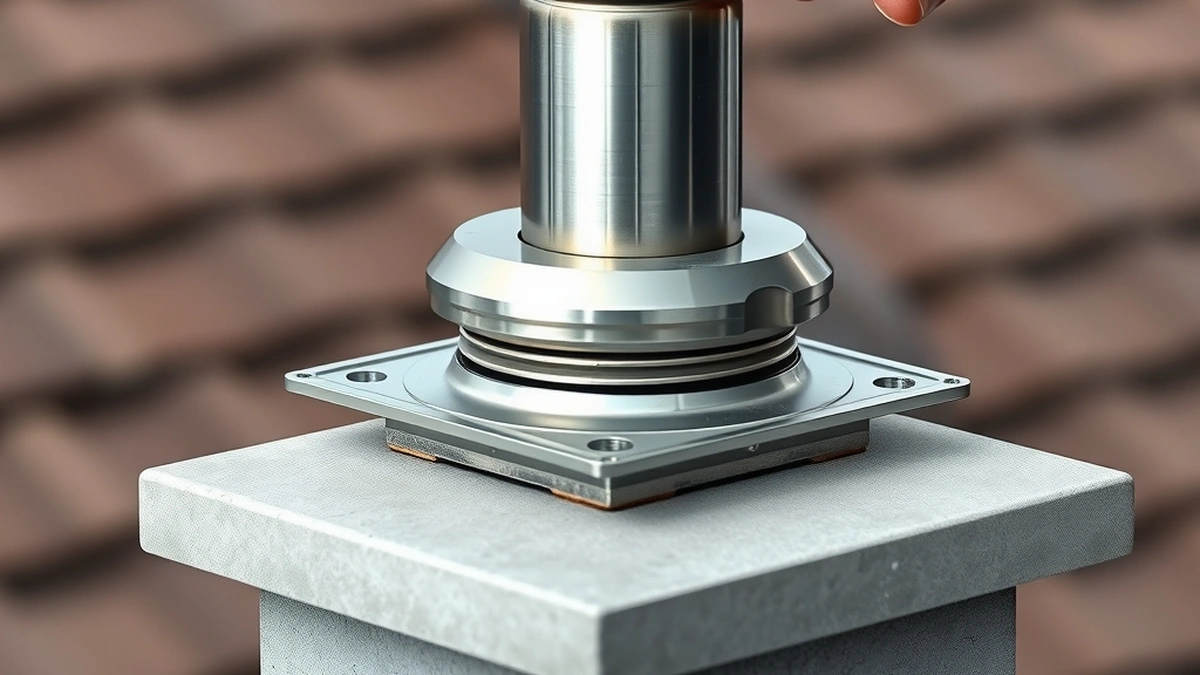
Pellet Stove Chimney Liner Requirements and Costs
Code basics, liner sizing, and price ranges for pellet stove chimney liner installations in US homes.
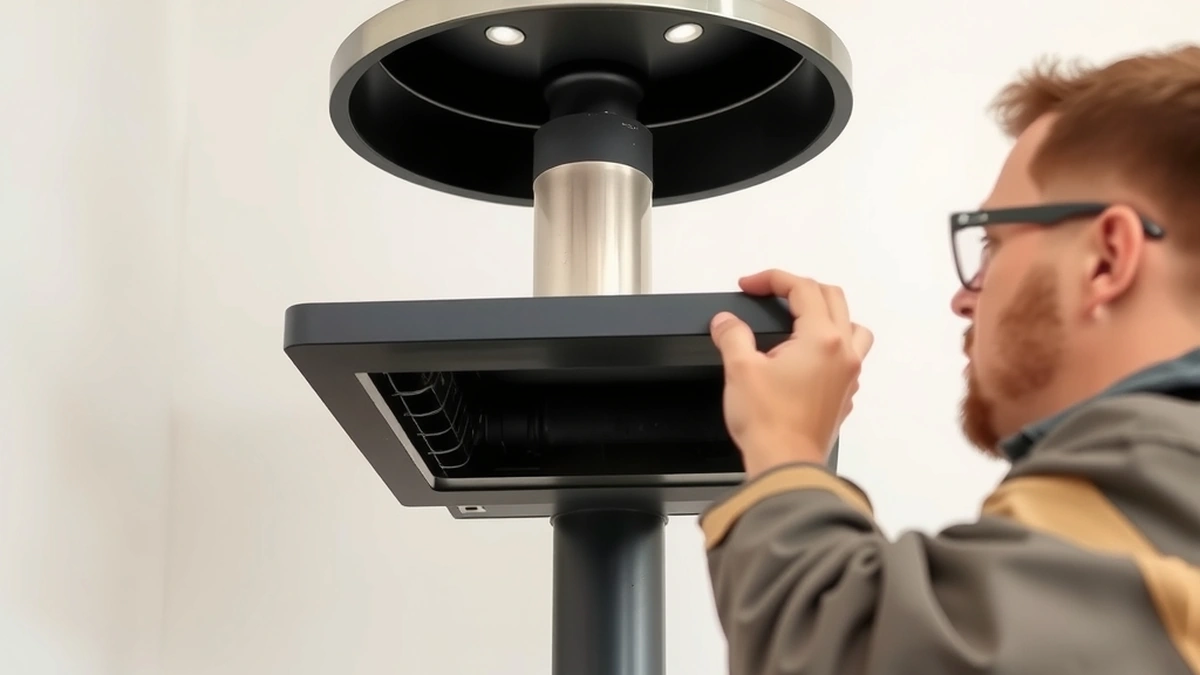
A pellet stove chimney liner is a stainless steel flue liner sized to the stove’s vent collar, typically 3 or 4 inches, installed to meet manufacturer clearances and local code.
- Typical liner size
- 3-inch or 4-inch stainless steel
- Liner material cost
- $1,500–$4,000 installed
- Chimney sweep
- $150–$400
- Level 1–3 inspection
- $150–$800
Some links on this page are affiliate links.If you buy through them we may earn a commission at no extra cost to you. We do not accept payment for rankings. Read the full disclosure.
A pellet stove chimney liner is a stainless steel flue liner that carries exhaust from the stove to the outdoors. Most pellet stove installations require a listed liner sized to the appliance’s vent collar, usually 3 inches or 4 inches in diameter. The liner must match the manufacturer’s instructions and local code before the stove is operated.
Why Pellet Stoves Use Liners
Pellet stoves burn compressed wood pellets and vent exhaust through a relatively small diameter pipe. When that pipe runs into an existing masonry chimney, the unlined space around the pipe can cool too quickly, allowing condensation and combustion byproducts to settle on the chimney walls. A stainless steel liner creates a continuous, sealed path from the stove adapter to the chimney cap.
Liners also protect masonry from the acidic condensate that forms when exhaust gases cool. Without a liner, that moisture can attack mortar joints and reduce chimney life. Code and manufacturer requirements take priority over cost, so liner selection starts with the stove’s installation manual, not with price.
Liner Sizing and Materials
Pellet stove venting is not one-size-fits-all. The stove manufacturer specifies the vent diameter, which is commonly 3 inches or 4 inches for residential models. Using the wrong diameter can cause poor draft, smoke spillage, or shutdowns caused by pressure switches.
Stainless steel is the standard liner material for pellet venting. It resists corrosion and handles the flue gas temperatures produced by pellet combustion. Aluminum liners and unlisted flexible duct are not acceptable substitutes for a listed pellet vent liner.
When sizing a liner, measure the stove’s flue collar and compare it to the liner’s listed diameter. If the stove calls for a 4-inch liner, do not reduce to 3 inches to fit an existing opening. Conversely, do not upsize a liner without manufacturer approval, because oversized venting can cool exhaust gases too much and hurt performance.
Installation Basics
A proper liner installation starts with a clean, inspected chimney. A chimney sweep typically costs $150–$400, and a Level 1–3 inspection costs $150–$800. These steps identify cracked tile, missing mortar, or blockages before the liner goes in.
The liner runs from the stove’s vent adapter through a chimney connector or thimble, then continues to the top of the chimney. Joints must be sealed according to the liner listing, and the liner must be secured at the top and supported along its length. Clearances to combustibles follow the liner listing and local code.
At the top, a chimney cap keeps rain, debris, and animals out of the liner. A chimney cap with mesh screen costs $150–$600. If the chimney crown is damaged, crown repair runs $400–$1,500. More extensive masonry work, such as a partial rebuild, can cost $5,000–$15,000.
Installed stainless steel liner costs typically range from $1,500–$4,000. That estimate covers materials and labor for a straightforward straight run. Complex installations with offsets, multiple elbows, or difficult roof access can cost more.
Here is a sample cost breakdown for a typical installation:
| Item | Estimated Cost |
|---|---|
| Chimney sweep | $150–$400 |
| Level 1–3 inspection | $150–$800 |
| Stainless steel liner installed | $1,500–$4,000 |
| Chimney cap with mesh screen | $150–$600 |
| Crown repair, if needed | $400–$1,500 |
All figures are estimates and vary by region, chimney height, and contractor rates.
Code and Safety Considerations
Local building codes in the US generally reference model codes adopted by the state or jurisdiction. The International Code Council publishes model building and mechanical code language that many localities use. The National Association of Certified Home Inspectors provides inspection guidance for chimneys and venting systems. The EPA offers information on wood and pellet heater emissions and proper operation.
The stove manufacturer’s installation manual is the controlling document for clearances, vent diameter, and termination height. If the manual and local code differ, the stricter requirement usually applies. A qualified hearth professional can confirm which rules govern a specific address.
Carbon monoxide detectors and smoke alarms should be installed and maintained according to the manufacturer’s instructions. Pellet stoves are solid fuel appliances, and proper venting is part of safe operation.
When to Repair or Replace
A liner should be inspected annually as part of routine chimney maintenance. Signs of trouble include visible rust, separated joints, water staining around the chimney, or a stove that faults on pressure errors. If the liner is damaged, it should be repaired or replaced before the stove is used again.
If the masonry chimney itself is deteriorating, a liner alone may not be enough. Crown repair at $400–$1,500 addresses surface damage, while a partial rebuild at $5,000–$15,000 handles more serious structural issues. A professional inspection determines which path is appropriate.
Maintenance and Operating Costs
Pellet stove venting should be cleaned at least once per heating season. Ash buildup in the exhaust path can restrict flow and cause the stove to shut down. A chimney sweep at $150–$400 removes soot and inspects the liner condition.
Pellet fuel quality also affects venting. Lower-grade pellets produce more ash and can increase cleaning frequency. Follow the stove manual for fuel recommendations and cleaning intervals.
Related Work
Liner installations often overlap with other chimney projects. A stainless steel chimney liner page covers liner types and code basics in more detail. A chimney liner for wood stove article compares wood and pellet venting requirements. A chimney cap with mesh screen guide explains cap selection and installation.
For broader context, see how much does chimney cost for overall project pricing, chimney installation for full system work, chimney repair for masonry issues, and chimney maintenance for ongoing care schedules. A chimney liner for furnace article covers oil and gas appliance venting, which follows different rules than pellet stoves.
Next, compare stainless steel chimney liner, chimney liner for wood stove, chimney cap with mesh screen before you commit.
Frequently asked questions
Do pellet stoves need a chimney liner?
Yes, most pellet stove installations require a listed stainless steel liner sized to the appliance’s vent outlet, unless the manufacturer approves direct venting through a wall.
What size liner does a pellet stove use?
Most residential pellet stoves use a 3-inch or 4-inch liner, but the exact diameter comes from the stove manufacturer’s installation manual.
Can I use an existing masonry chimney?
Yes, provided the chimney is structurally sound, cleaned, inspected, and fitted with a properly sized stainless steel liner rated for pellet vent temperatures.
How much does a pellet stove chimney liner cost?
Installed stainless steel liners typically run $1,500–$4,000, not including chimney sweeps, inspections, caps, or masonry repairs.
Who should install the liner?
A qualified hearth professional or chimney contractor should size and install the liner to match the stove manual and local building code.
How often should a pellet stove liner be cleaned?
Inspect and clean the venting system at least once per heating season, or more often if the stove sees heavy use or burns lower-grade fuel.
Sources
Some links are affiliate links.If you buy through them we may earn a commission at no extra cost to you. We do not accept payment for rankings. Read the full disclosure.