Tuckpointing vs Flashing repair
Tuckpointing vs Flashing repair: practical numbers, costs, and trade-offs, written independently.
Tuckpointing vs Flashing repair: practical numbers, costs, and trade-offs, written independently. The guide below shows the numbers and the trade-offs.
- Typical range
- Varies by system and site
- First step
- Measure the space and confirm the load
- Professional help
- Recommended for structural or electrical work
Some links on this page are affiliate links.If you buy through them we may earn a commission at no extra cost to you. We do not accept payment for rankings. Read the full disclosure.
Tuckpointing and flashing repair fix two different water paths, and the one you need is decided by where the water is getting in, not by which is cheaper. Tuckpointing renews the mortar joints in the masonry stack. Flashing repair rebuilds the metal joint where the chimney meets the roof. Repointing a chimney that has failed flashing wastes the first invoice, because the water was never entering through the mortar.
What each job is
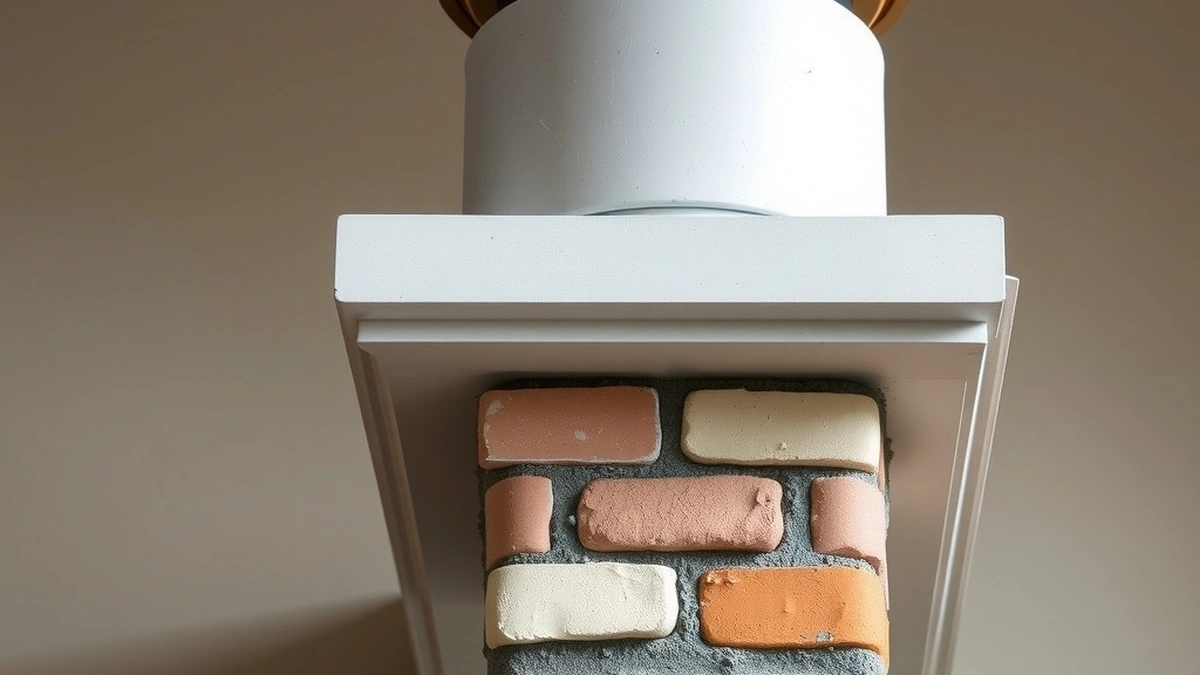
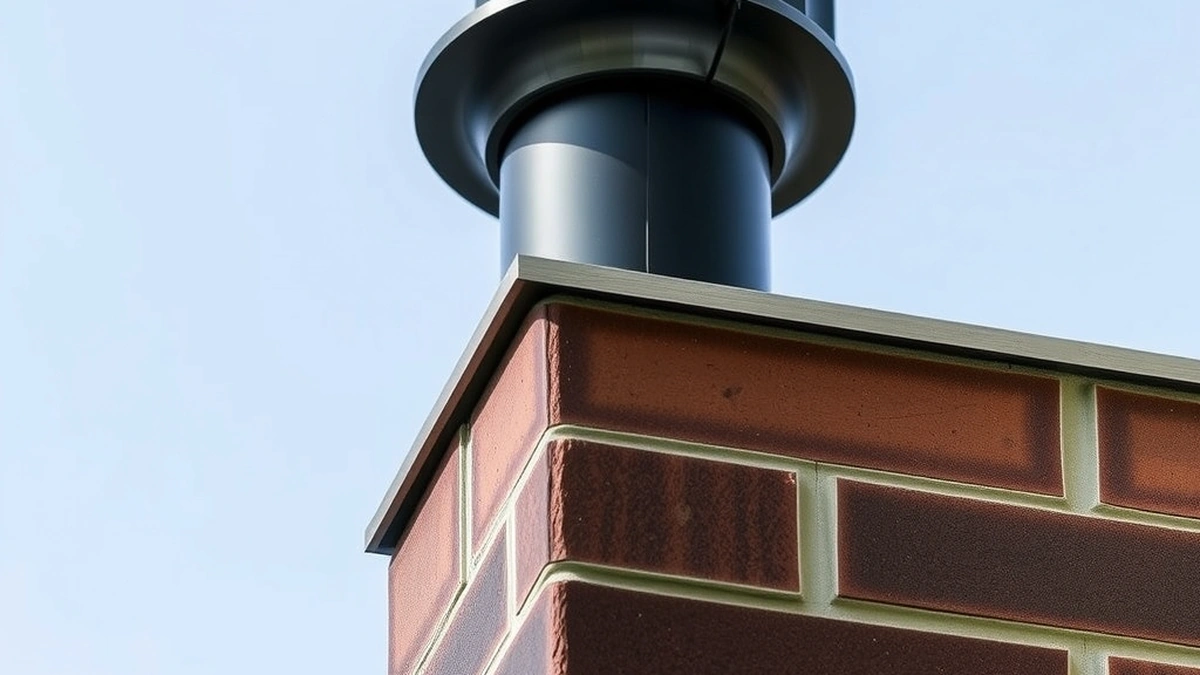
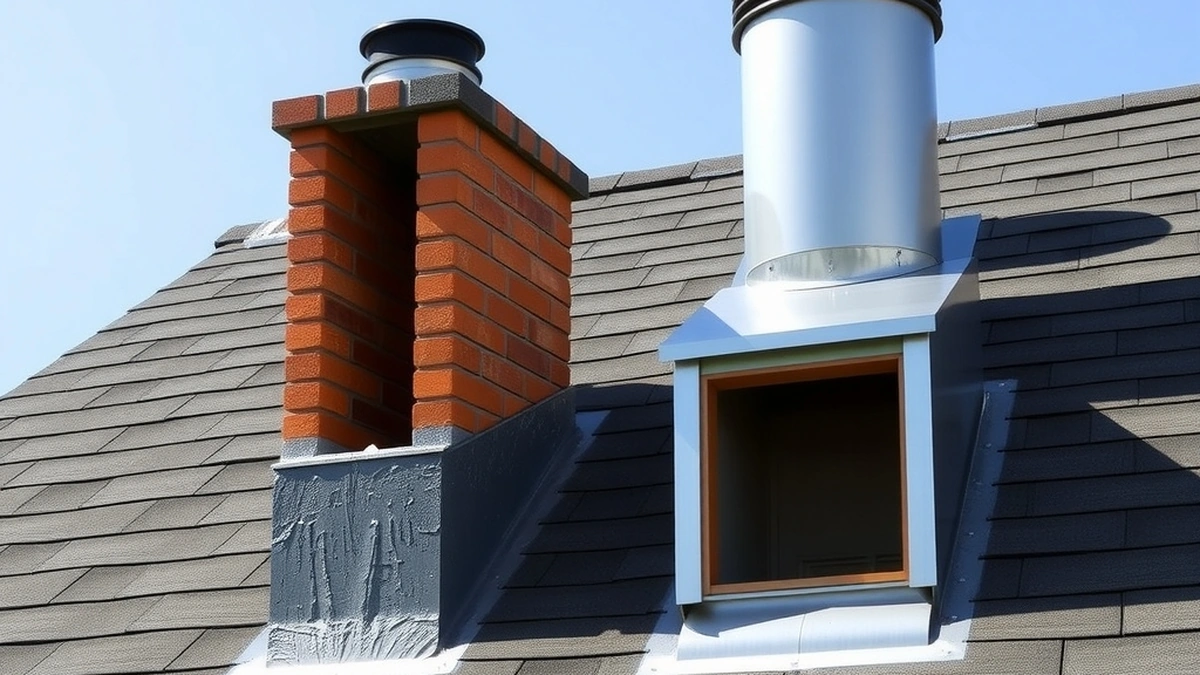
Tuckpointing is the process of grinding out deteriorated mortar joints to a consistent depth and refilling them with fresh mortar, restoring the weather skin of the masonry. Flashing repair is the rebuilding of the metal assembly at the roof line — step flashing, counterflashing, apron, and cricket — so water sheds from the chimney onto the shingles.
One is masonry work on a vertical surface. The other is sheet metal work at a horizontal one. They fail at different ages and for different reasons, and they are rarely done by the same crew.
The failure each one fixes
| Symptom | Tuckpointing | Flashing repair |
|---|---|---|
| Crumbling or recessed mortar joints | Yes | No |
| Spalling brick faces | Sometimes, after repointing | No |
| Water stain on the ceiling near the chimney | No | Yes |
| Rust streaks on the masonry below the roof | No | Yes |
| Damp patch partway down the stack | Sometimes | Sometimes |
| White salt deposits on the brick | Sometimes | Sometimes |
The overlap in the last two rows is why the diagnosis needs a hose test. Efflorescence means water is moving through the masonry, and it can come from above through a failed crown, from the joints themselves, or from the roof joint. Only the hose test tells you which.
Tuckpointing vs flashing repair: the direct comparison
Tuckpointing is preventive work on the wall. It restores the surface that sheds rain and slows the freeze-thaw damage that pops brick faces. It does not stop water that is entering at the roof line, and it does nothing for a leak that appears only during wind-driven rain.
Flashing repair is corrective work at the joint. It stops an active leak, and it is the only one of the two that addresses water running down the roof and behind the chimney. It does not restore worn mortar, and a chimney with sound flashing and eroded joints will still absorb water through the wall.
The practical difference is urgency. A flashing leak damages the roof deck, the ceiling, and the framing within a season. Eroded mortar damages the masonry over several years. If both are present, flashing first, tuckpointing second.
What each costs, with arithmetic
The published chimney figures that bracket this work are a sweep at $150 to $400, an inspection at $150 to $800, a cap at $150 to $600, crown repair at $400 to $1,500, a stainless liner at $1,500 to $4,000, and a partial rebuild at $5,000 to $15,000.
Flashing repair is priced from labor and material. Labor at $150 to $400 plus material at $50 to $150 plus sealant and supplies at $20 to $50 gives ($150 + $50 + $20) = $220 to ($400 + $150 + $50) = $600, with a midpoint of ($220 + $600) ÷ 2 = $410.
Tuckpointing is priced by the area of masonry or the linear feet of joint. At a planning rate of $10 to $30 per square foot of face, a stack measuring 4 ft wide by 8 ft high is 4 × 8 = 32 sq ft, so the work is 32 × $10 = $320 to 32 × $30 = $960. A taller stack at 4 ft by 16 ft is 64 sq ft, or 64 × $10 = $640 to 64 × $30 = $1,920.
Both jobs on the same chimney at midpoints: $410 + $640 = $1,050, using the 32 sq ft tuckpointing midpoint of ($320 + $960) ÷ 2 = $640.
Why the order matters
Water that enters at the flashing runs down the inside of the masonry and through the joints. If those joints are repointed first, the leak continues behind the new mortar, and the new mortar is damaged by the same water. The repointing then has to be redone.
Doing the flashing first also lets the masonry dry before it is sealed or repointed. Mortar applied over saturated brick does not bond properly, and trapped moisture pushes the new joint out in the first freeze.
The sequence on a chimney with both problems is: diagnose, repair the flashing, let the stack dry, then tuckpoint.
Doing both in one visit
A mason and a roofer are two trades, and a single company may not do both. That is normal. What matters is that the scope is split correctly and the sequence is written down.
Ask the mason whether the tuckpointing price includes grinding out the old mortar to a consistent depth. A crew that smears mortar over the surface without grinding is doing cosmetic work that will fail within a season. Ask the roofer whether the flashing price includes a new reglet cut into the masonry, or whether the counterflashing will be surface-mounted and sealed.
If the flashing contractor needs to cut a reglet, that work happens before the tuckpointing, because the cut removes masonry. Sequence the reglet first, the tuckpointing second, and the final seal last.
How to tell which one you have
- Look at the joints. If the mortar is recessed more than about a quarter inch or crumbles when probed, tuckpointing is due.
- Look at the flashing. Lifted metal, cracked sealant, or rust streaks below the roof line point to the flashing.
- Run a hose at the flashing for five minutes and watch inside. Water appearing during the test is a flashing leak.
- Check the attic and the ceiling near the chimney after a wind-driven rain. A stain that appears only in wind is almost always the flashing.
- Have the chimney inspected before authorising either job, so the crown and flue are ruled out as the source.
What to ask for in the quote
Ask for the tuckpointing depth and the mortar mix. Older brick needs a softer mortar than modern Portland mixes, and the wrong mix damages the brick faces. Ask how many joints are included and whether the price is per square foot or per linear foot.
Ask for the flashing specification: metal type, gauge, and whether the counterflashing is set in a reglet. Ask whether the quote includes the hose test at the end.
Then compare the two quotes on scope, not on total. A $410 flashing repair and a $960 tuckpointing job are both reasonable; a $410 quote that covers both is not covering both.
For the masonry side, see chimney masonry repair. For the metal side, see chimney flashing repair. For the diagnosis that separates them, see chimney leak repair, and for the wider repair menu, see chimney repair.
Frequently asked questions
What is the most important measurement?
Start with the ceiling or clearance number; it decides which systems can fit.
What does a typical project cost?
Costs vary by system and site access; the guide shows the line items and a planning range.
Can I install this myself?
Some tasks are DIY-friendly, but structural, electrical, and load-bearing work should be done by a licensed professional.
How long does installation take?
A simple setup is a weekend; a full build with electrical or structural work can take several weeks.
What should I check before buying?
Confirm dimensions, load ratings, and the manufacturer's installation requirements for your exact model.
Where can I find local help?
Ask a licensed contractor or installer who has worked with the same system and can inspect your site.
Sources
Some links are affiliate links.If you buy through them we may earn a commission at no extra cost to you. We do not accept payment for rankings. Read the full disclosure.