Cast-in-place liner problems: cracks, voids, and draft
The failures that show up after cast-in-place relining, why they happen, how a camera inspection finds them, and what each repair actually costs.
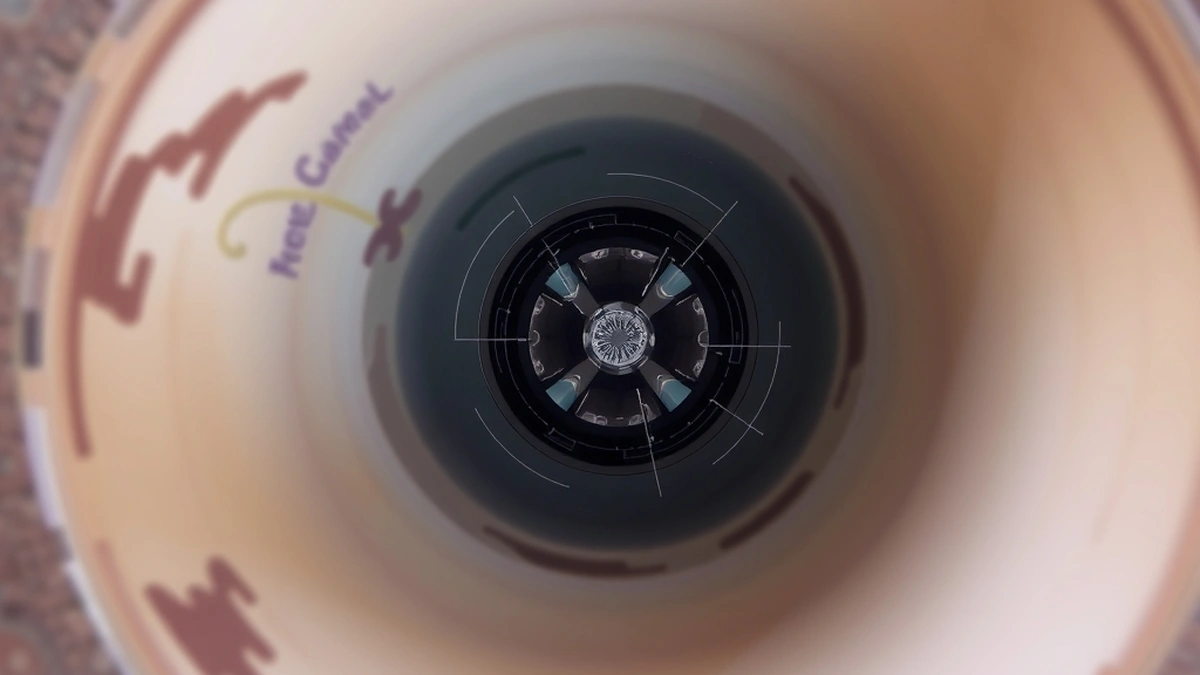
Cast-in-place liner problems are mostly installation-related: shrinkage cracks, voids behind the bore, an off-center form leaving a thin wall, and a flue that lost too much area for the appliance. Most are invisible from the firebox and show up on camera.
- Diagnostic inspection
- $150–$800
- Typical bore loss
- About 1 inch
- Crown repair if leaking
- $400–$1,500
- Cap replacement
- $150–$600
Some links on this page are affiliate links.If you buy through them we may earn a commission at no extra cost to you. We do not accept payment for rankings. Read the full disclosure.
Cast-in-place liner problems are mostly installation problems. The lining itself is durable; the failures come from curing too fast, a form set off center, a flue that was not clean before the pour, and water getting in at the top afterward. Nearly all of them are invisible from the firebox, which is why a camera scan at closeout and again a year later is the only reliable check.
The problems that actually recur
Five failures account for most callbacks: shrinkage cracking, voids behind the bore, a thin wall from an off-center form, a flue that lost too much cross-section, and water damage from a failed crown or a missing cap. Each has a different fix and a different price.
Nothing on that list is exotic. They are the predictable consequences of shortcuts in a process that has four places to take one: cleaning, forming, mixing, and curing.
Shrinkage cracks
Refractory mixes shrink as they cure and as they dry through the first heating season. Some shrinkage cracking is normal and cosmetic. The distinction is width and movement.
A hairline that stays a hairline for two seasons is a monitoring item. A crack that widens, runs vertically the full height of a section, or shows dark staining along its edge is a path for flue gas. Staining is the tell: gas moving through a crack deposits soot on the far side.
Vertical cracks are usually curing or thin-wall problems. Horizontal cracks more often point to movement in the masonry behind the lining.
Voids behind the bore
A void is a pocket of missing material between the lining and the old flue wall. It happens when the mix is pumped too dry, when air is trapped because the pour ran from the top, or when the masonry had open joints that swallowed the mix.
Voids are the quiet failure. The bore looks perfect on camera, the appliance drafts, and the lining has an unsupported span that cracks under thermal cycling two winters later. Tapping the lining with a mallet during inspection produces a hollow sound over a void and a dull thud over solid material.
Reduced flue area and draft
The lining takes up space. Typical reduction is about an inch of diameter, more on an irregular flue that needed extra thickness to fill voids.
Run the area math on a 10-inch round flue: area is π × r², so 3.14 × 25 = 78.5 square inches. Line it to 9 inches: 3.14 × 20.25 = 63.6 square inches. That is a loss of 78.5 − 63.6 = 14.9 square inches, or about 19 percent.
Nineteen percent matters on a flue that was already marginal. A wood stove specified for an 8-inch flue lined down to 7 inches will spill smoke on startup. Modern gas appliances are worse, because they are sized tightly and rely on a specific flue area to vent properly.
| Finding | Likely cause | Urgency |
|---|---|---|
| Hairline crack, no staining | Normal shrinkage | Monitor annually |
| Vertical crack with staining | Thin wall or curing fault | Inspect within weeks |
| Hollow tap tone | Void behind lining | Evaluate for relining |
| Smoke spillage on startup | Flue area too small | Fix before next season |
| Water staining at the top | Crown or cap failure | Repair promptly |
| Lining flaking off the wall | Poor cleaning before pour | Replace the lining |
Water and freeze-thaw at the top
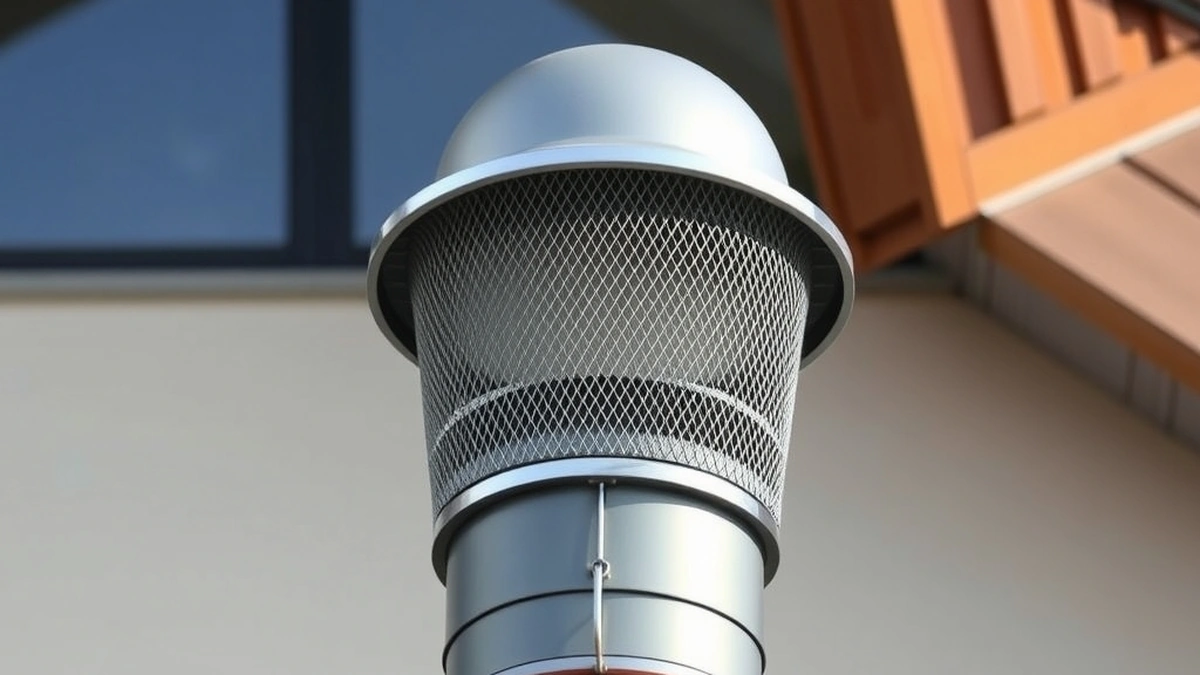
Water is the most common killer of a young liner, and it almost always enters at the top. A crown that has cracked allows water to sit on the flue tile and behind the lining. Freeze-thaw then works the lining loose from the masonry, one winter at a time.
Crown repair runs $400–$1,500 and a cap runs $150–$600. Both are cheap next to a reline, and both should have been in the original scope.
Appliance mismatch problems
A cast-in-place liner sized for a wood appliance can be wrong for a gas furnace, and the reverse. Gas appliances produce acidic condensate. If the lining is not rated for wet service, the surface dusts, softens, and eventually spalls.
Check the appliance listing against the lining rating before blaming the installer. A lining that is correct for one fuel can be out of spec for another, and a fuel conversion without a lining review is a common source of failure.
Telling a real problem from a cosmetic one
- Get a Level 2 camera inspection and ask for the recording, not a summary. Cost: $150–$800.
- Note crack width against a reference object in the frame, such as a coin held at the bore.
- Tap the lining at three heights on each side and listen for hollow notes.
- Photograph the crown and cap from the roof, not from the ground.
- Compare the bore to the appliance’s required flue area before accepting a draft complaint as an appliance fault.
- Get the findings in writing with photos, so a second opinion has something to work from.
If the lining is sound and the problem is water, the fix is at the top. If the lining is voided or delaminated, the fix is replacement, and a stainless liner at $1,500–$4,000 may be the cheaper route than a second pour. Read cast-in-place liner installation to see which step each failure traces back to, and cast-in-place liner maintenance for the annual checks that catch these early.
Creosote is a separate risk that compounds all of the above; creosote build-up signs covers what to look for between sweeps, and stainless steel chimney liner is the comparison to run before you authorize a second cast lining.
Frequently asked questions
Why does a new cast-in-place liner crack?
Usually from curing too fast, an off-center form leaving a thin wall, or movement in the masonry behind it. Shrinkage cracks are common in the first season and are not always a failure on their own.
How do I know if my liner has voids?
A camera scan of the bore shows bulges and soft spots, but voids behind the lining are best found by tapping or by an inspection camera with a side view. Ask for the recording from the original installation first.
Can a cast-in-place liner make draft worse?
Yes. The lining reduces the flue's cross-section by roughly an inch of diameter, and on a marginal flue that is enough to cause smoke spillage, especially with a modern appliance that needs a precise flue area.
Does a hairline crack mean the liner has failed?
Not always. A hairline that does not widen and shows no staining is usually monitored, not replaced. A crack you can fit a dime into, or one with dark staining beside it, needs professional evaluation.
What causes water damage at the top of a new liner?
A failed crown or a missing cap. Crown repair runs $400–$1,500 and a cap runs $150–$600. Water entering at the top is the most common reason a young liner fails early.
Can cast-in-place problems be repaired without relining again?
Sometimes. Small cracks can be sealed and a crown can be rebuilt, but a delaminated or voided lining usually has to be removed and replaced, which is why the original installation quality matters so much.
Sources
Some links are affiliate links.If you buy through them we may earn a commission at no extra cost to you. We do not accept payment for rankings. Read the full disclosure.