Stainless relining maintenance: the annual routine
What a stainless liner needs each year, how to sweep it without damage, which parts fail first, and the arithmetic of maintenance against replacement.
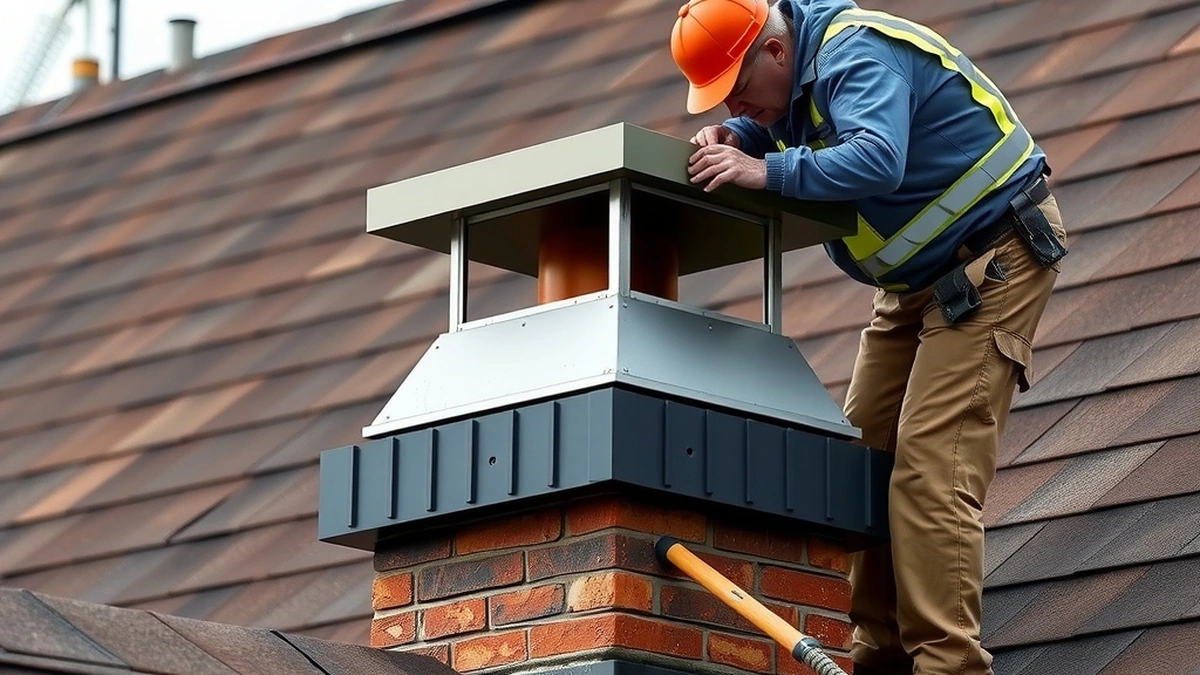
Stainless relining maintenance is an annual inspection at $150 to $800 plus a sweep at $150 to $400, with a check of the cap, top plate, and appliance connection. Cleaning the liner correctly takes a poly brush, never a chain, and the top parts fail before the liner does.
- Annual sweep
- $150 - $400
- Annual inspection
- $150 - $800
- Cap replacement
- $150 - $600
- Liner replacement
- $1,500 - $4,000
Some links on this page are affiliate links.If you buy through them we may earn a commission at no extra cost to you. We do not accept payment for rankings. Read the full disclosure.
Stainless relining maintenance is an annual sweep and inspection, and it costs $150 to $400 for the sweep plus $150 to $800 for the inspection. That is the whole routine. The liner itself asks for almost nothing; the parts around it — cap, top plate, appliance connection — are what fail and what the annual visit exists to catch.
Skipping a year is cheap until it is not. A cap that blows off in a storm lets rain into the insulation, and the liner that would have lasted decades corrodes from the outside in.
What maintenance covers
Stainless relining maintenance is the annual work that keeps a lined flue safe and efficient: removing soot and creosote, checking the liner for damage, resealing or replacing the top plate and cap, and confirming the appliance connection is tight. It is inspection-led, which means the visit starts with looking rather than brushing.
The distinction matters because a liner changes what the sweep does. Masonry flues can take a chain and a drill. A stainless liner cannot, and a sweep who does not know the flue is lined can damage it in the first ten minutes.
The annual calendar
| When | Task | Cost |
|---|---|---|
| Before heating season | Sweep, inspection, cap and plate check | $300 - $1,200 combined |
| Mid-season, wood burners | Empty the flue, check creosote at the top | Part of a sweep |
| After each cord of wood | Sweep if the appliance runs hard | $150 - $400 |
| After a storm | Check the cap and top plate | Repair if loose |
| Spring | Look for water stains and rust | Inspection if found |
| Annually, gas appliance | Draft and spillage check | $150 - $800 |
The spring look is the one homeowners skip and the one that catches water damage early. Rust streaks on a liner in April are cheaper to deal with than a saturated wrap in November.
Sweeping a lined flue
- Confirm the liner diameter from the installation paperwork so the brush matches.
- Cover the firebox and floor, and seal the opening with a sheet.
- Use a poly brush on flexible rods, working from the top down or the bottom up.
- Keep the brush inside the liner and do not run the rods past the top plate.
- Vacuum with a HEPA machine as you go, and bag the debris.
- Look down the flue with a light, then check the plate and cap before leaving the roof.
Step four is where damage happens. A brush that catches the top plate can pull the fasteners, and a plate that has shifted is a water leak waiting for the next rain.
What fails first
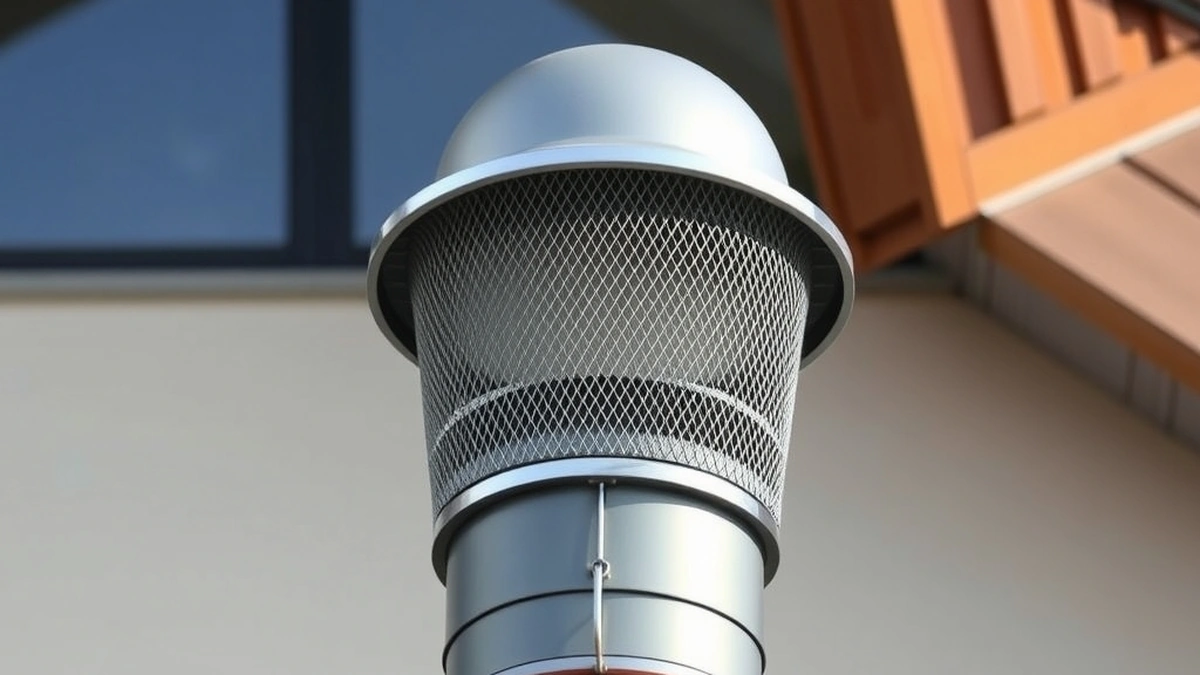
The cap goes first. It sits in the wind and the sun, and a cheap cap rusts or loses its screen. Replacement is $150 to $600, and a cap with a mesh screen also keeps birds and squirrels out, which prevents the most common winter blockage.
The top plate is second. Its sealant dries, the fasteners loosen, and water finds the edge. Resealing is part of an inspection; replacing a plate is in the same $150 to $600 band as the cap.
The appliance connection is third. Vibration and heat cycles loosen the adapter, and a loose connection at the stove or insert leaks smoke into the room at the point where people sit.
Creosote and the fire threshold
Creosote builds in three recognizable stages. A light, dusty layer brushes off. A crusty layer needs a stiffer brush and more time. Glazed, hardened creosote is a fuel, and it is the stage where a chimney fire becomes likely rather than hypothetical.
The practical rule for a wood appliance is a sweep after every cord of wood, or once a year, whichever comes first. An appliance run low and slow, with unseasoned wood, builds residue faster than the same appliance run hot with dry wood. A flue thermometer is the cheapest tool for staying out of the glazed stage.
Once glazed creosote is present, the ordinary annual sweep at $150 to $400 is not enough. Chemical treatment and a rotary head are a separate job, and the flue should be inspected before the appliance runs again.
Lifespan and when to plan replacement
Manufacturers commonly warrant 316L and 316Ti liners for 20 years to lifetime, with the terms tied to the fuel and the appliance. That is a warranty, not a guarantee: a liner that was undersized, uninsulated, or wet will not reach it.
The signals that a liner is near the end are rust streaks at the top, a flue that no longer draws as it did, visible damage on camera, and a chimney fire in its history. Any of those means inspection at $150 to $800 before the season, not after.
The arithmetic of keeping up
Annual maintenance on a wood appliance runs $300 to $1,200 for sweep plus inspection. Over ten years that is $3,000 to $12,000 using 10 x $300 and 10 x $1,200.
| Path | Ten-year cost | What it assumes |
|---|---|---|
| Maintain on schedule | $3,000 - $12,000 | Sweep and inspection every year |
| Replace the liner early | $1,500 - $4,000 once | Plus the same annual visits afterward |
| Rebuild the chimney | $5,000 - $15,000 once | Usually with a new liner added |
A replacement liner is $1,500 to $4,000, and a chimney rebuild is $5,000 to $15,000. Ten years of maintenance costs about the same as two liners, which sounds like a poor deal until the rebuild number is on the same page. The maintenance is what keeps the rebuild off the table.
For what the annual visit should include, see chimney maintenance and chimney inspection cost. For the failures the visit catches, see stainless relining problems. For the cost of a replacement, see stainless relining cost. For sweeping in general, see chimney sweep cost.
Frequently asked questions
How often does a stainless liner need maintenance?
A sweep and a visual check once a year for wood-burning appliances, or after each cord of wood. Gas appliances need an annual inspection but produce little residue, so a full sweep is rarely needed.
Can a stainless liner be swept?
Yes, and it must be. Use a poly brush sized to the liner, not a chain or a metal brush on a drill, which can score or tear a flexible liner.
What parts of a reline fail first?
The cap and the top plate. Both sit in the weather and both are cheap to replace at $150 to $600. The liner below them usually outlives them by years.
How long does a stainless liner last?
Manufacturers typically warrant 316L and 316Ti liners for 20 years to lifetime, with terms tied to fuel and appliance. Service life depends on correct sizing, insulation, and annual inspection.
Do I need an inspection if I burn gas?
Yes. Gas produces little soot but a lot of water vapor, and a blocked or disconnected flue on a gas appliance is a carbon monoxide risk rather than a smoke problem.
What should I check before the heating season?
The cap for damage, the top plate for seal, the crown for cracks, the appliance connection for looseness, and the flue for a bird or debris nest. A blocked flue is the most common winter emergency.
Sources
Some links are affiliate links.If you buy through them we may earn a commission at no extra cost to you. We do not accept payment for rankings. Read the full disclosure.