Stainless relining problems: what goes wrong
The failures that follow a reline, from undersized liners and wet insulation to leaking top plates, and what each repair costs to put right.
Most stainless relining problems trace to three causes: the wrong liner size, missing insulation on an exterior chimney, or a top plate that does not seal. Draft issues and corrosion are usually consequences of those, not separate faults.
- Inspection to diagnose
- $150 - $800
- Top plate reseal
- $150 - $600
- Liner replacement
- $1,500 - $4,000
- Crown repair, if needed
- $400 - $1,500
Some links on this page are affiliate links.If you buy through them we may earn a commission at no extra cost to you. We do not accept payment for rankings. Read the full disclosure.
Most stainless relining problems are installation problems wearing a different name. A stove that smokes after a reline usually has a liner that is oversized or uninsulated. Water in the firebox usually means the top plate or the crown, not the liner. Corrosion usually means the wrong alloy for the fuel.
That pattern matters because it changes the fix. Replacing a liner that was sized wrong the first time costs $1,500 to $4,000 and repeats the mistake if nobody measures the flue and the appliance together.
The failure list
| Problem | Usual cause | Cost to fix |
|---|---|---|
| Smoke spills on reload | Oversized liner, cold flue | Resize or insulate: $1,500 - $4,000 if relined |
| Water in the firebox | Top plate, cap, or crown leak | Plate and cap: $150 - $600; crown $400 - $1,500 |
| Rust streaks on the liner | Wet insulation, wrong alloy | Replacement at $1,500 - $4,000 |
| Weak draft at startup | Uninsulated exterior run | Insulate or reline |
| Creosote at the top third | Cold flue, poor draft | Sweep at $150 - $400, then address draft |
| Liner pulled loose at the top | Undersized plate or failed fasteners | Resecure or re-plate: $150 - $600 |
Undersized and oversized liners
An undersized liner chokes the appliance. The stove cannot move enough air, the fire runs rich, and smoke backs into the room on reload. It is the failure that gets noticed fastest because it is obvious.
An oversized liner is quieter and more common. The exhaust cools before it reaches the top, draft weakens, and creosote condenses on the upper third of the flue. The appliance seems to work, so nobody investigates until the annual sweep finds heavy buildup or a chimney fire happens.
The rule is to match the appliance’s flue collar and follow the manufacturer’s minimum flue height. A 6-inch collar takes a 6-inch liner; a 5-inch liner on a 6-inch stove is not a tight fit, it is a restriction.
Condensation and corrosion
Stainless is corrosion-resistant, not corrosion-proof. Wood and oil flue gas contains water vapor and acidic compounds, and when the flue runs below the dew point those compounds condense on the metal.
On a gas appliance the condensate is mild and 304 handles it. On wood and oil, 316L or 316Ti is the specification that lasts, and a job that saved $200 on alloy can fail in a handful of seasons. Wet insulation makes it worse: once the wrap is saturated, the acid sits against the liner instead of draining away, and the corrosion moves from the inside out.
Top plate and cap leaks
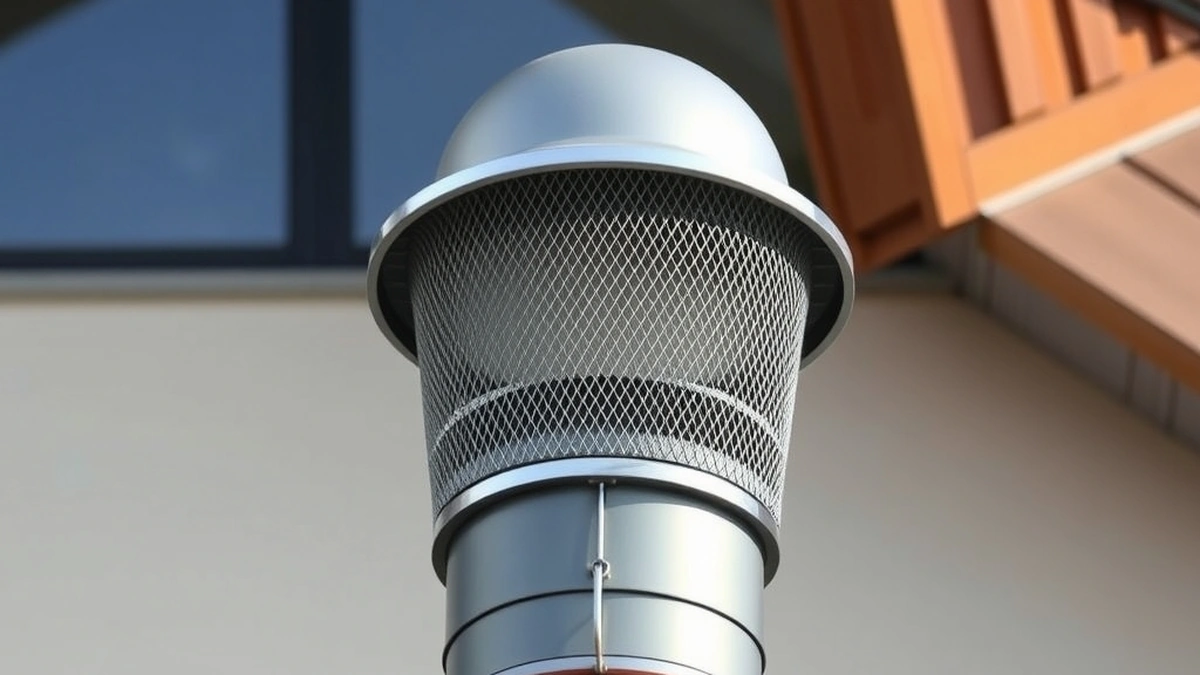
A top plate that sits inside the flue rather than over it lets water run around its edge and into the insulation. A plate screwed to a cracked crown has the same result, because the crack moves water under the seal.
The symptoms are a rust streak on the liner, damp insulation visible from the top, and water in the firebox after a hard rain. The fix is a correctly sized plate sealed to a sound crown, plus a cap at $150 to $600. If the crown is the problem, it gets repaired at $400 to $1,500 first.
Draft problems after relining
Three things cause poor draft on a new liner. The liner is oversized, the flue is too short for the appliance, or the house is depressurized by exhaust fans and the appliance cannot get makeup air.
The first two are measured problems and get measured fixes. The third is a house problem: a kitchen fan, a dryer, or a bathroom fan pulls air out faster than the chimney can replace it, and the flue becomes the intake. Cracking a window proves it in thirty seconds. The permanent fix is makeup air, not a new liner.
Damage from sweeping
A lined flue should be swept with a poly brush, not a chain or a metal brush on a drill. The latter is for removing glazed creosote from masonry and will score or tear a flexible liner.
The other sweeping risk is the top plate: a brush that is too large for the flue, or a rod run past the top, can catch the plate and pull the fasteners. That is why the sweep should know the liner diameter before starting, and why the plate should be checked after every sweeping.
What to do, in order
- Stop using the appliance if smoke is spilling or there is a smell of gas or exhaust in the room.
- Get an inspection at $150 to $800 with photographs of the liner at the top, middle, and bottom.
- Check the top termination first, because plate and cap faults are the cheapest to fix.
- Measure the liner against the appliance collar and the manufacturer’s required flue size.
- Check the insulation at the top for saturation before assuming the liner itself has failed.
- Only then price a replacement, and specify alloy, diameter, and insulation in writing.
Repair or replace
A liner is a continuous flue, so there is no meaningful patch for a puncture, a split seam, or a crushed section. Those mean replacement at $1,500 to $4,000. The parts around it — plate, cap, appliance adapter — are separate and cheap, and they account for a large share of the complaints that sound like liner failures.
The one case that always means replacement is a liner that has been through a chimney fire. Heat warps and cracks stainless, and a warped liner changes the flue’s shape and its clearances. It does not go back into service on a visual all-clear.
For the install that prevents most of these, see stainless relining installation. For the annual routine, see stainless relining maintenance. For creosote, see creosote build-up signs. For the replacement price, see stainless relining cost.
Frequently asked questions
Why does my fireplace smoke after relining?
The liner is usually the wrong size or too cold. An oversized liner cools the exhaust and weakens draft, and an uninsulated liner on an exterior chimney behaves the same way for the first part of every fire.
Can a stainless liner corrode?
Yes, if it is the wrong alloy for the fuel or if water reaches the insulation. Wood and oil produce acidic condensate, and a saturated wrap keeps that acid against the metal.
Why is there water in my firebox after relining?
Water is getting past the top plate, the cap, or the crown. The liner itself does not leak; the termination above it does, and the water runs down the outside of the liner.
How do I know if the liner was installed correctly?
Ask for the inspection photographs, the alloy and diameter on the invoice, and a look at the top plate from the roof. A plate that sits inside the flue rather than over it is a red flag.
Can a damaged liner be repaired instead of replaced?
Rarely. A liner is a continuous flue, so a puncture or a failed joint means a new liner. The exception is the top plate or cap, which are separate parts and cheap to replace.
Does a liner need to be replaced after a chimney fire?
It needs to be inspected. A liner that has been through a fire may be warped, cracked, or have failed joints, and it cannot be returned to service until someone has looked at it.
Sources
Some links are affiliate links.If you buy through them we may earn a commission at no extra cost to you. We do not accept payment for rankings. Read the full disclosure.