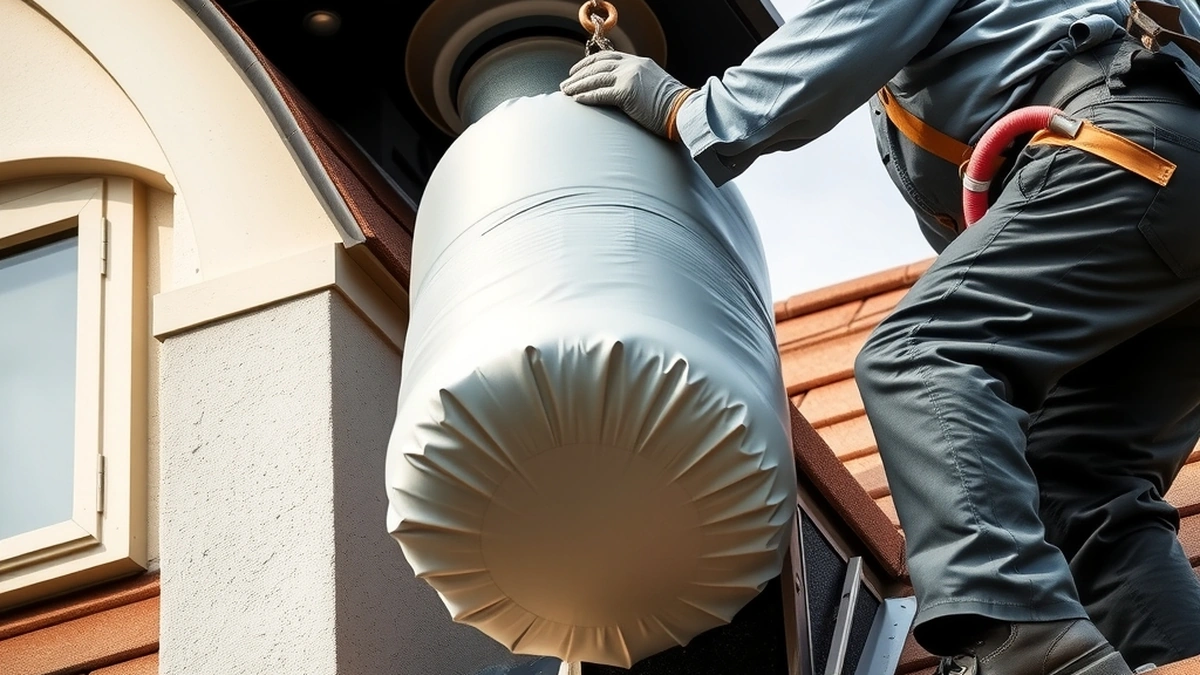
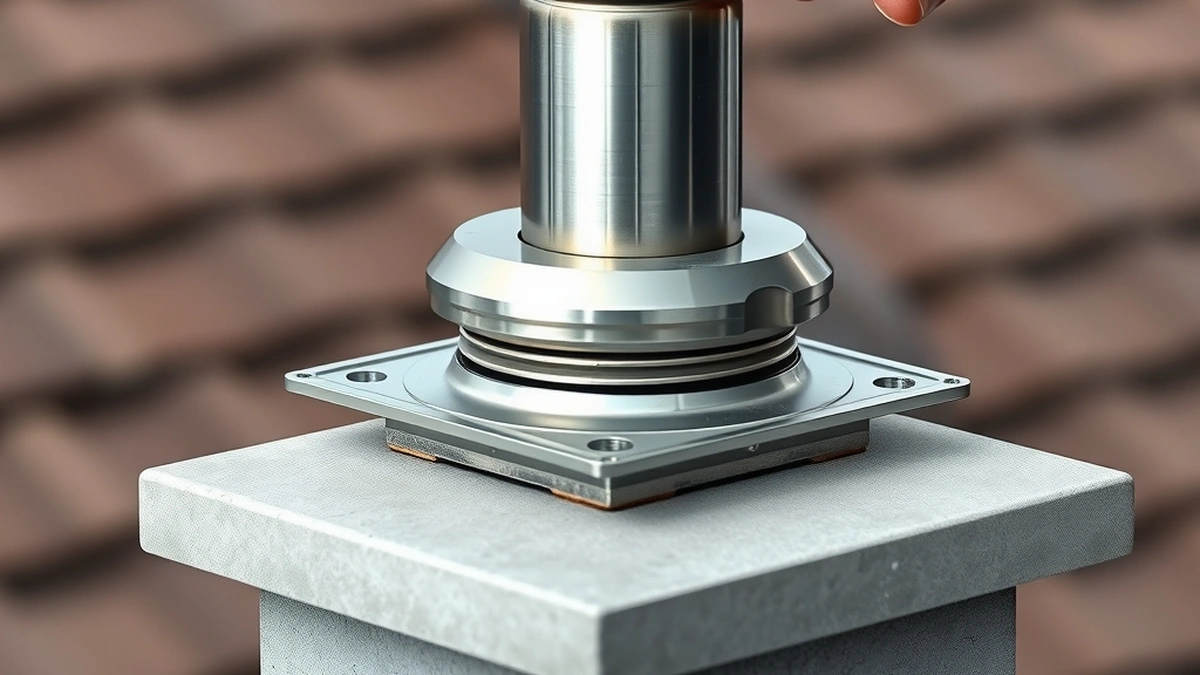
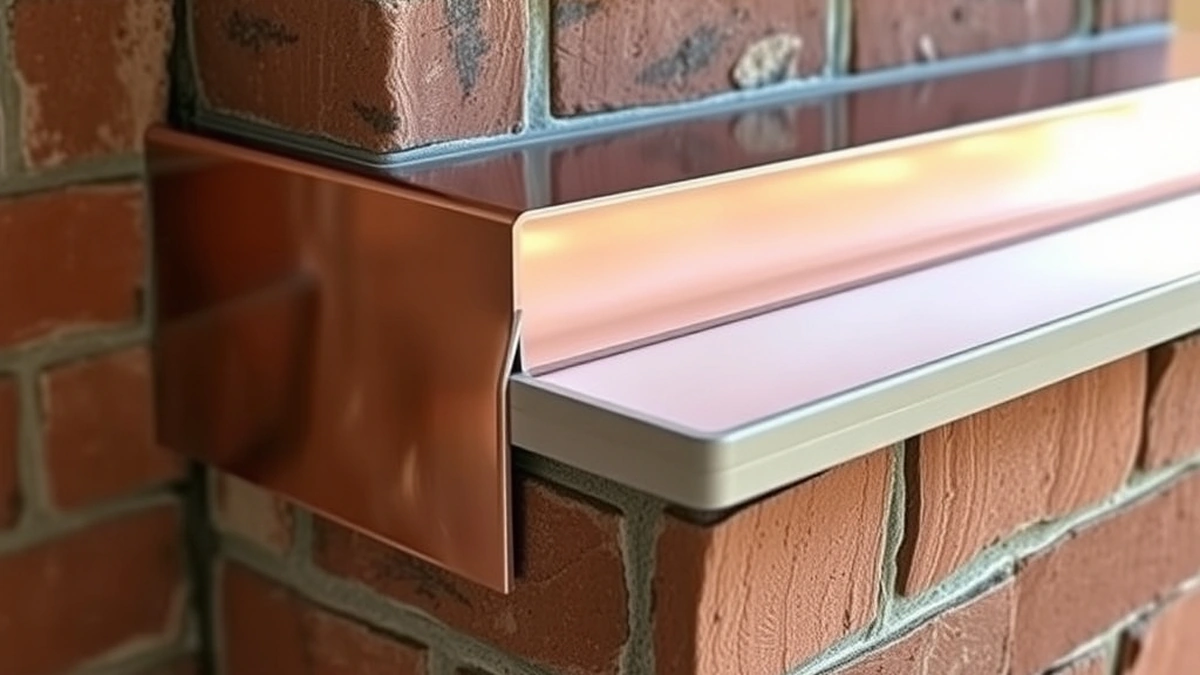
Chimney Liner for Furnace Installation and Safety
Learn when a furnace needs a chimney liner, what materials meet code, and how installation costs compare to repairs.
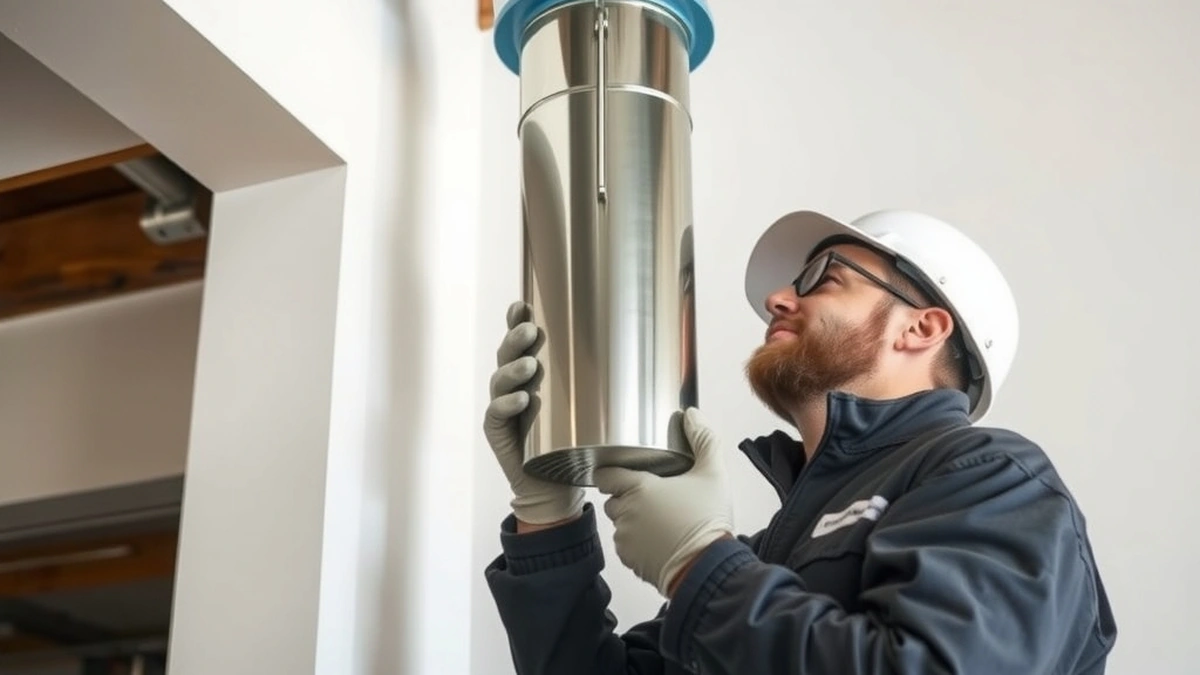
A gas or oil furnace typically needs a properly sized chimney liner to vent combustion gases safely; stainless steel liners commonly cost between $1,500 and $4,000 installed.
- Typical liner material
- Stainless steel (316L for oil, 304 or 316L for gas)
- Installed liner cost
- $1,500–$4,000
- Inspection cost
- $150–$800
- Chimney sweep cost
- $150–$400
Some links on this page are affiliate links.If you buy through them we may earn a commission at no extra cost to you. We do not accept payment for rankings. Read the full disclosure.
A furnace chimney liner is a continuous channel inside the chimney that carries combustion gases from the furnace to the outdoors. Most gas and oil furnaces that vent through masonry require a listed liner sized to the appliance’s flue collar. Using the wrong material or diameter can lead to condensation, corrosion, and unsafe venting conditions.
When a Furnace Needs a Chimney Liner
Furnaces that vent into a masonry chimney usually need a liner if the chimney is unlined, if the existing liner is damaged, or if the liner is sized for a different appliance. High-efficiency condensing furnaces often vent through PVC pipe directly through a wall or roof, so they may not use the chimney at all. Standard-efficiency gas and oil furnaces more commonly rely on a chimney, and code generally requires the flue to be lined and sized according to the manufacturer’s instructions and applicable fuel-gas or mechanical codes.
An existing clay tile liner may be acceptable if it is intact and properly sized, but cracked or missing tiles usually call for a stainless steel replacement. A chimney professional can determine whether the current liner meets code through a visual inspection and, if needed, a camera survey.
Liner Materials and Code Requirements
Stainless steel is the standard liner material for most furnace applications. Type 316L stainless steel is commonly specified for oil-fired appliances because it resists the higher acidity of oil flue gases. Type 304 stainless may be acceptable for some gas-fired appliances, though many installers default to 316L for broader compatibility. Aluminum liners are sometimes listed for certain gas appliances, but they are not suitable for oil and are less common in full chimney relining projects.
The liner must be listed for the appliance type and fuel, installed with the correct clearances to combustibles, and connected securely to the furnace flue collar. Joints should be sealed according to the liner listing and manufacturer instructions. The top of the liner typically terminates with a listed chimney cap, and the bottom connects to a listed connector or directly to the appliance as permitted.
Sizing the Liner for the Furnace
Liner diameter matters. An oversized liner allows flue gases to cool too quickly, which promotes condensation and can cause staining or interior damage. An undersized liner restricts flow, which can cause the furnace to spill combustion gases into the home or trigger safety shutdowns.
Sizing is based on the furnace’s input rating, flue collar diameter, vent height, and number of elbows. A qualified technician uses the appliance manufacturer’s venting tables or the applicable code tables to select the diameter. For example, if a furnace has a 6-inch flue collar and the chimney is 25 feet tall with one elbow, the venting table may call for a 6-inch liner. If the same furnace connects to a 50-foot chimney with three elbows, the table might call for a 7-inch liner to maintain adequate draft.
Chimney height also affects performance. A taller chimney generally produces stronger natural draft, but excessive height with an oversized liner can still create condensation problems. These calculations are best left to a professional because incorrect sizing affects both safety and appliance efficiency.
Installation Process Overview
A typical stainless steel liner installation follows these steps:
- Inspect the chimney interior and exterior for damage, blockages, and clearance issues.
- Sweep the chimney if needed to remove soot, creosote, or debris. A chimney sweep typically costs between $150 and $400.
- Perform a Level 1 or Level 2 inspection to confirm the chimney structure can support a liner. Inspection costs generally range from $150 to $800 depending on scope and equipment.
- Measure the chimney height and order the liner kit in the correct diameter and length.
- Lower the flexible or rigid stainless steel liner from the top, or pull it up from the bottom, depending on access and liner type.
- Connect the liner to the furnace flue collar using listed adapters and sealants.
- Install a listed chimney cap at the top to keep out rain, debris, and animals. Chimney caps typically cost between $150 and $600.
- Test the furnace for proper draft and check for spillage or carbon monoxide at the appliance and vent connections.
If the chimney crown is cracked or deteriorating, it may need repair before or during liner installation. Crown repairs typically range from $400 to $1,500. More extensive masonry damage could require a partial rebuild, which typically costs between $5,000 and $15,000.
Cost Estimates for Furnace Chimney Liners
Installed stainless steel chimney liners for furnaces typically cost between $1,500 and $4,000. The final price depends on liner diameter, chimney height, liner type (flexible or rigid), roof accessibility, local labor rates, and whether additional masonry repairs are needed.
A basic cost breakdown might look like this:
| Item | Estimated Cost |
|---|---|
| Stainless steel liner, materials and labor | $1,500–$4,000 |
| Chimney cap | $150–$600 |
| Chimney sweep | $150–$400 |
| Level 1 or Level 2 inspection | $150–$800 |
| Crown repair, if needed | $400–$1,500 |
For example, if a homeowner needs a $2,500 liner, a $300 cap, and a $250 sweep, the subtotal before inspection or repairs is approximately $3,050. These figures are estimates; actual quotes vary by region and job complexity.
Related Chimney Work
A furnace liner is only one part of the venting system. The chimney cap protects the top of the liner from precipitation and animal entry, while a sound crown sheds water away from the masonry. If the chimney shows signs of spalling brick, loose mortar, or a deteriorated crown, those issues should be addressed before or alongside liner installation to protect the investment.
Homeowners comparing heating appliances sometimes ask how furnace liners differ from those used with wood stoves or pellet stoves. Solid-fuel appliances produce higher flue gas temperatures and creosote, which affects liner material and insulation requirements. More details on those applications are available in our guides to chimney liner for wood stove and pellet stove chimney liner.
Inspection and Maintenance
A lined furnace chimney should be inspected at least once a year, usually during the annual furnace service. The technician should check the liner for corrosion, separated joints, or blockages, and inspect the connector pipe between the furnace and chimney for gaps or rust. The chimney cap should be examined for damage or debris buildup, and the crown should be checked for cracks.
Oil furnaces may produce more soot and acidic residue than gas furnaces, so the chimney may need sweeping more frequently depending on usage and oil quality. Gas furnaces generally produce less particulate, but condensation can still occur if the liner is oversized or the appliance cycles frequently.
Keeping records of inspections, liner specifications, and service dates helps demonstrate code compliance and can be useful when selling the home or filing an insurance claim.
Choosing a Contractor
Look for a contractor with experience in chimney relining and fuel-burning appliance venting. Ask whether they follow the appliance manufacturer’s instructions and local code requirements, whether the liner is listed for the intended fuel, and whether they provide a draft test after installation. A written estimate should include liner material, diameter, length, cap, removal of any old liner if applicable, and labor.
Because liner installation involves combustion safety, it is not typically a DIY project. Improper sizing or sealing can create carbon monoxide risks and may void appliance warranties or home insurance coverage.
Bottom Line
A chimney liner for a furnace keeps combustion gases contained, protects masonry from corrosion, and helps the appliance vent properly. Stainless steel is the most common material, and installed costs typically range from $1,500 to $4,000. Annual inspection and proper sizing are the best ways to keep the system safe and code-compliant. For broader cost context on chimney projects, see our overview of how much does chimney cost and general chimney installation guidance. If your chimney needs masonry work beyond the liner, our chimney repair and chimney maintenance articles cover those topics in more detail.
Frequently asked questions
Does a furnace need a chimney liner?
Most gas and oil furnaces vent through a masonry chimney that should have a properly sized liner to contain flue gases and protect the masonry from condensation and corrosion.
What liner material is used for a furnace?
Stainless steel is the common choice; 316L is typically specified for oil-fired appliances, while gas appliances may use 304 or 316L depending on flue gas temperatures and manufacturer requirements.
How much does a chimney liner for a furnace cost?
Installed stainless steel liners generally range from $1,500 to $4,000, depending on chimney height, liner diameter, accessibility, and regional labor rates.
Can I install a furnace chimney liner myself?
Liner sizing, clearances, and connections affect combustion safety and code compliance, so this work is normally performed by a qualified chimney professional or HVAC contractor.
How often should a furnace chimney liner be inspected?
A Level 1 or Level 2 inspection is typically recommended annually alongside furnace servicing to check for liner damage, blockages, and connector condition.
What happens if a furnace chimney liner is the wrong size?
An oversized or undersized liner can cause poor draft, condensation, flue gas spillage, and accelerated deterioration of the chimney and appliance.
Sources
Some links are affiliate links.If you buy through them we may earn a commission at no extra cost to you. We do not accept payment for rankings. Read the full disclosure.